PalV's Kasti

On this page
Two published accounts describe how Zoroastrians of Iranian heritage marry. Mary Boyce, who lived in the village of Sharifabad near Yazd in 1963-64, recorded weddings solemnised by a priest at midnight at the bride's home, followed by a walk round a brazier of fire and, next morning, a rite at a stream. FEZANA's 2022 teaching notes describe a modern Iranian Zoroastrian wedding held outside Iran, built around the Sofreh Gavah, a spread holding symbols of the seven Amesha Spentas, where a mobed asks for consent and advises the couple. The Parsi Lagan differs in timing and language: Encyclopaedia Iranica says Parsi weddings are usually held after sunset and their blessings repeated in Sanskrit. We found no published account of weddings inside Iran today, so this post keeps to these sources.
શહેરેવર રોજ
Shehrevar Roj, Tir Mah · 1396 Y.Z.
How is an Iranian Zoroastrian wedding performed?
FEZANA's 2022 lesson plan, prepared by Artemis Javanshir and edited by Persis Driver, describes a modern Iranian Zoroastrian wedding outside Iran in this order:
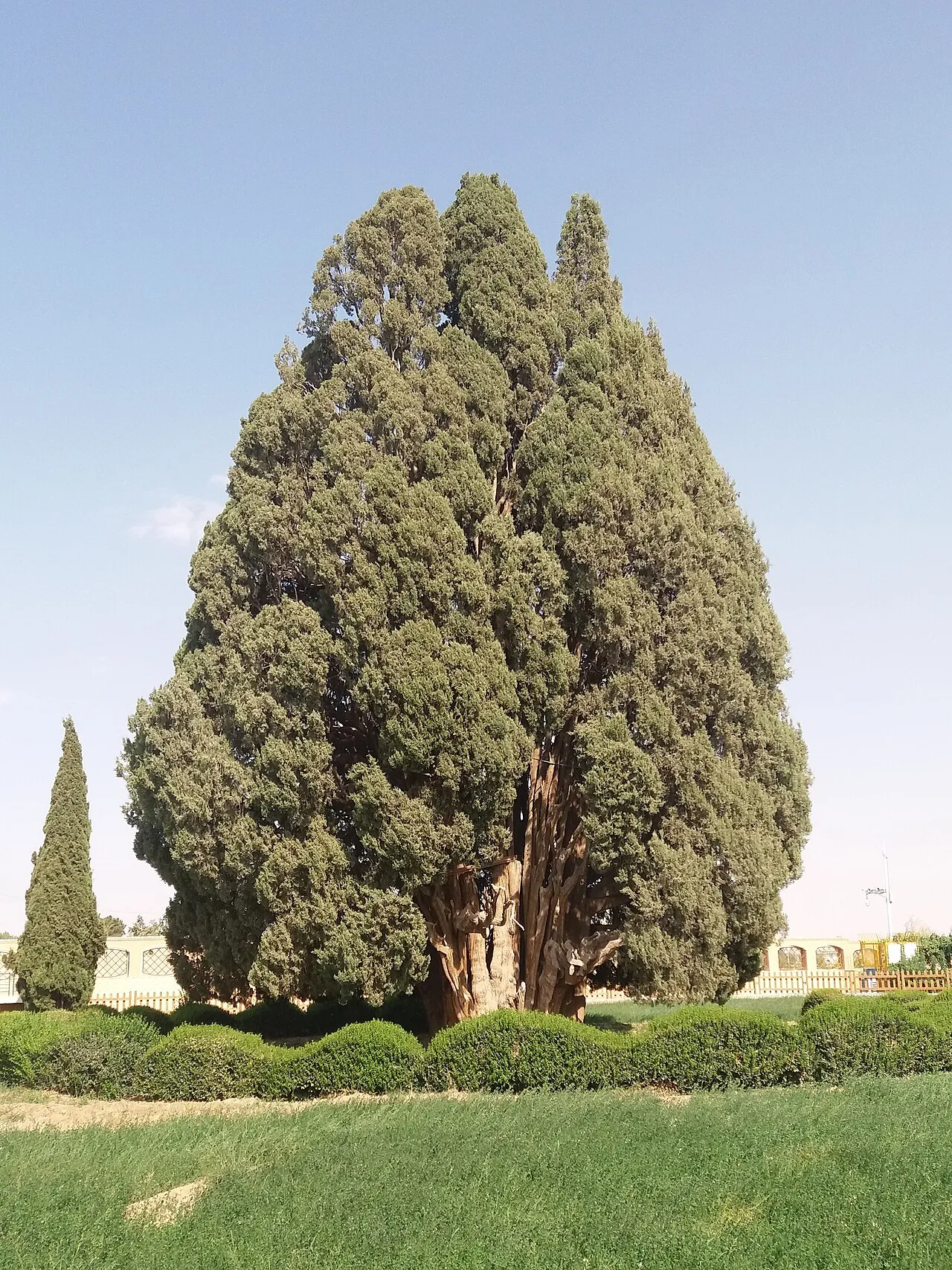
- Khastegary. The groom's family visits the bride's home to announce the couple's decision and ask her parents for their blessing. Gifts, sweets and cypress (sarv) leaves are exchanged.
- The Gavah, or vows. The couple walk in together to a mobed, mobedyar or other officiant waiting at the spread. Their parents, or another person important to them, sit at the spread with them as a sign of unity.
- Consent. The mobed asks if they are willing to marry. FEZANA notes that the bride may say yes after the question has been asked a third time.
- Advice. The mobed advises them to be righteous, to remember Ahura Mazda and to keep Zoroastrian celebrations. He asks them to choose a day each month on which they will give to charity, and asks each to choose one person they will go to for advice.
- Closing. The mobed asks for their consent once more, recites prayers, and the gathering cheers "haubeero".
Noshir Dadrawala, writing in Parsi Times in January 2023, says that the Iranian Zoroastrian equivalent of the Parsi Rupiya Peheravanu is called Mithoo monu, a ceremony of offering sweets after which the couple are considered betrothed.
Practice varies between families and Agiaries; your family priest's guidance comes first.
What is on the Zoroastrian wedding sofreh?
FEZANA lists seven items, each standing for one of the Amesha Spentas, plus extras for the day:
| Item on the spread | Amesha Spenta it represents |
|---|---|
| A metal dish or needle | Khshathra Vairya |
| Lit candles | Asha Vahishta |
| An egg | Vohu Mana |
| Water | Haurvatat |
| Evergreen or cypress leaves | Ameretat |
| A Gatha or Avesta book | Spenta Mainyu |
| A white or green cloth | Spenta Armaiti |
FEZANA adds a mirror, rose water, flowers, sweets, noghl with ajeel (toasted nuts and dried fruit), burning esfand and a green-wrapped sugar cone. Some families also put out a needle, thread and scissors.
What do older accounts say about weddings in Iran?
The fullest first-hand account is Mary Boyce's A Persian Stronghold of Zoroastrianism (Oxford, 1977), based on her year in Sharifabad, a village at the northern end of the Yazdi plain, in 1963-64. She writes that the spring No Ruz was by custom an auspicious time for betrothals and weddings.
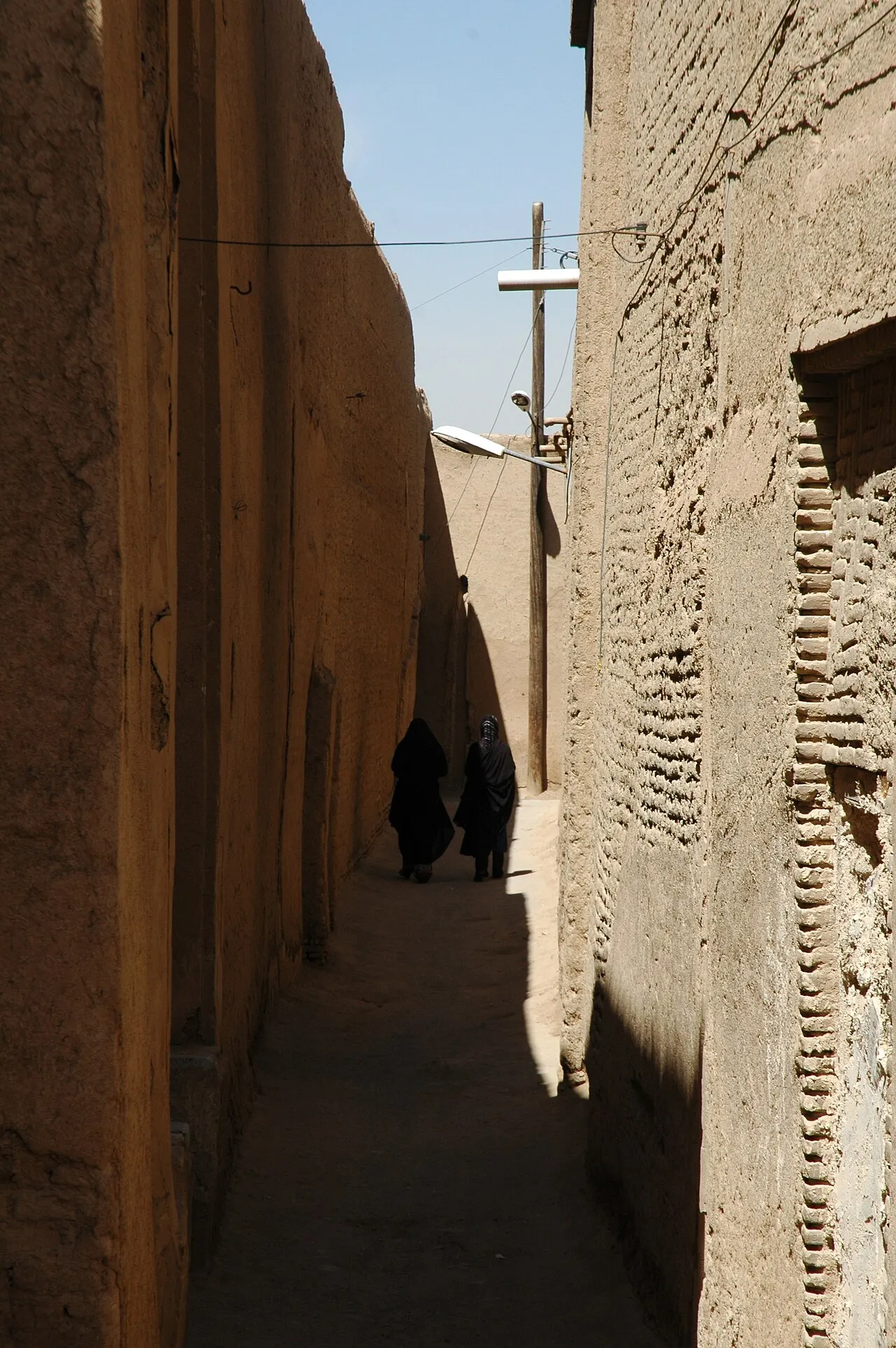
- Guests gathered at the bride's home around half past eight or nine, presents were exchanged, and the priest performed the ceremony at midnight.
- Before the service the priest, the groom and the bride's father retied their kusti. The groom then untied his again, because, Boyce explains, a knot or closed pin on either of them was thought to tangle their affairs.
- A kinsman of the groom held over his head a tray with the untied kusti, needle, thread, scissors, a raw egg, a pomegranate or apple, dried marjoram and white sweets, covered with a green kerchief. Afterwards the egg was thrown up onto the roof.
- After the priest left, the dahmobed led the couple slowly round a brazier of fire in the courtyard, singing a bridal song, and the company ended it with the shout "havoru".
- The next morning a priest performed the ab-zohr, a libation to water, at a stream. The groom carried a tuft of couch-grass dipped there to the bride, and it was replanted as a sign of a firm-rooted marriage.
Boyce's "havoru" is close to FEZANA's "haubeero", and the egg, needle and scissors appear in both.
Earlier still, J.J. Modi's The Religious Ceremonies and Customs of the Parsees (1922) has a few footnotes on the Zoroastrians of Persia. He records that a bride there was not expected to answer at once when asked for her consent: the question was repeated several times before she agreed in a low voice. Modi reads such customs as showing that it is the husband who seeks the wife. He also cites Anquetil du Perron for an old custom in Kerman of performing the marriage at midnight.
Practice varies between families and Agiaries; your family priest's guidance comes first.
How is an Irani Zoroastrian wedding different from a Parsi Lagan?
- Time of day. Encyclopaedia Iranica (M.F. Kanga, 1987) says sunset remains the usual time for the Parsi ceremony, in contrast to Irani usage, which prefers the morning. Boyce, writing of a Yazdi village in the 1960s, recorded midnight, and Modi cites a midnight custom in Kerman, so the sources do not give one Iranian hour. Ervad Dr Ramiyar Karanjia also says Zoroastrian marriages are generally solemnised after sunset. Dadrawala noted in 2023 that many Parsi couples now choose the morning.
- Language. Iranica says that in Parsi usage the questions and blessings are recited in Pazand and then repeated in Sanskrit. Karanjia notes that after coming to India the Shahenshahis recited the benedictions in Sanskrit as well as Pazand, and that the Sanskrit is now rarely recited. The Pazand and Sanskrit blessings are covered in our post on the Parsi wedding Ashirwad.
One text is shared: Modi, Karanjia and FEZANA all point to Yasna 53, the Vahishtoishti Gatha, in which Zarathushtra speaks to brides and bridegrooms. For the full Parsi day, see our guide to the Parsi wedding.
Practice varies between families and Agiaries; your family priest's guidance comes first.
Frequently asked questions
How do Iranian Zoroastrians get married?
In Mary Boyce's account of a Yazdi village in 1963-64, a priest married the couple at midnight at the bride's home. In FEZANA's 2022 account of a modern wedding outside Iran, the couple sit with their parents at the Sofreh Gavah while a mobed asks for consent, advises them and ends with prayers.
What is on the Zoroastrian wedding sofreh?
FEZANA lists seven items for the seven Amesha Spentas: a metal dish or needle, lit candles, an egg, water, evergreen or cypress leaves, a Gatha or Avesta book, and a white or green cloth. A mirror, rose water, flowers, sweets, esfand and a sugar cone are added, and some families also place a needle, thread and scissors.
Why does the bride answer on the third asking?
FEZANA says only that the bride may say yes after the mobed repeats the question a third time. J.J. Modi, writing in 1922 about Persian Zoroastrians, recorded the bride answering only after several askings and read the custom as showing that the husband seeks the wife, not the other way round.
How is an Irani Zoroastrian wedding different from a Parsi wedding?
Encyclopaedia Iranica says Irani usage prefers a morning ceremony while the Parsi Lagan is usually held after sunset, though Mary Boyce recorded midnight weddings near Yazd in the 1960s. Iranica adds that Parsi blessings are recited in Pazand and then in Sanskrit. FEZANA's Iranian account centres on a spread with the parents seated beside the couple.