 PalV's Kasti
On this page
The "Texas proposal" for a Tower of Silence is one legal writer's argument, not a community project. Khushbu Solanki, a Rutgers Law School graduate, argued in a letter to India West, based on her article in the Rutgers Journal of Law and Religion, that a dakhma could be made lawful in the United States under the First Amendment, and that Texas would be "a promising state" to build one. In the sources we could check, we found no association, FEZANA statement, land purchase or court case that took the idea further. On the other side, Dr Kersey Antia, a Chicago priest, has written that government rules would not allow a dakhma in North America, and that priests and laity have accepted cremation or burial instead.
શહેરેવર રોજ
Shehrevar Roj, Tir Mah · 1396 Y.Z.
What exactly was proposed for Texas?
Solanki's letter, which the India West page carries without a date, summarises her scholarly article titled "Buried, Cremated, Defleshed by Buzzards?". Her claim is that exposing the dead, as at a Tower of Silence, is treated as a crime in many American states, which in her words makes traditional funerals illegal for "the 11,000 Zoroastrians in the U.S." The result, she wrote, is that families face a choice between sending their dead abroad at great expense and holding a funeral their religion does not allow. The population figure is hers. We have not found a census or survey count to check it against.
Is a Tower of Silence legal in the US?
According to Solanki, not under current law in many states. She writes that excarnation is classed as criminal "Abuse of Corpse" under many state statutes, with offences ranging from a misdemeanour to a felony. We have not checked those statutes ourselves, so read this as her reading of the law.
Her proposed way round it is a religious exemption under the Free Exercise Clause of the First Amendment. She draws an analogy with Church of Lukumi Babalu Aye v. City of Hialeah, a case concerning Santeria practice, arguing that both faiths have rites involving the dead. She also suggests a test: grant the exemption unless the government can show a compelling reason to refuse it. She weighs four interests a government might raise, namely public health, emotional injury, protecting the dead and zoning, and finds only zoning compelling, and then only to the extent that a dakhma is regulated on par with similar enterprises such as body farms. No court has ruled on her argument, as far as our sources show.
Why Texas?
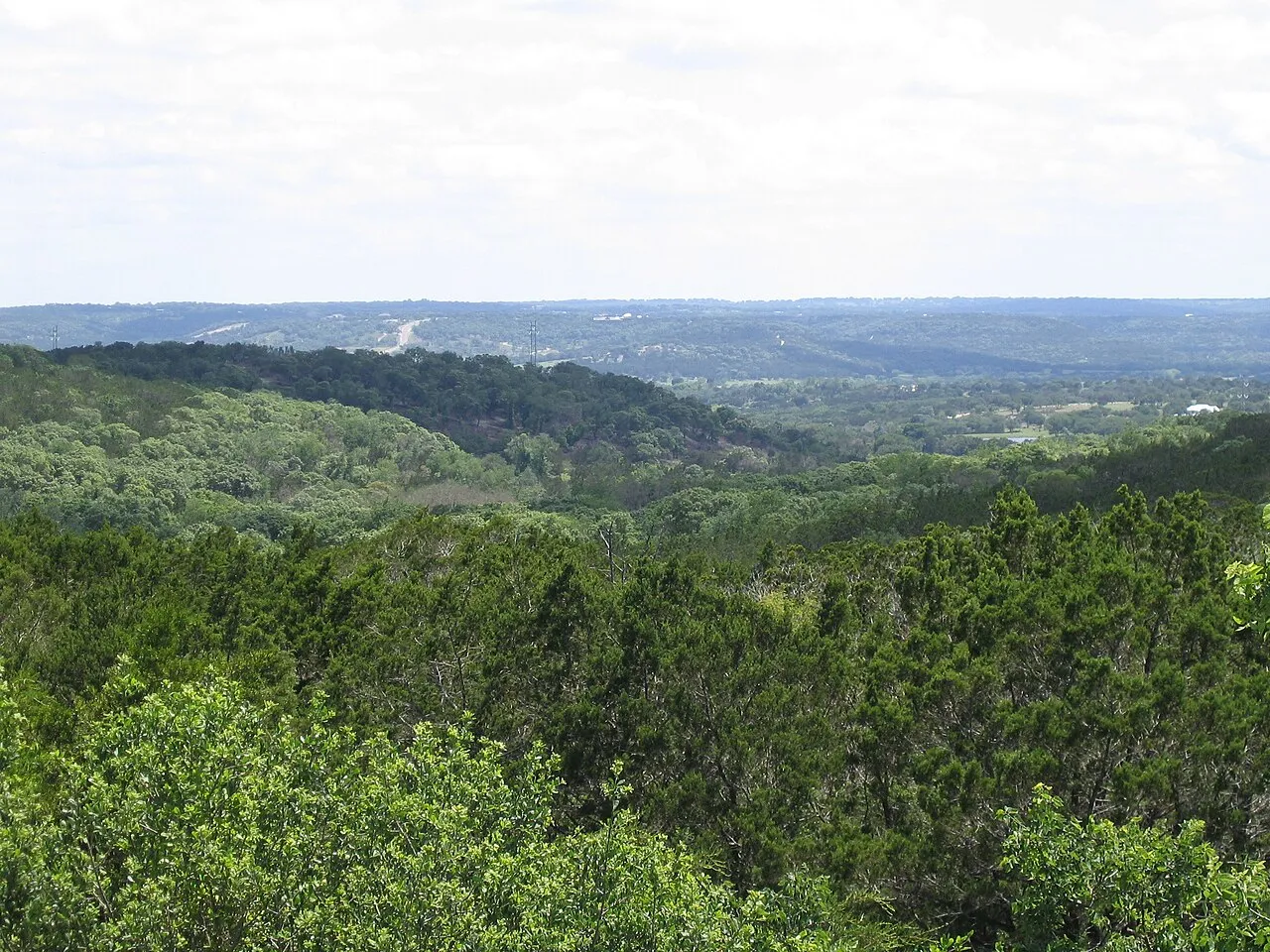
Solanki points to Texas State University's Forensic Anthropology Center, often called the "body farm", which is well established, and to research there on how local vultures scavenge on human remains. To her, that existing study makes Texas "a promising state to build a Dakhma in". She does not name a site, a sponsor or a cost.
Do Zoroastrians in America want a dakhma?
On the principle, the faith's own writers are on record. J.J. Modi recorded in 1922 that the faith enjoins that the dead should not be buried, burnt or put into water, so as not to pollute earth, fire and water. Dr Kersey H. Antia, described by FEZANA Journal in 2005 as high priest of the Chicago Zarathushti community, wrote there that dokhmenashini is the only way to avoid polluting any element of nature, and that every other method is "the lesser of the evils".
On what is possible in North America, Antia wrote that there are no Towers of Silence in North America because government rules would not allow one to be built "even if we can afford to", and that priests and laity have accepted cremation or burial. The Juggernaut, writing in May 2023, said the West has neither the structures nor the legal precedent for leaving the dead in the open air. In the sources we could check, we found no organised campaign by North American Zoroastrians to build one. How families manage today is set out in our guide to Zoroastrian funerals in North America.
Practice varies between families and Agiaries; your family priest's guidance comes first.
Has anything come of the proposal?
Not that we could find, as of 16 November 2026. In the sources we could check, we found no FEZANA or association statement, land purchase, bill in the Texas legislature or court case. We also could not read Solanki's journal article itself, only her letter. If a Texas Zoroastrian association or FEZANA takes a public position, we will add it here.
This is general information, not legal advice; for a specific case, speak to a lawyer.
Frequently asked questions
Is there a Tower of Silence in the United States?
No. Dr Kersey Antia, a senior priest in Chicago, wrote that there are no Towers of Silence in North America and that government rules would not allow one. Zoroastrians in the US and Canada use cremation or burial, with the funeral prayers adapted to funeral homes and the local darbe mehr.
Who proposed a Tower of Silence in Texas?
Khushbu Solanki, a Rutgers Law School graduate, made the case in a letter to India West based on her article in the Rutgers Journal of Law and Religion. She argued for a First Amendment religious exemption from state laws on handling the dead. It was her legal argument, not a plan by any Zoroastrian body.
Why was Texas suggested for a dakhma?
Solanki pointed to Texas State University's Forensic Anthropology Center, known as the body farm, where researchers already study how local vultures scavenge on human remains. She saw that existing research as making Texas a promising state. She did not name a site, a sponsor or a likely cost for building a dakhma there.
Is excarnation illegal in the US?
Solanki wrote that many US states treat excarnation as the crime of "Abuse of Corpse", punishable from a misdemeanour up to a felony. That is her summary of state law, which we have not checked statute by statute. No court has tested a Zoroastrian exemption, so far as our sources show. This is general information, not legal advice.


