 PalV's Kasti
On this page
A Navjote invitation card needs to tell guests six things: whose Navjote it is, who is inviting them, the date, the time of the ceremony, the venue, and whether there is a separate reception or dinner. Everything else is a matter of family taste. We could not find any published guide, priest's article or museum example that sets out a "correct" wording, so the sample wording on this page is written by us and labelled as such. Two points do have sources behind them: the morning is the traditional time for the ceremony, and some families like to hold it on the death anniversary of a departed relative, which the card can mention.
If you are new to the ceremony itself, our guide to the Navjote ceremony explains what guests will see.
શહેરેવર રોજ
Shehrevar Roj, Tir Mah · 1396 Y.Z.
What should a Navjote invitation card include?
Here is a plain checklist. None of it is a religious requirement. It is what a guest needs in order to turn up at the right place at the right time.
- The child's full name, as the family uses it.
- The names of the hosts.
- The day, date and month. If you add the Parsi roj and mah, check them with your priest or a Parsi calendar.
- The time the ceremony begins. Late guests can miss the investiture itself.
- The venue's full name and address.
- Reception or dinner details, if they are at a different time or place.
- An RSVP name and phone number.
Spelling is your choice too. J.J. Modi used both "Navjote" (1914) and "Naojote" (1922), and Dr Ramiyar Karanjia writes "Navjot". Iranian Zoroastrians call their equivalent rite Sedreh-pushi.
What time and date should the card give?
Morning, if you can. Karanjia writes that the Navjote was traditionally performed in the morning in a fire temple, and in his questions-and-answers on rituals he advises having it done "in the morning as early as possible" as the best time to seek blessings for the child. Evening ceremonies are not new, though. Modi noted in 1922 that until a few years earlier the ceremony had always been held in the morning, but that it was now also performed in the evening to suit the families.
For the date, two priests describe a custom of tying the day to the family's departed. Karanjia writes that Zoroastrians have a tradition of holding rituals such as the Navjote on the death anniversary of dear departed ones. Ervad Marzban Hathiram, writing on Frashogard in 2012, says it is appropriate to perform the Navjote on the Baj day of a close relative, and suggests a Jashan a couple of days beforehand at which the family's departed are remembered. If you choose such a date, the card can say so, for example "on the Baj of the child's late grandfather" (our wording).
Practice varies between families and Agiaries; your family priest's guidance comes first.
Should the card call the Navjote an "initiation"?
Priests disagree on the word, so it is worth a moment's thought. Modi's own 1914 booklet describes the Navjote as "the Initiation of the Parsi child into the fold of Zoroastrianism". Ervad Marzban Hathiram, in a Frashogard article of 13 October 2016, asks whether the Navjote is, "as so many invitation cards proudly proclaim, an initiation", and answers no: in his view one is born into the faith. Karanjia similarly writes that the Navjote is not an entrance into the Parsi Zoroastrian fold, because the child is already a Parsi Zoroastrian from birth.
If you would rather avoid the question, "Navjote ceremony" on its own says everything a guest needs.
Practice varies between families and Agiaries; your family priest's guidance comes first.
Is there a custom for the first invitation card?
One is recorded. In a 2015 guest article on Frashogard, Hoshang Mandviwalla writes that when Navjote or wedding cards are to be sent out, the very first card is made out in the name of Dadar Ahura Mazda and placed at the kebla window of the fire temple, as a mark of respect that asks for God's presence and blessing on the occasion. Mandviwalla calls it a Zoroastrian tradition, but we found it in only that one source, so families may or may not follow it.
Practice varies between families and Agiaries; your family priest's guidance comes first.
Sample Navjote invitation wording
The three samples below are written by PalV's Kasti. They are not traditional texts and are not copied from any card. Replace everything in square brackets.
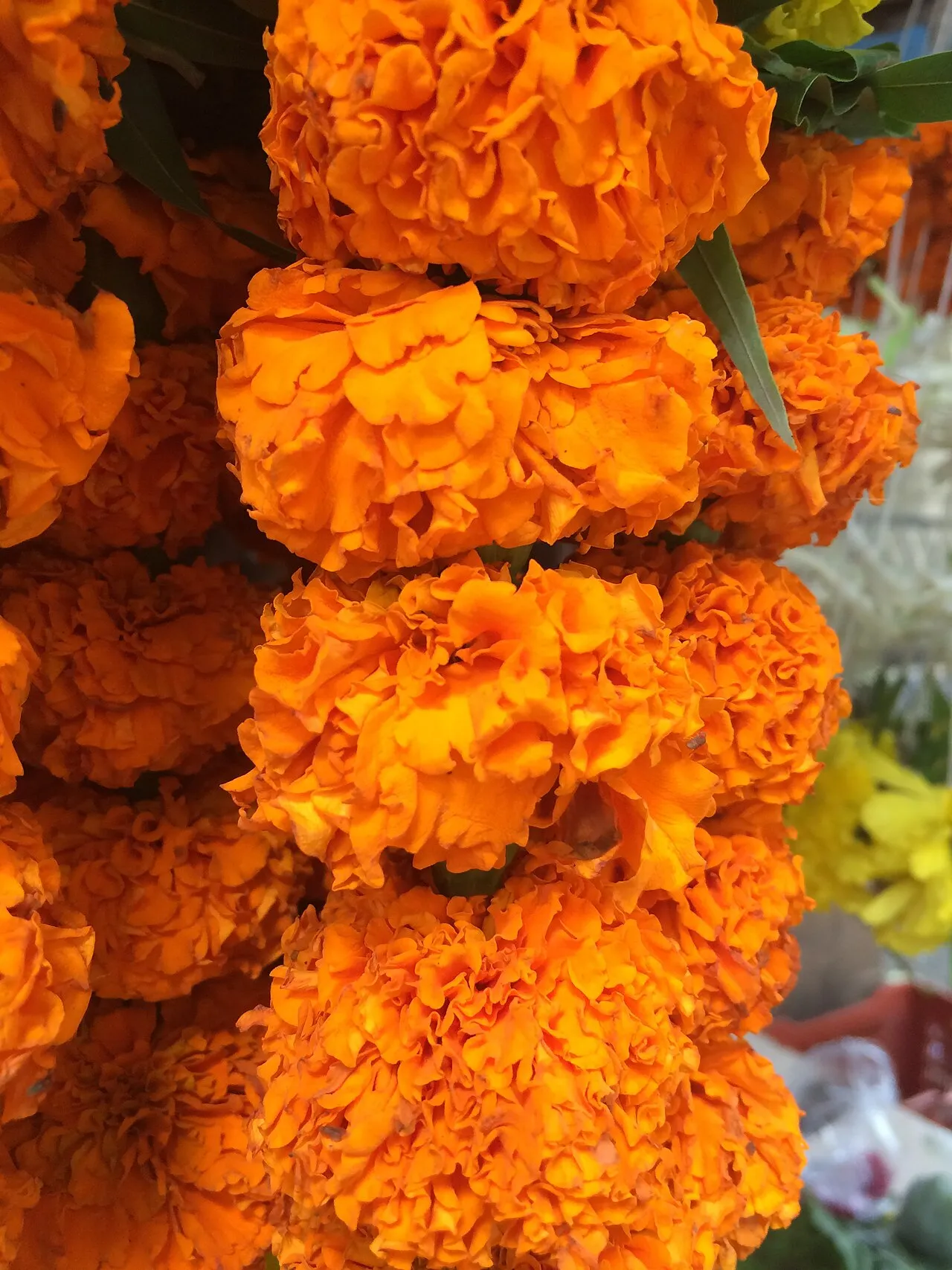
Sample 1: a formal printed card
Sample wording. With the blessings of Dadar Ahura Mazda, [parents' names] request the pleasure of your company at the Navjote of their [son/daughter] [child's name], on [day], [date], at [time], at [venue name and address]. Lunch will follow the ceremony. RSVP: [name, phone].
Sample 2: grandparents and parents inviting together
Sample wording. [Grandparents' names] and [parents' names] warmly invite you to bless [child's name] at [his/her] Navjote, to be performed on [day], [date], on the Baj of [relative's name], at [time] at [Agiary or hall]. Your presence will make the morning special for us.
Sample 3: a short message for WhatsApp
Sample wording. Dear [name], [child's name]'s Navjote is on [date] at [time], at [venue]. Dinner follows at [time] at [venue]. We'd love to have you with us. Please let us know by [date].
If you are inviting friends who have never attended a Navjote, a line about dress helps; our page on what to wear to a Navjote is easy to forward. This is not a new need. In the foreword to his 1914 booklet, Modi wrote that many Parsis were inviting non-Parsi guests to the ceremony, so a short brochure explaining it was in demand. Guests who ask what to bring can be pointed to our page on Navjote gifts.
Frequently asked questions
How do you word a Navjote invitation?
Name the hosts, then invite the guest to the Navjote of the child, giving the child's name, the day and date, the starting time, and the full venue address. Add the reception or meal details and an RSVP contact. We found no fixed traditional wording, so write it in your own words, in English, Gujarati or both.
What time is a Navjote usually held?
Dr Ramiyar Karanjia writes that it was traditionally held in the morning in a fire temple, and advises holding it as early in the morning as possible, as the best time to seek blessings for the child. J.J. Modi recorded in 1922 that evening ceremonies had also begun, to suit families' convenience. Confirm the time with your priest first.
Should a Navjote card say "initiation"?
It is your family's choice. J.J. Modi called the Navjote an initiation in 1914. Ervad Marzban Hathiram (2016) and Dr Ramiyar Karanjia both write that it is not an entry into the faith, since a Parsi child is Zoroastrian from birth. Writing simply "Navjote ceremony" avoids the disagreement and is clear to every guest.
Can the Navjote date be on a relative's death anniversary?
Two priests describe it as a custom. Dr Ramiyar Karanjia describes a tradition of holding the Navjote on the death anniversary of a dear departed one, and Ervad Marzban Hathiram calls it appropriate to perform it on the Baj day of a close relative. Your family priest can confirm the day.


