 PalV's Kasti
On this page
Parsi mutton cutlets are flat patties of spiced mutton mince, bound with a little mashed potato or soaked bread, rolled in breadcrumbs and then dipped in beaten egg just before they go into hot oil. That last egg dip is what gives them their frill. The egg fries into a frilly fringe around the edge of each cutlet, which is why you will hear them called lacy cutlets. Sanjeev Kapoor puts it plainly on his recipe: the lace comes from a generous egg wash. Rita Jamshed Kapadia, of ParsiCuisine.com, says the same thing in her own words: be generous with the egg, and spoon extra froth on top at the very last moment.
શહેરેવર રોજ
Shehrevar Roj, Tir Mah · 1396 Y.Z.
What gives Parsi cutlets their lacy frill?
The frill comes from the egg. What matters is the order and the amount.
In both recipes we followed, the breadcrumbs go on first and the egg goes on last. Kapadia crumbs her cutlets on both sides, rests them in the fridge for half an hour, then coats them in whisked egg and fries them straight away. Kapoor flattens each portion of mince into a thin disc in the crumbs, coats it in egg and puts it into a hot pan. So the egg is the outer layer when the cutlet meets the oil, and both cooks credit the egg, not the crumb, for the lace.
Kapadia's tips for a fuller lace, from her Parsi-style chicken cutlet recipe, are worth copying for mutton too:
- Beat the eggs until they are frothy, not just mixed.
- Dip the cutlet in egg as the final step and don't be stingy with it.
- Spoon a little more egg froth on top of the cutlet once it is in the pan.
- Leave space between the cutlets in the pan, and spoon hot oil over the top before checking the colour.
Parsis are not the only ones who fry cutlets this way. Niloufer Mavalvala, the Parsi cookbook author who writes the Niloufer's Parsi Kitchen column for The Cook's Cook, mentions the frilly cutlets of her Bohra friends: thin beef cutlets dipped in egg and deep-fried until the edges frill.
How do you make Parsi mutton cutlets at home?
This method follows Rita Jamshed Kapadia's "Parsi Mutton Cutlets", published on ParsiCuisine.com as a sample recipe from her cookbook Parsi Cuisine: Manna of the 21st Century. It makes five or six medium cutlets.
Ingredients
- 250 g mutton mince
- 1 tsp ginger paste and 1 tsp garlic paste
- 1 green chilli, coarsely ground
- ½ tsp turmeric and 1 tsp red chilli powder
- ½ tsp clove-cinnamon powder (or garam masala)
- 2 tbsp boiled, mashed potato
- 5 mint leaves, roughly chopped, and 1 tbsp chopped coriander
- Salt to taste
- Breadcrumbs for coating
- 4 eggs, whisked
- Oil for deep frying
Method
- Put the mince in a bowl and knead it with your hands for 3 to 4 minutes.
- Add the ginger and garlic pastes, green chilli, turmeric, chilli powder, clove-cinnamon powder, mashed potato, mint, coriander and salt. Mix thoroughly.
- Shape the mixture into 5 or 6 round patties of medium size.
- Press breadcrumbs onto both sides of each patty, then chill them in the fridge for 30 minutes.
- Whisk the eggs. Dip each chilled cutlet in the egg and fry in hot oil until golden brown on both sides.
- Serve with Parsi tomato gravy, with a squeeze of lemon if you like.
Potato or bread to bind the mince?
Recipes split here. Kapadia and the chef Ranveer Brar both use a little mashed potato, and both season the mince with clove-cinnamon powder. Sanjeev Kapoor's lacy mutton cutlets use four slices of white bread moistened with water and crushed into the meat. A 2021 Gulf News guide to the Mumbai-style mutton cutlet soaks two pav in water for ten minutes instead. The potato version is the one in the Parsi cookbook source we followed.
The spicing also moves from kitchen to kitchen. Food writer Meher Mirza, writing in Saveur about Parsi spice blends, uses a Parsi dhana jeera blend in her mutton cutlets.
Where did the Parsi cutlet come from?
Two different origin stories appear in print.
Niloufer Mavalvala traces the Parsi cutlet to Iran. In her words, the Persian kotlet became the Parsi "cutlace", and she notes that her mother always shaped hers in the oval form of a Persian kotlet. The Encyclopaedia Iranica's entry on Persian cooking does list kotlets as fried patties of meat and vegetables, usually fried slowly in ghee or oil.
Gulf News, in its 2021 guide to the Mumbai mutton cutlet, points to France instead, to the côtelette. We found no source that dates when cutlets entered Parsi cooking, so we leave that question open.
Mavalvala adds one more reason the dish has lasted. She describes cutlets, kebabs and patties as a way of turning leftovers into something new, part of what she calls a firm Parsi no-waste habit.
Cutlet, cutlace or kavab: what is the difference?
Here is how one Parsi cook, Niloufer Mavalvala, uses them. For her, making a kebab is a method and a cutlet is a dish. Her kavab are small round balls. Cutlets are oval, or flat round discs. She names them by what goes in: gos na kavab for meat, jhinga na kavab for prawns and machhi na cutlace for fish.
Patties are a different thing again. They are a potato mash wrapped around a filling, and our guide to Parsi patties explains how they are made.
What is served with Parsi mutton cutlets?
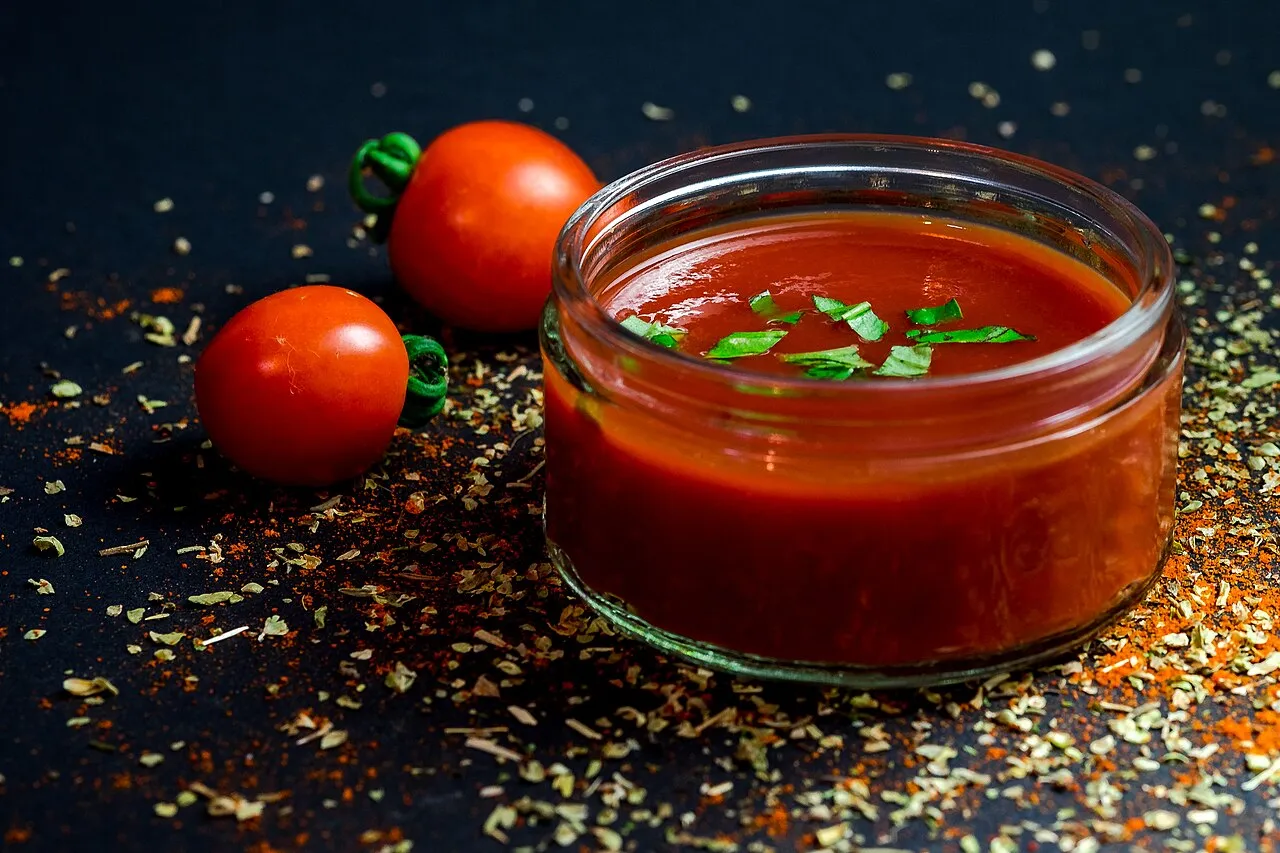
Both of the Parsi cooks we followed answer tomato gravy. Mavalvala calls tamota ni gravy a crucial side for cutlets, above all the egg-dipped, deep-fried kind, and describes it as tomato ketchup cooked down with jaggery and a hint of spice. She also explains why: Parsis don't much like eating a dish without a rus, a sauce or gravy, and call a dry meal suku bhonu. Kapadia serves her mutton cutlets with Parsi tomato gravy and an optional squeeze of lemon. Kapoor garnishes his with onion rings, lemon wedges and a coriander sprig.
Where can you eat Parsi mutton cutlets in Mumbai?
Press coverage puts cutlets on Parsi counters and festive menus in the city. A 2019 Free Press Journal guide lists cutlets among the snacks at the Ratan Tata Institute (RTI). Outlook Traveller has written about Paradise in Colaba and its sauce-topped cutlets, and about the well-spiced cutlets at the Irani restaurant Britannia. For Navroz 2026, the Free Press Journal reported that the brunch at Pondichéry Café, Sofitel Mumbai BKC, included mutton cutlets alongside patra ni machhi and dhansak. Menus change, so check with the restaurant before you go.
The Parsi wedding feast is a subject of its own, covered in our guide to Lagan nu bhonu.
Frequently asked questions
Why are Parsi cutlets called lacy?
Parsi cutlets are called lacy because of the thin, frilly fringe of fried egg around each one. The cutlet is crumbed first and dipped in beaten egg last, right before it goes into the oil. As it fries, the egg sets into a lace-like frill around the edge. Sanjeev Kapoor credits the lace to a generous egg wash.
How do you get frilly edges on cutlets?
Use plenty of egg and add it last. In her cutlet recipe, Rita Jamshed Kapadia beats the eggs until frothy, dips each crumbed cutlet, and spoons extra froth on top just before frying. She also leaves space between the cutlets in the pan and spoons hot oil over the top before checking the colour.
What is the difference between a cutlet and a kebab in Parsi food?
Niloufer Mavalvala treats kebab-making as a method and the cutlet as a dish. In her family's usage, kavab are small round balls, while cutlets are oval or flat discs. Meat ones are gos na kavab, prawn ones jhinga na kavab, and fish ones machhi na cutlace.
What sauce is served with Parsi cutlets?
The classic side is tamota ni gravy, a Parsi tomato sauce. Niloufer Mavalvala describes it as tomato ketchup cooked down with jaggery and a little spice, and calls it essential for egg-dipped, deep-fried cutlets. Rita Jamshed Kapadia also serves hers with tomato gravy and an optional squeeze of lemon.
Can Parsi cutlets be made ahead and frozen?
Yes. On her Parsi-style chicken cutlet recipe, Rita Jamshed Kapadia says cutlets keep for four days in the fridge and can be frozen for two months if each one is wrapped separately in foil. Her note does not say whether to freeze them before or after frying.


