PalV's Kasti

On this page
Vasanu is a dark, dense Parsi sweet made in winter from ghee and sugar cooked with nuts, dry fruit, dry ginger, dill, lotus root, water chestnut and a long list of dried roots and seeds from the spice shop. It sets like fudge, is cut into small pieces and is eaten at breakfast through the cold months. As for why winter, the cooks who write about it each give their own reason. Meher Mirza calls it a warming dish, Rita Jamshed Kapadia recommends it for winter mornings, and some families give it for strength. These are beliefs held about the sweet, not tested health effects, and we report them that way.
અદીબેહેસત રોજ
Ardibehesht Roj, Tir Mah · 1396 Y.Z.
What is vasanu?
It's a home-made sweetmeat that is poured into a dish, left to set and cut into pieces. Writing for Life & Thyme in 2019, the food writer Meher Mirza called it "perhaps our most idiosyncratic sweetmeat" and asked readers to think of Italian panforte. Perzen Patel, writing in 2016 as the cook behind the Bawi Bride Kitchen, called it the Parsi version of Chyawanprash in an India Food Network column.
Patel is honest that it doesn't win people over at first. She describes its colour as deep dark brown and its texture as gritty, and admits that as a schoolgirl she flushed her portion down the toilet. Years later, eating it again, she found the ghee and dry fruit melting into the heat of the ginger and crushed herbs, and changed her mind.
Niloufer Mavalvala, author of The Art of Parsi Cooking, spells it vesanu in her writing for The Cook's Cook. Both spellings name the same sweet.
What is vasanu made of?
There is no single fixed list. Patel writes that every home keeps its own favourite version, some packed with more dry fruit and others made heartier with extra ginger. What the recipes share is a base of ghee and sugar, with nuts, seeds and ground herbs worked in.
Rita Jamshed Kapadia's recipe on ParsiCuisine.com, which she says came from her grandmother, gives a fair picture. Ghee, sugar, ghau nu doodh (wheat milk powder), dates and walnuts form the base. Almonds, pistachios and charoli are soaked, peeled and fried. Suva (dill), dried water chestnuts, lotus roots, gokhru, pipri mool and other dried roots with Gujarati names are each ground fine, while dry ginger, cardamom, nutmeg, udad dal, khus khus, variali (fennel) and dry coconut are crushed coarse. Patel's list adds magaz (muskmelon seeds), peepremul or ganthoda, and singhoda aata, the water chestnut flour. Mirza remembers the resin of a tree among her grandmother's ingredients.
Quantities and the order of cooking are in our Vasanu recipe.
Why do Parsis eat vasanu in winter?
Every writer we read ties vasanu to the cold season, and each puts the reason her own way:
- Meher Mirza calls it a warming dish and "a brief breakfast salvation" from winter. Mumbai never gets truly cold, she adds, but in Gujarat, where she says the dish likely began, temperatures can drop to forty degrees Fahrenheit (about 4°C).
- Rita Kapadia opens her recipe by saying it is meant for winter, a one-inch square at breakfast.
- Perzen Patel's mother pressed vasanu on her at the time of her wedding so she would "keep up my strength". Patel's own comment on that reason: "whatever that meant".
- Niloufer Mavalvala writes that vesanu is often given to breastfeeding mothers after childbirth, to restore their strength.
These are customs and beliefs that families hold about the sweet. We found no study that tests them, and nothing here is health advice.
How is vasanu eaten, and how long does it keep?
A little at a time, in the morning. Kapadia suggests that one-inch square at breakfast. Patel remembers her mother handing her a ball of it to finish before school, and Mirza puts it at the breakfast table too.
One batch is meant to last, so keeping matters. Kapadia writes that vasanu stays good for a month and that a thick layer of ghee on top is what stops it spoiling. She cuts it into pieces and stores it somewhere cool.
Where do Parsis get vasanu today?
Fewer families make their own, and the work is the reason. Patel wrote in 2016 that five kilos take most of a day, because the herbs and flours taste better the more slowly they are fried. Mirza remembers her grandmother calling her sisters together every winter just to get through the soaking, peeling and frying. Patel's one bit of good news: if you're a regular at your spice shop, the staff will weigh and powder the ingredients for you.
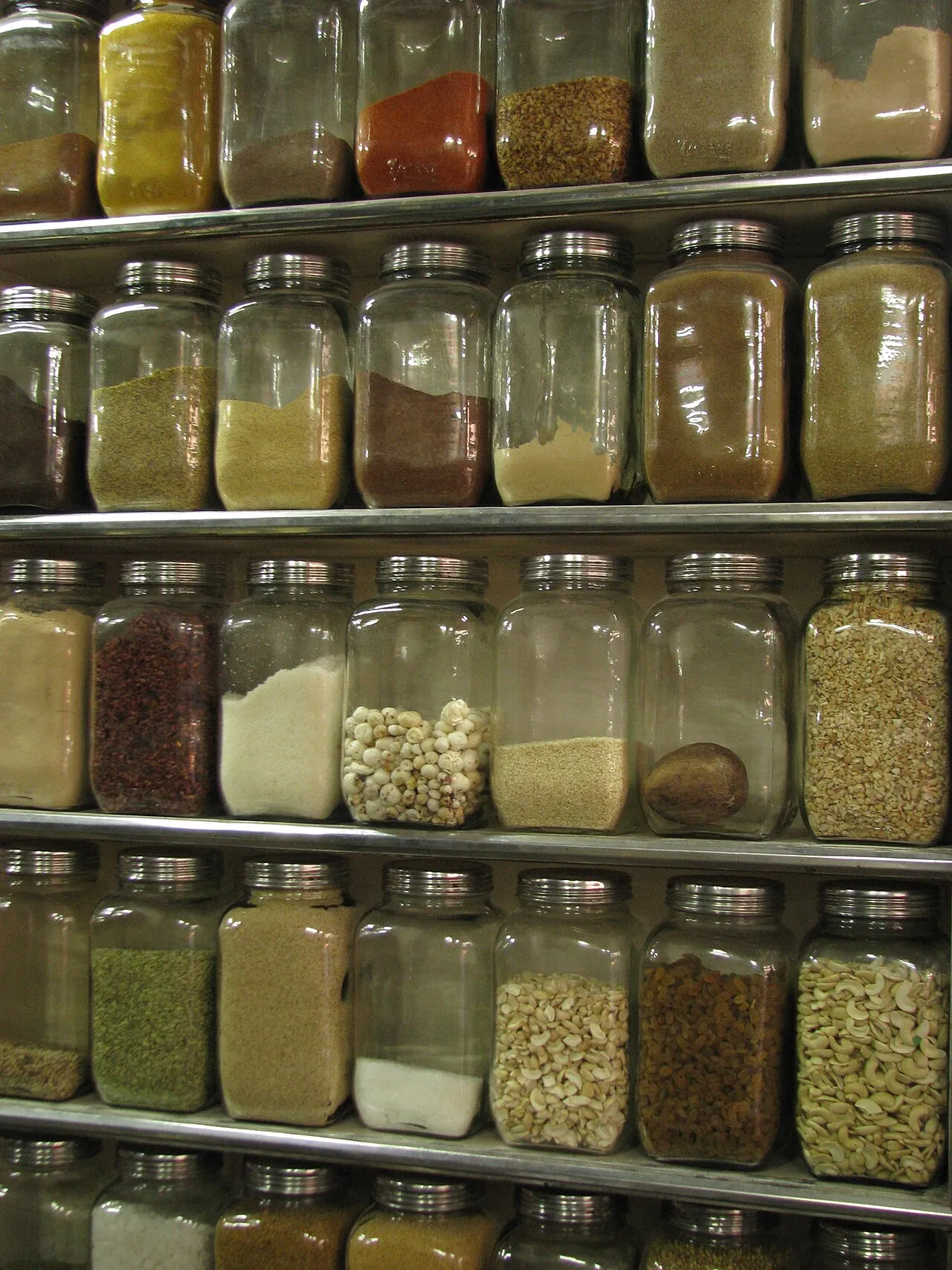
In the same column Patel described vasanu's "endangered status", with kilos ordered weeks ahead from the home cooks who still make it. She named Gangar in Dadar and Motilal Masala at Grant Road as Mumbai shops that stocked it then, though she preferred a home kitchen. That list is from 2016, so check before you go.
Vasanu isn't the only Parsi food tied to the cold. Kapadia writes that Doodh na puff, the milk froth, was traditionally made in winter, with the milk left out overnight on a terrace or roof to chill.
Frequently asked questions
What is vasanu made of?
Vasanu is built on ghee and sugar, cooked with almonds, pistachios, charoli, dates and walnuts. Ground dill, dried water chestnuts, lotus root and dried roots such as pipri mool go in, with dry ginger, cardamom and nutmeg crushed coarse. Each family adjusts the balance of dry fruit and ginger to its own taste.
What is vasanu called in English?
Vasanu has no standard English name, so writers explain it by comparison. Meher Mirza likens it to Italian panforte, and Perzen Patel calls it a Parsi version of Chyawanprash and a winter fudge. In plain terms it is a set sweet of ghee, sugar, nuts and ground herbs, cut into small pieces.
Why is vasanu eaten in winter?
The cooks who write about vasanu treat it as a cold-season food. Meher Mirza calls it a warming breakfast dish, Rita Kapadia recommends it for winter mornings, and families give it for strength, including to new mothers. These are beliefs about the sweet. We found no study testing them, so read them as family custom.
How long does vasanu last?
Rita Kapadia writes that home-made vasanu keeps for a month. She credits the thick layer of ghee on top for stopping it from spoiling, and stores it cut into pieces in a cool place. One batch is meant to be eaten a small square at a time through the winter mornings.
Is vesanu the same as vasanu?
Yes. Vesanu is a second spelling of the same sweet. Niloufer Mavalvala, author of The Art of Parsi Cooking, uses it when she describes the dish as made with seeds, nuts, ginger and other spices. Most other writers, including Rita Kapadia and Perzen Patel, spell it vasanu, which is the spelling we use.