 PalV's Kasti
On this page
Vividha Vaani (also spelt Vividh Vani or Vividhvani) is a Gujarati cookbook written and self-published by Meherbai Jamsetjee Wadia, a young Parsi woman of Bombay. Historian Murali Ranganathan, who has handled a first edition, dates it to 9 August 1894, with 1,248 recipes set out alphabetically (a few writers give 1903 instead). After her early death from plague, her mother rebuilt it, and by the fourth edition of 1926 it had grown to 2,180 recipes over more than 1,500 pages. It matters for two reasons. Ranganathan calls it the first Gujarati cookbook written by a woman, and he says it had cult status in Parsi homes for more than half a century, so its pages show the range a Bombay Parsi kitchen took on around 1900, from akuri to Chantilly cake.
અદીબેહેસત રોજ
Ardibehesht Roj, Tir Mah · 1396 Y.Z.
Who wrote Vividha Vaani?
Meherbai was born on 24 November 1866 into the Wadia (Wahadia) clan, the Parsi shipbuilders who had later moved into mills, insurance and banking. Her father, Jamsetjee Nusserwanjee, came from a branch of the family that lost control of its investments after the Share Mania of 1866, so she grew up in fairly modest comfort. Unlike many Parsi girls of an earlier generation, she went to school, where cooking and sewing were part of the curriculum.
She was 28 and still unmarried when the book came out. The family chronicler R.A. Wadia, quoted by historian Murali Ranganathan in Scroll, wrote that she prepared the recipes by calling in "special cooks" to help. Ranganathan adds that many of those cooks had worked in European homes.
The book's full title was Vividha Vaani: Pakwan Banavavnu Pustak. Ranganathan renders it as "An Assortment of Culinary Dishes" or "The Book of Cooking".
When was Vividh Vani first published, and how did it grow?
Sources do not agree on the first date. Ranganathan, who owns copies of the second and third editions and was shown a first edition by a Bhavnagar collector of rare books, gives 9 August 1894. A 2014 Mint article, drawing on research by the Princeton scholar Dan Sheffield, calls it the Vividh Vani "published in 1903". The Zoroastrian site Frashogard also says Meherbai's mother brought out the first edition "around 1903". Ranganathan describes the physical copies and their dates, so this post follows his sequence. The Parzor Foundation simply calls it a late 19th-century work.
Here is how the book changed, edition by edition, as Ranganathan records it.
| Edition | Recipes | Pages | Note |
|---|---|---|---|
| 1894 (first) | 1,248 | Not given | Meherbai's original; alphabetical, one paragraph per recipe |
| 1901 (second) | 1,593 | Nearly 700 | Issued by Pirojabai, fully rewritten, ingredients listed first |
| 1915 (third) | 2,050 | Over 1,200, in two volumes | The edition that made its name |
| 1926 (fourth and last) | 2,180 | Over 1,500 | Published before Pirojabai's death in 1928 |
Two writers who have cooked from or quoted the book name the edition they used. Niloufer Ichaporia King, writing in FEZANA's Eat, Live, Pray (2012), worked from the 1915 edition. Meher Mirza, in Food52, read the 1926 one.
How did the 1896 plague turn the cookbook into a memorial?
Bubonic plague reached Bombay in September 1896. Meherbai caught it in the first wave and was admitted to the Parsee Fever Hospital, set up by Dr Kaikhusru N. Bahadurji. She came under his personal care, but she died in 1897, aged 30 by Ranganathan's count (Frashogard gives 7 April 1897 and says 31). Ranganathan records that Dr Bahadurji himself died of typhoid on 15 August 1898.
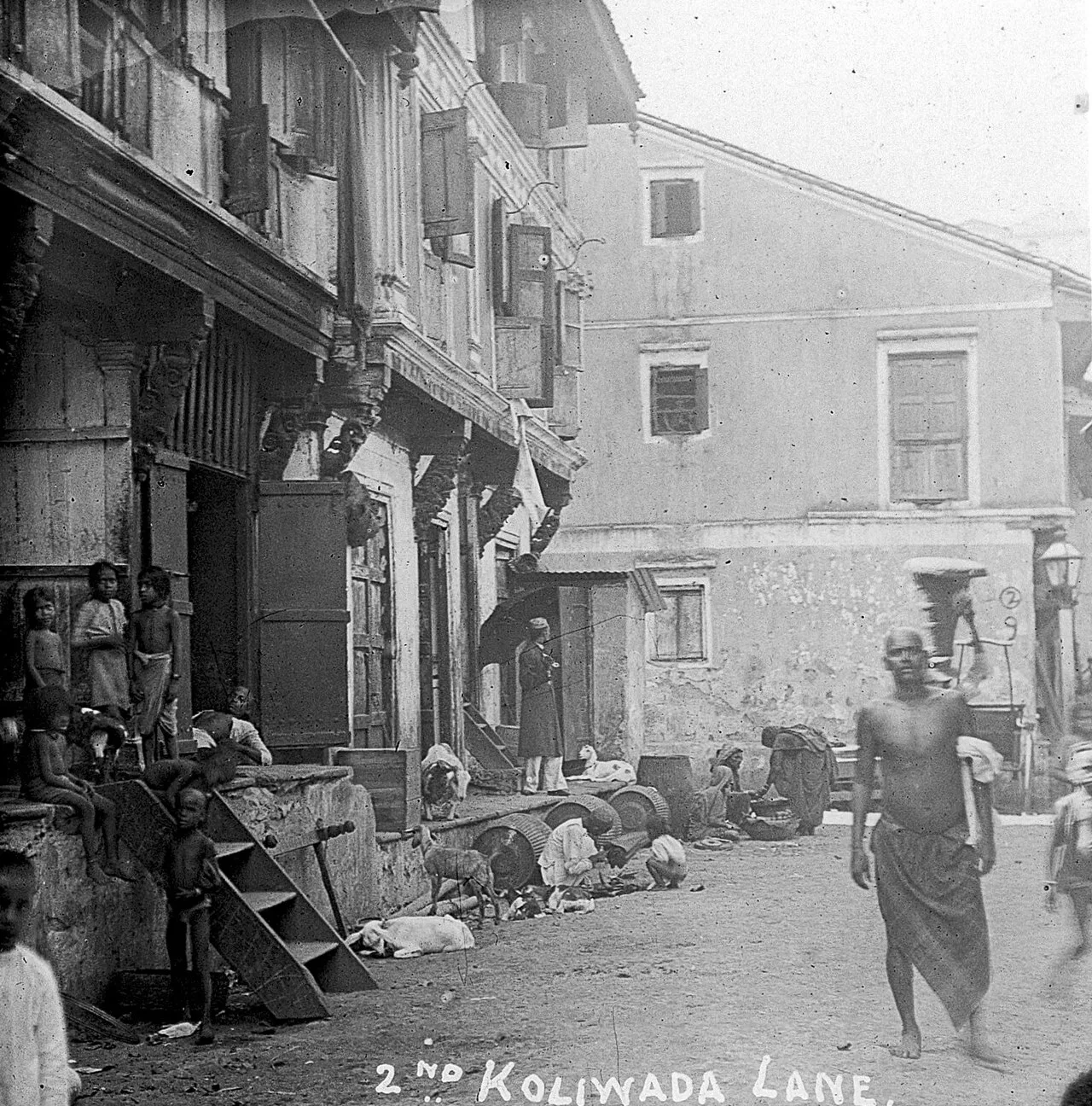
In Ranganathan's reading, her mother Pirojabai wanted to mark her gratitude to the doctor, and she did it through her daughter's work. The second edition of 1901 was not a reprint. It was rewritten, enlarged and dedicated to Dr Bahadurji, with Meherbai still named as sole author. In the dedication, as Frashogard reproduces it, Pirojabai calls him her "venerable and true friend". J.B. Marzban & Co. acquired the copyright from her, and the later editions came out from their Jame Jamshed Press.
What recipes are in Vividha Vaani?
Far more than Parsi home food. Ranganathan points out that Meherbai never claimed to be documenting Parsi cuisine. Akuri, aleti paleti and patiyo sit beside cakes, jams, tarts, creams and essences, along with Goan, Bohri and Madrasi dishes. Because everything runs alphabetically, a custard can be followed by a page of cutlets.
A few counts show the range:
- 57 cakes, a number given both by Dan Sheffield in Mint and by Frashogard. Sheffield lists coffee cake, cherry cake, Cake Napoleon and Chantilly cake, and notes that there is no mawa cake.
- Three versions of dhansak, each a little different, and the book says chicken or mutton will do, according to Sona Bahadur in An Invitation to Feast.
- Nine dense pages on making topli na paneer in the 1926 edition, Meher Mirza writes. King, with a Gujarati speaker's help, learned that the 1915 edition names young goats' stomachs as the first choice of coagulant and chicken gizzards as the alternative, both steeped in vinegar.
- Frashogard's tally, from its writer's own fourth-edition copy: 8 akuris, 76 pickles, 36 ice creams, 60 egg dishes and 50 curries.
The covers changed too. The 1894 cover shows a young woman at a wood-fired stove on a low platform. In 1901 a Parsi matron in an apron stirs a pan on a coal sigri. By 1915 a woman stands at a kerosene stove on a countertop, the modern kitchen taking shape.
Why did families stop cooking from it?
The later editions became heirlooms, kept even when they fell apart. But by the 1950s many Parsis had moved to English as their first language and found the book's old Gujarati hard going. India's switch to metric weights in the same decade finished the job: recipes measured in tola, rattal, tipri and sher were close to unusable.
Why does Vividha Vaani still matter?
It was not the first Parsi cookbook. Ranganathan traces that to Burjorjee Nusserwanjee Heera's Pakwan Pothi of 1878, with 400 recipes. But it was the first Gujarati cookbook by a woman, and it shows how open a well-off Bombay Parsi kitchen was around 1900. English cakes and custards, Goan and Bohri dishes and Parsi staples all shared one book. King, in My Bombay Kitchen (2007), called it "enchanting in its vigorous Parsi eclecticism". The Parzor Foundation describes it as the heirloom cookbook of Parsi women.
Ranganathan's view is that Meherbai, Pirojabai and the unnamed contributors to later editions helped shape what the world now knows as Parsi food. If you want the wider story of the cuisine, our guide to Parsi food picks it up from there, and our collection of Parsi recipes has dishes you can cook today.
Can you still get a copy?
Original editions turn up mostly through collectors and old-book sellers. Ranganathan found the first volume of the 1915 edition on a raddiwalla's pile on Churchgate Street in December 2009, after an old Parsi book-lover's family gave away his books. Rita Jamshed Kapadia of ParsiCuisine.com says on her site, in a 2018 post, that she has reprinted the book in two Gujarati paperback volumes, printed by Amazon and, at the time of writing, available only in the USA.
Frequently asked questions
Who wrote Vividh Vani?
Meherbai Jamsetjee Wadia (spelt Wahadia on the book) wrote and self-published it. She was born in Bombay on 24 November 1866 into the Wadia shipbuilding family and died of plague in 1897. Her mother, Pirojabai, kept the book alive afterwards, and every later edition still carried Meherbai's name as author.
When was Vividha Vaani first published?
Historian Murali Ranganathan, who has handled a copy of the first edition, dates it to 9 August 1894. Some other writers give 1903 or say the first edition appeared around then. The later editions he records are 1901, 1915 and 1926, each larger than the last.
How many recipes are in Vividh Vani?
It depends on the edition. The 1894 first edition had 1,248 recipes. The 1901 edition had 1,593, the 1915 edition 2,050 across two volumes, and the 1926 edition, the last one, listed 2,180 recipes over more than 1,500 pages, according to Murali Ranganathan's account in Scroll.
What language is Vividha Vaani written in?
It is written in Gujarati, in the particular idiom Parsis used. That is one reason it fell out of everyday use. By the 1950s many Parsis read English more easily, and the old Gujarati, together with the tola and sher measures, had become hard for many cooks to follow.
Is Vividh Vani only a book of Parsi recipes?
No. Meherbai never claimed to be recording Parsi cuisine alone. Alongside akuri and patiyo, the book carries European cakes, jams, tarts and custards, plus Goan, Bohri and Madrasi dishes. Many recipes were worked out with cooks who had earlier served in European households.


