 PalV's Kasti
On this page
Akoori (also spelt akuri) is the Parsi way of scrambling eggs: beaten eggs stirred slowly into a base of onions softened in fat, with tomato, green chilli, turmeric, chilli powder and fresh coriander, and taken off the heat while still soft. To make it, you cook the onions until their edges colour, add tomato, chilli and the dry spices, then pour in the eggs on low heat and keep stirring until loose, creamy curds form. Akoori is eaten with bread, toast or buttered pav, usually at breakfast. Niloufer Ichaporia King, in her cookbook My Bombay Kitchen, describes akuri as eggs scrambled with onions and other things, and adds that every Parsi family probably keeps its own rules for making it. The classic recipe below follows one named chef, and the rest of this guide covers how akoori differs from bhurji and the family versions you will meet.
શહેરેવર રોજ
Shehrevar Roj, Tir Mah · 1396 Y.Z.
What is akoori made of?
At its simplest, akoori is egg, onion and green chilli, plus whatever the family adds next. Writing in Outlook Traveller in 2021, Shabnam Minwalla lists the basic Parsi version as egg scrambled with onion, green chillies, tomato, garlic and kothmir (coriander). The Free Press Journal's Parsi New Year 2018 guide describes it with fried onions, black pepper, ginger, coriander and chillies. Meherwan Irani's and Perzen Patel's recipes both add turmeric, and the akuri a Roads & Kingdoms writer ate at Cafe Military came out plainly yellow with it.
The fat changes from cook to cook. Perzen Patel, who has written about Parsi food since 2012 as the Bawi Bride, calls ghee a core ingredient and says to use butter only if you can't find it. Chef Meherwan Irani's recipe, below, starts the onions in vegetable oil, whisks a little cream into the eggs and stirs in cold butter near the end.
Akoori is one of many egg dishes on the Parsi table. For why eggs turn up on everything from potatoes to wafers, see our guide to Eggs in Parsi cuisine.
How do you make classic Parsi akoori?
This method follows Meherwan Irani's akuri recipe, published by Food52 in July 2021, where it is presented as a Parsi breakfast dish. The steps are rewritten in our words and the American ingredient names are given in Indian terms. It serves four to six, with about 5 minutes of preparation and 15 minutes of cooking.
Ingredients
- 8 eggs
- 1 cup white onion, finely diced
- 1 cup tomatoes, diced
- 2 tbsp green chillies, deseeded and diced (Irani uses serranos, but any green chilli works)
- ¼ tsp turmeric
- ¼ tsp Kashmiri chilli powder (or cayenne)
- 1 cup fresh coriander, chopped
- 3 tbsp vegetable oil
- 2 tbsp cream (he gives half-and-half or heavy cream)
- 2 tbsp cold butter
- Sea salt
Method
- Heat the oil in a large non-stick pan over medium-high heat. Add the onion with a good pinch of salt and fry until the edges start to brown.
- Add the tomatoes and green chillies and cook until the tomatoes go soft. Stir in the turmeric and chilli powder.
- Keep stirring for about a minute, then add two-thirds of the coriander. The published method does not say where the last third goes.
- Cook for one more minute and switch off the heat.
- In a bowl, whisk the eggs with the cream just until they are even. Stop before they turn frothy.
- Put the pan back on low heat, pour in the eggs and cook gently, stirring often.
- When curds begin to form, after 5 to 6 minutes, stir in the cold butter a little at a time.
- Give it another 3 to 5 minutes. The eggs are ready when they are soft and creamy. Serve straight away.
Short on time? Our Quick akoori covers a faster version for busy mornings. For a heartier plate, see our Akoori with ham and cheese.
What is the difference between akoori and egg bhurji?
Akoori and anda bhurji are close cousins, and Perzen Patel notes that many Indians use the name bhurji for the same masala scrambled eggs. The difference is in the fat and the finish. In her words, akoori is made with ghee and is creamier, while bhurji is made with oil and is often cooked longer until the egg is firm. Shabnam Minwalla makes the same point from the eating side: Parsi akoori tastes eggier and is creamier in texture than ordinary bhurji.
So the two dishes can share every ingredient. Akoori is pulled off the heat while soft, and bhurji is cooked on until it firms up.
Should akuri be runny?
Slightly, yes. Chef Danesh Vakshoor, then Chef de Cuisine at SodaBottleOpenerWala, wrote in the Asian Age in 2017 that ordinary akuri is a scrambled egg left a bit runny. A Gulf News recipe from 2021, by chef Sanjeev Singh Rawat of Cafe Funkie Town in Dubai, says akuri should have a slightly wet texture and tells you to take the pan off the flame before the eggs start to look dry.
The eggs keep cooking in the hot pan after the flame goes off. Perzen Patel switches off her flame when the eggs are only partly set, about 30 seconds after they go in, so that they don't overcook and turn hard. If your akoori comes out rubbery, take it off the heat earlier next time.
What is Bharuchi akoori, and what other kinds are there?
Bharuchi akoori is the rich version linked to Bharuch in Gujarat, a town King calls an ancient bastion of Parsi culture and cuisine. The sources agree it is no everyday plate. They do not agree on what goes into it.
- Niloufer Ichaporia King (My Bombay Kitchen) describes the akuri of Bharuch as rich with onions and raisins deep-fried in ghee.
- Shabnam Minwalla (Outlook Traveller, 2021) says Bharoochi akoori is made with golden slices of fried potato and 600 grams of ghee for eight eggs. She gives nuts and raisins to a different dish, mava ni akoori.
- Perzen Patel first read about Bharuchi akoori in Bhicoo Manekshaw's cookbook Parsi Food & Customs, which called for six hundred grams of ghee. When Piloo Ginwala taught her the dish at her home in Bharuch, it had six tablespoons of ghee, cashews and raisins fried in it, onions, and salli (crisp potato sticks) both stirred into the eggs and on top.
- Chef Danesh Vakshoor (Asian Age, 2017) says the Bharuchi version contains nuts and dry fruit such as cashews and raisins, and the recipe he gives in the same piece is a Bharuchi akuri made with paneer in place of egg.
Counted up, three of the four accounts use ghee generously, three include raisins or nuts, and two include potato. No single recipe settles it.
Families go further still. King also mentions akuri with tomatoes and akuri made with the flowers of the drumstick tree. Minwalla lists leeli keri ne vengna ni akoori (with raw mango and brinjal), and versions with dried Bombay duck, chunks of mutton or ripe mango. Saveur has published a butter-and-cream style that it says is served at the Royal Bombay Yacht Club in Mumbai. Eggs cooked on top of a base instead of scrambled into it are a different family: Food52 translates kasa par eeda as "eggs cooked on something". The Parsi omelette is the Parsi poro.
What do you eat akoori with?
Bread, almost always. The Free Press Journal notes that akuri is usually served with bread. Gulf News suggests warm pav spread thickly with butter, as bun maska. Meherwan Irani suggests toasted white bread, a tortilla or potato chips. In Perzen Patel's account of Piloo Ginwala's Bharuchi akoori, it was eaten on a thin slice of crusty brun.
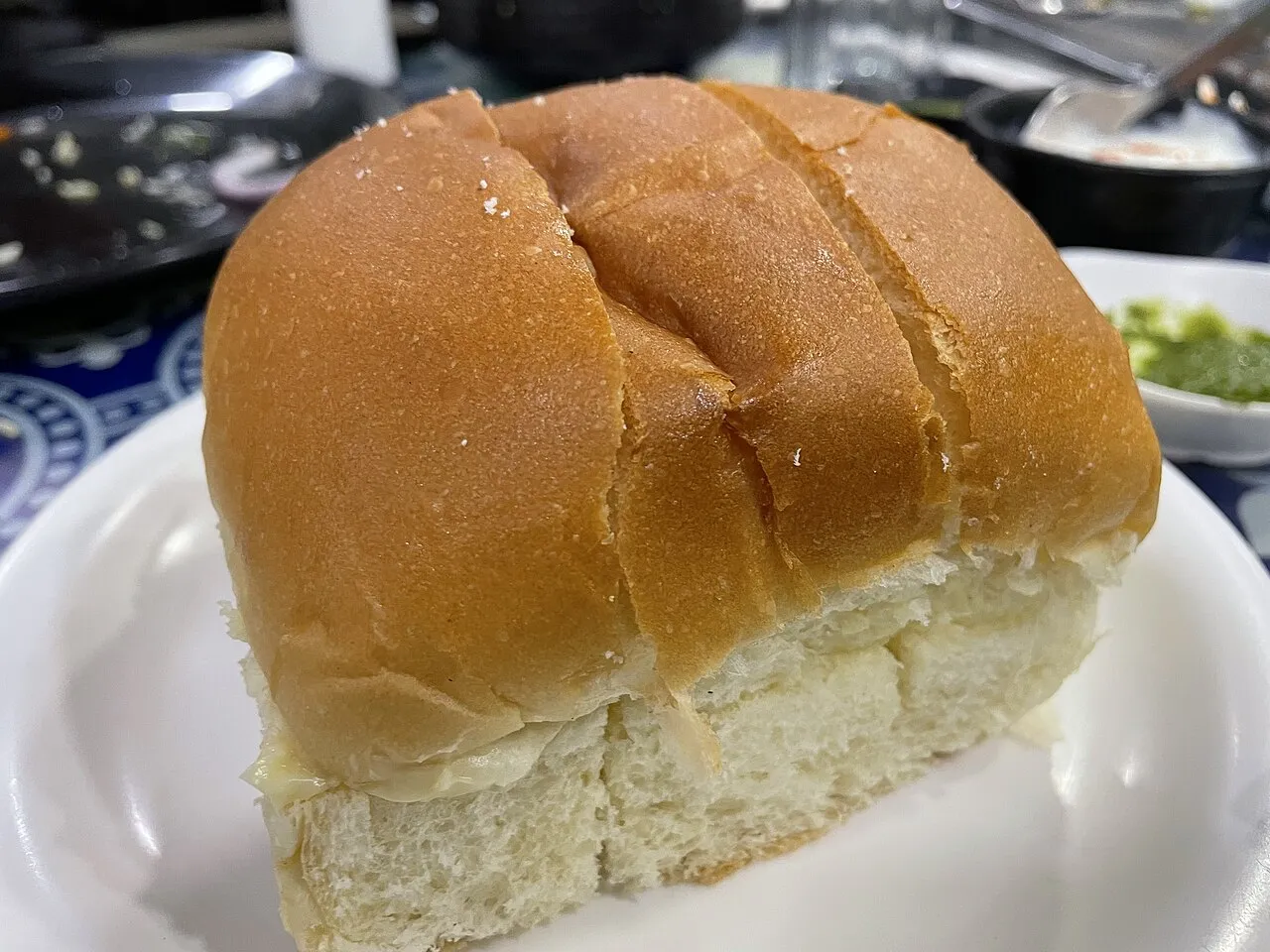
Akoori is a breakfast dish first. Minwalla's father, who grew up in a joint family on the outskirts of Hyderabad, remembered akoori among the kheema, bheja cutlets and gurda-kaleji of his childhood breakfasts.
Where can you eat akoori in Mumbai?
The press has written about akoori at Irani cafes and Parsi clubs. Here are those reports with the year of each, so check before you go.
- Kyani & Co.: the Free Press Journal's Parsi New Year 2018 list names it for akuri, and in a January 2018 TASTE piece, Nik Sharma watched college students there order plates of akuri with buttered bread and chai.
- Cafe Military: a Roads & Kingdoms writer ordered akuri there in 2016 and got turmeric-yellow eggs with chopped green chillies and a large side of thick-sliced bread.
- Parsi Gymkhana, Marine Drive: Homegrown in 2021 recommended the akuri on toast, made with plenty of ginger.
- Ripon Club: in December 2025 the Free Press Journal reported akuri on toast on the club's Monday menu.
Frequently asked questions
What is akuri made of?
Akuri, or akoori, is made of beaten eggs scrambled into onions cooked in ghee, butter or oil, usually with tomato, green chilli, turmeric, chilli powder and fresh coriander. Some cooks add garlic, ginger or black pepper. Families also make richer versions with potato, cashews and raisins, raw mango, dried Bombay duck or mutton.
What is the difference between akuri and bhurji?
Akuri and egg bhurji share most ingredients, but Parsi food writer Perzen Patel says akuri is made with ghee and kept creamy, while bhurji uses oil and is cooked longer until the egg turns firm. Shabnam Minwalla adds that Parsi akoori has an eggier flavour than regular bhurji. Akuri comes off the heat while still soft.
Is akuri runny?
Akuri should be a little runny. Chef Danesh Vakshoor describes ordinary akuri as a scrambled egg left a bit runny, and a Gulf News recipe says it should have a slightly wet texture. Take the pan off the flame before the eggs look dry, because they keep cooking in the pan's heat.
What do you eat akuri with?
Akuri is usually eaten with bread: buttered toast, thick slices of bread, crusty brun or warm pav spread with butter. Press reports have found akuri on toast at Mumbai clubs such as the Parsi Gymkhana and the Ripon Club. Chef Meherwan Irani also suggests eating it in a tortilla or with potato chips.
What is Bharuchi akuri?
Bharuchi akuri is a rich akuri linked to Bharuch in Gujarat, and most accounts cook it in a lot of ghee. They differ on the extras: Niloufer Ichaporia King mentions onions and raisins, Outlook Traveller fried potato slices, and the Bharuch home recipe Perzen Patel learnt uses cashews, raisins and crisp salli potato sticks.


