 PalV's Kasti
On this page
A quick akoori is a small batch: two eggs, two tablespoons of ghee, half an onion, some tomato and three ground spices, made in a small saucepan. The eggs themselves need very little time. In Perzen Patel's akoori for one, you stir the beaten eggs into the spiced onion and tomato over low heat and switch the flame off after about 30 seconds, while they are still only partly set, because they carry on cooking in the pan. Most of your time goes into softening the onion and cooking down the tomato. We could not find a written Parsi recipe that sets out a three-minute akoori, so treat "three-minute akoori" as a goal for the egg stage, not the whole job.
This method follows Perzen Patel's recipe "Making Akoori at home (for one)", published in her newsletter Beyond Butter Chicken in February 2022. For the full story of akuri, its family versions and how it differs from bhurji, see our main guide to Akoori.
શહેરેવર રોજ
Shehrevar Roj, Tir Mah · 1396 Y.Z.
How long does akoori take to make?
Less than you might think for the eggs, more for the base. Perzen Patel gives no total time, but her timing for the eggs is the useful part: roughly 30 seconds on low heat, then off the flame.
A second published version gives a clock. In June 2021 Gulf News published an akuri recipe from chef Sanjeev Singh Rawat, who was then cooking at Cafe Funkie Town, a Parsi cafe in Dubai's Jumeirah Lake Towers. It lists 10 minutes of preparation and 5 minutes of cooking for three eggs. That version also includes boiled, diced and lightly fried potato, which is extra work before you even light the stove. So if speed is the point, the smaller, potato-free recipe below is the one to follow.
What do you need for a quick akoori for one?
Perzen Patel's list, for one person:
- 2 large eggs
- Half a large onion, chopped fine (about 100 g)
- 200 g diced tomatoes, fresh or tinned
- ½ tsp turmeric powder
- ½ tsp chilli powder
- 1 tsp coriander-cumin powder
- 2 tbsp ghee (butter if you have no ghee)
- Salt to taste
- A handful of chopped coriander leaves
- Optional: grated cheese and warm toasted bread
How do you make quick akoori, step by step?
- Heat the ghee in a small saucepan. Cook the onion in it until it turns soft and see-through.
- Add the turmeric, chilli and coriander-cumin powders. Keep stirring until the ghee has taken them up and the raw spice smell has gone.
- Add the tomatoes. Fresh ones need a higher flame until they go soft. Tinned ones only need medium heat until everything comes together.
- In a separate bowl, beat the eggs with the salt.
- Lower the heat. Pour the eggs slowly into the pan, stirring the whole time.
- After about 30 seconds, while the eggs are only partly set, switch off the flame. They will finish cooking on their own.
- Scatter the coriander on top, add grated cheese if you like it, and eat with warm crusty bread.
Which shortcuts do the published recipes allow?
Two, and both come from Perzen Patel herself. Tinned diced tomatoes are allowed, and they skip the high-heat stage that fresh tomatoes need. Butter may stand in for ghee, though she says she would still go looking for ghee, because she calls it a core ingredient for the dish to taste its best.
Her preference for ghee ties in with how she tells akoori and bhurji apart. Perzen writes that the main difference is fat and texture: akoori uses ghee and comes out creamier, bhurji uses oil and is often cooked further, until the egg is firm.
Why is my akoori dry?
The likeliest reason is that it stayed on the heat too long. Every source we read agrees that akuri should be soft. Perzen warns that overcooked eggs "turn hard", which is why she cuts the flame at the half-set stage. Chef Sanjeev Singh Rawat's instruction in Gulf News is to take the pan off before the eggs start to look dry, since akuri is meant to be slightly wet. And Danesh Vakshoor, writing in the Asian Age in 2017 as Chef de Cuisine at SodaBottleOpenerWala, described plain akuri as scrambled egg that is kept slightly runny.
So if the eggs look done in the pan, you have probably gone too far. Pull them while they still look a little underdone.
What do you eat quick akuri with?
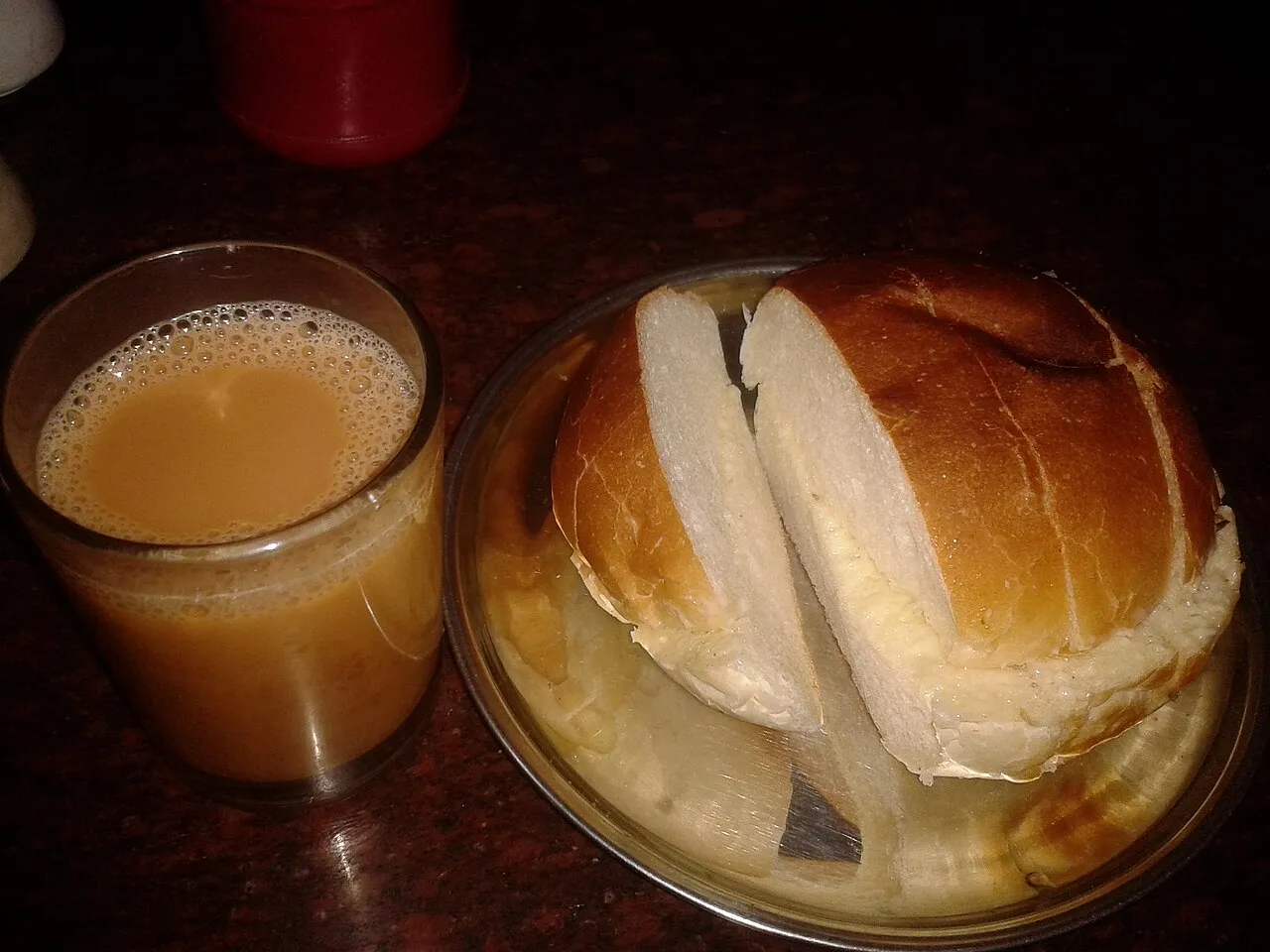
Bread, in both recipes. Perzen Patel serves hers with warm crusty bread. Gulf News suggests warm pav spread generously with butter, as bun maska. Grated cheese is her optional garnish, and if you want to take that further, our post on Akoori with ham and cheese builds on the same base. For how akuri fits among the many other egg dishes on the Parsi table, read Eggs in Parsi cuisine.
Frequently asked questions
How long does akuri take?
The egg stage is short. In Perzen Patel's akoori for one, the beaten eggs go into the spiced onion and tomato on low heat, and the flame goes off after about 30 seconds. The Gulf News version from chef Sanjeev Singh Rawat lists 10 minutes of preparation and 5 minutes of cooking for three eggs.
Why is my akuri dry?
It has most likely been cooked too long. Akuri is meant to be soft and slightly wet, not firm. Perzen Patel turns the flame off while the eggs are only partly set, because they keep cooking in the hot pan. Chef Sanjeev Singh Rawat takes the pan off before the eggs start to look dry.
Can I make akoori with butter instead of ghee?
Yes. Perzen Patel says to use butter if you can't find ghee, though she still recommends finding ghee, which she calls a core ingredient for the dish to taste its best. She also names ghee as one of the things that separates creamy akoori from bhurji, which is usually made with oil.
How many eggs do you need for akoori for one?
Two large eggs, in Perzen Patel's recipe for one person. She pairs them with half a large onion, 200 g of diced tomatoes, two tablespoons of ghee and three ground spices. The Gulf News recipe from chef Sanjeev Singh Rawat uses three large eggs, plus diced fried potato.


