 PalV's Kasti
On this page
The batasa began in Surat as a way of selling bread nobody wanted. According to the Dotivala family, who run Surat's Dotivala Bakers & Confectioners, departing Dutch traders left their bread ovens to an ancestor, Faramji Pestonji Dotivala. Bread raised with toddy did not go mouldy when it went unsold. It simply dried out. People bought the dry loaves cheaply, local doctors recommended them to the sick, and later more fat went into the dough for patients getting their strength back. That richer biscuit became the batasa. From Surat it moved into Parsi homes as a biscuit for dunking in strong morning tea. Nobody agrees on the date: the family's own accounts range from "the early 1800s" to 1861, and cookbook author Niloufer Mavalvala places the Dutch handover in the 1700s.
શહેરેવર રોજ
Shehrevar Roj, Tir Mah · 1396 Y.Z.
Who invented the batasa?
Every written account we could find credits Faramji Pestonji Dotivala, and each one either comes from his descendants or matches what they say. The bakery's website says the Dutch had a warehouse on Dutch Road in Surat where five Parsi men baked bread, and that the ovens went to Faramji when the Dutch left India.
In a question-and-answer interview published on ParsiCuisine.com, the family puts it plainly: their forefathers invented the tea-time biscuit known as batasa. Jamshed Peshotan Dotivala is named there as the fifth owner in line, and his son Cyrus as the sixth.
We could not find an independent record, Dutch or Indian, that names Faramji or dates his first batasa. So this is the family's story, retold by cookbook writers and journalists. That doesn't make it wrong. It means it should be read as a bakery's own history. For the bakery itself, its branches and its other biscuits, see our piece on Dotivala Bakery.
When was the batasa invented?
There is no agreed year. Four accounts give four answers, and none of them is a dated record of the first batch:
| Who says it | Where | What they say |
|---|---|---|
| Niloufer Mavalvala, from her book The Art of Parsi Cooking | The Better India, January 2020 | The Dutch left Surat in the 1700s and a bakery passed to Faramji Dotivala |
| The Dotivala family | Family interview, ParsiCuisine.com | Faramji joined the Dutch bakery in the early 1800s |
| Cyrus Dotivala | SBS Hindi, May 2019 | A Dutch merchant he names as Pieter Venden Broecke set up the warehouse in 1620; "our bakery started in 1861" |
| Dotivala Bakers & Confectioners | Bakery website | Exact year of inception unknown; trading from the present premises since 1861 |
The one date two family sources share is 1861, and the website is careful to say it marks the current premises, not the invention. If you want one honest answer, it is this: the batasa came out of the Dotivala ovens some time after the Dutch handed them over, and the family itself does not know the year.
How did stale toddy bread turn into a butter biscuit?
The bakery's website and the family interview tell the same sequence, with small differences in detail:
- As business went slack, loaves were left unsold.
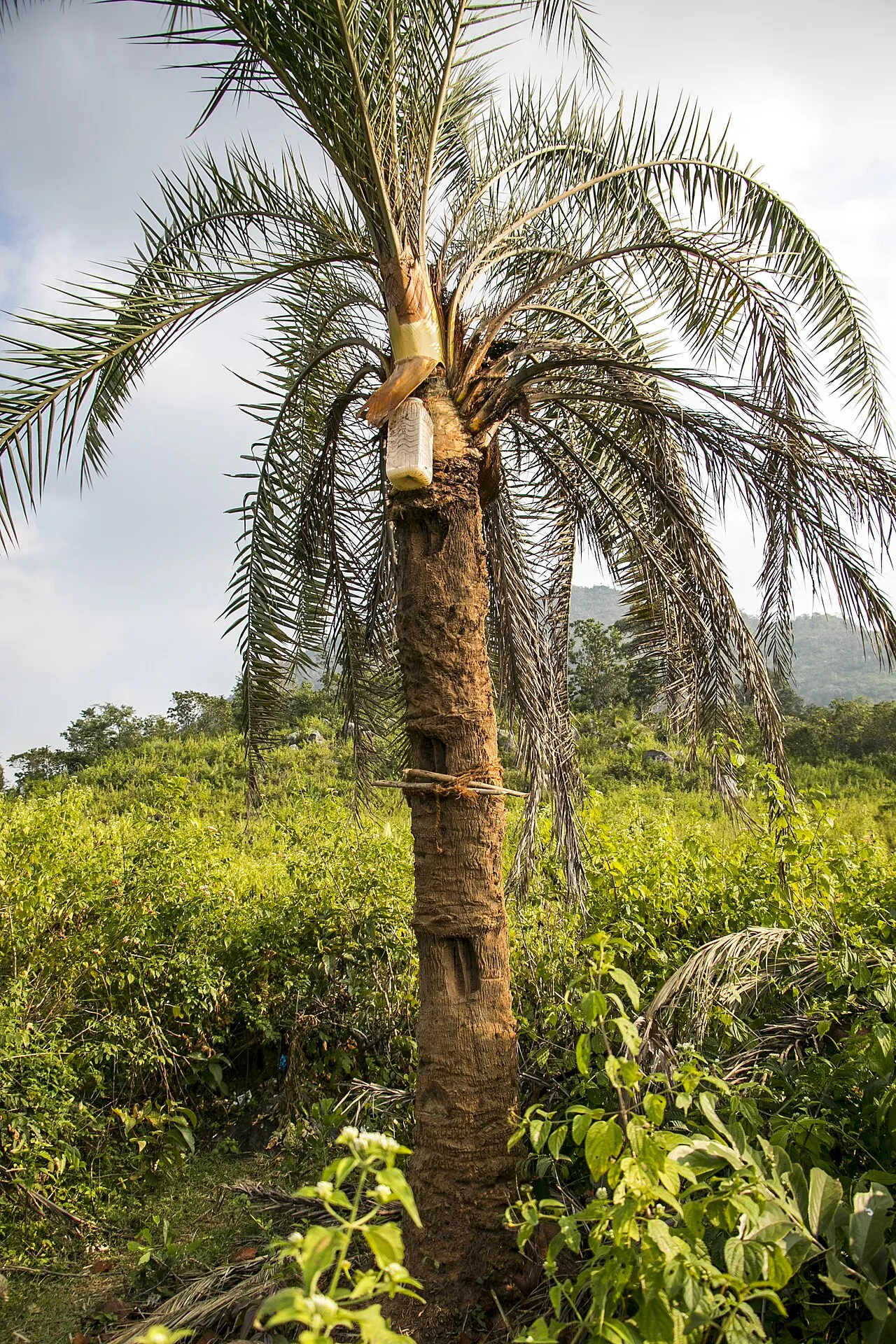
- The dough had been fermented with toddy, the sap of the palm. The family says this kept the bread from spoiling. It lost moisture instead.
- The dry bread sold cheaply and caught on because it was light and crisp.
- Doctors recommended it to patients because it was easy to digest. Demand grew, so the bakery began drying bread in the oven on purpose and shaping it differently. That product is still sold as the Irani biscuit, which SBS also calls the sada biscuit.
- Once patients recovered, doctors advised biscuits with fat in them. The bakery added much more shortening, which in those days meant pure ghee, and the result was the batasa.
The family interview says Faramji also added caraway seeds for flavour. SBS, for its part, says the Dotivalas gave the plain sada biscuit their own touch with cumin. Mavalvala's version adds a step at the start: the leftover loaves were first handed out to the local poor before doctors took them up, and the first batasa was a bread-turned-biscuit of only toddy, flour and water, which later grew richer with butter or ghee.
Why "Surti"? Because Surat is where every one of these accounts places its birth, and Dotivala still sells it as "Farmasu Surti Batasa", or butter biscuits.
Did the Dutch really give Parsis the batasa?
The Dutch link is about the ovens and the trade, not a known Dutch recipe. Mavalvala sums up the colonial borrowings in Parsi food in one line on the ckbk cookbook platform: the Portuguese brought vinegar, the British custards, and the Dutch the biscuits Parsis call batasas.
A 2021 Deccan Herald feature goes further and names the Dutch koekje as the inspiration for Faramji's batasa. We treat that as the newspaper's view. None of the family accounts we read mentions the koekje. Their story is about bread that dried out, not a Dutch biscuit copied in Surat.
How did the batasa change after Independence?
Toddy went first. When prohibition came to Gujarat after Independence, toddy was banned because it is alcoholic, and the bakery switched to a ferment made from hops and potatoes. By its own account on its website, that did the job of fermentation but lost the taste and texture toddy gave.
The fat changed too. According to the family interview, pure ghee was the shortening for about a century after Faramji made the first batasas, until the trade moved to vanaspati. A Dotivala grand-uncle held out, selling ghee biscuits at vanaspati prices and taking losses while competitors made money, until his brothers talked him round.
How did the batasa become a Parsi favourite?
Through the morning cup of tea. Writing in The Cook's Cook, Mavalvala lists batasa, a savoury butter biscuit, among the tea-time treats Parsis dunk into strong tea, alongside nankhatai and kumas.

It also spread beyond Surat. The Better India, writing about Mavalvala's book, reports that Surat, Navsari and Pune all became batasa strongholds, each with its own claim on where the biscuit began, and that batasas can still be found in Irani tea houses in Mumbai and Pune, though fewer than before. Meher Mirza, in her G5A essay on Parsi food, says some of the finest Parsi biscuits are still found at Dotivala in Surat. And the shape has stayed round, which Mavalvala traces back to the original dried buns.
If you want to know what a batasa tastes like today, how it differs from nankhatai and how to bake one at home, our guide to the Batasa biscuit covers all of that.
Frequently asked questions
Who invented batasa?
The Dotivala family of Surat says their ancestor Faramji Pestonji Dotivala invented it after taking over ovens left by Dutch bakers. Cookbook author Niloufer Mavalvala tells the same story. We found no independent record that confirms it, so the credit rests on the bakery family's own account, retold by writers.
When was batasa invented?
Nobody knows the year. Niloufer Mavalvala places the Dutch handover in the 1700s, a Dotivala family interview says Faramji joined the Dutch bakery in the early 1800s, and Cyrus Dotivala told SBS the bakery started in 1861. The bakery's website says the exact year is unknown and 1861 marks its present premises.
Is batasa a Dutch biscuit?
Not in the family's telling. The Dotivalas say Dutch traders left them the ovens, and the batasa grew out of their own dried toddy bread. Niloufer Mavalvala credits the Dutch with introducing the biscuits Parsis call batasas, and a 2021 Deccan Herald feature names the Dutch koekje as the inspiration.
Was batasa first made with toddy?
Yes, according to the Dotivala family and Niloufer Mavalvala. Bread dough in Surat was fermented with toddy, palm sap, which let unsold loaves dry rather than spoil. Mavalvala says the earliest batasa used only toddy, flour and water. After prohibition in Gujarat, Dotivala switched to a hops and potato ferment and says the old taste was lost.
Did doctors really recommend batasa?
That is the bakery's account. Dotivala says doctors recommended the plain dried bread to the sick because it digested easily, then advised biscuits with fat once patients recovered. That richer biscuit became the batasa. Mavalvala also describes the dried bread as food for convalescents. We found no medical record of it.


