 PalV's Kasti
On this page
Beyond the omelette, a classic Parsi way with eggs is "per eedu": a cooked base, usually a vegetable, with eggs broken or poured over it and set on a low flame. Potatoes, tomatoes, spinach, okra, banana, drumstick flowers, potato wafers, khari biscuits and even cream all get this treatment. Eggs also go onto spiced mince as kheema per eedu, get scrambled into kheema as ghotala, and turn sweet in eeda pak and the baked lagan nu custard served at weddings. If you came looking for the omelette itself, our guide to Parsi poro covers it, and Akoori has its own post too. This one is about everything else.
શહેરેવર રોજ
Shehrevar Roj, Tir Mah · 1396 Y.Z.
What does "per eedu" mean?
Eedu (also written eeda or edu) means egg. Caterer and food writer Perzen Patel translates "per eedu" as "egg on top". A Food52 essay on Parsi eggs gives the longer family name, kasa par eeda, which it renders as eggs cooked on something. Par or per, it's the same word, and spellings drift from one writer to the next.
The method is simple. You cook the base first, spread it in a pan, then add the eggs and cover it so they set gently. Cookbook author Niloufer Mavalvala, writing in The Cook's Cook, says the eggs go on in one of two ways: beaten well and poured over, like a frittata, or cracked in whole and left sunny side up. In her account it is the first course at lunch, after akuri or pora pao at breakfast.
Which vegetables do Parsis cook eggs on?
Mavalvala names bheeda (okra), papayta (potatoes), bhoji (spinach), tamota (tomatoes), turyu (zucchini) and kothmir kanda, which is onions with coriander, as per eedu bases. She is clear these are only a few of them.
Others turn up in other writers' kitchens:
- Bhindi, kera and tamater par eedu. Writing in Outlook Traveller, Shabnam Minwalla describes okra, banana or tomato covered with egg and cooked slowly.
- Sekta ni singh na phool par eeda, eggs on drumstick flowers. Minwalla mentions it, and Niloufer Ichaporia King's My Bombay Kitchen has an akuri made with the same flowers.
- Mango per eedu, from Perzen Patel's list.
- Spinach, aubergine, French beans, sweet potato and zucchini, all named in the Food52 essay.
Potatoes and tomatoes each give a dish its name: papeta per eedu and tamota par eedu.
Why put an egg on a vegetable at all? Minwalla notes that plenty of Parsis say it is the only way they can digest their vegetables. A 2016 piece in The News Minute on Chennai's Parsis puts it the other way round: vegetables are mostly there to dress up the egg. Mavalvala's explanation is more practical. In the joint-family households she writes about, with a dozen mouths to feed, the day's menu was decided by the eggs available and which seasonal vegetables had arrived.
What else do Parsis put eggs on?
Not everything under the egg is a vegetable. A few bases that surprise people outside the community:
- Wafer per eedu. Potato chips warmed in a spiced pan, eggs poured over, lid on. Perzen Patel says she makes it the day after a party, to use up the half-finished bags of chips.
- Khari biscot par eeda. Flaky khari biscuits with eggs cooked slowly on top, per Minwalla. The Food52 essay also mentions eggs strewn over biscuits.
- Malai per eedu. Eggs cooked on clotted cream. Patel names it, and Food52 talks of eggs served over generous amounts of cream.
- Salli per eedu. Patel describes it as spiced tomato and potato crisps on eggs. Mumbai's Ripon Club lists salli par edu on its Tuesday menu, according to a Free Press Journal visit in December 2025.
How do Parsis cook eggs with kheema?
Mince and eggs meet in two ways. In kheema per eedu, the spiced mince is the base and the eggs set on top. One of Perzen Patel's clients told her he remembered eating it at Kayani cafe. In kheema ghotala, the egg is scrambled straight into the kheema with masalas, and Minwalla calls the result spicy and springy.
The News Minute's 2016 piece on Chennai's Parsis describes one more: a sali per edu cupcake, baked egg cups layered with kheema and finished with potato straws.
Which egg dishes appear at a Parsi wedding?
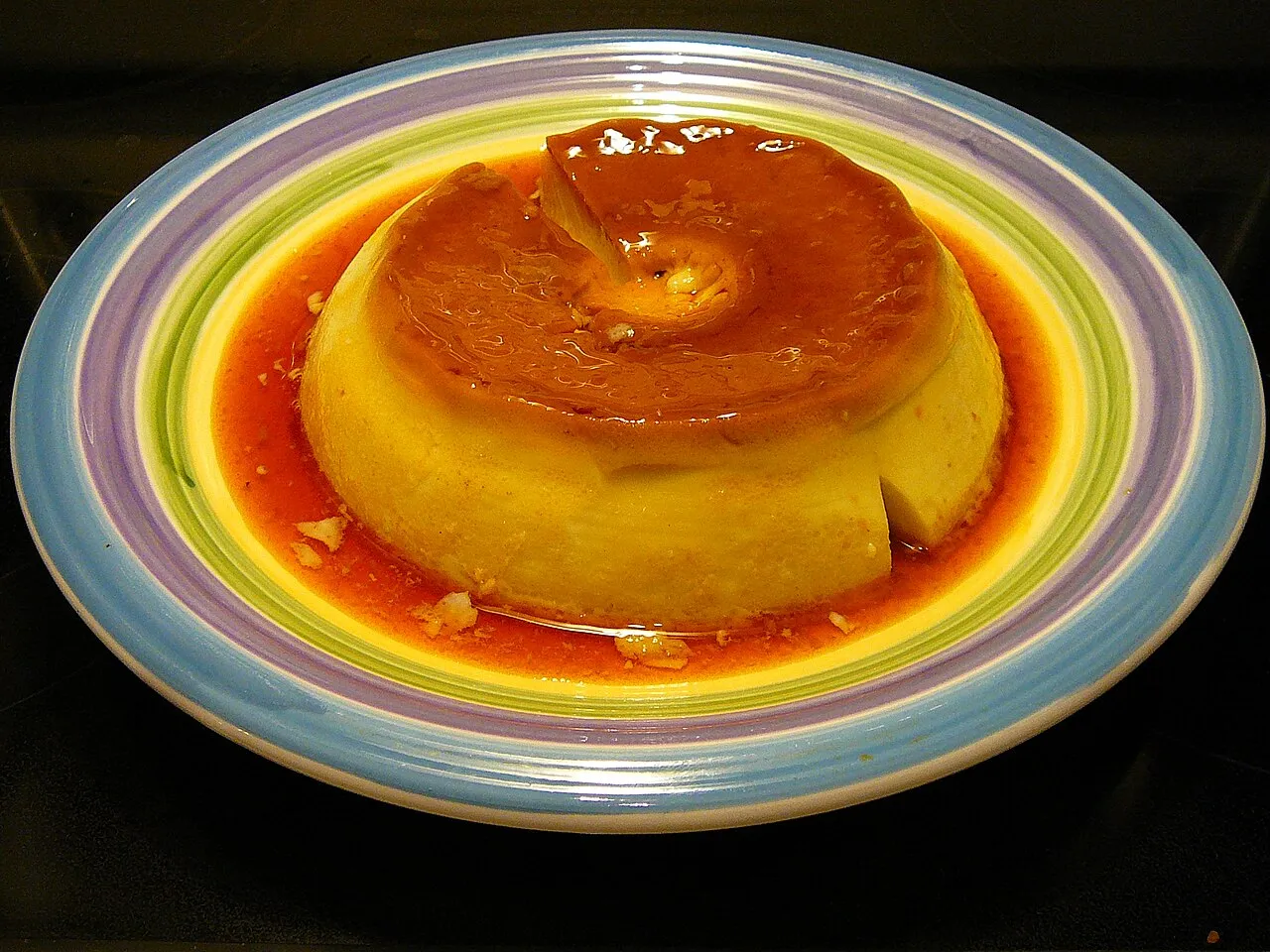
The best known is lagan nu custard, a baked egg custard. Food52 says it's often served at weddings, and Minwalla, describing the wedding patra in Outlook Traveller, calls it dense enough to slice rather than scoop. She also notes that many hosts add an extra egg dish to the patra, usually fried eggs on a thin layer of potato or tomato. That is per eedu again, dressed for a lagan.
Perzen Patel adds one more wedding habit: if a child won't eat what the banquet offers, the caterer may come by and offer to bring eggs instead.
Are there sweet Parsi egg dishes?
Yes. Eeda pak is the big one. Mavalvala calls it a soft, sticky halva you can spread, made in winter to strengthen the chest. Patel calls it a winter egg fudge made with 25 egg yolks. Lagan nu custard, above, is the other.
Mavalvala also remembers egg-flip, a drink of milk, egg and brandy. And in savoury cooking, the Food52 essay names two more: eggs blended into saas, the white sauce poured over pomfret, and eggs wrapped in spicy green chutney to make egg-chutney patties.
Where do the omelette and akoori fit in?
They're the breakfast end of the same habit. Mavalvala describes akuri as vegetables cooked and then scrambled with egg, and pora pao as an omelette made with the same things, with those same ingredients going in raw. Minwalla gives the basic akoori as egg scrambled with onion, green chillies, tomato, garlic and kothmir. The full story of the omelette is in our Parsi poro guide. For the bite-sized version, see Baby Parsi poro. And Akoori has its own page.
Frequently asked questions
What is per eedu?
Per eedu means "egg on top". It is a Parsi way of cooking where a base, usually a vegetable such as potato, tomato, spinach or okra, is cooked first and eggs are then poured or broken over it. The pan is covered and the eggs set gently. It is also spelt par eedu, per eeda or par edu.
What are the main Parsi egg dishes?
Breakfast brings akoori (spiced scrambled eggs) and poro (the Parsi omelette). Then come the per eedu dishes, eggs set on potatoes, tomatoes, okra, wafers or mince. There is also kheema ghotala, where egg is scrambled into mince, and two sweet ones: eeda pak, a winter egg halva, and lagan nu custard, served at weddings.
What is eeda pak?
Eeda pak is a sweet Parsi egg halva made in winter. Cookbook author Niloufer Mavalvala describes it as soft, sticky and spreadable, eaten to strengthen the chest in the cold months. Food writer and caterer Perzen Patel calls it a winter egg fudge and says it is made with 25 egg yolks.
What is the difference between akoori and per eedu?
In akoori the eggs are scrambled together with onion, green chilli, tomato, garlic and coriander. In per eedu the eggs are not mixed in. The base is cooked separately and spread in the pan, then the eggs go on top, either beaten or whole, and set undisturbed under a lid on a low flame.
What is salli par eedu?
Salli par eedu is eggs cooked over salli, which are potato crisps. Perzen Patel served it in the early days of her catering business and describes it as spiced tomato and potato crisps on eggs. Mumbai's Ripon Club serves salli par edu on Tuesdays, according to a Free Press Journal report from December 2025.


