 PalV's Kasti
On this page
- What are the parts of a dar ni pori?
- Which dal is used in dar ni pori?
- Dar ni pori recipe: ingredients
- How do you make dar ni pori step by step?
- How do you shape a traditional round pori?
- Can you make dar ni pori with puff pastry?
- How long does dar ni pori keep, and how should you serve it?
- Frequently asked questions
To make dar ni pori at home, you cook a sweet lentil filling (the daar) and wrap it in a ghee pastry (the pur). Lentils are soaked overnight, boiled soft, blended with sugar and ghee, dried down to a thick paste, then scented with rosewater, cardamom, nutmeg, saffron and chopped nuts. The pastry is rolled in two layers with a ghee-and-flour paste called maan between them, folded over the filling and baked until it is barely coloured. Plan for two days, because the filling has to chill overnight. This method follows Niloufer Mavalvala's recipe in The Cook's Cook, with notes from her shorter puff-pastry version in FEZANA's 2012 cookbook and from Rita Jamshed Kapadia's recipe on ParsiCuisine.com.
If you want the story behind the sweet first, what the name means and why it travels from the bride's home to the groom's, read our explainer on Dar ni pori. This page is only about the cooking.
શહેરેવર રોજ
Shehrevar Roj, Tir Mah · 1396 Y.Z.
What are the parts of a dar ni pori?
Mavalvala splits the work into two parts. The daar is the sweet lentil filling. The pur is the outer pastry, and it has two components of its own: a short dough made with flour, semolina and ghee, and the maan, a soft paste of ghee cooked with flour that is spread between the dough layers before the pastry is rolled out again.
Which dal is used in dar ni pori?
Published Parsi recipes do not agree. Mavalvala's recipe in The Cook's Cook uses chana dal (split Bengal gram). Her own earlier version in FEZANA's 2012 cookbook, Eat, Live, Pray, calls for "non-oily" toover dal, and Rita Jamshed Kapadia's recipe on ParsiCuisine.com also uses toor (tuver, pigeon pea). Both work, so follow the dal your family uses. If you buy toor dal, choose the unoiled kind, as the FEZANA recipe specifies.
Dar ni pori recipe: ingredients
These quantities are from Mavalvala's recipe in The Cook's Cook. They make two pastries, each baked in an 18 cm (7-inch) round foil tray. Cup and spoon measures are hers, and so are the millilitre figures in brackets.
For the daar (filling)
- Chana dal: 1¼ cups (296 ml)
- Sea salt: 1 teaspoon
- Sugar: ¾ cup (177 ml)
- Ghee: 1 tablespoon
- Rosewater: 2 tablespoons
- Candied orange peel: 1 tablespoon
- Almonds, blanched and chopped: 1 tablespoon
- Pistachios, unsalted and chopped: 1 tablespoon
- Charoli, chopped: 1 tablespoon (leave out if you cannot find it)
- Vanilla extract: ½ teaspoon
- Cardamom powder: ½ teaspoon
- Saffron, crushed: ¼ teaspoon
- Nutmeg, freshly grated: ¼ teaspoon
For the pur (dough)
- Maida (all-purpose flour), sifted: ¾ cup (177 ml)
- Fine semolina: ¼ cup (60 ml)
- Salt: 1 teaspoon
- Ghee: ⅓ cup (78 ml)
- Rosewater: ¼ cup (60 ml)
For the maan and to finish
- Ghee: ¼ cup (60 ml), plus a little for greasing the trays
- Maida: ¼ cup (60 ml), with extra on hand
- Slivered almonds, pistachios and edible rose petals to garnish
How do you make dar ni pori step by step?
- Day one, soak. Wash the chana dal and leave it to soak overnight.
- Day two, cook the dal. Rinse it, then boil it in 2 cups (473 ml) of water with the sea salt for about an hour in a deep pot. Skim off the foam as it rises.
- Sweeten and blend. Take the pot off the heat, stir in the sugar and the tablespoon of ghee until the sugar dissolves, then blend to a smooth purée with a hand blender.
- Dry it down. Put the pot back on the stove and keep stirring until the water has cooked off. Stop while it is still soft enough to scoop, because it firms up as it cools. Mix in the rosewater, orange peel, nuts, vanilla and spices, check the sugar and salt, and refrigerate overnight.
- Day three, make the dough. Mix the flour, semolina and salt. Rub in the ghee with your fingertips until it looks like crumbs, then add the rosewater and bring it into a smooth, soft dough. Cover with a cloth and rest it for 20 minutes.
- Make the maan. Melt the ghee in a small pan, add the flour and stir over medium heat for about 3 minutes, until you have a thin, smooth paste. Let it cool and thicken just enough to spread, and split it in half.
- Layer the pastry. Grease two trays and cut the dough into four. On parchment, roll two pieces into 15 cm (6-inch) rounds. Spread most of one half of the maan over one round, keeping back about a teaspoon. Lay the second round on top and roll the pair out to 23 cm (9 inches). Spread the reserved maan over the top.
- Fill and fold. Ease the pastry into a tray so it hangs evenly over the edge, without pressing it down. Spoon in half the chilled filling, then fold the overhang up over the lentils in loose pleats and scatter slivered almonds on top. Repeat with the rest of the dough, maan and filling.
- Bake. Bake at 190°C (375°F) for about 35 minutes, until light golden. Finish with pistachios and rose petals and serve warm.
Mavalvala warns against overbaking. The pastry should come out with only a soft pink tint, so start checking a few minutes early. She also says butter can stand in for ghee.
How do you shape a traditional round pori?
The steps above give Mavalvala's open, pleated version, which she calls a daar ni potli (a money-bag) and compares to an Italian crostata. It holds more filling and bakes crisper than the old pori. For the familiar closed disc, she says to draw all of the overhang into the middle, seal the edges together, and press down lightly with your palm until the pastry is an even, flat round. It should look like a thick stuffed rotli.
Can you make dar ni pori with puff pastry?
Yes, and two published Parsi recipes do. In FEZANA's 2012 book Eat, Live, Pray, Mavalvala's dar ni pori uses one packet of ready-made puff pastry. She cooks 2 cups of toover dal until soft, stirs in 6 tablespoons of sugar and 2 tablespoons of ghee over low heat until thick, and adds nuts, charoli, cardamom, nutmeg, rosewater, vanilla and candied peel once it is just warm. The puff pastry is rolled into a large circle, set in a greased 20 to 23 cm springform tin, filled, pinched shut and baked at 200°C (400°F) for 25 to 30 minutes. That makes one large pori.
Rita Jamshed Kapadia's version on ParsiCuisine.com also uses bought puff pastry sheets, with a toor dal filling softened in a pressure cooker on the lowest heat for 20 minutes. She bakes hers at 350°F (about 175°C) for only 5 to 10 minutes and warns that a dark brown crust is not what you want.
Before home ovens, Mavalvala writes, each pori was cooked by hand on a cast-iron tavo over a low flame. We tell that story in our explainer on Dar ni pori. We found no named tavo recipe with quantities, so we do not give one here.
How long does dar ni pori keep, and how should you serve it?
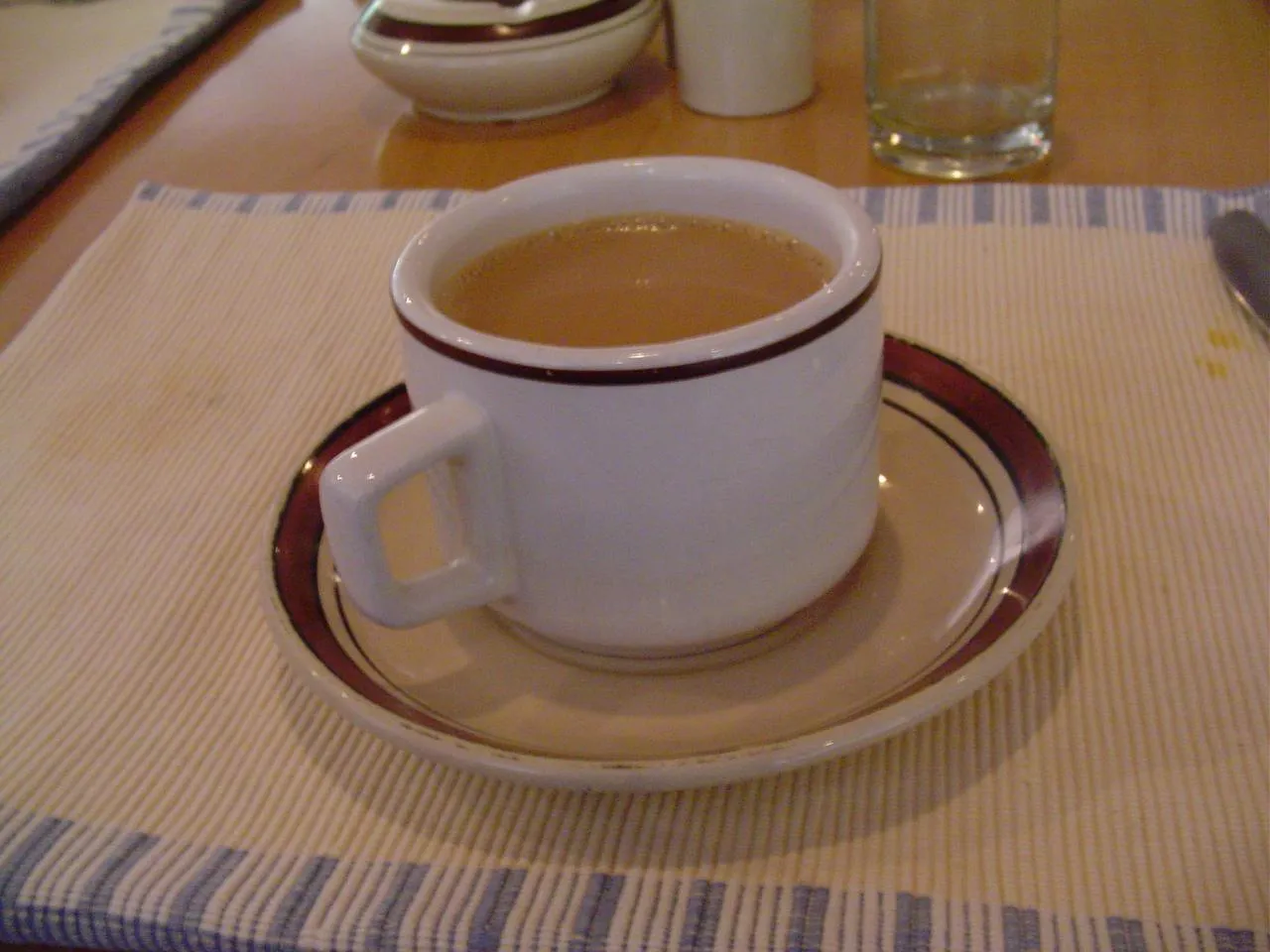
The filling is the part to make ahead. Mavalvala says the daar can be cooked up to three days in advance and that it freezes well. Kapadia says hers can be cooked a day before you assemble. Once baked, a pori is best eaten fresh and warm. To warm one up, Mavalvala uses the oven or a hot skillet and advises against the microwave. She serves it with Parsi choi, strong tea brewed with lemongrass, fresh mint, milk and sugar. For more of the community's tea-time and festive sweets, see our guide to Parsi sweets.
Frequently asked questions
Which dal is used in dar ni pori?
Both chana dal and toor dal are used. Niloufer Mavalvala's recipe in The Cook's Cook takes chana dal (split Bengal gram), while her 2012 FEZANA recipe and Rita Jamshed Kapadia's ParsiCuisine.com recipe use toor, also called tuver or pigeon pea. FEZANA specifies the non-oily kind of toor dal. Use whichever your family prefers.
Can you make dar ni pori with puff pastry?
Yes. Niloufer Mavalvala's dar ni pori in FEZANA's 2012 book Eat, Live, Pray uses one packet of ready-made puff pastry around a toor dal filling, baked in a springform tin at 200°C for 25 to 30 minutes. Rita Jamshed Kapadia's ParsiCuisine.com recipe also uses bought puff pastry sheets, baked briefly until light brown, never dark.
How long does dar ni pori keep?
The lentil filling keeps longest. Niloufer Mavalvala says it can be made up to three days ahead and frozen, and Rita Jamshed Kapadia says hers can be cooked a day early. The baked pori is best eaten the same day while warm. Reheat it in the oven or in a hot skillet rather than the microwave, as Mavalvala advises.
What is maan in dar ni pori?
Maan is a paste of ghee and flour cooked together for about three minutes until smooth and thin. In Niloufer Mavalvala's recipe it is spread between two rolled rounds of dough, which are then rolled out again together, with a little more maan brushed on top.
Why does dar ni pori take two days to make?
The dal has to soak overnight before it is cooked, and the finished filling then needs to chill overnight so it firms up enough to hold its shape inside the pastry. Niloufer Mavalvala tells cooks to start her recipe two days before baking.


