 PalV's Kasti
On this page
Dar ni pori is a Parsi sweet: a round pastry, thick like a stuffed rotli, filled with lentils cooked down with sugar, ghee, nuts and spice. It belongs to happy occasions. Cooks record the bride's family sending poris to the groom's family at a wedding, and Rita Jamshed Kapadia writes that they are sent and eaten on Ava roj and in Ava mahino. Cookbook author Niloufer Mavalvala reads deep meaning into it. The round shape stands for the earth, the crisp outside and soft inside for the physical and spiritual worlds, and the lentil and crust, each incomplete alone, for partnership. That reading is hers alone. The customs around the sweet are better recorded, and we set out both below.
શહેરેવર રોજ
Shehrevar Roj, Tir Mah · 1396 Y.Z.
What is dar ni pori made of?
Two parts. The filling, the "dar" or "daar", is split lentils boiled soft, sweetened with sugar and ghee, blended smooth and cooked until dry. In Mavalvala's recipe, almonds, pistachios, charoli, cardamom, nutmeg, rosewater and candied peel are stirred in once the water has cooked off. The casing is called the pur, and Mavalvala describes it as a dough plus a "maan", a cooked paste of ghee and flour spread between rolled layers so the crust flakes.
Which lentil depends on whose recipe you follow. Mavalvala's recipe on The Cook's Cook uses chana dal. Her own 2012 version in a FEZANA cookbook uses toor dal, and so does Rita Jamshed Kapadia of ParsiCuisine.com. The traditional crust is wheat flour, though Mavalvala notes rice flour and semolina can go in, and butter can stand in for ghee. Both the FEZANA version and Kapadia's use bought puff pastry as a shortcut. For quantities and the full method, see our Dar ni pori recipe.
What does dar ni pori symbolise for Parsis?
The clearest written account of the symbolism comes from Niloufer Mavalvala, a Karachi-born author of four Parsi cookbooks, in her essay "Daar ni Pori – A Story of a Bygone Era". Her reading runs like this.
- The circle is the earth.
- The hard outer shell and soft inner layer stand for the outer and inner worlds, which she names as the physical and the spiritual.
- Lentil and crust together are a picture of partnership. Eaten separately, each tastes unfinished. Together they work, and she calls this a symbol of partnership.
- The gift itself she reads as a picture of the marriage, two families and two worlds, physical and spiritual, coming together.
We found no second written source setting out this symbolism, so treat it as one respected cook's interpretation rather than a fixed teaching.
Why is dar ni pori sent at Parsi weddings and on Ava roj?
Two Parsi cooks describe the same wedding custom: the bride's family prepares dar ni pori and sends it to the bridegroom's family. They differ on the count. Mavalvala writes that seven poris were usually gifted, seven being an auspicious number, and often more, since joint families were large. Kapadia gives the number as five to seven. Mavalvala adds a story she labels legend: the mother-in-law would ask who exactly had made the poris, to judge the future daughter-in-law's cooking.
The second occasion is Ava. Kapadia writes that poris are sent and eaten on Ava roj and in Ava mahino, a time when devout Parsis go to the sea, or any water, to pray and honour the water that sustains the body. Dara M Khodaiji, remembering his grandmother's kitchen in Parsi Times in 2016, recalls that Ava mahino brought "several bouts" of dar ni pori. If you are planning sweets for Navroz as well, our page on Parsi New Year food covers that table.
Practice varies between families and Agiaries; your family priest's guidance comes first.
Why is it called pori, and is it the same as puran poli?
Mavalvala says the sweet was first called "poli", which she glosses as hollow, and that the word drifted over time to "pori", an affectionate word for a sweet girl. Kapadia makes the same pun: in Gujarati, she notes, pori also means girl. You will see it spelt dar ni pori, daar ni pori, dal ni pori and daar ni poli, and Kapadia also lists the name Parsi puran poli.
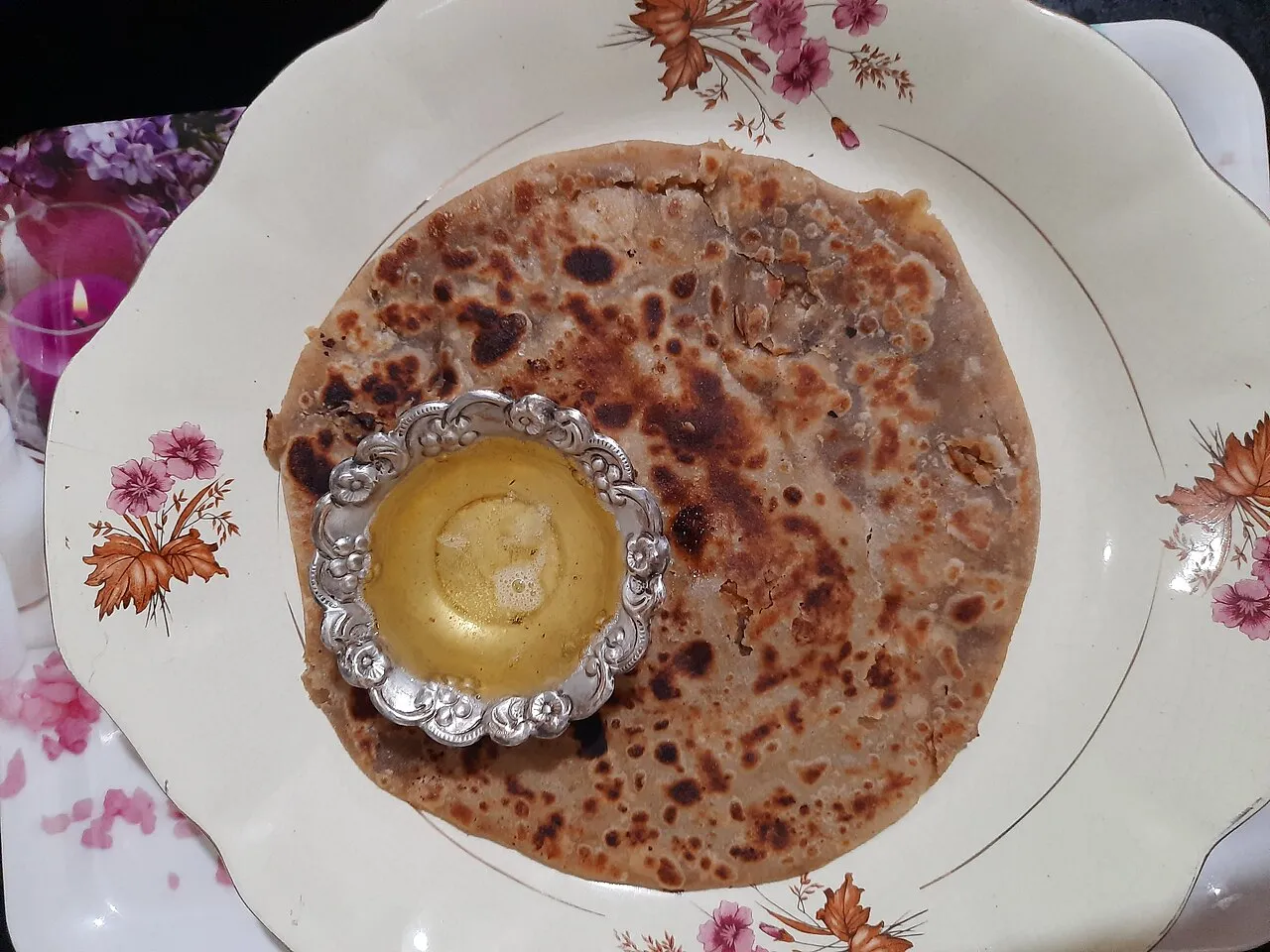
Food writer Meher Mirza, writing for G5A, places it among the dishes Parsis took from the cooking of Maharashtra and Goa, and calls it a "(fattened) cousin" of puran poli.
Where did dar ni pori come from?
No source we found gives a date or a place of origin. Mavalvala's view is that the sweet joins two inheritances: the halwa of the Persian ancestors and the puran that Indian hosts served at their festivals. Mirza's "cousin to puran poli" points the same way on the Indian side. A FEZANA cookbook from 2012, discussing baklava's early dough-and-filling form, names khajoor ni ghari and dar ni pori as the closest things in the Parsi repertoire.
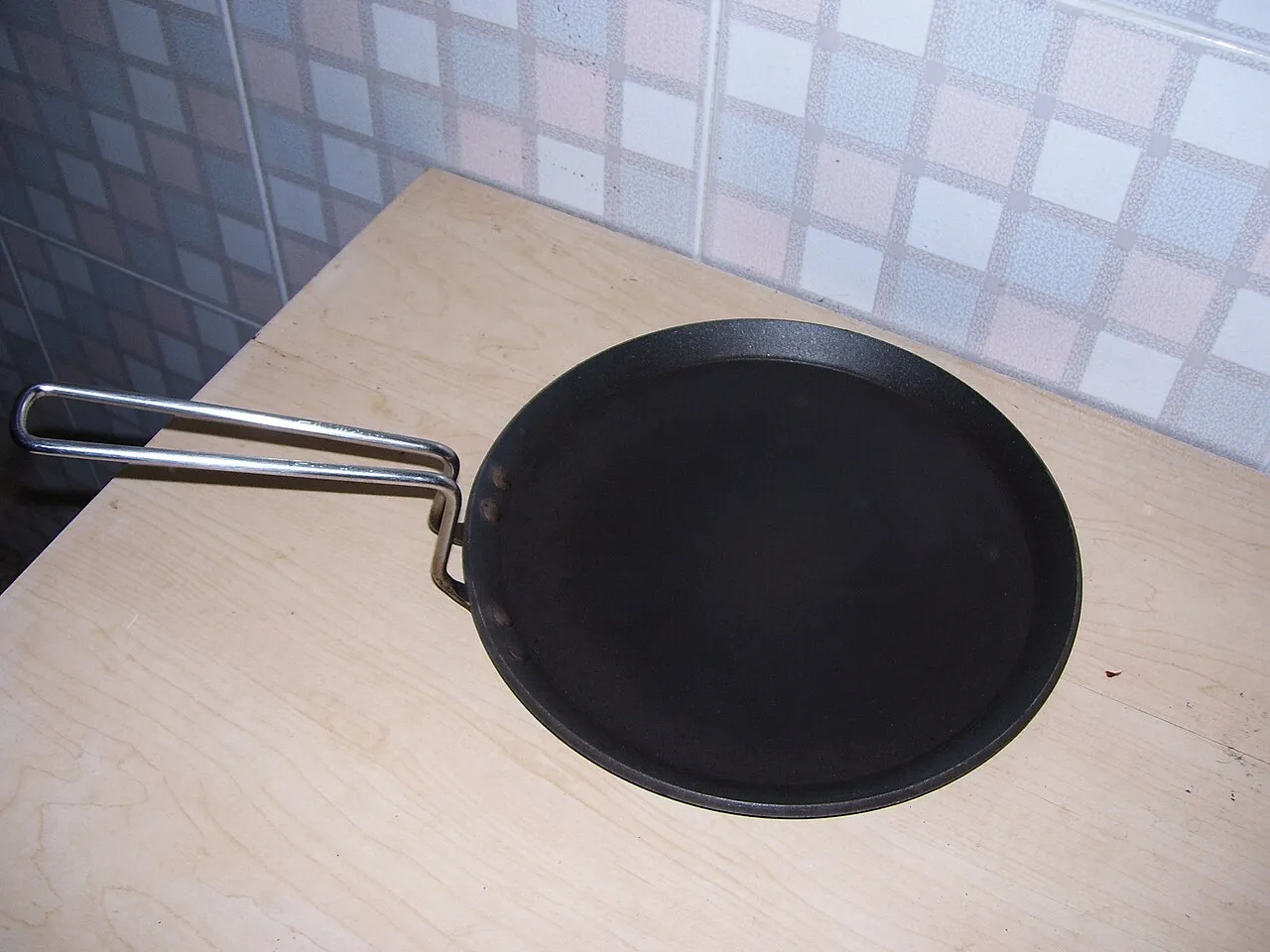
How it was made also explains why it lasted. Mavalvala describes poris shaped entirely by hand and cooked one at a time on a cast-iron tavo over a low flame, turned with a cloth because they were too delicate to handle. With no refrigeration, sealing cooked lentils inside a flour casing was a clever way to keep them, and the poris could be carried on a long journey. Her modern version is baked in an oven, and she likes it warm with a cup of Parsi choi. Kapadia, too, calls dar ni pori a pastry for tea-time.
Is dar ni pori still made today?
Yes, though writers disagree about how safe it is. Khodaiji wrote in 2016, "Thank God it is not extinct." A year later Perzen Patel, the Bawi Bride, told Man's World India that dar ni poris and khajoor ni gharis were "soon going to be lost for the younger generation". Writing about malido in her newsletter, Patel said it had "gone the way of Vasanu and Dar ni Pori": kept for religious occasions, and bought from someone who makes it rather than cooked at home.
Buying is possible. The Tata group's account of the Sir Ratan Tata Institute in Mumbai names dar ni pori among the Parsi sweets its kitchen is known for, and Republic World repeated this in October 2024. Dar ni pori sits in a wider family of Parsi sweets that face the same pull between home kitchens and shops.
Frequently asked questions
What is dar ni pori made of?
Dar ni pori is a lentil filling inside a pastry crust. The filling is split lentils, chana dal or toor dal depending on the cook, cooked with sugar and ghee, then flavoured with almonds, pistachios, charoli, cardamom, nutmeg, rosewater and candied peel. The crust is traditionally wheat flour with a ghee-and-flour paste called maan between layers.
Why is dar ni pori sent at Parsi weddings?
By custom the bride's family sends dar ni pori to the groom's family, according to cookbook authors Niloufer Mavalvala and Rita Jamshed Kapadia. Mavalvala says seven were usually sent, an auspicious number, while Kapadia says five to seven. Mavalvala reads the gift as a symbol of the marriage, two families and two worlds joining.
Is dar ni pori the same as puran poli?
Not quite. Rita Jamshed Kapadia lists "Parsi puran poli" as another name, and food writer Meher Mirza calls dar ni pori a "(fattened) cousin" of puran poli. Cookbook author Niloufer Mavalvala traces the Parsi sweet to two roots: the halwa of Persian ancestors and the puran served by Indian hosts at their festivals.
When do Parsis eat dar ni pori?
Dar ni pori is a sweet for happy occasions. Cooks record it as a wedding gift from the bride's family, and Rita Jamshed Kapadia writes that poris are sent and eaten on Ava roj and in Ava mahino. Parsi Times writer Dara M Khodaiji remembers Ava mahino bringing several rounds of it. Kapadia also calls it a tea-time pastry.
What does "pori" mean?
Niloufer Mavalvala writes that the sweet was first called "poli", meaning hollow, and the name slowly became "pori", an affectionate word for a sweet girl. Rita Jamshed Kapadia notes the same double meaning, since pori also means girl in Gujarati. "Dar" or "daar" refers to the lentil filling inside the pastry.


