 PalV's Kasti
On this page
Dotivala Bakers & Confectioners is a Parsi family bakery in Nanpura, Surat, now run by the sixth generation of the Dotivala family. The family says its story began when departing Dutch traders handed their bread ovens to an ancestor, Faramji Pestonji Dotivala. Unsold loaves, leavened with toddy, dried out instead of going mouldy. Sold cheaply, they became the plain "Irani biscuit", and a richer version made with extra fat became the Farmasu Surti batasa. The family also credits its ancestors with the first nankhatai. Nobody, the family included, knows the exact founding year: the Dotivalas say they have traded from their present premises since 1861.
અદીબેહેસત રોજ
Ardibehesht Roj, Tir Mah · 1396 Y.Z.
How old is Dotivala Bakery?
No one can give a single year. On its own About Us page, the bakery says the year it started "is not known", and that it has done business in its current premises since 1861. Elsewhere on that same page it calls 1861 the year it was established, speaks of "over 165 years", and also says the family has survived "over two centuries and six generations". Cyrus Dotivala, the sixth-generation owner, told SBS Hindi in May 2019 that the bakery "started in 1861".
A different date appears on the Ministry of Tourism's Incredible India food-trail page for Surat, which says the bakery has stood at its original location since 1775. We could not find a municipal record, deed or independent history that settles the question. So the firmest point is the family's own: trading from its current premises since 1861, with older roots handed down as family memory.
On generations, the sources agree. Jamshed Peshotan Dotivala is the fifth owner in line and his son Cyrus is the sixth, according to the bakery's website, and both SBS Hindi and the Incredible India page describe the sixth generation running it today.
How did the Dutch ovens pass to the Dotivala family?
The family's account runs like this. The Dutch kept a warehouse on Surat's Dutch Road where five Parsi men baked bread for them. When the Dutch left, the ovens went to Faramji Pestonji Dotivala, who carried on baking for the Europeans still in the city. Niloufer Mavalvala tells a close version in her cookbook The Art of Parsi Cooking, as quoted by The Better India: a thriving bakery was handed to "a local employee named Faramji Dotivala", who then baked loaves for the British.
When all this happened is told very differently, from 1620 in Cyrus Dotivala's telling to "the 1700s" in other accounts. We set out those dates, and what is known of the Dutch in Surat, in our separate post on Dotivala's Dutch legacy.
How did stale bread become the Surti batasa?
In those days the dough was fermented with toddy, the sap of the palm, and the family says this kept the bread from spoiling for a long time. When trade slowed, loaves went unsold and simply dried out. The bakery sold the dry bread at a low price, and people liked how light and crisp it was. Demand grew enough that the bakers began drying bread in the oven on purpose and shaping it differently. Those are the biscuits still sold today as Irani biscuits.
Then the doctors stepped in. According to the Dotivala website, local doctors recommended the dry biscuits to patients because they were easy to digest and low in calories. Once a patient was stronger, the advice was to eat a biscuit with fat in it, so the bakers made a version with a lot more shortening. That richer biscuit is the Farmasu Surti batasa, also sold as the butter biscuit. Mavalvala's version differs in one detail: she says the leftover loaves were first handed out to the poor, and only later did doctors begin suggesting them as food for people recovering from illness.
The Better India's 2020 article on Mavalvala's book describes the first batasa as a three-ingredient biscuit of toddy, flour and water, and notes that Surat, Navsari and Pune each lay claim to its origin. SBS Hindi adds a Dotivala touch to the plain sada biscuit: cumin seeds. Our page on the Batasa biscuit covers the biscuit itself and how it is eaten.
Did Dotivala Bakery invent the nankhatai?
The Dotivalas say so. Their website says local cooks made a sweet called "dal", that the family's ancestors baked it, and that this is how nankhatai was born. Cyrus Dotivala told SBS Hindi that there was no margarine then, so the family made it with pure ghee, flavoured it with nutmeg and cardamom, and topped it with slivered almonds or cashews. The website's opening lines now describe the bakery as "celebrated as the inventor" of nankhatai.
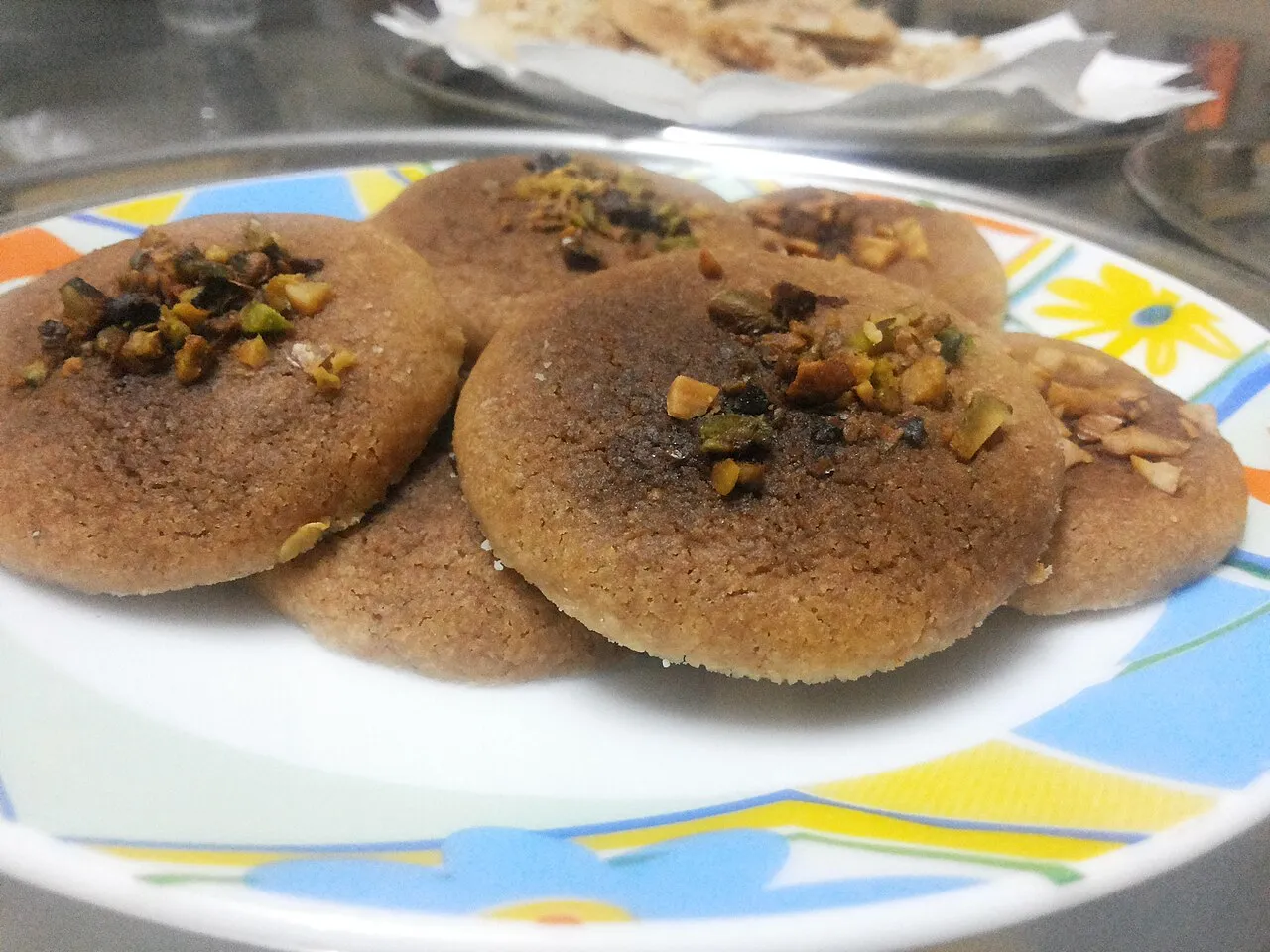
FEZANA's 2012 cookbook Eat, Live, Pray tells it another way. In a section signed by Farishta Murzban Dinshaw, it credits Surat's Parsi bakers with the nankhatai but says they took their cue from an eggless Scottish shortbread that sailors liked because it kept on long voyages, and adapted it for vegetarian Gujaratis with cardamom, cashews, almonds and pistachios. A third telling, in Outlook Traveller, links the biscuit to a Dutch recipe; we look at that claim in Dotivala's Dutch legacy. We cannot say which account is right.
What is clear is how far the Dotivala name travels. When Parsi Times wrote up SodaBottleOpenerWala's bakery menu in June 2018, it reported that the restaurant's nankhatai was "inspired by the Dotivala bakery in Surat". For the biscuit's wider story, see our post on Nan khatai.
How has the bakery changed over six generations?
The family's website describes a bakery built by hand. Before there were flour mills, wheat was kept in big wooden storerooms sealed with cow dung to keep germs out, and women ground it on the premises on hand chakkis. The coarse flour was sieved through muslin to take out the germ and bran, which gave refined flour and semolina. Ghee came in from nearby villages in leather containers.
Then came prohibition. After Independence, the family says, toddy was banned in Gujarat because it is alcoholic, and the bakery switched to a ferment made from hops and potatoes. It did the job, but by the family's own admission the old toddy taste and texture were lost.
Competition grew too. The website recalls a time when Surat had three Parsi-owned bakeries, until newcomers set up their own by offering Dotivala's trained men bigger incentives, and the family's monopoly was gone. Cyrus Dotivala told SBS Hindi that the original ovens burned firewood until 1994, then ran on natural gas, and that the bakery now uses rotary rack ovens. He also credits the French with the kharee biscuit, a laminated puff-pastry bake the shop sells in several flavours.
Where is Dotivala Bakery in Surat?
The main shop is at Makkaipul, on Ardeshir Kotwal Road off Makkai Bridge Road in Nanpura, the same district where FEZANA's account places the Dutch traders' residential compound. The bakery's contact page lists two more branches, one at Parle Point on Ghod Dod Road in Athwalines and one at Poddar Arcade, Khand Bazar, on Varachha Road. Check the bakery's own site for current opening hours before you go.
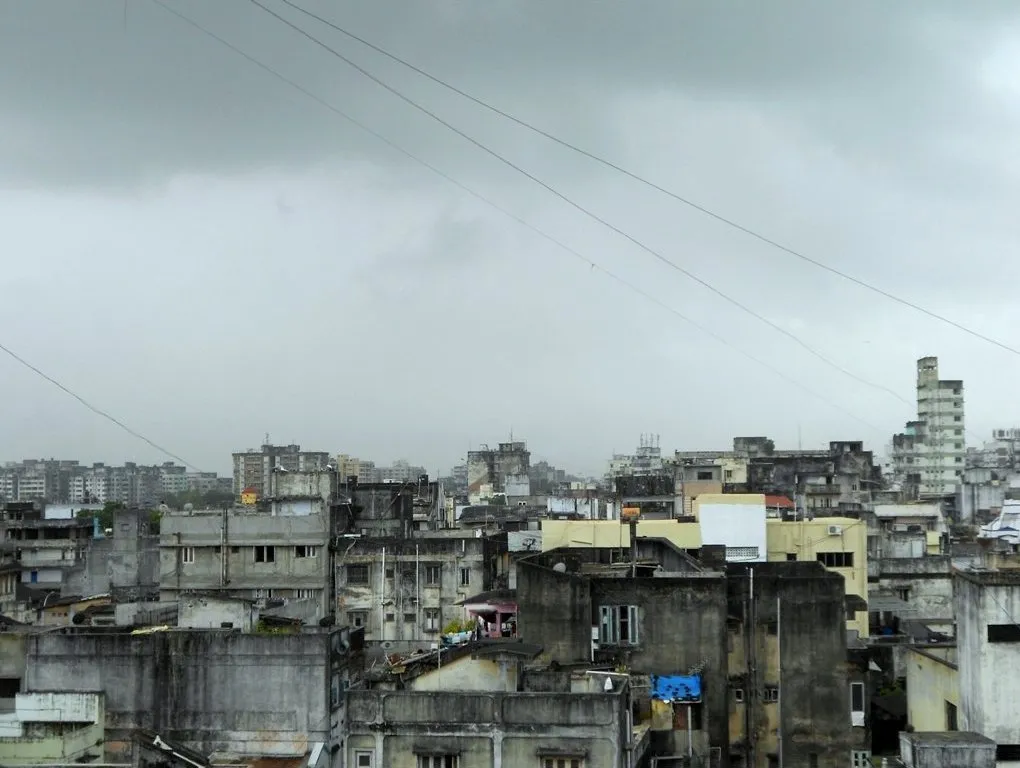
The Government of India's Incredible India site lists Dotivala on its Surat food trail, naming its ghee nankhatai and buttery batasa among Surat's food hallmarks.
Frequently asked questions
How old is Dotivala Bakery in Surat?
The exact founding year is not known, the family says. Dotivala Bakers & Confectioners has traded from its present premises since 1861, by the family's account. The Ministry of Tourism's Incredible India page gives 1775 instead. We found no independent record that settles which date is right, so both are given here with their sources.
What is Dotivala Bakery famous for?
Dotivala is best known for the Farmasu Surti batasa, sold as a butter biscuit, and for its pure-ghee nankhatai. The family says the batasa grew out of toddy-leavened bread that dried out when it went unsold. It also bakes plain Irani biscuits, kharee, breads and cakes at its Surat shops.
Who invented nankhatai?
Nobody can say for certain. The Dotivala family says its ancestors created nankhatai by baking a local sweet called dal. FEZANA's cookbook Eat, Live, Pray says Surat's Parsi bakers created it, inspired by eggless Scottish shortbread, while Outlook Traveller links it to a Dutch biscuit made with eggs and toddy.
What is a Surti batasa?
A Surti batasa is a crisp Parsi biscuit linked to Surat. By the Dotivala family's account, it began as cheap dried-out bread, later made richer with extra shortening for patients regaining strength. The Better India describes the earliest batasa as made from only toddy, flour and water, with butter or ghee added later.
Who owns Dotivala Bakery now?
Dotivala Bakery is still a family business. Its website names Jamshed Peshotan Dotivala as the fifth generation to own it and his son Cyrus Dotivala as the sixth. Cyrus was described as the current proprietor by SBS Hindi in 2019. The family traces the business back to Faramji Pestonji Dotivala.


