 PalV's Kasti
On this page
- Can a Parsi woman married to a non-Parsi be consigned to the Tower of…
- Can an inter-married Parsi man get funeral prayers?
- Can a Parsi woman married outside attend her parents' funeral prayers?
- Can a non-Parsi spouse or child attend the funeral?
- Where else can inter-married Parsis hold the four-day prayers?
- Frequently asked questions
What funeral rites an inter-married Parsi can have depends on whether the person is a man or a woman, the city, and the trust or priest involved. In Mumbai, the Bombay Parsi Punchayet (BPP) says it keeps one dokhma at Doongerwadi, the Modi Dokhma, for Parsi women married to non-Parsis who kept professing the religion until death. The Worli prayer hall, opened in 2015 at a municipal crematorium, was planned from the start to be open to Parsis who married outside and to their children. Reports on the court cases say men who marry outside keep their Parsi status, though one Mumbai priest refused prayers for such a man in 2020. Women in some towns have gone to court, and the main question, whether a Parsi woman stops being a Parsi when she marries outside, was still awaiting a Supreme Court verdict as of 16 November 2026.
અસપંદામેદ રોજ
Asfandarmad Roj, Tir Mah · 1396 Y.Z.
Can a Parsi woman married to a non-Parsi be consigned to the Tower of Silence?
In Mumbai, yes, under a condition. The BPP's Doongerwadi page, as we read it on 16 November 2026, says the Modi Dokhma "is specially used for Parsi ladies married to non-Parsi" who had continued to profess the Zoroastrian religion until death and had wished to be consigned to the Towers of Silence.
The rule is not the same everywhere. Writing about Mumbai in 2016, Open magazine reported that Parsis who marry outside the community cannot be laid out at the Towers of Silence, so they are buried or cremated. Before deciding anything, ask the local Anjuman or Panchayat for its written rule.
Can an inter-married Parsi man get funeral prayers?
Usually, but not everywhere. ThePrint reported in October 2017 that the rule treating an inter-married woman as having left the religion "does not apply to men", and that a man and his children remain Parsis. In the Supreme Court in May 2026, senior advocate Shyam Divan told the bench that under the Nagpur Parsi Panchayat's rules, an inter-married man's wife and children may be denied panchayat benefits while his own religious status stays unaffected, LiveLaw reported.
A priest can still say no. In September 2020, Parsi Times reported, the panthaky of Karani Agiary in Cusrow Baug declined funeral prayers there for an inter-married man. The priest told the paper that marrying a non-Parsi is "wrong in our religion" for men and women alike, and that he could not go against his beliefs and his commitments as a priest.
In the same issue, Noshir Dadrawala wrote that the Vendidad and the Pahlavi Dinkard proscribe mixed marriages, but that no Avesta or Pahlavi text explicitly says a Parsi Zoroastrian who inter-marries ceases to be one. He added that he is personally not in favour of inter-marriage, and asked for a unified answer from the High Priests.
Practice varies between families and Agiaries; your family priest's guidance comes first.
Can a Parsi woman married outside attend her parents' funeral prayers?
The best-known case is Special Leave Petition (C) No. 18889 of 2012 in the Supreme Court, brought by a Parsi woman whose hometown is Valsad. According to ThePrint, the body that runs the Towers of Silence at Valsad in Gujarat passed a resolution in 2008 that kept her and her sister off the premises. The Gujarat High Court dismissed her petition by 2:1 in its judgment of 23 March 2012. As the Supreme Court Observer summarises it, the majority's main ground was that a Parsi woman who marries a non-Parsi under the Special Marriage Act stops being a Parsi, unless a competent court declares that she still practises the faith.
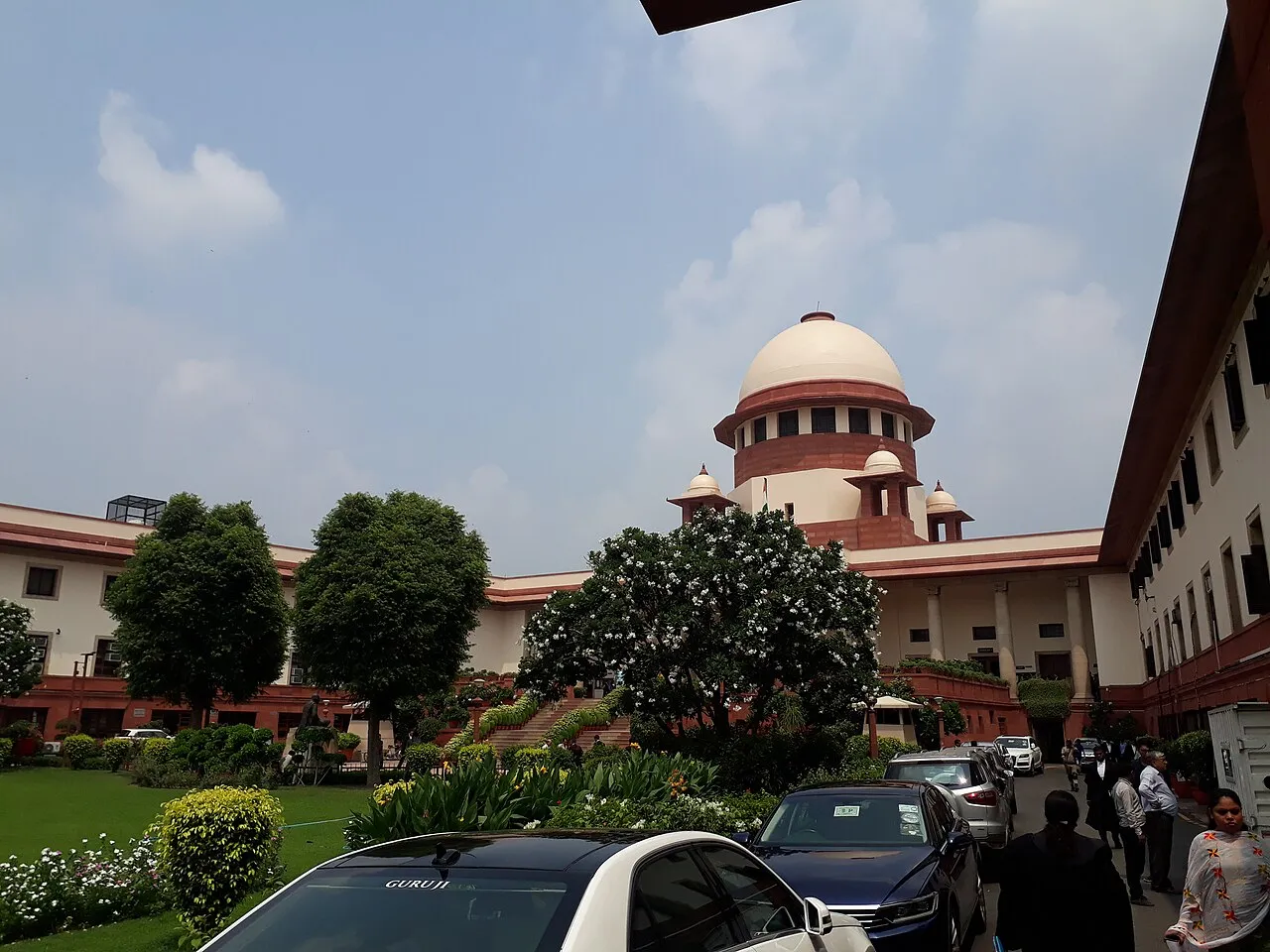


On 14 December 2017 a five-judge bench of the Supreme Court recorded terms agreed by the Valsad trust, without prejudice to either side's case. Under them:
- she could attend the Paidust prayers for her parents inside the prayer hall of the bungli at the Valsad Doongerwadi;
- she could also attend the four days of after-death ceremonies there, which the order lists as the Bhoi ni Kriya, Sarosh nu Patru, Uthamnu and Pachli Raat nu Uthamnu;
- if she could not arrange priests, the trust would;
- her children could sit in the pavilion opposite the bungli, with other mourners.
The court called this an interim order. The larger question was later tagged to the nine-judge Sabarimala reference, and that bench reserved its verdict on 14 May 2026, LiveLaw reported. When we checked LiveLaw's Sabarimala reference page and the Supreme Court Observer on 16 November 2026, neither showed a judgment, so the question was pending as of that date.
The Nagpur case (2026)
A second petition in the Supreme Court, W.P.(C) No. 381 of 2026 against the Nagpur Parsi Panchayat, challenges Rule 5(2) of the panchayat's rules. The Indian Express quoted the rule: if a Parsi/Irani Zoroastrian woman marries a non-Parsi and bears children, she and the children "will not be accepted as Parsi/Irani Zarthostis." According to the paper, the petitioner was refused entry to the Agiary for a family funeral in 2024 and was told she could sit outside on the verandah. On 25 May 2026 a bench of Chief Justice Surya Kant and Justices Joymalya Bagchi and Vipul Pancholi explored a limited interim permission for her to pray at Nagpur's only Agiary and join funeral and Muktad prayers, LiveLaw reported. LiveLaw's Nagpur Parsi Panchayat page showed no later report when we checked on 16 November 2026, so the case was pending as of that date.
Practice differs by city. At that hearing the petitioner's counsel said similar arrangements already exist for such women in Mumbai, Delhi, Kolkata and Pune. The Indian Express wrote in March 2026 that the Delhi and Kolkata panchayats do not treat these women as having lost their identity, and ThePrint reported in 2017 that about 18 Parsi trusts had given up excommunicating them.
Can a non-Parsi spouse or child attend the funeral?
At Doongerwadi, the BPP's site states that after the sachkar (the ritual bath and preparation of the body) no non-Parsi may see the body of the deceased. Kersey H. Antia's funeral guide, first published in the FEZANA Journal in winter 2005, says non-Zarathushtis may be allowed to view the body before the sachkar is done. Jehangir Patel, editor of Parsiana, told the Free Press Journal in October 2024 that only Zoroastrians are allowed into the prayer halls at Doongerwadi.
The Worli prayer hall works differently. Open magazine reported in 2016 that the main difference there is that the family, particularly its non-Parsi members, may attend the rites in the hall.
Practice varies between families and Agiaries; your family priest's guidance comes first.
Where else can inter-married Parsis hold the four-day prayers?
In Mumbai, the main option is the Worli prayer hall. While it was being planned, Open magazine reported in 2014 that Dinshaw Tamboly had formed the trust behind it and that the hall would be open to Parsis who marry outside the community and to their children. The Free Press Journal and Open both date its opening to 2015.
The Prayer Hall Services and Maintenance Trust's rules page, as we read it on 16 November 2026, says the hall belongs to the Municipal Corporation of Greater Mumbai and is used only for the customary four-day Zoroastrian prayers. Parsi-Irani Zoroastrians get priority, and they can hold those prayers there even if the funeral or cremation took place elsewhere. Families may bring any priest but must inform the Trust's chief priest first. Our guide to Parsi cremation covers the hall and the rites, and Parsi death rituals explains the four days of prayers.
Priests who pray for inter-married families have been challenged before. In 2009 the BPP trustees barred two priests from Doongerwadi and two Agiaries for, among other things, praying for the cremated and performing Navjotes for children of Parsi women married to non-Parsis. The Bombay High Court allowed an appeal against that ban on 11 March 2011 (Appeal No. 256 of 2010 against Parsi Panchayat Funds and Properties), recording that it was not disputed before the court that no power of excommunication exists in the Zoroastrian faith.
This is general information, not legal advice; for a specific case, speak to a lawyer.
Frequently asked questions
Can a Parsi woman married to a non-Parsi be consigned to the Tower of Silence?
In Mumbai, the Bombay Parsi Punchayet's website says its Modi Dokhma at Doongerwadi is used for Parsi women married to non-Parsis who kept professing the Zoroastrian religion until death and wished to be consigned there. Other towns follow their own trust's rules, so ask the local Anjuman or Panchayat for its written rule before deciding.
Can an inter-married Parsi man get funeral prayers?
Usually. ThePrint and LiveLaw reports on the court cases say men who marry outside keep their Parsi status. But a priest can decline: in 2020, Parsi Times reported, the panthaky of Karani Agiary in Mumbai refused prayers for an inter-married man, saying marrying outside is wrong in the religion for men and women alike.
Can a Parsi woman married outside attend her parents' funeral prayers?
It depends on the trust. In 2017 the Supreme Court recorded the Valsad trust's agreement that one such woman could attend her parents' Paidust and four-day prayers inside the bungli prayer hall. Counsel in a 2026 case said similar arrangements exist in Mumbai, Delhi, Kolkata and Pune. The main constitutional question was pending as of 16 November 2026.
Can non-Parsi relatives attend a Parsi funeral?
At Doongerwadi, the BPP says non-Parsis may not see the body after the sachkar, and Parsiana's editor told the Free Press Journal in 2024 that only Zoroastrians enter the prayer halls there. At the Worli prayer hall, Open reported, non-Parsi family members can attend the rites. In Valsad, the 2017 order seated the grandchildren in the opposite pavilion.


