 PalV's Kasti
On this page
Parsi ravo is a sweet semolina pudding. The semolina is first cooked in butter or ghee until the grains swell a little, then milk and sugar go in and the pot is stirred until it turns creamy. It's finished with cardamom and nutmeg or a splash of rosewater, and topped with almonds and raisins fried in butter. Niloufer Mavalvala, in The World of Parsi Cooking, calls it a dish for every festive occasion and writes that it is offered at a Jashan and at Mukhtad prayers for the departed. Writers in our sources remember it at Navroz breakfast and on birthdays kept by the Parsi calendar. You'll see it spelt ravo, rava or rawo. It's the same dish.
શહેરેવર રોજ
Shehrevar Roj, Tir Mah · 1396 Y.Z.
What is Parsi ravo made of?
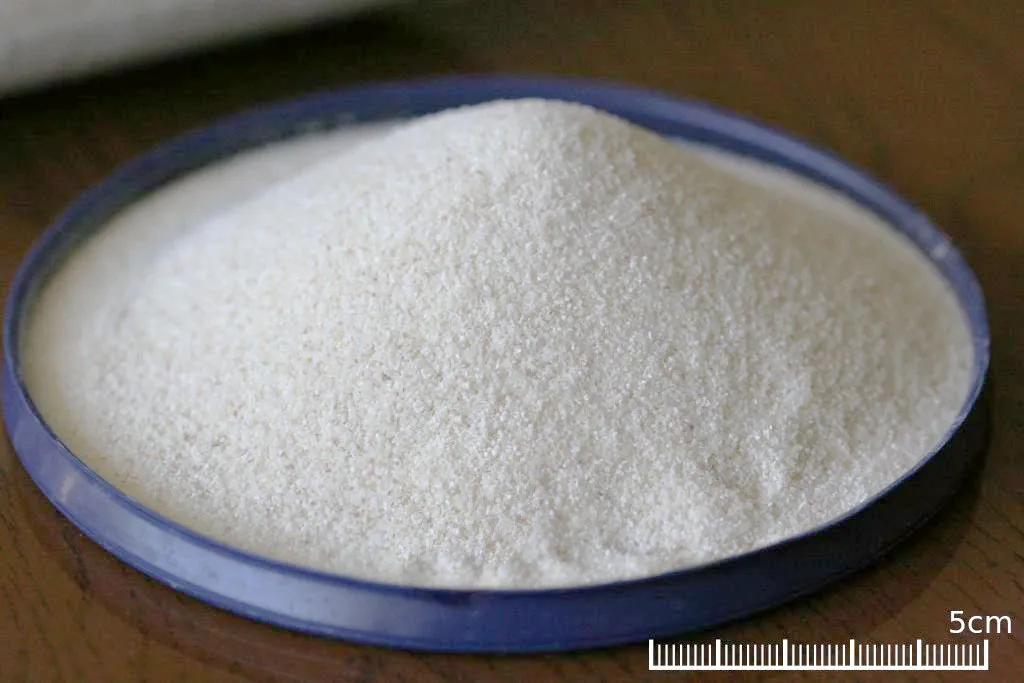
Four things make the base: semolina, butter or ghee, milk and sugar. Rava and sooji both mean semolina, and the glossary of FEZANA's 2012 community cookbook Eat, Live, Pray lists them that way. That is why you may also see the pudding searched for as "Parsi sooji".
Flavourings change from kitchen to kitchen. Mavalvala calls cardamom and nutmeg the traditional pair. Arnavaz Chubb's recipe in the FEZANA book uses rosewater or vanilla essence instead, and Silloo Tarapore's microwave version in the same book puts in cardamom, nutmeg and rosewater together. For the top, Chubb uses slivered almonds and sultanas. Writing in Saveur in 2021, Meher Mirza described her Navroz bowl of rawo with raisins, pistachios, almonds and charoli nuts, all fried in butter.
Does Parsi ravo have eggs?
Some versions do. Mavalvala writes that ravo generally has eggs, and she gives an egg-less version, which she describes as originating in India. Neither recipe in the FEZANA book uses eggs. If you're cooking for someone who keeps a vegetarian table, ask which ravo they grew up with.
How do you make Parsi ravo?
This method follows Arnavaz Chubb's recipe, "Rava, semolina pudding", in FEZANA's Eat, Live, Pray (2012). It serves 8. We've kept her quantities and put the steps in our own words.
Ingredients
- 1 litre (4 cups) milk
- 50 g (3 to 4 tbsp) semolina
- 45 g (3 tbsp) butter
- 25 g (2 tbsp) sugar
- Rosewater or vanilla essence, to taste
- For the garnish: slivered almonds, sultanas and a little extra butter
Method
- Melt the butter in a deep pan. Tip in the semolina and stir it over the heat until the grains look a little swollen. Don't let it scorch.
- Pour in the milk bit by bit with the sugar, stirring all the time. Keep going until the pudding clings to the back of a wooden spoon. It thickens further as it cools.
- Take the pan off the heat. Let it cool for a few minutes, then stir in the rosewater or vanilla and pour it into a serving dish.
- Press cling film onto the surface so no skin forms, and chill it.
- Melt the extra butter in a small pan. Fry the almonds until golden, then the sultanas until they puff up. Let them cool.
- Scatter the almonds and sultanas over the ravo before serving.
Chubb's ratio is 1 litre of milk to just 50 g of semolina, and Ervad Dr. Ramiyar Parvez Karanjia's note elsewhere in the same book calls ravo a "semolina custard". Homegrown's 2025 description of ravo has it served warm. Chubb chills hers. Both ways appear in print.
A microwave ravo, and the no-water rule
On the next page of the FEZANA book, Silloo Tarapore from the USA gives a microwave version for 8. It uses 115 g each of rava and butter, cold and hot whole milk, a tin of condensed milk, cardamom, nutmeg, a pinch of salt and rosewater, cooked in one-minute bursts and stirred between each. Her tip is blunt: a good rava needs no water at all. For a lighter pudding she swaps in 1 litre of 2% milk, leaves out the condensed milk and adds 115 g of sugar.
When do Parsis eat ravo?
Mavalvala calls ravo "a traditional Parsi dish served at every festive occasion", and Homegrown says it is served to mark joyous occasions. These are the occasions named in the sources we read.
Navroz and Parsi New Year mornings
Meher Mirza's Navroz breakfast in Saveur sets bowls of rawo beside malai pao, sev and mitthoo dahi. She calls the sweet dishes "sugared auguries for the year ahead".
Birthdays by the Parsi calendar
In the FEZANA book, Dinaz Kutar Rogers remembers her mother making sev or ravo on the morning of her Parsi calendar birthday. Before anyone ate, plates of ravo went to the neighbours. Each neighbour sent the plate back with a cup of sugar on it, because, as her grandmother taught, you never return a plate empty. Her grandmother linked the custom to the story of the priests who added sugar to the milk King Jadi Rana sent them. That's one family's memory, told as she remembers it. You'll find more on Parsi birthday traditions in a separate post.
Jashans and Mukhtad prayers
Ravo also goes into prayers. Mavalvala writes that it is offered at a celebratory Jashan and at Mukhtad prayers, when families remember those who have passed away. Ervad Karanjia's note on the stum ritual in the FEZANA book says the same for Farvardigan, the last ten days of the calendar: at the breakfast stum, tea or milk is offered with breakfast sweets like ravo, and the lunch and supper stums carry cooked meals.
Practice varies between families and Agiaries; your family priest's guidance comes first.
Where does ravo come from, Persia or Gujarat?
The two sources we found disagree. In The Route to Parsi Cooking (2024), Mavalvala puts ravo with eeda pak, sua pak and gajar no halvo as sweets with Persian roots. Homegrown's 2025 piece on Parsi desserts says the opposite: that after the Parsis settled in Gujarat they took in local sweets, ravo among them, and picked up their liking for cardamom and nutmeg there. We can't settle it from the evidence we have, so we're giving you both. Ravo is one of many; our guide to Parsi sweets covers the others.

Frequently asked questions
What is ravo?
Ravo is the Parsi sweet semolina pudding. Semolina is cooked in butter or ghee, then simmered with milk and sugar until creamy, and flavoured with cardamom and nutmeg or rosewater. It's topped with almonds and raisins fried in butter. Cookbook writers call it a festive dish, and memoirs place it on Navroz and Parsi calendar birthday mornings.
Is rava the same as sooji?
Yes. Rava and sooji both mean semolina, and FEZANA's cookbook Eat, Live, Pray glosses both words that way. Ravo, or rava, is also the name of the Parsi pudding made from it: the FEZANA book titles its recipes "Rava, semolina pudding". That is why the dessert is sometimes searched for as "Parsi sooji" too.
Is Parsi ravo the same as sooji halwa or sheera?
The names overlap, since rava and sooji both mean semolina. The Parsi recipes we read cook ravo in plenty of milk, Ervad Karanjia calls it a "semolina custard", and Silloo Tarapore's tip says a good rava takes no water at all. We found no published Parsi source comparing ravo with sheera or sooji halwa, so we can't say more.
Is ravo eaten hot or cold?
Both. Arnavaz Chubb's recipe in the FEZANA book cools the ravo under cling film and serves it chilled, garnished with fried almonds and sultanas. Homegrown describes ravo served warm on joyous occasions. The pudding thickens as it cools, so take it off the heat while it still just coats the back of a spoon.
Why is ravo offered at Mukhtad prayers?
During Mukhtad, the Farvardigan days that close the Parsi calendar year, food is offered in the stum ritual for the souls of the departed. Ervad Dr. Ramiyar Karanjia's note in the FEZANA book says breakfast stum includes tea or milk with sweets like ravo. Niloufer Mavalvala also names Mukhtad prayers as an occasion for ravo.


