 PalV's Kasti
On this page
Patra ni machhi is pieces of pomfret coated in a green chutney of coconut, coriander and chillies, folded into banana leaf and steamed. At a Parsi wedding feast it is usually one of two choices for the fish course, the other being saas ni machhi. To make it, you soften the leaves over a flame, sandwich the fish between spoonfuls of chutney, tie the parcels and steam them for 10 to 12 minutes. The method on this page follows Roshni Mithaiwalla Siddique's recipe in Gulf News (2021), which introduced her as a co-founder of Cafe Funkie Town, a Parsi restaurant in Dubai.
શહેરેવર રોજ
Shehrevar Roj, Tir Mah · 1396 Y.Z.
What is patra ni machhi (patra ni machchi)?
Perzen Patel, who writes as Bawi Bride, translates the name simply as fish wrapped in banana leaves. She points out that the idea is not unique to Parsis, and names Thai, Balinese and Keralan versions. Spellings vary from writer to writer, and you will see patra ni machchi, patra ni machi and patra ni macchi for the same dish.
In Mumbai the fish is pomfret. Behram Contractor, describing a wedding cooked by Tanaz Godiwalla for Upper Crust, wrote that the fish course there is always pomfret, which Godiwalla chose and weighed herself because it is costly. Goya's 2019 profile of Godiwalla quotes her saying pomfret has become expensive and that most Parsis get to eat it only at a wedding. Niloufer Mavalvala, the Karachi-born cookbook author, notes that in India the fish is still served on the bone, while her own recipe uses fillets.
Patel adds an observation of her own. In India, she writes, the dish is rarely cooked in Parsi homes and people wait for wedding season to eat it. Her guess is that home kitchens don't have pans big enough to steam the fish without it taking ages.
What goes into the green chutney?
The chutney is what gives the dish its colour and most of its flavour. When Goya visited Godiwalla's kitchen, staff were grinding mint, coriander, garlic, green chillies and coconut for it. Patel describes her chutney as sweet, sour and spicy, made from coriander, garlic, chilli and fresh coconut, and her interns rubbed the fish with salt and turmeric before it was wrapped. Behram Contractor, describing the wedding kitchen, wrote of a generous amount of chutney, as hot as possible, spread over the outside and the inside of the fish.
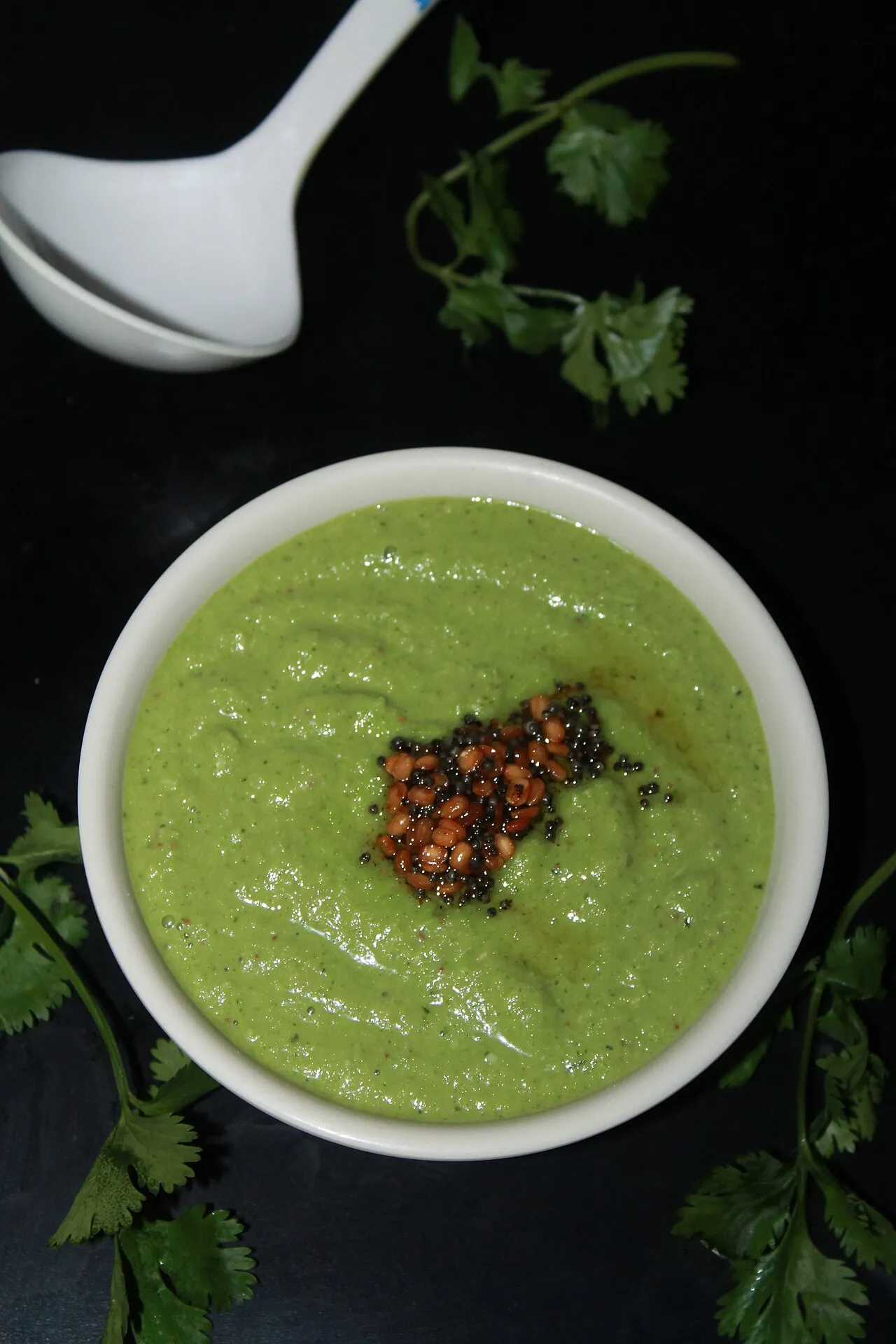
Recipes differ on the sweet and sour notes. Siddique uses sugar and lemon juice. Mavalvala, in a recipe featured in her book Parsi Cooking: Reviving an Ancient Cuisine, uses jaggery, raw green mango and a good deal of lemon juice, and tells cooks to taste and balance the salt, heat, sourness and sweetness before using it.
Patra ni machhi recipe: what you need
These quantities are from Siddique's recipe in Gulf News, which gives it as serving two.
- 2 medium silver pomfrets, each cut into 4 or 5 large pieces
- 1½ cups freshly grated coconut
- 1½ cups fresh coriander leaves
- ½ cup mint leaves
- 6 green chillies
- 5 cloves garlic
- 1½ tsp cumin seeds
- 2 tsp sugar
- 2 tsp salt, divided
- 3 tbsp lemon juice, divided
- 4 banana leaves, centre stem cut away
- Kitchen twine or thread
How is fish steamed in banana leaf?
The steps below follow Siddique's method, rewritten in our words.
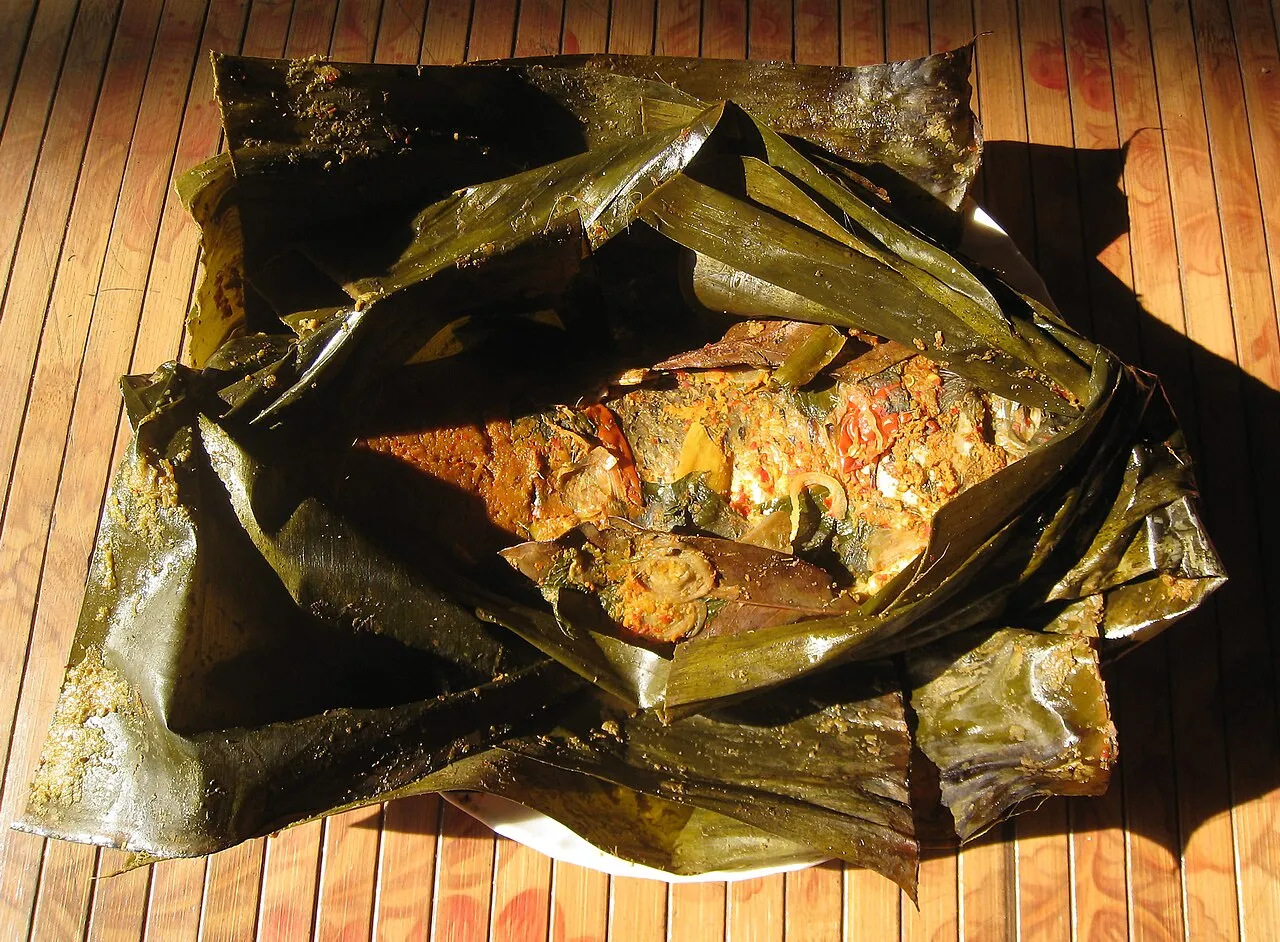
- Grind the coconut, coriander, mint, green chillies, garlic, cumin, sugar, 1 tsp of the salt and 2 tbsp of the lemon juice into a smooth chutney.
- Chill the chutney for 20 minutes. Siddique says this thickens it so it clings to the fish better.
- Rub the fish pieces with the remaining 1 tsp salt and 1 tbsp lemon juice and set them aside.
- Wash the banana leaves and trim off the thick centre stem.
- Pass each leaf lightly over a flame so it turns soft and pliable and does not split when folded.
- Spread about 2 tbsp of chutney on a piece of leaf, lay a piece of fish on it and cover the top with another 2 tbsp.
- Fold the leaf over so the fish is closed in on every side, then tie the parcel with twine.
- Bring the steamer to a full head of steam before the parcels go in.
- Steam for 10 to 12 minutes, then lift out and serve in the leaf.
Siddique advises against steaming the parcels a second time if they go cold. Instead, warm them in the microwave for about a minute with the lid closed, which she says keeps the fish moist.
Why banana leaf? Mavalvala writes that the leaves hold in moisture, which suits this dish, and that they are waterproof. Softening them over a flame first is a step both Siddique and Patel describe, so that the leaf does not tear when it is folded.
Can you bake patra ni machhi instead of steaming it?
Yes. Mavalvala's recipe skips the steamer altogether. She lays oiled banana leaves on a baking sheet, puts the lightly salted fish on them, presses chutney over each piece, covers it all with more leaves and bakes it at 170°C for about 22 minutes. The top leaves are thrown away and the fish goes to the table on a platter with the banana leaves.
If you can't find banana leaves, Patel says baking paper in the oven will do, in the style of fish en papillote, though she admits it won't taste quite the same. Her suggestion is the packets of frozen banana leaves sold at Asian stores.
Is patra ni machhi ever fried?
Yes. Mavalvala writes that the older way was to wrap thick white fish fillets, tie them with string and deep-fry them in oil, cutting the string and unwrapping the hot fish just before serving. A 2014 recipe by Gulnaz Mondegarian in the Pakistani newspaper The Express Tribune does the same: the fish is marinated in vinegar and salt, coated with chutney on both sides, wrapped and tied in banana leaf, then fried.
Where is patra ni machhi served?
Its best-known place is the wedding feast. Outlook Traveller describes the fish course arriving after the pickle, rotis and wafers, with guests offered either patra ni machhi or saas ni machhi. Behram Contractor put the split at about 80 per cent of Parsis preferring saas, with non-Parsis preferring patra. He also wrote that at the table you open the leaf yourself, and the first breath of steam tells you what the dish is. Why the dish became a fixture of weddings and other happy occasions is a story in itself, and we tell it in Patra ni machhi at celebrations. Our posts on Lagan nu bhonu and Sagan ni machhi pick up the wider story of the wedding table.
Frequently asked questions
What fish is used in patra ni machhi?
Pomfret is the usual choice. Behram Contractor, writing about Tanaz Godiwalla's wedding kitchen, said the wedding fish course is always pomfret. Niloufer Mavalvala's recipe uses fillets, with silver pomfret first and halibut, haddock or tilapia as substitutes, and she notes that in India the fish is still served on the bone.
Can you make patra ni machhi without banana leaves?
Yes, though the result changes. Perzen Patel says you can wrap the fish in baking paper and cook it in the oven, the way fish en papillote is made, but adds that it won't taste quite the same. Her own suggestion is to buy a packet of frozen banana leaves from an Asian store.
What is in the green chutney for patra ni machhi?
Coconut, coriander and green chillies appear in all the versions quoted on this page. Godiwalla's kitchen adds mint and garlic. Roshni Mithaiwalla Siddique's recipe uses both of those plus cumin, sugar and lemon juice. Niloufer Mavalvala sweetens hers with jaggery and sharpens it with raw green mango and plenty of lemon juice.
How long do you steam patra ni machhi?
In Roshni Mithaiwalla Siddique's Gulf News recipe, the wrapped pieces of pomfret steam for 10 to 12 minutes, and they go in only once the steamer is already full of steam. Niloufer Mavalvala's oven method is slower: about 22 minutes at 170°C, with the fish laid between banana leaves on a tray.
Is patra ni machhi the same as saas ni machhi?
No. Both are pomfret dishes and both appear as the fish course at a Parsi wedding, but they are cooked differently. Patra ni machhi is coated in green coconut chutney and steamed in banana leaf. Saas ni machhi is pomfret in a sweet-and-sour white sauce, described by Outlook Traveller as speckled with green chillies and onion.


