 PalV's Kasti
On this page
Saffron pedas for a Parsi besna are small mawa sweets made with a few threads of saffron soaked in milk. FEZANA's cookbook names mawa na pendas as the sweets set around the baby on a patla, a low stool, when the child first sits up without help, usually at seven or eight months. To make them, you crumble mawa, mix it with milk powder, cardamom and the saffron milk, bind it with a light sugar syrup, roll it into balls, flatten the tops and press on slivers of almond and pistachio. The method below follows Navaz Mistry's recipe for mava na penda in FEZANA's 2012 cookbook Eat, Live, Pray, which makes 15 to 20 pedas.
શહેરેવર રોજ
Shehrevar Roj, Tir Mah · 1396 Y.Z.
What is the besna ceremony, and when is it held?
The besna marks the day a Parsi baby can sit up on its own. FEZANA's cookbook puts it at the point when a child can sit without toppling over, usually around seven to eight months. ParsiCuisine.com, the recipe site run by Rita Jamshed Kapadia, gives roughly seven months.
The name, according to FEZANA, comes from the Gujarati word "bes", meaning to sit. Both sources describe the baby being seated on a patla, a small low stool. ParsiCuisine.com adds the rest of the scene: a tili on the forehead, a garland, rangoli, the sagan ni ses tray brought out, and gifts and cash for the child from parents, grandparents and the wider family.
Practice varies between families and Agiaries; your family priest's guidance comes first.
Which sweets are placed around the baby at a besna?
FEZANA's cookbook names mawa na pendas, the milk sweets this post is about, as the sweets that surround the seated child. It also says that sometimes ladoos are used instead, made like the agarni lavra (the sweet of the ceremony held in the seventh month of pregnancy) but rolled into balls rather than shaped as cones. ParsiCuisine.com mentions only ladoos, and links besan ladoo, khaman na ladoo and boondi ladoo as the recipes to choose from.
So the two sources don't agree on one fixed sweet. For the wider picture of which sweet belongs to which Parsi occasion, see our guide to Parsi sweets.
What is mawa (mava), and can you make it at home?
Mawa is milk cooked down until almost all its water is gone and only thick, caramelised milk solids are left. FEZANA's cookbook describes simmering full-fat milk in an iron karahi or wok for several hours at about 80°C. Aban Kekobad, writing on ParsiCuisine.com, puts it more simply: milk reduced until it thickens and comes away from the sides of the pan. She adds that you can buy it ready-made or cook it at home.

For cooks in North America, the same FEZANA page offers a shortcut. Microwave a 250 g tub of ricotta for three minutes to drive off its water, stir in a tablespoon of ghee with three tablespoons each of full-fat milk powder and double cream, then microwave on high for four to five minutes more, stirring every minute or so. Knead it once it cools a little. The same cookbook also uses mawa (spelt mavo there) in its recipe for kopra pak, the coconut sweet.
How do you make saffron mawa pedas for a besna?
This is Navaz Mistry's recipe from FEZANA's Eat, Live, Pray (page 33), in our own words, with the book's cup and gram measures.
Ingredients (makes 15 to 20 pedas)
- 1 cup mawa (250 g)
- 1 cup milk powder (300 g, as the book lists it)
- A pinch of cardamom (elaichi) powder
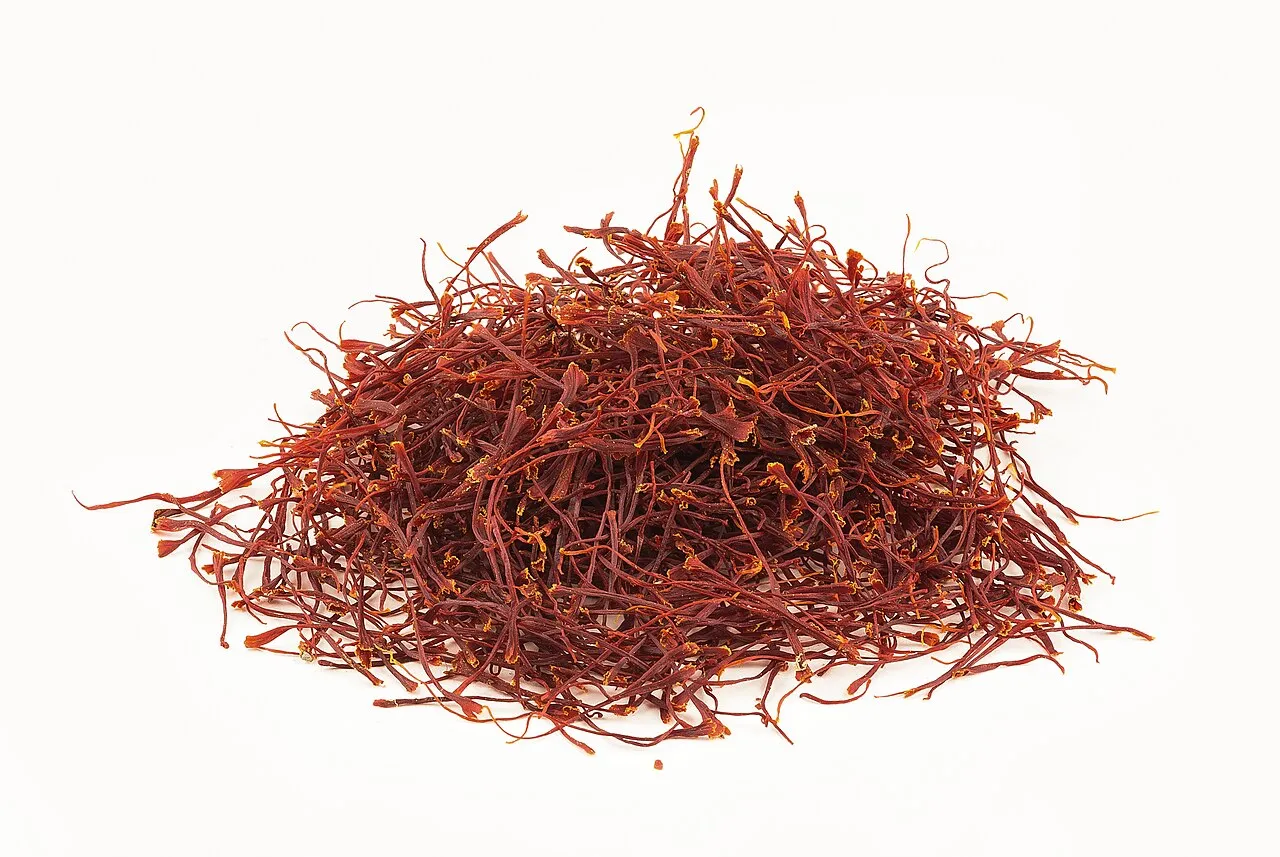
- 3 to 4 saffron threads, soaked in 1 tablespoon of milk
- ½ cup sugar (100 g) and ¼ cup water (60 ml), for the syrup
- 4 to 6 almonds and pistachios, cut into slivers
- Ghee or butter, for greasing your palms
Method
- Break up the mawa until it is crumbly.
- In a bowl, combine the crumbled mawa with the milk powder, the saffron and its soaking milk, and the cardamom. Mix thoroughly and set aside.
- Put the sugar and water in a pan and boil until you have a thickened syrup, the chasni.
- Pour the chasni into the mawa mixture, mix, and roll small balls. Rub a little ghee on your palms as you go to keep them moist. An ice-cream scoop works too if you'd rather keep your hands clean.
- Press each ball lightly on top to give it the flat peda shape, and decorate with the almond and pistachio slivers.
- Leave the pedas out until they dry and firm up, then keep them in an airtight box.
In this recipe the saffron is the only thing that turns plain mawa na pendas into saffron pedas, and it calls for just three or four threads. The book gives no cooking time for the syrup, only that it should thicken, so watch the pan rather than the clock. It gives no shelf life either.
What comes after the besna?
The next milestone is the pag ladoo (also written pug ladoo), held when the child takes its first steps. FEZANA's cookbook explains that "pug" is Gujarati for foot and that ladoos are placed near the child's feet, and it gives a recipe for khaman na ladoo, filled with coconut, almonds and raisins, which can be shaped like a foot for the day. ParsiCuisine.com notes that the ladoos from the besna can be kept and used again for the pag ladoo.
One contributor to FEZANA's cookbook recalls her mother cooking sev or ravo on the morning of her Parsi calendar birthday, and there is a full method in our post on Parsi ravo. The same book also has khajoor ni ghari, dates in phyllo pastry, which we cover in our post on Parsi date scrolls.
Frequently asked questions
What is the Parsi besna ceremony?
The besna is a Parsi family ceremony held when a baby can first sit up without support, usually at about seven to eight months. FEZANA's cookbook says the name comes from the Gujarati word "bes", to sit. The child is seated on a patla, a small low stool, with sweets such as mawa pedas or ladoos placed around them.
What sweets are used at a Parsi besna?
FEZANA's cookbook Eat, Live, Pray names mawa na pendas, small milk sweets, as the sweets set around the seated baby. It adds that ladoos, rolled into balls, are sometimes used instead. ParsiCuisine.com suggests besan, khaman or boondi ladoos. Because the two sources differ, follow your own family's custom and ask the elders at home.
How do you make mawa pedas with saffron?
Navaz Mistry's FEZANA recipe mixes one cup of crumbled mawa with one cup of milk powder, a pinch of cardamom and three or four saffron threads soaked in a tablespoon of milk. Boil half a cup of sugar with a quarter cup of water into a syrup, stir it in, roll small balls, flatten them and top with nuts.
Can you make pedas without fresh mawa?
Yes. FEZANA's cookbook gives a microwave shortcut using a 250 g tub of ricotta, cooked for three minutes to remove water, then mixed with ghee, full-fat milk powder and double cream and microwaved again for four to five minutes, stirring often. Aban Kekobad of ParsiCuisine.com adds that mawa can also simply be bought ready-made.
What is the pag ladoo ceremony?
The pag ladoo, or pug ladoo, is the Parsi ceremony held when a child takes its first steps. FEZANA's cookbook says "pug" is Gujarati for foot and that ladoos are placed near the child's feet. It uses khaman na ladoo for the day, and ParsiCuisine.com says the ladoos kept from the besna can be used again.


