PalV's Kasti

On this page
- Where did the Parsi Panchayat stand around 1860?
- How did the Panchayat lose its role as a community court?
- What did the 1884 trust deed change?
- What was the 1906 Petit v Jeejeebhoy suit?
- How were trustees chosen after the 1906 case?
- What was the Panchayat doing between 1906 and 1960?
- Was the Parsi Amelioration Committee part of the Bombay Parsi Panchaya…
- Who wrote the history of the Bombay Parsi Punchayet, 1860 to 1960?
- Frequently asked questions
Between 1860 and 1960 the Bombay Parsi Panchayat changed from a council that judged community disputes into a trust that looks after charitable funds and property. Three dates carry most of that story. In 1865 the Parsi Matrimonial Court was set up, which Encyclopaedia Iranica treats as the effective end of the Panchayat's old role as guardian of community law. In 1884 a formal trust deed brought its properties, including the Towers of Silence lands, under one trust. And a Bombay High Court suit filed in November 1906 led to trustees being chosen through an electoral college. By 1961, Iranica records, the Panchayat was administering the funds of about 1,000 endowments.
શહેરેવર રોજ
Shehrevar Roj, Tir Mah · 1396 Y.Z.
Where did the Parsi Panchayat stand around 1860?
By 1860, on Encyclopaedia Iranica's account, the Panchayat had lost much of its standing in the community. Its earlier history is covered in our guide to the Bombay Parsi Panchayat.
John Hinnells, writing in Encyclopaedia Iranica in 1989, traces the slide to the years after the death of the respected leader Hormusji Bomanji Wadia in 1826. Seats began passing from father to son instead of being filled by the community at anjumans. Cursetji Maneckji Shroff attacked the members in letters to the Bombay Times in 1844 and 1845, signed "Q in the Corner", and in 1848 Sir Jamsetji Jeejeebhoy set out the failings of the leaders in Kholas-i-Punchayet, a book he published anonymously. In 1849 Sir Jamsetji founded the Parsi Benevolent Institution. Hinnells notes that many of the same men sat on its board and on the Panchayat, so that the two bodies were in effect merged.
How did the Panchayat lose its role as a community court?
The Panchayat lost its court-like powers to new law and a new court, not to any single decision of its own. Encyclopaedia Iranica records these steps:

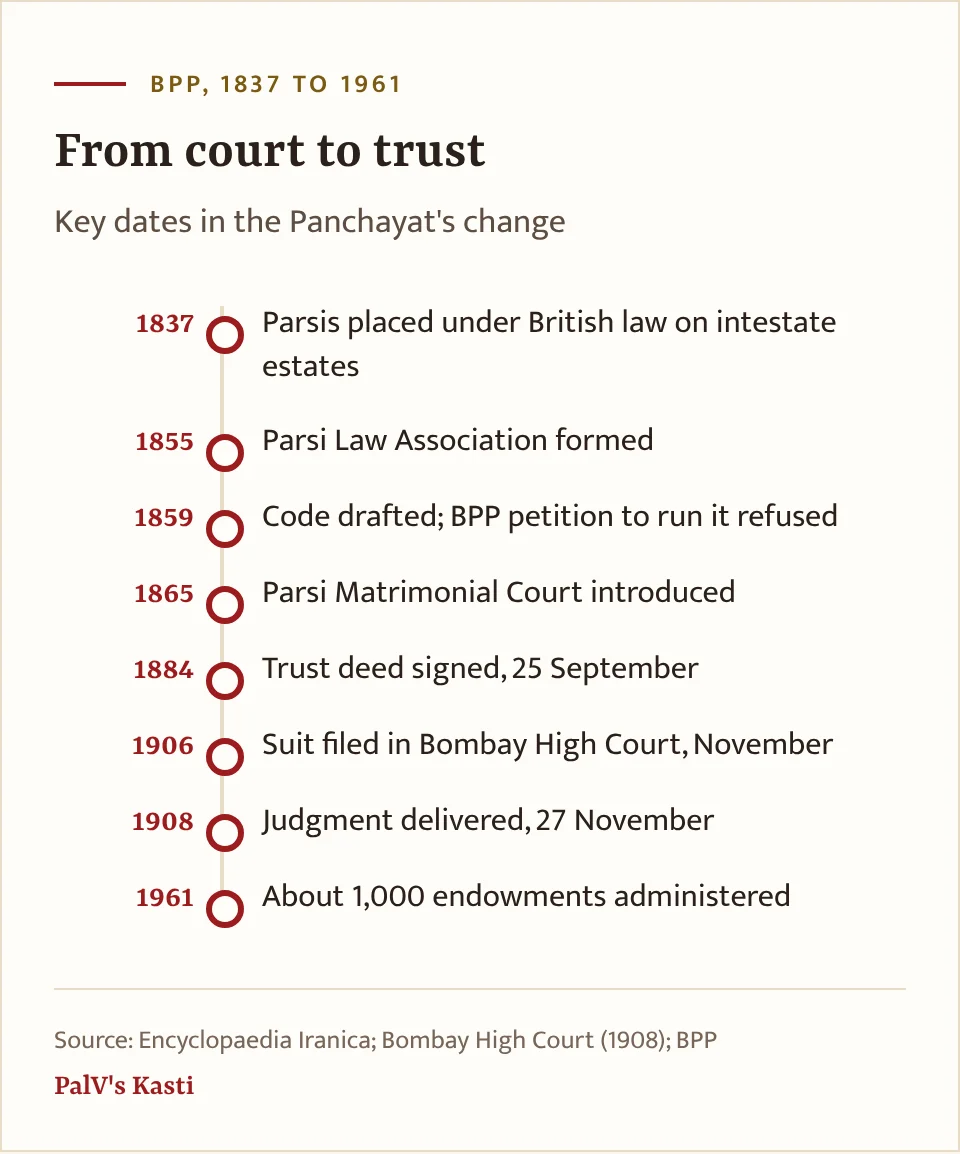
- 1837: Parsis, who had no formal legal code, were placed under British law for dividing the estates of people who died without a will.
- 1855: the Parsi Law Association was formed to press for a Parsi legal code.
- 1856: the Privy Council ruled that the Bombay Supreme Court's marriage laws did not extend to Parsis.
- 1859: a legal code was drafted, and the Panchayat petitioned for authority to administer it. Iranica says the government refused because of widespread lack of respect for the Panchayat within the community.
- 1865: the Parsi Matrimonial Court was introduced instead.
Hinnells calls 1865 the effective end of the Panchayat's traditional role as guardian of community law. The second half of the 19th century, in his words, was a time when the community drifted because of weak leadership. Even after the third Sir Jamsetji Jeejeebhoy was proclaimed leader of the community and chairman of the Panchayat at a public meeting in 1877, he writes, the institution still lacked authority.
What did the 1884 trust deed change?
The 1884 trust deed made the Panchayat, formally, a manager of property held in trust. The BPP's own history page says the deed covered all its movable and immovable properties, including the lands of the Towers of Silence, and that from this point the Punchayet became the recognised custodian of property given by Parsis for religious, benevolent and other purposes.
The 1908 Bombay High Court judgment in the Petit case confirms the deed and gives its date as 25 September 1884, executed by the trustees in office at the time. The judgment describes the land in the deed's schedule as holding the five Towers of Silence and three sagdis, and lists the Godavra Agiary among the properties covered.
What was the 1906 Petit v Jeejeebhoy suit?
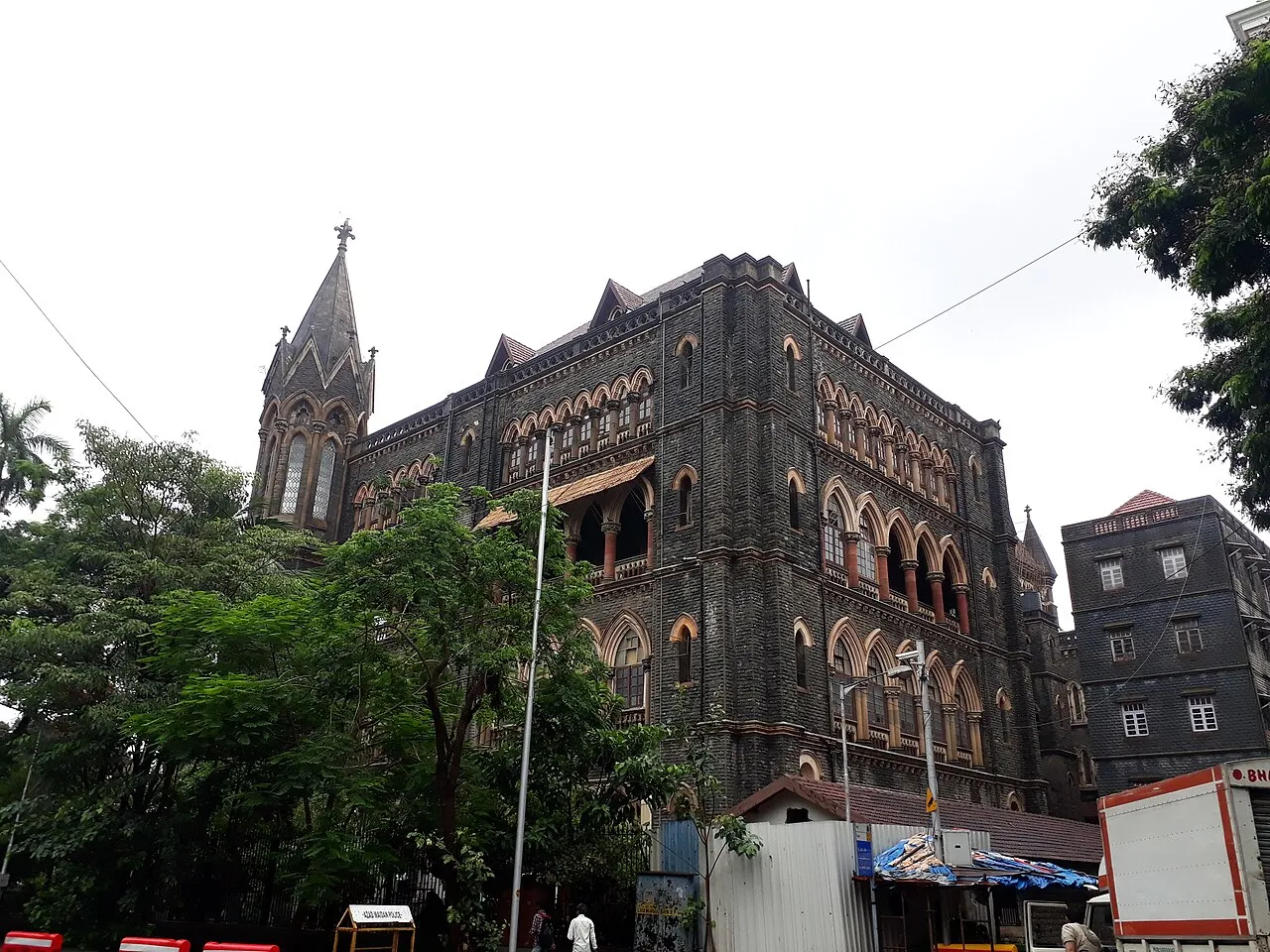
The 1906 suit, decided in 1908 as Sir Dinshaw Manockji Petit and others v Sir Jamsetji Jeejeebhoy and others, is the case that ended the old way of filling Panchayat seats. The Bombay High Court judgment, dated 27 November 1908 and written by Justice Davar sitting with Justice Beaman, says the suit was filed in November 1906 under Section 539 of the Civil Procedure Code.
The two sources describe the parties differently. Encyclopaedia Iranica says the Panchayat brought the suit (it gives the number as 689) to challenge the right of Susanne Brier, the French wife of R. D. Tata, to be initiated as a Zoroastrian and to use the community's institutions. The judgment lists seven members of the community as plaintiffs, R. D. Tata among them, and five trustees managing the Panchayat's funds and properties as defendants. The trustees claimed the power to fill vacancies in their own ranks.
According to Iranica, the court found against Mrs Tata but also held that the Panchayat members had not been legally chosen. Justice Davar's judgment states that the right of electing members of the Panchayat had always rested with the general body of the Parsi community of Bombay. In the same judgment he described the panchayat as an institution that is essentially Indian, unknown to ancient Persians. This post records the case as legal history only. Practice varies between families and Agiaries; your family priest's guidance comes first.
How were trustees chosen after the 1906 case?
After the case, trustees were chosen by an electoral college. Hinnells describes a system in which all Parsis could vote for members of the college, with votes weighted by the funds a voter had donated to the Panchayat. He adds that the change brought back some of the institution's prestige in the 20th century, though only to a limited extent.
The BPP's own history says that over the following 97 years its trustees were elected every seven years through this electoral college, until it held its first election by adult franchise in 2008. How elections work now is explained in How the BPP is run.
The BPP's published list of trustees from 1944 onwards names five who were first appointed before 1961: Nadirshah R. Mulla (22 July 1944), Lady Hirabai C. Jehangir (11 October 1946), Erach A. Nadirshah (30 July 1957), Hormusji D. Banaji (21 October 1958) and Maneck P. Mistry (21 February 1960). The later dates beside their names fall ten years apart, not seven, and the BPP's pages do not explain the difference. The same site lists the six Jeejeebhoy baronets as earlier trustees and gives the sixth baronet, who lived from 1909 to 1968, a term of 22 years.
What was the Panchayat doing between 1906 and 1960?
By the 20th century its standing rested on charity. Hinnells names its charitable work as the main source of its prestige in that century, including support for hospitals, hostels, schools, a madressa for training priests, temples, funeral grounds and many grants to poor Parsis. One dated example: Iranica's article on early Parsi communities records that in 1917 the Panchayat agreed to fund a memorial column at Sanjan to mark the Parsis' arrival in India. In 1961, the year after this period closes, it was estimated to administer the funds of about 1,000 endowments. Our post on Parsi charitable trusts looks at that wider giving.
Was the Parsi Amelioration Committee part of the Bombay Parsi Panchayat?
No source we could check ties it to the Panchayat. The body people usually mean by the "Parsi amelioration committee" is the Bombay-based Society for the Amelioration of the Condition of Zoroastrians in Persia, formed to help Zoroastrians living in Iran. Encyclopaedia Iranica's article on Manekji Limji Hataria says Sir Dinshaw Maneckji Petit, 1st Baronet, founded the Society in 1853 together with Mehrwanji Framji Panday and other Parsis, and that Hataria, its first emissary, sailed from Bombay on 31 March 1854. FEZANA's lesson on Zoroastrians in Iran also has him reaching Iran in the spring of 1854.
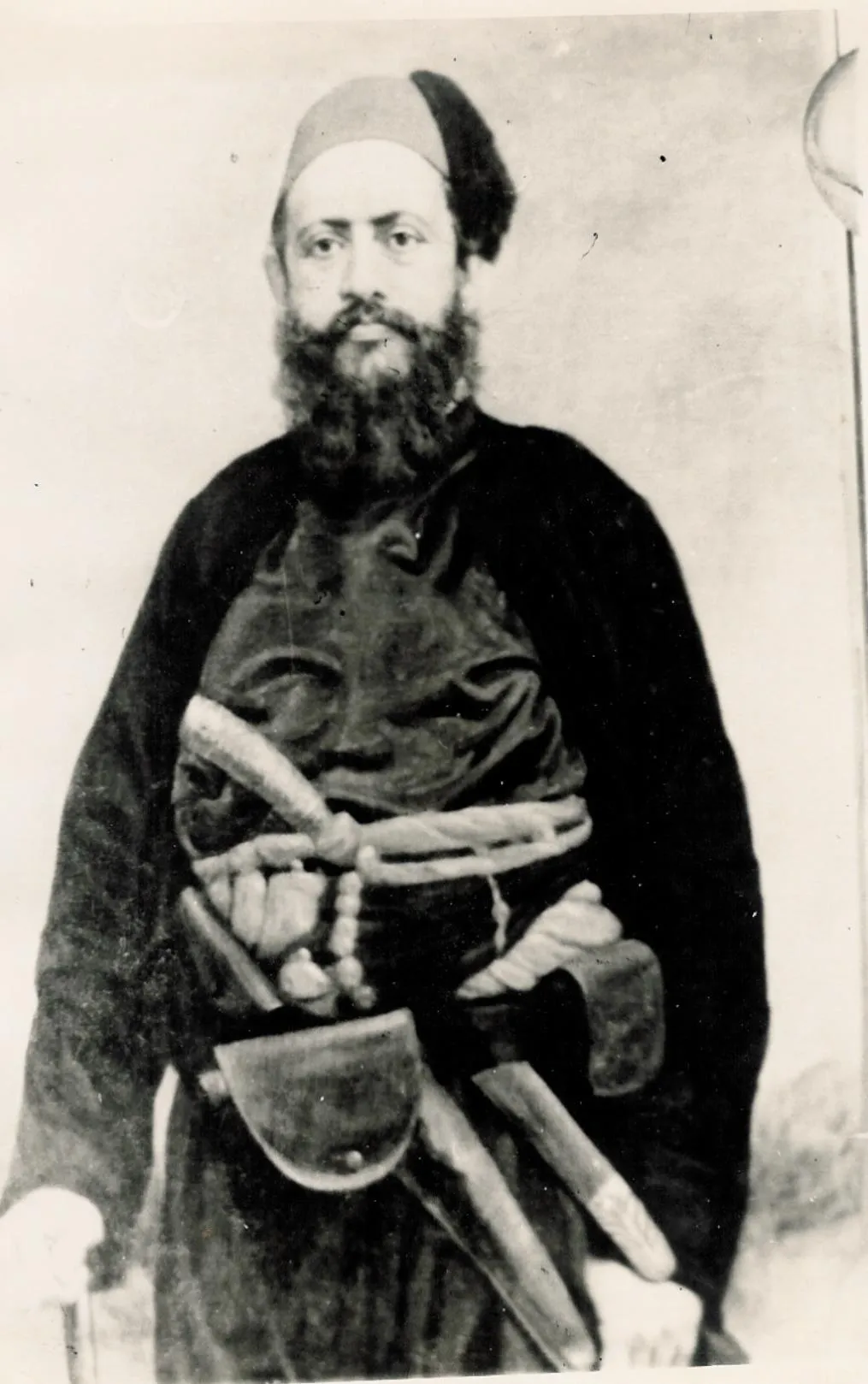
Iranica dates the end of the jizya, the extra poll tax on Zoroastrians in Iran, to a royal decree of August 1882. FEZANA says it took Hataria 26 years and heavy funding to get it abolished. Neither source mentions the Panchayat in this work, so we do not describe the Society as a Panchayat committee.
Who wrote the history of the Bombay Parsi Punchayet, 1860 to 1960?
Sapur Faredun Desai. The bibliography of Iranica's Bombay Parsi Panchayat article lists his History of the Bombay Parsi Punchayet 1860-1960 (Bombay, 1981) and his earlier The Parsi Panchayet and Its Working (Bombay, 1963). The BPP's website says there is no written history of the institution after 1961. We have not been able to read Desai's book for this article, so every fact here comes from the encyclopaedia, the 1908 judgment and the BPP's own pages.
Frequently asked questions
When did the Bombay Parsi Panchayat stop acting as a court?
Encyclopaedia Iranica dates the effective end to 1865, when the Parsi Matrimonial Court was introduced. In 1859 the Panchayat had asked the government for authority to administer a newly drafted Parsi legal code, and the request was refused. Historian John Hinnells calls 1865 the end of its role as guardian of community law.
What was the Petit v Jeejeebhoy case of 1906?
It was a Bombay High Court suit filed in November 1906 and decided 27 November 1908. The judgment lists seven community members, including R. D. Tata, as plaintiffs against five trustees, while Encyclopaedia Iranica says the Panchayat brought it. Iranica records that the court found against Mrs Tata but held that the Panchayat members had not been legally chosen.
How were BPP trustees elected before 2008?
They were elected through an electoral college. Encyclopaedia Iranica says every Parsi could vote for the college's members, with votes weighted by donations to the Panchayat. The BPP's own history says trustees were chosen this way every seven years for 97 years, until the first adult-franchise election in 2008.
Was the Parsi Amelioration Society run by the Bombay Parsi Panchayat?
None of the sources we checked says so. Encyclopaedia Iranica says Sir Dinshaw Maneckji Petit founded the Bombay-based Society for the Amelioration of the Condition of Zoroastrians in Persia in 1853, and that it sent Manekji Limji Hataria to Iran in 1854. The article does not mention the Panchayat.