 PalV's Kasti
On this page
We'll be straight with you. We could not find a Parsi cookbook or a named Parsi cook who gives a recipe called "brinjal and capsicum salan". In our own search, the name turned up only on a community website post that pointed to a recipe blog, and not in any Parsi source we were able to open. So we are not going to print a list of quantities and pretend it is a family classic. What we can show you is how named Parsi cooks handle these two vegetables. Niloufer Mavalvala's book The Vegetarian Parsi includes dahi na vengna (spiced brinjal with yoghurt) and marcha ni curry (a green pepper curry), and she says vengna no patiyo is made exactly like a prawn patio. Use those as your starting points.
અસપંદામેદ રોજ
Asfandarmad Roj, Tir Mah · 1396 Y.Z.
Is brinjal and capsicum salan a Parsi dish?
Not under that name, as far as we can tell. We did not find the word "salan" in any of the Parsi brinjal recipes we checked. The cooks we read talk about vengna (brinjal) and marcha (peppers), and their dishes go by names like patiyo, curry or bhurat. We have no published recipe, author or date to tie this particular dish to, and we would rather say so than invent one.
For the dishes that do carry a clear Parsi pedigree, start with our guide to Parsi recipes.
How do Parsi cooks treat brinjal (vengna)?
With some care, judging by the cookbooks. In My Bombay Kitchen, Niloufer Ichaporia King writes that Parsi cooks choose the size and shape of the brinjal to suit the dish. For a stew or a curry, or for stuffing, she recommends the small egg-shaped ones. Mavalvala, in The World of Parsi Cooking, advises picking brinjals that are lighter in weight, firm and as unblemished as you can find, because choosing well spares you the bitter seed pockets.
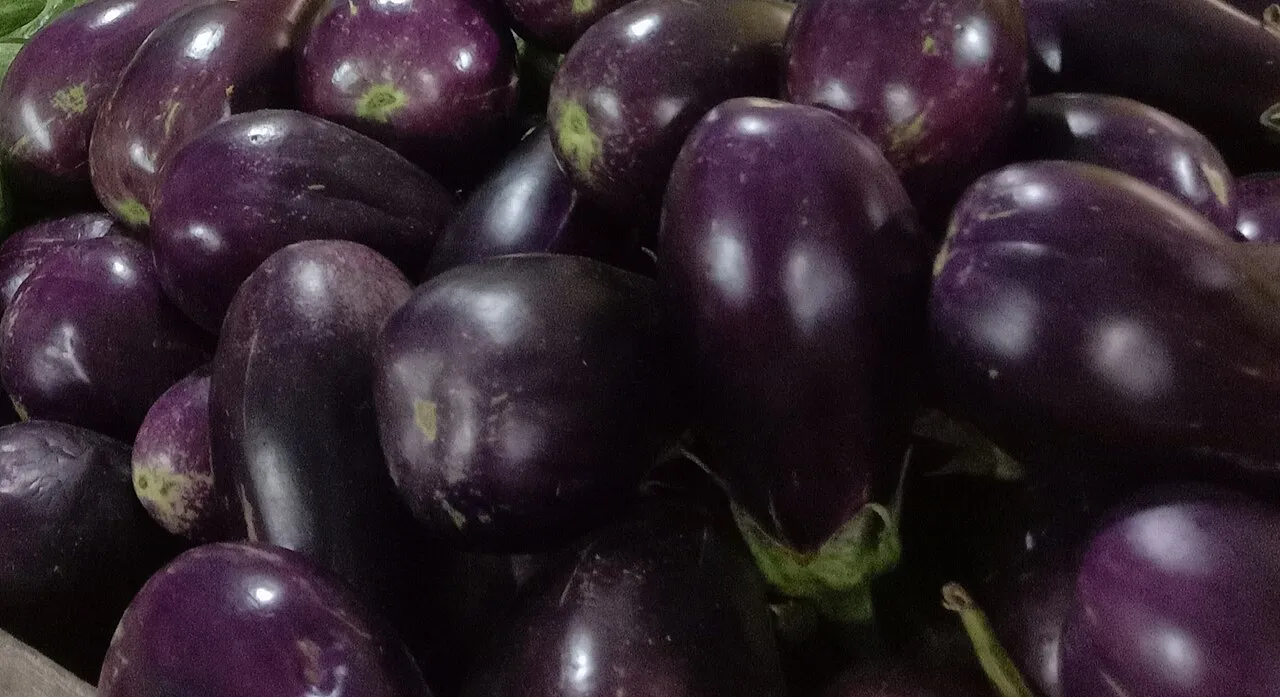
Three Parsi brinjal preparations are described by named cooks:
- Vengna no patiyo. Mavalvala describes it as brinjal in an onion and tomato chutney, made the same way as jhinga no patiyo with the prawns swapped out.
- Dahi na vengna. Spiced brinjal with yoghurt, from The Vegetarian Parsi. Mavalvala also says brinjal is a common vegetable for Parsis, pan-fried in masala with yoghurt.
- Ravaiya. Perzen Patel notes that ravaiya is a Gujarati dish of baby brinjals, and that the Parsi version she has come across stuffs them with a mint, coriander and coconut chutney. In her recipe the slit brinjals are seared in ghee or oil, then covered and cooked with the leftover chutney until tender. She serves them hot with rotis.
King also points to a Parsi habit worth remembering for any brinjal dish. Her smoky brinjal salad adds sugar, "in keeping with our love for sweet things in savory guises", though she calls the sugar optional. If you like a charred note, our piece on Parsi-style grilling looks at Parsi flavours over open heat.
What about capsicum in Parsi cooking?
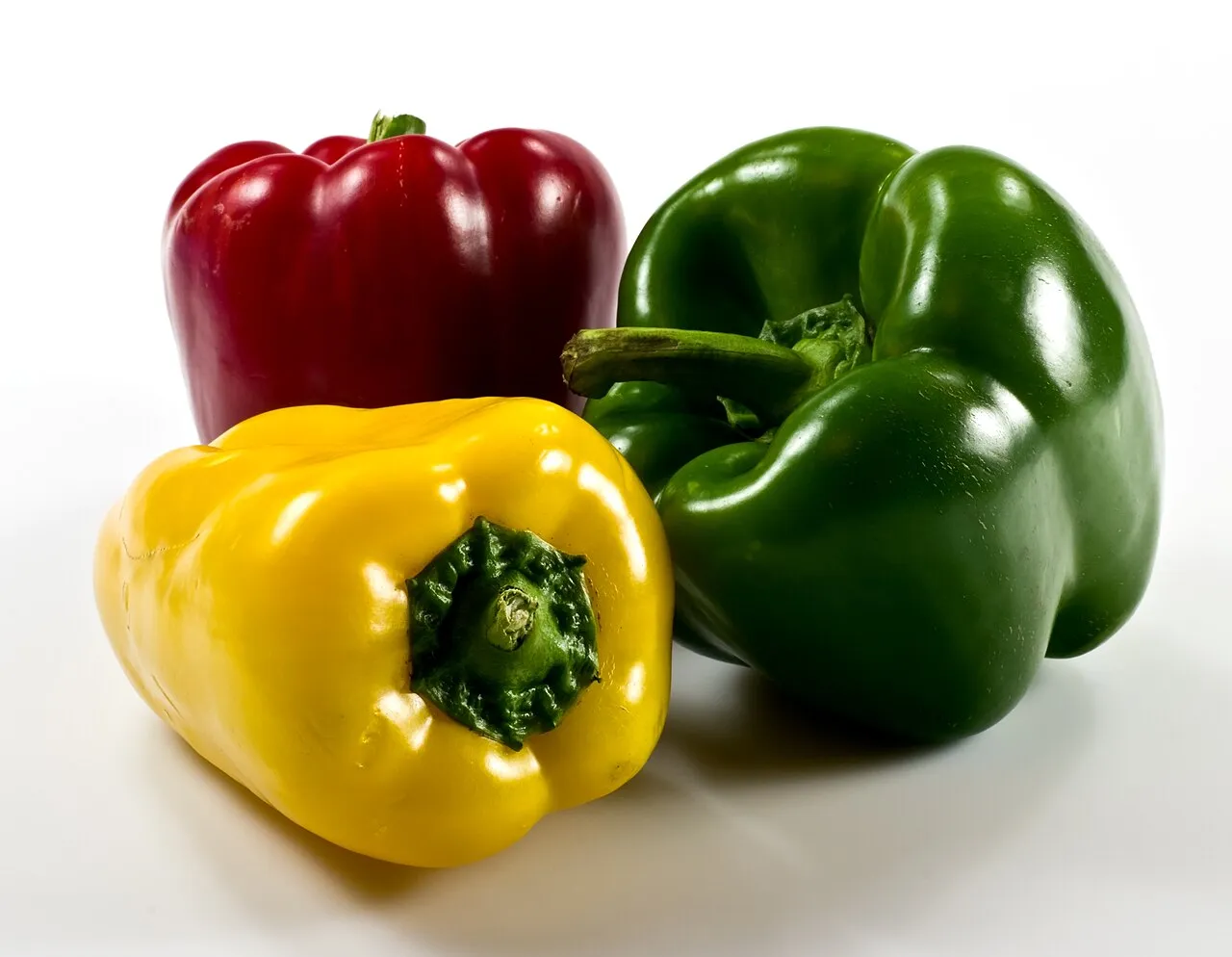
Here the trail is thinner. The only Parsi capsicum dish we could confirm by name is marcha ni curry, the green pepper curry in Mavalvala's The Vegetarian Parsi. The interview that describes the book lists it but does not give the method, and we could not open the recipe itself. So we can't tell you how she cooks it, and we won't guess.
How can you cook brinjal and capsicum together the Parsi way?
Honestly, by improvising from the sourced dishes above, and knowing that you are improvising. The patiyo route gives you an onion and tomato base that Mavalvala uses for prawns and brinjal alike. The dahi na vengna route gives you spiced brinjal with yoghurt. Neither source mentions capsicum, so if you add it, that is your own addition, not a tradition we can vouch for. We have left out quantities on purpose: none of our sources supplies them for this combination.
To finish a vegetable pan with eggs on top, see our post on Per eedu.
Where does a vegetable dish sit in a Parsi meal?
In Mavalvala's childhood home, she told Slurrp, a vegetable dish was on the table to start the meal, and it was often eaten as a main course alongside fried fish. Vegetables have had less attention in print. A 2015 Outlook Traveller feature by Shabnam Minwalla joked that Parsi cookbook authors seem "better acquainted with eggs than eggplants". K.E. Eduljee, writing in FEZANA's 2012 book Eat, Live, Pray, is plainer about it: leaving aside individuals and bodies like the Parsi Vegetarian & Temperance Society, Zoroastrians have no consistent tradition of community-wide vegetarianism. For the wider picture, see our guide to Parsi food.
Frequently asked questions
Do Parsis eat vegetarian food?
Yes, though the community is not vegetarian as a whole. K.E. Eduljee, writing in FEZANA's 2012 book Eat, Live, Pray, says Zoroastrians have no consistent tradition of community-wide vegetarianism. Cookbook author Niloufer Mavalvala calls the idea that Parsis never eat vegetables a widely held assumption, and her book The Vegetarian Parsi includes meatless dishes such as dahi na vengna.
Which vegetables do Parsis cook often?
Brinjal is one of them. Cookbook author Niloufer Mavalvala names it as a common vegetable in Parsi cooking, pan-fried in masala with yoghurt. Niloufer Ichaporia King's My Bombay Kitchen gives it a reference entry of its own, noting that Parsi cooks pick the brinjal's size and shape to match the dish they are making.
What is vengna no patiyo?
Vengna no patiyo is brinjal cooked in an onion and tomato chutney. According to cookbook author Niloufer Mavalvala, it is made exactly the way a prawn patio (jhinga no patiyo) is made, with brinjal taking the place of the prawns. That makes it a meatless take on the prawn patio, and a sensible base for a brinjal pan.
What do you serve with a Parsi brinjal dish?
Perzen Patel serves her ravaiya, stuffed baby brinjals in a coconut chutney, hot with rotis. Niloufer Mavalvala recalls a vegetable dish opening the meal in her childhood home, and often being eaten as a main course with fried fish on the side. Either way works for a brinjal pan, so pick whichever suits your table.


