 PalV's Kasti
On this page
A Parsi mutton dhansak is made in three parts. You cook marinated mutton until it's tender and keep the stock. You cook soaked lentils in that stock with a blended paste of tomato, pumpkin, brinjal and dhansak masala, then blend the dal smooth. Then the meat goes back into the dal for a final simmer, and the whole thing is served over caramelised "brown" rice with kachumber and lemon. This recipe of dhansak follows Perzen Patel's method, published in March 2024 in her newsletter Beyond Butter Chicken. Patel says she has cooked more than 5,000 litres of dhansak as a caterer in India. Her recipe serves six. Give yourself most of a morning: Patel says the long preparation is the reason Parsi families usually sit down to dhansak on a Sunday afternoon.
If you want the background first (what the dish is and why it belongs to the community), read our main guide to Dhansak.
શહેરેવર રોજ
Shehrevar Roj, Tir Mah · 1396 Y.Z.
What ingredients do you need for mutton dhansak?
These are the quantities in Perzen Patel's 2024 recipe for six people. She lists the meat as lamb, goat, beef or chicken. For a mutton dhansak, use goat mutton.
For the mutton
- 1 kg mutton
- 1 tbsp ginger paste
- 1 tbsp garlic paste
- Salt
For the dal
- 100 g toor dal, 50 g moong dal and 50 g masoor dal
- 3 tbsp ghee or oil
- 1 small onion, chopped fine
- 75 g pumpkin, peeled and chopped
- 50 g small brinjal, chopped
- 1 tbsp fenugreek (methi) leaves
- 3 to 4 tomatoes, about 200 g (Patel says tinned tomatoes are fine)
- 10 to 12 curry leaves
- 1 tsp turmeric and 1 tsp red chilli powder
- 2 heaped tbsp dhansak masala
- Salt
For the brown rice
- 250 g basmati rice
- 50 g jaggery
- 2 tbsp ghee or oil
- 2 bay leaves, 4 to 6 cloves, 2 star anise and 2 tsp cumin seeds
- Salt
You'll also want kachumber and lemon wedges on the table. Kachumber is a finely chopped salad of onion, cucumber and tomato.
How do you cook mutton dhansak, step by step?
Patel gives her timings for a pressure cooker or Instant Pot. Put the dal to soak before anything else. Her recipe doesn't state a soaking time, so we haven't added one.
- Rub the mutton with salt, ginger paste and garlic paste. Leave it for an hour.
- Pressure cook the mutton with roughly a cup of water until it is fully tender. Patel puts this at about 40 minutes. Keep every drop of the stock.
- Make the tempering for the dal. Heat the ghee in a pan, fry the curry leaves until crisp, then add the onion and let it brown.
- Add the tomatoes, pumpkin, brinjal, turmeric, chilli powder and dhansak masala. Cook for five minutes. If the pan dries out, splash in water and give it another five to ten. The brinjal should be soft right through and the pumpkin nearly so.
- Blend this mixture to a smooth paste.
- Rinse the soaked dal well and put it in the pressure cooker with the paste and all of the mutton stock. Top up with water until the liquid sits about a knuckle's depth above the dal.
- Cook until the dal has fully broken down, about 40 minutes under pressure. Salt it to taste.
- Blend the dal with a hand blender until you have a smooth brown gravy.
- Return the mutton to the dal and simmer for 15 minutes. Make the rice while it simmers.
Patel says a slow cooker gives the best-tasting dhansak, as long as you adjust the dal's cooking time to suit it. Her other lesson, learned over many tries, is not to rush the dish in the last hour before a meal.
How do you make the brown rice served with dhansak?
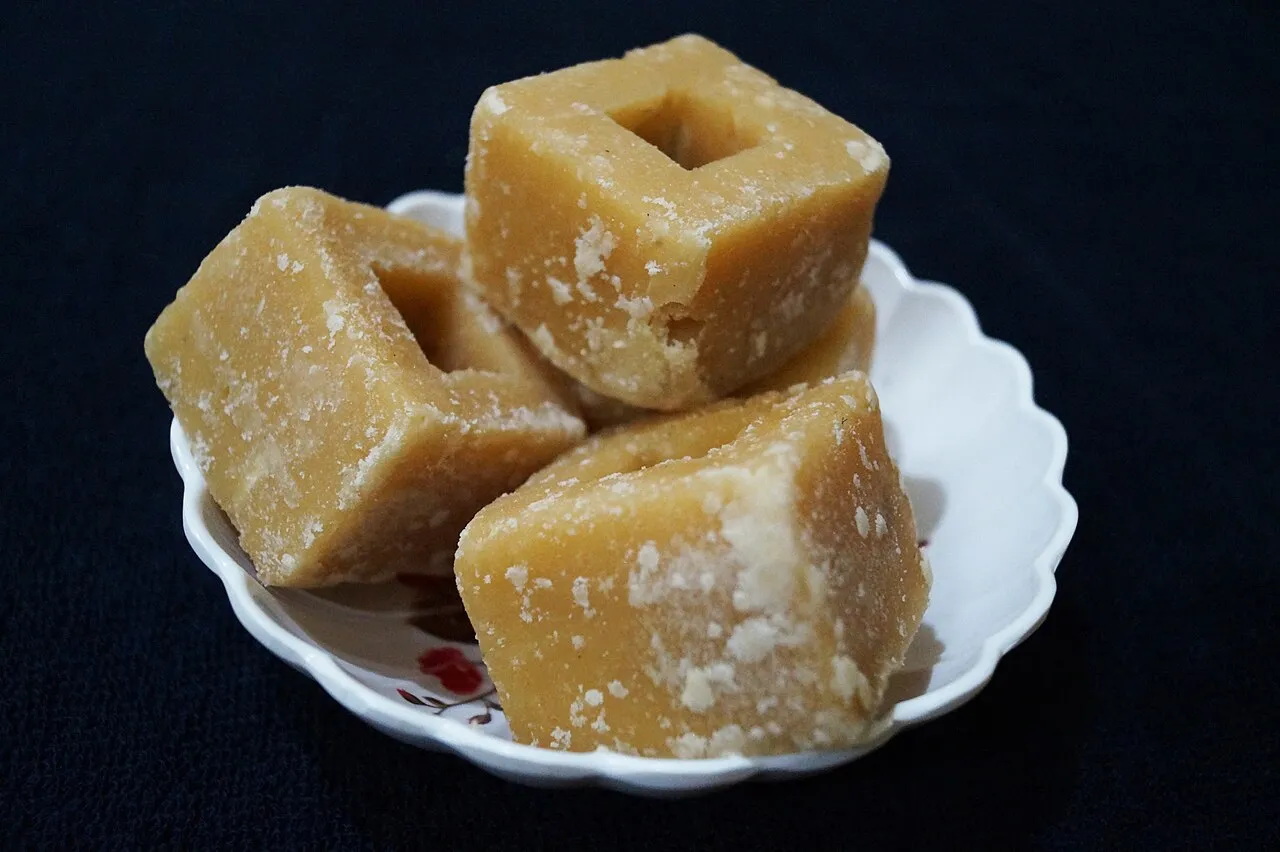
Parsi "brown rice" is white basmati coloured by caramel. It isn't wholegrain. In Patel's method, you heat the ghee, fry the bay leaves, cloves, star anise and cumin for a minute, then lower the heat to medium and melt the jaggery in it. Once the jaggery is molten and golden brown, stir in the raw rice and pour in two to three cups of water. Stand back: she warns that cold water hitting hot jaggery spits. Cook for about 20 minutes, then drain the rice in a colander. Raw sugar will do if you have no jaggery, though she says it won't taste as good.
To serve, Patel heaps rice on the plate, ladles dal over it and squeezes lemon on top. Outlook Traveller's guide to the dish lists fried papad and small kebabs as extras some traditional meals include alongside the rice and kachumber.
Which dal is best for dhansak?
There is no single correct mix, and Parsi cooks argue about it. Patel's 2024 recipe uses three dals. Her earlier recipe for Pulses.org, from May 2016, used toor dal alone, along with drumsticks and Parsi sambhar masala. In Sona Bahadur's book An Invitation to Feast (Aleph Book Company), the culinary teacher Jeroo Shroff objects to masoor taking the place of toor, saying people use it because it's cheaper and it changes the taste. In the same book, food photographer Yasmin Khambatta describes her mother's four-dal version of toor, chana, masoor and moong, made with carrots and no brinjal. Bahadur also quotes the food historian KT Achaya, who noted that dhansak once took at least three dals and as many as nine.
Our view: start with toor as the base. Patel and Shroff both build on it, and it's in every version above that names its dals.
What makes a dhansak curry taste right?
Patel is blunt that the dhansak masala makes or breaks the dish, and she calls it what separates a good dhansak from an exceptional one. She says it's easy to find in India. For what goes into the blend and how to make it at home, see our page on Dhansak masala.
Two more tips come from the cooks Sona Bahadur interviewed. Jeroo Shroff cooks the tomato tempering on a very low flame for a long time, until the tomatoes' water has gone, and only then adds the masalas. Mahrukh Mogrelia of Mahrukh's Kitchen says dhansak shouldn't be obviously sweet: the sweetness should come from pumpkin, not from sugar or jaggery, and the dal should be strained smooth. That isn't universal. Bahadur notes some cooks add jaggery and tamarind, and Outlook Traveller names tamarind as a familiar source of tang.
On pineapple, the sources disagree. Patel says the dhansak served in British curry houses uses pineapple, pomegranate and tamarind, which Parsis would find bizarre, while Bahadur records that some home cooks do add pineapple. Our guide to Dhansak covers how the Parsi dish differs from the curry-house one.
Can you make dhansak with chicken or without meat?
Yes. Patel's 2016 Pulses.org recipe says to swap in chicken and chicken stock, or to use plain water and leave out the meat for a vegetable dhansak. For a full method, see our Chicken dhansak recipe. Bahadur also notes that the late 19th-century Parsi cookbook Vividh Vani, by Meherbai Jamshedji Wadia, gives three dhansak recipes and allows either chicken or mutton. It's one of many dishes covered in our wider guide to Parsi food.
Frequently asked questions
What is dhansak curry like?
Perzen Patel describes Parsi dhansak as a thick, spicy dal rather than a curry. In her recipe, lentils are cooked with pumpkin, brinjal, tomato and fenugreek, blended smooth, and simmered with tender mutton. It's eaten over sweetish caramelised rice, with a tangy onion, cucumber and tomato kachumber and a squeeze of lemon on the side.
How long does mutton dhansak take to make?
Plan on most of a morning. In Perzen Patel's recipe the mutton marinates for an hour, pressure cooks for about 40 minutes, the dal cooks for another 40, and the two simmer together for 15. The tempering and rice add more time, though you can make the rice while the dal simmers.
Can I make dhansak without a pressure cooker?
Yes. Perzen Patel writes her timings for a pressure cooker or Instant Pot, but she says a slow cooker gives the best-tasting dhansak, as long as you adjust the dal's cooking time. Her recipe gives no open-pan timings, so whatever you use, cook the dal until it breaks down completely before you blend it.
Is dhansak dal the same as masala ni dar?
They're close relatives. Niloufer Ichaporia King writes in My Bombay Kitchen that when the dhansak dal is served with pulao instead of brown rice, it is called masala ni dar. Perzen Patel adds that if the meat isn't cooked in the dal, the dish is technically masala ni dar and not dhansak.
What do you serve with Parsi dhansak?
Brown rice comes first: basmati caramelised with jaggery or sugar and whole spices. Alongside go kachumber of onion, cucumber and tomato, plus lemon wedges. Outlook Traveller adds that some traditional meals include fried papad or small kebabs, and Sona Bahadur describes a Mumbai Sunday lunch served with prawn kavabs.


