 PalV's Kasti
On this page
Dhodhi ma gosht is mutton cooked in one pot with bottle gourd, the pale green vegetable that Parsi cookbooks such as Vividh Vani spell dodhi. It belongs to the family of "ma gos" dishes, where a vegetable is cooked together with bone-in meat. In the oldest written method we found, the meat goes in after fried onions, ginger, garlic and dry spices, and simmers in water. Peeled pieces of tender gourd are added once it boils, and at the end they are mashed into the gravy. Cookbook author Niloufer Mavalvala describes ma gos as a dinner dish eaten with rotli. Below we explain the ma gosht idea, why the gourd suits it, and the oldest written method we could find, from Meherbai Jamshedji Wadia's Gujarati cookbook Vividh Vani.
અદીબેહેસત રોજ
Ardibehesht Roj, Tir Mah · 1396 Y.Z.
What does "ma gosht" mean in Parsi cooking?
Gosht, also written gos, is meat, and Niloufer Mavalvala glosses ma gos simply as "with meat". So dhodhi ma gosht is gourd with meat. The name describes a method more than a single recipe.
Mavalvala, a Karachi-born cookbook author writing on Parsi food for The Cook's Cook, describes ma gos as a dinner habit in most Parsi homes: whatever vegetable is in season is cooked together with meat in one pot and served with fresh rotlis. Her rule of thumb is one part meat to two parts vegetable, and she stresses bone-in meat cooked slowly. She also traces the idea back to Persian cooks, who simmered meat with warm spices, dried fruit and nuts into thick gravies eaten with rice.
Gourd is only one member of a large family. Mavalvala names tamota ma gos (tomato) and masoor ma gos (brown lentils) as her own favourites. Perzen Patel, the cook behind the Bawi Bride, calls bhaji dana ma gosht, with greens and peas, a quintessential Parsi dish. Chef Daugdo Farokh Ragina, speaking to the Free Press Journal, recalled kamodio kan ma gosht with fried purple yam and sakaria kan ma gosht with sweet potato, and doubted many young Parsis had heard of either. You'll find more of these in our collection of Parsi recipes.
Why do Parsis cook mutton with bottle gourd?
Partly because its taste is so mild. Niloufer Ichaporia King, in My Bombay Kitchen, calls young, tender bottle gourd a favourite Parsi vegetable and points to its gentle, neutral taste, which works in sweet dishes as well as savoury ones.
Mavalvala is candid that the dish has a looks problem. She shares her version as an old family recipe and admits it tastes better than it looks. However it's cooked, she writes, the dish will never look inviting. She also writes that as a young adult she resisted ma gos as dull and kept it out of her own kitchen for years, and only later realised her family had missed out on vegetables like bottle gourd, brinjal and okra. She now calls this way of feeding a family clever, both for the purse and for nutrition.
How do Parsis cook mutton with bottle gourd?
We could not open a full modern recipe with quantities from a named Parsi cook. Mavalvala's Tatraylu Dodhi ma Gos appears in her book The Route to Parsi Cooking, but the method sits behind a paywall. So this section follows an older written source instead, and gives the method without measurements.
The Vividh Vani method: dodhi buriyani
Vividh Vani, the large Gujarati cookbook by Meherbai Jamshedji Wadia (the scanned edition on the Internet Archive is dated 1926), has a recipe it calls buriyani of kakdi, turiya, dodhi or vengna. In other words, meat cooked with cucumber, ridge gourd, bottle gourd or brinjal. The base recipe is written for brinjal, and for the gourd version Wadia says to use peeled pieces of tender dodhi in the same weight. Read in our own words, the method runs like this:
- Cut tender but fatty mutton into even pieces and wash it twice in cold water.
- Slice onions very fine and fry them red in ghee in a tinned pan (a tapeli), then add crushed ginger and garlic.
- Stir in the masala (dhana-jeeru powder, turmeric and pepper), roast it, then add the meat and salt, pour in cold water and cover.
- Once it comes to a boil, add the vegetable pieces.
- When everything starts to soften, add chopped coriander, green chillies and mint leaves, and keep cooking until the meat is tender.
- Lift the meat out, mash the softened vegetable well with a ladle, and return the meat to the pot.
That last step is the one worth noticing. The gourd isn't kept in neat cubes. It's crushed into the gravy, which is why the dish looks the way Mavalvala describes. Wadia also allows a tender chicken in place of the mutton.
Adjusting it in a modern kitchen
Mavalvala's one-to-two rule gives a starting point. Read by weight, which is our own reading of it, 500 g of bone-in mutton would take about 1 kg of peeled gourd. She also writes that her family changed the cooking process because she preferred some vegetables crisper rather than mushy, so the mashing step is a matter of taste.
What do you eat dhodhi ma gosht with?
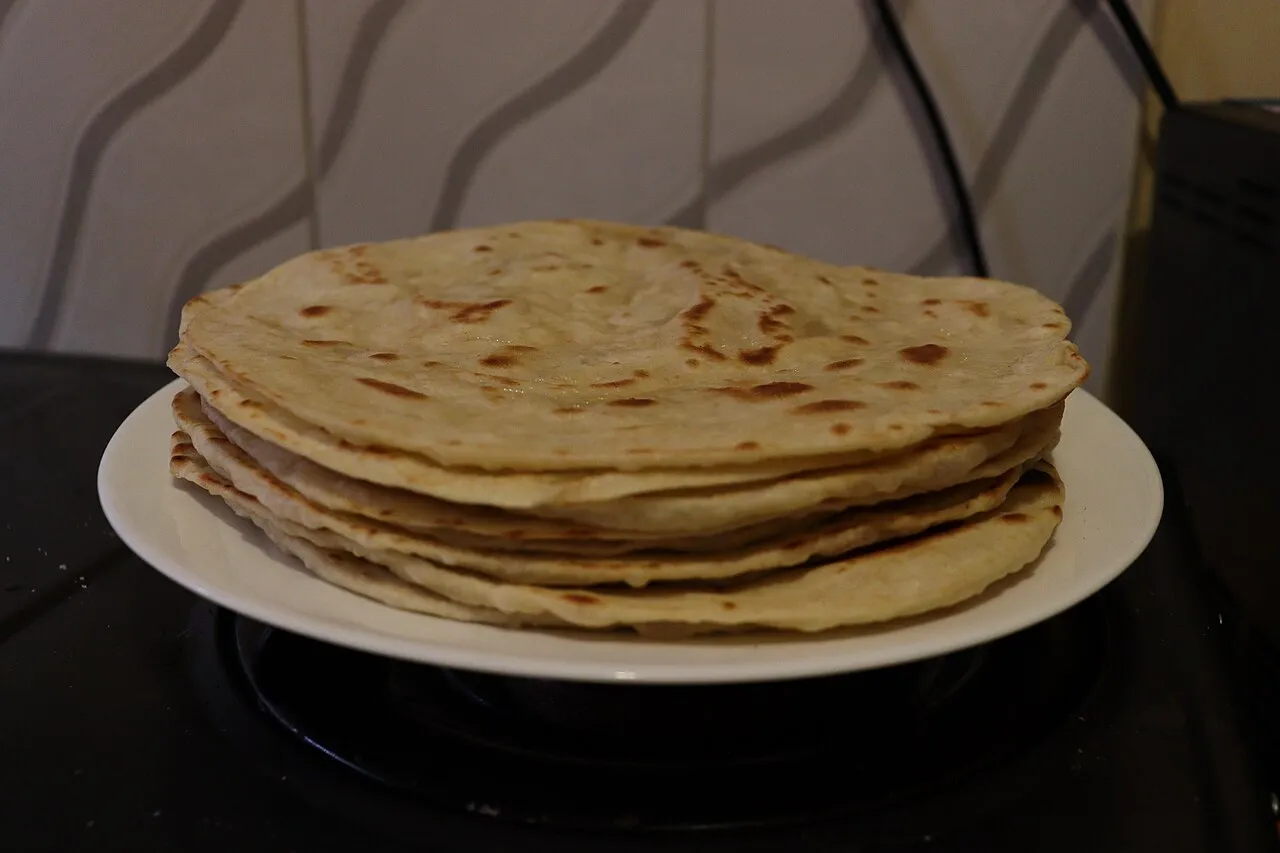
Bread. Mavalvala says her gourd version tastes good with fresh rotli, chapati or phulka, and she describes ma gos in general as a one-pot evening meal eaten with warm rotlis, sometimes with crisp bread instead.
Where to find bottle gourd outside India
King suggests looking for it under the names upo (Tagalog) or cucuzza (Italian), and notes it is turning up in mainstream markets, not only Indian and Asian shops. Both she and Wadia ask for young, tender gourd.
Frequently asked questions
What is dhodhi ma gosht?
It is a Parsi one-pot dish of mutton cooked with bottle gourd, also spelt dodhi ma gos. In Meherbai Wadia's old method, onions, ginger, garlic and dry spices go in with the meat, and the softened gourd is mashed into the gravy. Niloufer Mavalvala describes ma gos dishes as dinner food eaten with fresh rotli.
What does "ma gos" mean in Parsi food?
Cookbook author Niloufer Mavalvala glosses "ma gos" as "with meat". It names a style rather than a single dish: a seasonal vegetable or lentil cooked in one pot with meat. She suggests one part meat to two parts vegetable, with bone-in meat cooked slowly until tender.
Which vegetables do Parsis cook with mutton?
Many. Named examples include bottle gourd, tomato, brown lentils (masoor), greens with peas (bhaji dana), purple yam (kamodio kan), sweet potato (sakaria kan), brinjal and okra. Meherbai Wadia's Vividh Vani also cooks meat with cucumber and ridge gourd, and sets out the method so that any of four vegetables can be used.
What do you eat dhodhi ma gosht with?
Eat it with fresh rotli, chapati or phulka. Niloufer Mavalvala says her family's gourd and mutton dish tastes good with any of these. She describes ma gos dishes in general as a hearty one-pot evening meal served with warm rotli or crisp bread, so plain bread is the usual partner.
Can you use chicken instead of mutton?
Yes. Meherbai Jamshedji Wadia's Vividh Vani, the old Gujarati Parsi cookbook, says its gourd and meat buriyani can be made with a tender chicken in place of mutton, following the same method. The rest of the method stays as it is: onions, spices, meat, water, then the gourd mashed into the gravy at the end.


