 PalV's Kasti
On this page
- What is lagan nu custard?
- Why is lagan nu custard served at Parsi weddings?
- How is lagan nu custard different from caramel custard?
- How do you make lagan nu custard at home?
- What are frilly cutlets, and how do they get their frill?
- Are frilly cutlets really a Parsi wedding dish?
- Frequently asked questions
Lagan nu custard is a must at a Parsi wedding because it is the sweet that closes the lagan nu bhonu, the wedding feast served on banana leaves. FEZANA's cookbook lists it in the final sweet course, and cookery writer Durri Bhalla says most Parsi weddings end with it. Frilly cutlets are a different story. Chef Jamsheed Bhote paired them with the custard as two dishes born of British-era crumb frying and baking, but none of the wedding menus we checked lists them as a fixed course. Treat them as a popular Parsi dish, not a wedding rule.
અદીબેહેસત રોજ
Ardibehesht Roj, Tir Mah · 1396 Y.Z.
What is lagan nu custard?
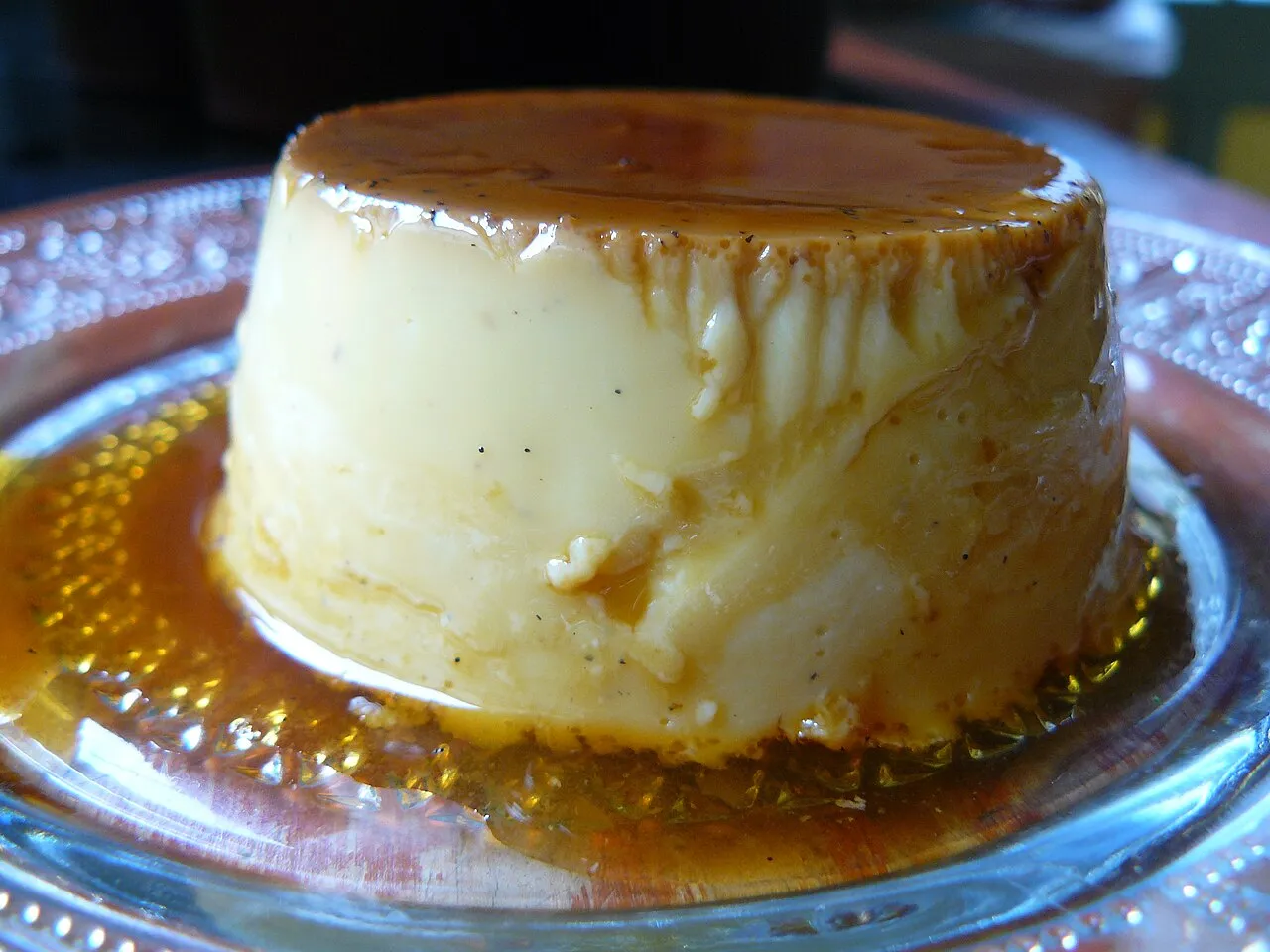
Lagan means wedding, so lagan nu custard is simply "wedding custard". It is a baked pudding of milk and eggs, sweetened, flavoured with vanilla or cardamom, and scattered with almonds and pistachios. Chef Jamsheed Bhote, speaking to The Hindu in 2013, called it rich and close to a cake in texture. Outlook Traveller went further and said it is dense enough to be sliced rather than scooped. Goya's profile of the Mumbai wedding caterer Tanaz Godiwalla adds that it is baked until blisters form on top.
Why is lagan nu custard served at Parsi weddings?
The custard has a fixed seat in the order of the feast. FEZANA's 2012 cookbook Eat, Live, Pray sets out the traditional wedding meal as six to eight courses served on banana leaves: vegetables and pickle, then chicken, meat, fish, rice with dal, and finally a sweet course of lagan nu custard and kulfi. The fish course there includes tareli machi, and our guide to Parsi fried fish covers how that dish is made at home.
Cookery writer Durri Bhalla, in The Telegraph, says that at most Parsi weddings you will be served lagan nu custard at the end of the meal. She also repeats a saying that it is the first dish a Parsi bride has to learn. In Bhote's own words, the custard is "a must at our weddings", while bread butter pudding or caramel custard is the staple dessert at an ordinary Parsi meal.
The scale is large too. Godiwalla told Homegrown that she burns 120 litres of milk per venue when she makes custard.
Where did the custard come from?
Several sources point to the British. Niloufer Mavalvala, writing for The Cook's Cook, says Parsis adopted the British custard, which the community calls "custer", and made it their own with plenty of nuts and cardamom. Outlook Traveller describes Parsi housewives in Bombay reworking the stews, custards and sauces that arrived with the British. FEZANA's cookbook, writing about caramel custard, another Raj favourite, gives a reason such puddings caught on: sweets across the subcontinent were already milk-based, so a custard felt familiar.
How is lagan nu custard different from caramel custard?
Bhalla puts it neatly: lagan nu custard is rather like caramel custard without the caramel. Caramel custard, as in Sarosh Khariwala's recipe in the same FEZANA book, is baked in small ramekins lined with caramel. The wedding custard is baked in a single ovenproof dish, topped with nuts and cardamom, and cut into squares. In Silloo Behrana's recipe, a little sugar is browned in a pan and the milk is stirred into it, so the caramel goes into the custard itself instead of lining the dish.
How do you make lagan nu custard at home?
This method follows Silloo Behrana's recipe for lagan nu custard in FEZANA's Eat, Live, Pray (2012). It is a feast-sized batch that serves 20 to 24.
- 1.5 litres milk
- One 300 ml tin of condensed milk
- 4 tbsp (50 g) sugar, plus 2 tbsp (25 g) more for caramelising
- 6 eggs
- 1½ tsp vanilla essence
- 85 g blanched almonds, chopped
- 85 g blanched pistachios, chopped
- 1½ tsp cardamom powder
- Bring the milk to the boil with the 4 tbsp sugar and keep it on a medium flame for around 15 minutes.
- Stir in the condensed milk.
- In another pan, melt the remaining 2 tbsp sugar over a low flame until it turns brown.
- Pour the milk into the browned sugar and stir until it dissolves. Take it off the heat and let it cool fully.
- Beat the eggs and mix them into the milk with the vanilla. Make sure the milk has cooled before the eggs go in.
- Pour into an ovenproof dish and scatter the almonds, pistachios and cardamom over the top.
- Bake in an oven heated to 180°C for one and a half to two hours, until the top turns light brown.
- Cool, then chill in the fridge before serving.
Mavalvala's own version takes a gentler route. She bakes hers in a water bath for a much shorter time and warns firmly against overbaking, since the custard should still wobble slightly at the centre when it comes out.
What are frilly cutlets, and how do they get their frill?
Frilly cutlets are meat cutlets wrapped in a crisp net of fried egg. The frill comes from reversing the usual order of crumbing. Bhote explained it to The Hindu: normal crumb frying dips the meat in egg and then in crumbs, but Parsi cooks do it the other way round. Egg whites are whisked to peaks, the yolks are folded back in, and each cutlet goes into crumbs first and the fluffy egg second before frying. As the cutlet fries, a frilly net of egg forms around the meat.
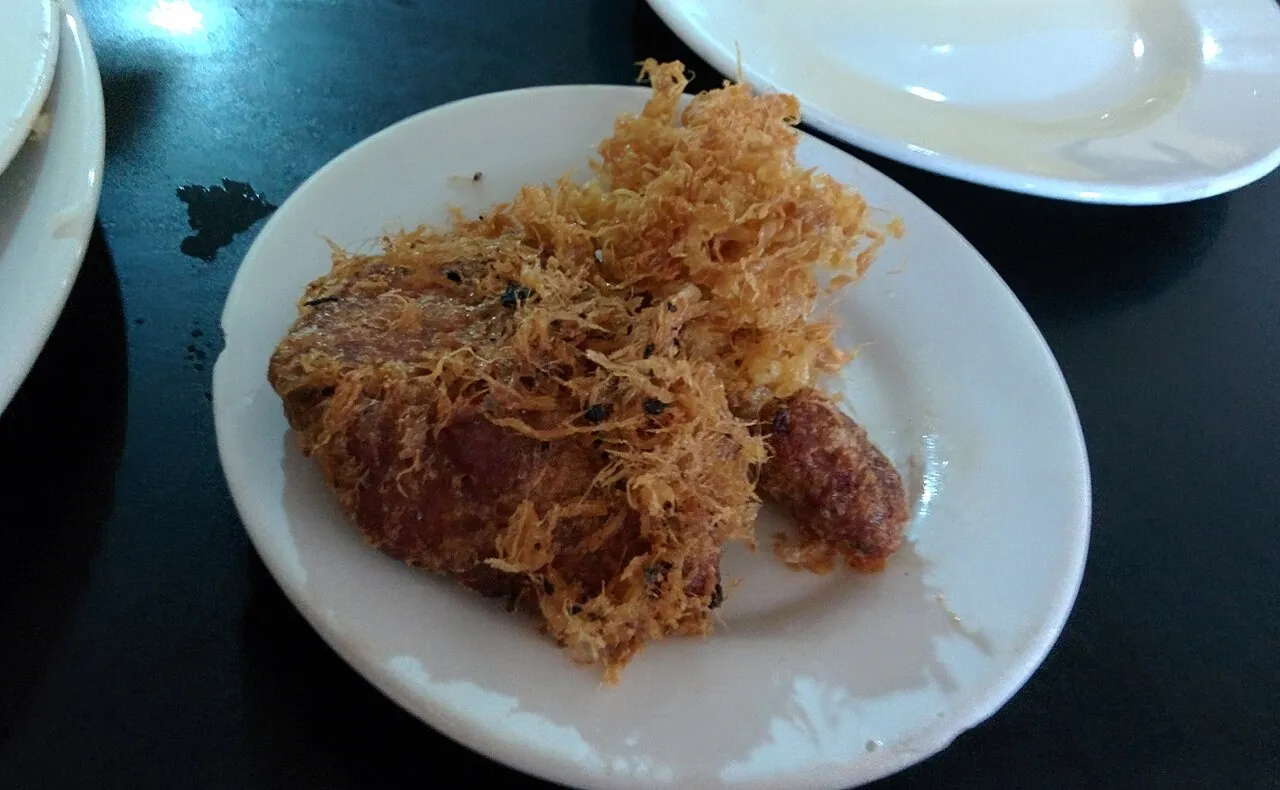
The same order appears in print. Thrity Yazdi Tantra's lamb cutlet recipe in FEZANA's cookbook coats the cutlets in breadcrumbs, then dips them in whites beaten stiff with the yolks added back, and shallow-fries them. She serves them with a sweet and spicy tomato gravy. Mavalvala explains why a sauce matters: Parsis dislike food without a "rus", or gravy, and a tomato gravy is the usual partner for cutlets.
Are frilly cutlets really a Parsi wedding dish?
Not on the evidence we could find. The pairing of frilly cutlets with wedding custard comes from a 2013 Hindu feature on Bhote's Parsi food festival at The Trident, where he named both as popular dishes that arrived with British crumb frying and baking. That ties them together by history, not by the wedding menu. FEZANA's course-by-course wedding feast, Goya's account of a wedding feast Godiwalla catered and Outlook Traveller's description of the banana-leaf patra all leave cutlets out.
Who the dish belongs to is also disputed. Outlook Traveller counts frilly chicken cutlets as part of the wider Parsi love of food, and Bhote presents them as Parsi. Mavalvala, herself a Parsi cookbook author, calls frilly cutlets a dish of "our Bohra friends", made with thin beef cutlets dipped in egg and deep-fried. Both communities cook them, and we found no source that settles who made them first.
For more dishes from the same table, start with our Parsi recipes guide or the wider story of Parsi food. If you want something lighter than a feast, the Dhan dar patio post walks through the rice, dal and prawn combination.
Frequently asked questions
What does lagan mean in lagan nu custard?
Lagan means wedding, so lagan nu custard is wedding custard. The same word appears in lagan nu bhonu, the wedding feast, and lagan nu achar, the carrot and dried fruit pickle served at the start of that feast. The custard is the sweet that usually closes the meal.
Is lagan nu custard served hot or cold?
Silloo Behrana's recipe in FEZANA's cookbook has you cool the baked custard and chill it in the fridge before serving. Niloufer Mavalvala says it is traditionally eaten at room temperature, though warm or chilled is fine too. Either way, Mavalvala advises letting the custard cool completely before you cut it into squares.
What is served with frilly cutlets?
A tomato gravy. Niloufer Mavalvala writes that Parsis dislike food without a "rus", or gravy, and calls tamota ni gravy a crucial side for egg-dipped cutlets, describing it as ketchup cooked down with jaggery and spices. Thrity Yazdi Tantra's cutlet recipe in FEZANA's cookbook is likewise served with a sweet and spicy tomato gravy.
Are frilly cutlets Parsi or Bohri?
Sources disagree. Chef Jamsheed Bhote presents frilly cutlets as a Parsi dish shaped by British crumb frying, and Outlook Traveller lists them among Parsi favourites. Parsi cookbook author Niloufer Mavalvala credits them to "our Bohra friends", describing thin beef cutlets dipped in egg and deep-fried. Both communities make them, and no source we found settles the question.


