 PalV's Kasti
On this page
To make kharo gos with papeta no ras, you fry pounded ginger-garlic and onions in oil, add turmeric, garam masala and whole spices (star anise, cinnamon, cloves and bay leaves), then cook a kilo of mutton, fat and all, in that masala until the oil separates from the meat. Small potatoes and chopped coriander go in next. After half an hour in the pan, everything moves to a pressure cooker with enough water to make a gravy. You eat it with bhrun pao or rice and a squeeze of sharbati limbu. This method follows the recipe Mahafrin Umrigar, a home chef, shared in her Chomp & Cheers column in Parsi Times in November 2016. There's no tomato anywhere in her list.
Umrigar first cooked at ten, beside her grandmother, and later carried on and expanded her mother's cooking business, according to Parsi Times. For more everyday and festive dishes, start with our guide to Parsi recipes.
શહેરેવર રોજ
Shehrevar Roj, Tir Mah · 1396 Y.Z.
What ingredients do you need for kharo gos papeta no ras?
These are Umrigar's quantities. She doesn't say how many people they serve.
- 1 kg mutton, with its fat left on (Umrigar says the fat gives the authentic taste)
- 250 g small potatoes
- 2 onions, chopped fine
- A small bunch of coriander, chopped
- 2 tbsp freshly pounded ginger-garlic
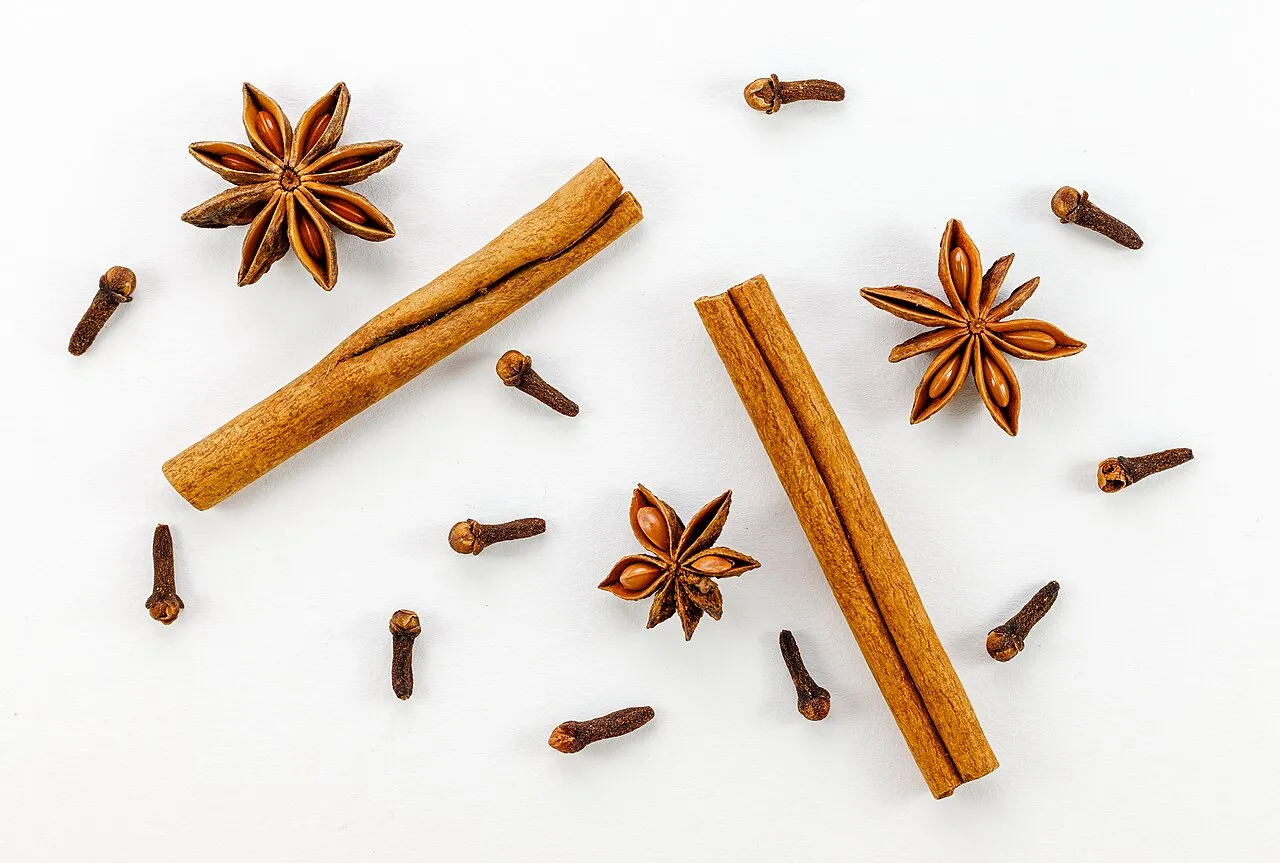
- 4 bay leaves, 2 star anise (badiyan), 1 cinnamon stick and 4 to 6 cloves
- ¼ tsp turmeric and ¼ tsp garam masala
- Cooking oil
- Salt
How do you cook kharo gos, step by step?

- Heat oil in a large, wide pan. Umrigar uses an aluminium one.
- Put in the pounded ginger-garlic and the onions. Fry until the onions turn translucent.
- Stir in the turmeric and garam masala along with the star anise, cinnamon, cloves and bay leaves.
- Add the mutton. Keep cooking until you can see the oil coming away from the meat.
- Splash in a little water so nothing catches on the base.
- Add the potatoes and coriander last. Salt a bit more generously than you normally would, as Umrigar advises.
- Let it cook in the open pan for about 30 minutes.
- Move it to a pressure cooker and add enough water for the gravy you want. Cook on high heat for 10 whistles, then for 20 minutes on low.
What do you serve with kharo gos?
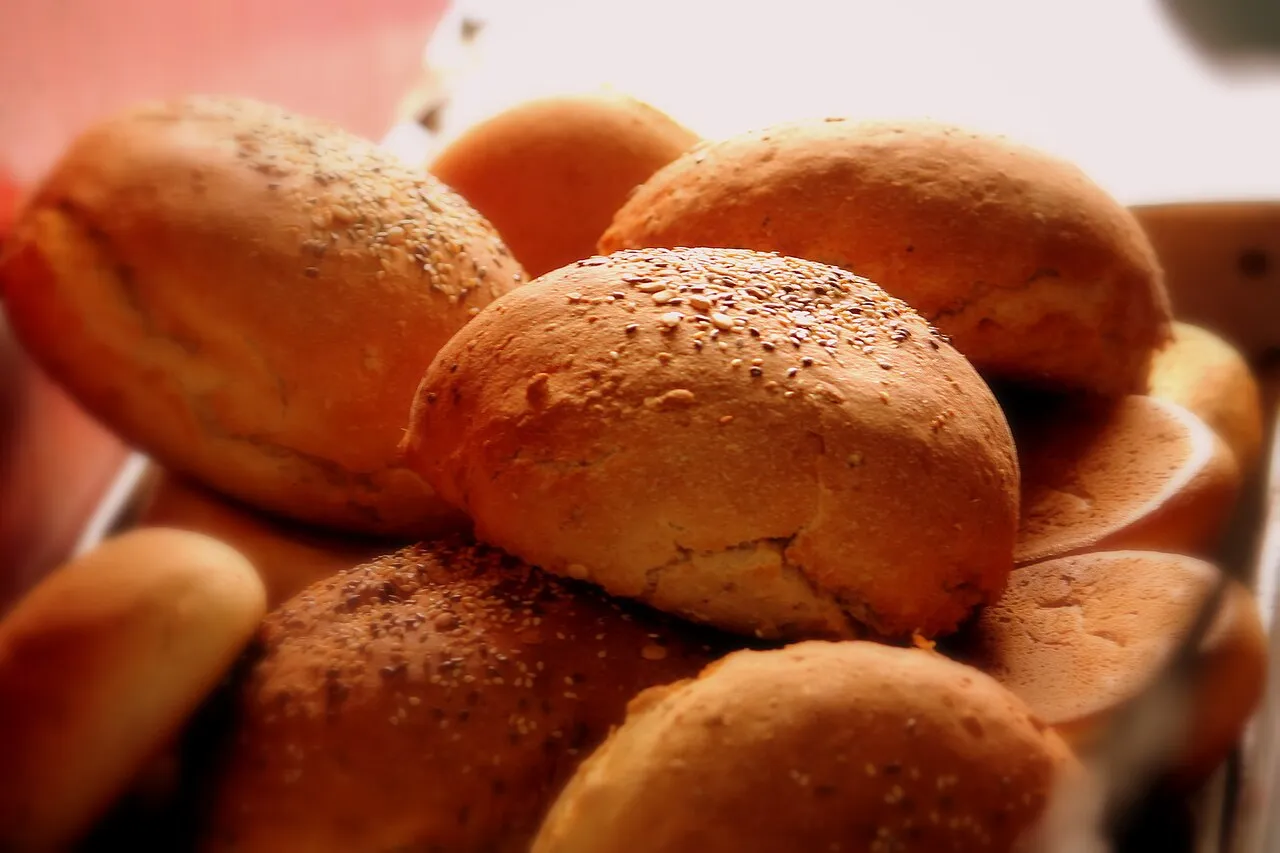
Umrigar serves it with bhrun pao or plain rice, with fresh sharbati limbu squeezed over the plate. That's all her recipe asks for alongside. The bread or rice is there for the gravy.
If you want a second mutton dish on the table with more greens in it, our recipe for Bhaji dana nu gosh follows a recipe from the same Parsi Times column. And if you're planning a bigger meal, see how the courses of a Parsi festive spread fit together.
Is kharo gos the same as kharu gos or papeta ma gos?
We haven't found a source that settles whether these are one dish or three. What we can show is that three published recipes all cook meat and potatoes with whole spices, and they differ in the details. Chef Cyrus Todiwala spells his version "kharu gos" in his cookbook Café Spice Namaste, and he uses lamb. Papeta ma gos is the meat-and-potato recipe that FEZANA's 2012 cookbook Eat, Live, Pray places in its Gahambar chapter. (We cover ghambar nu papeta ma gosht, the Gahambar feast stew, in a separate post.) Here's how the three written recipes compare.
| Recipe | Tomato | Whole spices | Potatoes | Cooking |
|---|---|---|---|---|
| Kharo gos papeto no ras (Mahafrin Umrigar, Parsi Times, 2016) | None | Star anise, cinnamon, cloves, bay leaves | Small, cooked in the gravy | Open pan, then pressure cooker |
| Kharu gos (Cyrus Todiwala, Café Spice Namaste) | One, optional | Cinnamon, green and black cardamom, dried red chillies, with ground cumin | Large chunks, simmered in the gravy | Covered pan on the stove; serves 4 |
| Papeta ma gos (Armin Wandrewala, FEZANA, 2012) | 500 g | Cinnamon, cloves, cardamom, peppercorns | Half-boiled, fried golden, added at the end | Stove; serves 6 to 8 |
So the tomato-free gravy and the potatoes cooked right in it are what set Umrigar's kharo gos apart. We looked for a published explanation of the word "kharo" in the dish's name and didn't find one we could rely on, so we've left it unexplained rather than guess.
Can you make kharo gos without a pressure cooker?
Umrigar's recipe is written for a pressure cooker, and she gives no stovetop timing. Todiwala's kharu gos shows the slower route. He cuts a pound of boneless leg of lamb into small cubes, nearly covers it with water or stock, and simmers it in a tightly covered pan for 15 to 20 minutes. Then the potatoes go in and the pot simmers until both meat and potatoes are tender. Those minutes are for boneless lamb. With Umrigar's fatty mutton, our advice is to go by tenderness rather than the clock: keep the lid on, stir now and then, add water if the pan starts to dry out, and put the potatoes in only once the meat is close to done.
For the wider story of how Parsis cook and eat, read our introduction to Parsi food.
Frequently asked questions
Does kharo gos have tomatoes?
Not in Mahafrin Umrigar's version. Her 2016 Parsi Times recipe builds the gravy from onions, ginger-garlic, turmeric, garam masala and whole spices, with no tomato at all. Cyrus Todiwala's kharu gos lists one chopped tomato as optional. FEZANA's papeta ma gos, a related meat-and-potato dish, uses a full 500 grams of tomatoes.
Which mutton should I use for kharo gos?
Umrigar asks for one kilo of mutton with its fat still on, and says the fat is what gives the dish its authentic taste. Cyrus Todiwala's kharu gos takes a different line: a pound of boneless leg of lamb cut into small cubes, with the butcher asked to saw up the bone and hand it over.
How many whistles does kharo gos need?
Umrigar's method calls for 10 whistles on high heat followed by 20 minutes on low. That comes after the mutton and potatoes have already cooked for half an hour in an open pan. Before you close the lid, add enough water for the gravy you want, because the dish is meant to come out with a gravy.
What is kharo gos eaten with?
Mahafrin Umrigar serves kharo gos papeto no ras with bhrun pao or with plain rice. She finishes each plate with freshly squeezed sharbati limbu. Her method adds water in the pressure cooker so the mutton and potatoes come out in a gravy, which is why you'll want bread or rice alongside.


