 PalV's Kasti
On this page
Madav Saro (also written Mandav-saro, Madavsaro or Mado Saro) is the home rite that opens the festivities before a Parsi wedding. At both the bride's and the groom's homes, a young mango twig or sapling is planted near the front door, in the garden or in a pot, and most accounts put a little gold or silver in the soil with it. J.J. Modi, writing in 1922, describes the planting as a wish for fertility. Ervad Dr Ramiyar Karanjia calls it the sign of a new "tree" in the family. Published accounts name a priest or a male relative from the mother's side as the one who plants it, and the plant is then watered until after the wedding.
અસપંદામેદ રોજ
Asfandarmad Roj, Tir Mah · 1396 Y.Z.
What does the name Madav Saro mean?
The name comes from the mandav, the pandal or shamiana put up to seat wedding guests. Karanjia explains that saro marks the beginning: the rite signals that work on the mandav can start, with the wedding three days later. The 1899 Gazetteer of the Bombay Presidency, in its account of Parsi customs in Gujarat, makes the same link in its own words, calling it "the booth-building or mandav ceremony". Karanjia also uses the name mandav-muhrat.
Madav Saro is one of several customs that come before the wedding day. For the full sequence, see our guide to Parsi pre-wedding ceremonies.
When is Madav Saro performed?
Modi (1922) and Karanjia (2019) both place Madav Saro on the first of four festive days, with the wedding on the fourth. A 2016 Parsi Times feature says it falls four days before the lagan. The 1899 Gazetteer gives a different timing: about eight days before the marriage. Karanjia notes that it is usually done in the morning.
In Karanjia's account, the turmeric rite with the winnowing trays is held on the same first day, which we cover in our page on Supra ni reet and Haldi.
Practice varies between families and Agiaries; your family priest's guidance comes first.
How is the Madav Saro ritual performed?
The rite is done in both homes, at the bride's house and at the groom's. Karanjia, Noshir Dadrawala (Parsi Times, 2023) and the 1899 Gazetteer all agree on this. Karanjia's account gives the fullest modern description:
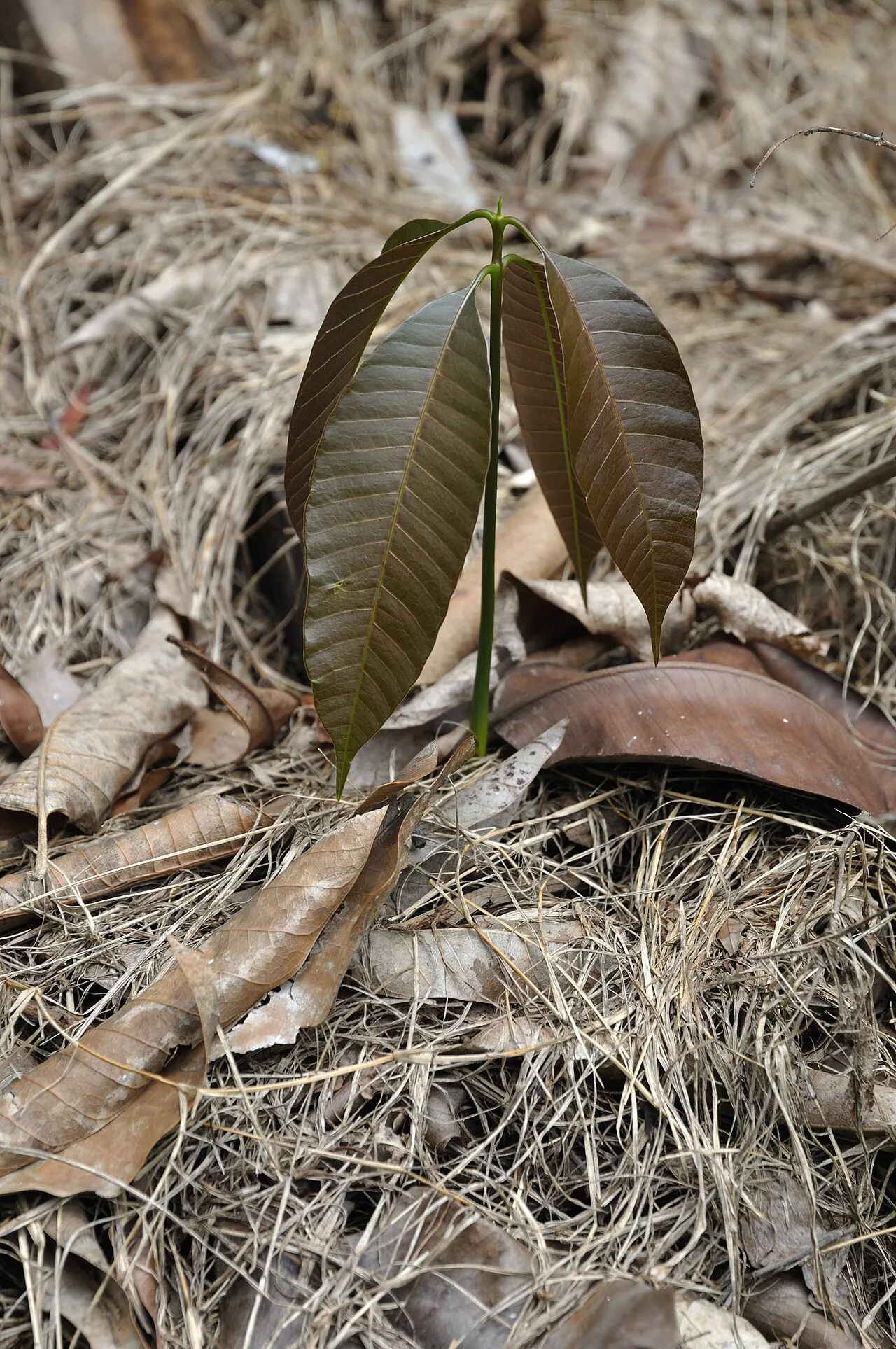
- A fresh mango twig is planted in the garden or in a flower-pot near the door.
- Two or three small gold and silver sequins (tilis) go into the soil or pot with it.
- Seven Yatha Ahu Vairyo prayers are said during the planting.
- Four married women help with the planting.
The last two points come from Karanjia alone, so check them with your priest.
Who plants the Madav Saro?
Karanjia says the planting is preferably done by the mama (maternal uncle) or another male relative on the mother's side, wearing a red turban, and that a priest may do it instead. Dadrawala describes the families inviting the family priest to pray and plant the tree, then placing the pot at the entrance of the home. The 2016 Parsi Times feature also says a priest presides.
How was it done in 1899?
The Gazetteer's account differs in its details. A Parsi man, with a shawl or a woman's silk robe wrapped around his head and a red mark on his forehead, dug a pit near the entrance of each house. Silver and gold went into the pit, and twigs of mango and of samri (Prosopis spicigera) were planted in it. Red and yellow marks were made on the wall, frankincense was burned beside the pit, and songs were sung.
Practice varies between families and Agiaries; your family priest's guidance comes first.
What goes into the pot with the mango plant?
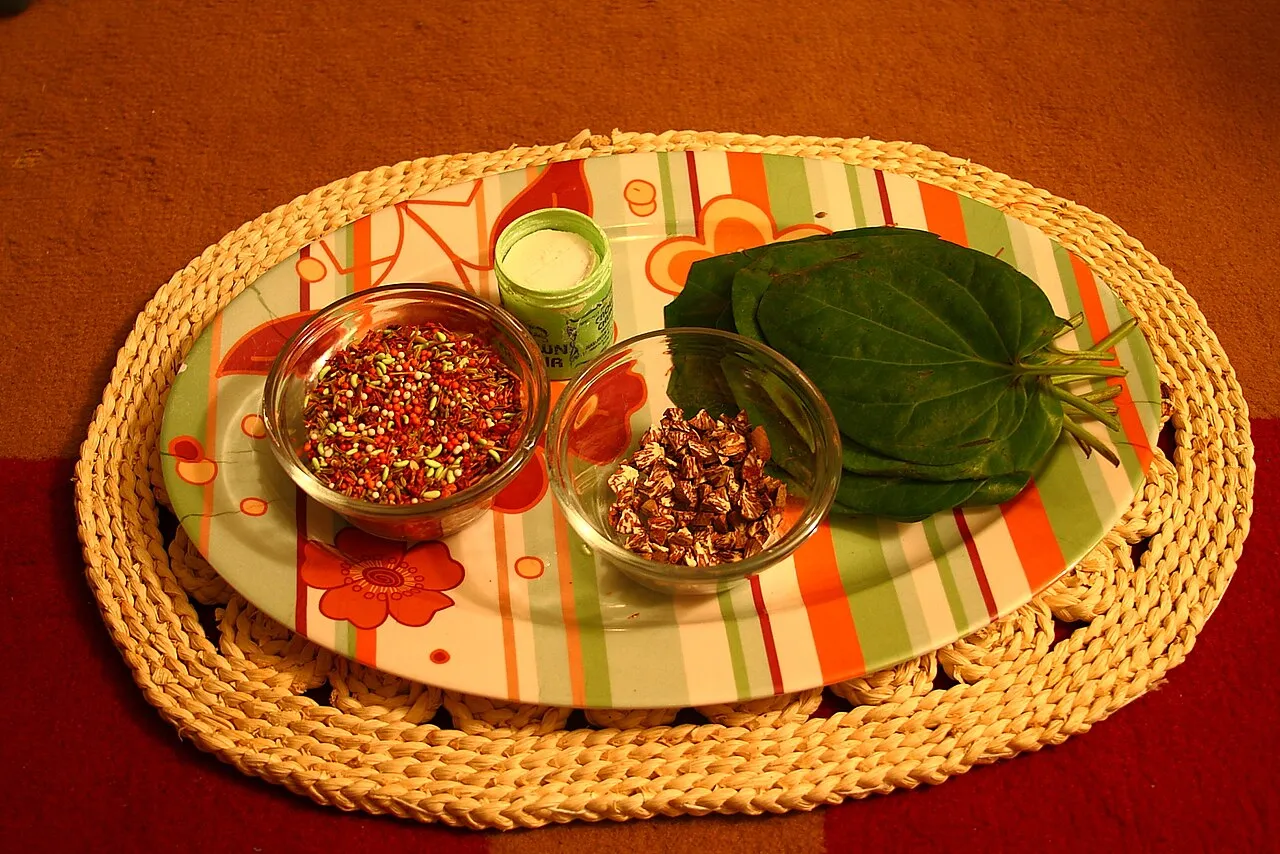
Four of the five accounts we read put gold or silver in the soil with the plant (Modi's short description doesn't mention it), and the other items vary:
- Karanjia (2019): two or three gold and silver tilis.
- Dadrawala (2023): silver coins for wealth and prosperity, paan (betel leaf) for love, supari (betel nut) for fertility, haldi (turmeric) for good health and kharak (dry dates) for lasting sweetness.
- Parsi Times (2016): betel nuts, dry dates, turmeric and three metals.
- Gazetteer (1899): silver and gold thrown into the pit.
The meaning given to each item above is Dadrawala's. To see what else a family buys ahead of the wedding, read our Parsi wedding preparations list.
Why is a mango plant used in Madav Saro?
Most of the writers we consulted read the planting as a sign of fertility. Modi says the twig is planted as "a wish for fertility". Dadrawala calls the mango plant a symbol of fertility and long life. Karanjia puts it as having a new "tree" in the family.
Is the mango an Indian addition? Dadrawala takes up this question. He notes that many assume the custom was adopted in India because the mango is an Indian fruit, and answers that Iranian Zoroastrians have long planted a pomegranate, pine or cypress on auspicious occasions, including every year on a birthday.
What happens to the Madav Saro plant after the wedding?
According to Dadrawala, the plant is watered every morning until the eighth day after the wedding and is then moved to the household courtyard, a garden or a farm. The 2016 Parsi Times feature puts it a little differently: the plant is watered every morning for eight days and replanted elsewhere after the wedding. We found no published source on what a family should do if the plant dies, so ask your priest.
Madav Saro is one of the pre-wedding customs, distinct from the earlier engagement rites. For those, see our guide to the Parsi engagement ceremony.
Practice varies between families and Agiaries; your family priest's guidance comes first.
Frequently asked questions
What is Madav Saro?
Madav Saro is the Parsi pre-wedding rite in which a mango twig or sapling is planted near the door of both the bride's and the groom's homes, usually with gold or silver in the soil. J.J. Modi describes it as a wish for fertility, and it opens the festive days before the wedding.
When is Madav Saro done?
J.J. Modi (1922) and Ervad Ramiyar Karanjia (2019) place it on the first of four festive days, with the wedding on the fourth day, and Karanjia says it is usually done in the morning. The 1899 Bombay Gazetteer recorded it about eight days before the marriage. Your family priest will confirm the day.
Why is a mango plant used for Madav Saro?
J.J. Modi links the planting to a wish for fertility, and Noshir Dadrawala calls the mango a symbol of fertility and long life. Dadrawala also notes that Iranian Zoroastrians plant a pomegranate, pine or cypress on auspicious occasions, which he cites against the view that Parsis adopted the custom in India.
What is put in the Madav Saro pot?
Most accounts put gold or silver in the soil. Karanjia mentions two or three gold and silver sequins. Dadrawala lists silver coins, betel leaf, betel nut, turmeric and dry dates, and a 2016 Parsi Times feature lists betel nuts, dry dates, turmeric and three metals.
Who performs the Madav Saro planting?
Ervad Ramiyar Karanjia says the maternal uncle or another male relative on the mother's side does it, wearing a red turban, with four married women helping, or a priest may do it. Noshir Dadrawala describes the family priest praying and planting the tree.


