PalV's Kasti
On this page
- Who founded Masina Hospital, and how did it start?
- When was the Masina Hospital Trust formed?
- What is Sans Souci, and how did the hospital get it?
- Who ran Masina Hospital after the founder?
- What did Masina Hospital add over the twentieth century?
- Is Masina the oldest hospital in Mumbai?
- Is Masina a Parsi hospital, and who can be treated there?
- What is Masina Hospital like today?
- Frequently asked questions
Masina Hospital in Byculla began in 1902, when Dr Hormusji Manekji Masina opened a small hospital for four patients on Clare Road. Within five years it had taken over neighbouring buildings and could hold more than a hundred patients. A trust was formed on 8 September 1907, and the same year the hospital came to Sans Souci, a former Sassoon family property that the hospital now lists as a heritage building. Masina's children headed the hospital until 1966. Today the trust runs it as a multispeciality charitable hospital that says it serves patients of every community.
અસપંદામેદ રોજ
Asfandarmad Roj, Tir Mah · 1396 Y.Z.
Who founded Masina Hospital, and how did it start?
The founder was Dr Hormusji Manekji Masina (the name also appears as Hormasji). The hospital's own history page describes him as a Fellow of the Royal College of Surgeons and says his aim was good medical care for people on the margins of the city.
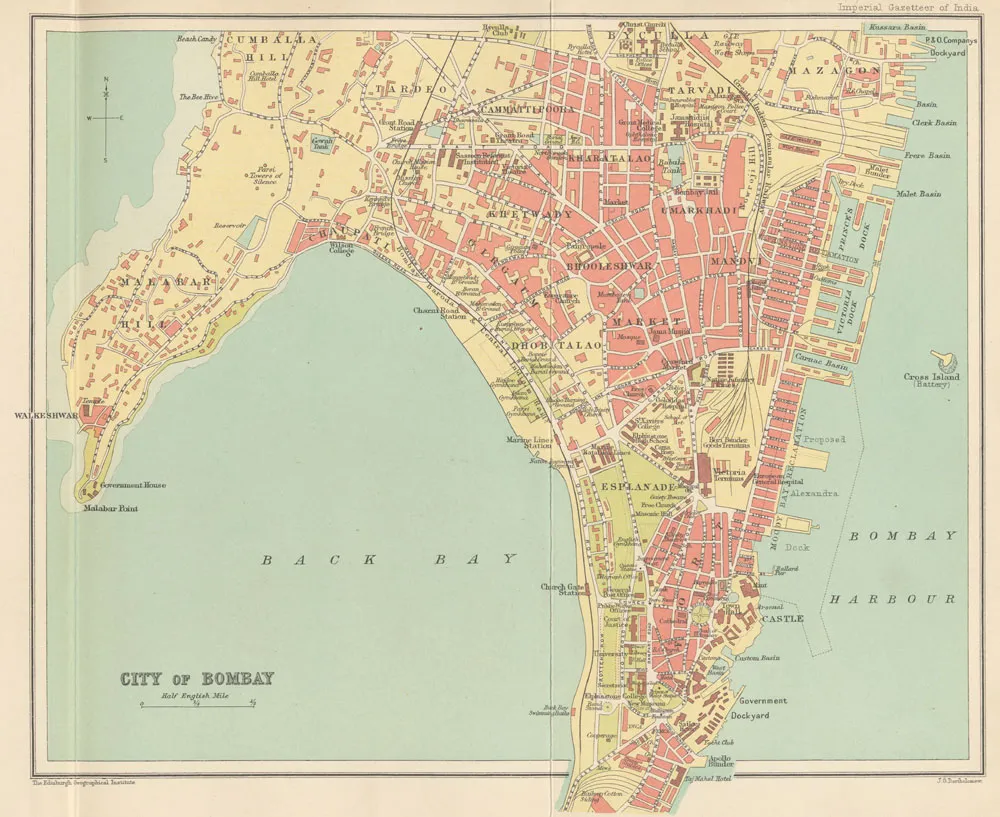
Both the hospital and a 2022 Medical Dialogues report give the same beginning. In 1902 Dr Masina started a small hospital with four patients in a building on Clare Road, Byculla. Within five years two adjoining buildings were added, and the hospital could take in over a hundred patients.
When was the Masina Hospital Trust formed?
The hospital says the trust was set up on 8 September 1907 so that money given by the public would be managed properly. Its first trustees included Sir Shapurji Burjorji Bharucha, Jehangir Novroji Gamadia and Merwanji Nusserwanji Wadia.
A 2019 history published by the Rotary Club of Bombay, written by Homi Katgara, puts the trust's starting corpus at Rs 1,30,640, raised through donations from the city's Parsi citizens. The trust's website today lists Homi A. Katgara as its Managing Trustee, and the piece speaks for the hospital, so we treat its figures as the hospital's own account rather than independent history.
What is Sans Souci, and how did the hospital get it?
Sans Souci, a French name meaning "without a care", is the old building at the centre of the campus. The hospital's history page lists it today as a recognised heritage structure. It came from the family of Sir David Sassoon in 1907, but the two accounts describe the transfer differently:
- The hospital's history page says Dr Masina acquired Sans Souci and its grounds from the Sassoon family for the hospital's benefit.
- The Rotary Club account says the property was gifted to Dr Masina by the Sassoon family. It then adds that the six acres of land and the property were acquired for Rs 25,000.
The Rotary account also notes that the Sassoon coat of arms survives on the building's carved staircase. The size of the grounds varies from source to source. The Rotary piece gives six acres. Medical Dialogues in 2022 described an 8-acre campus, and the Free Press Journal in October 2024 called it a 10-acre property. We have not found a survey or land record to settle the figure.
Who ran Masina Hospital after the founder?
Dr Masina did not build the hospital alone. Both the hospital and the Rotary account credit him and his wife, Jerbai, with growing it to 150 beds. They also say the couple put forward plans for a postgraduate medical college and a nursing college named after Lady Broacha. The hospital's campus page today lists the Lady Pirojbai Shapoorji Broacha Training School and Home for Nurses.
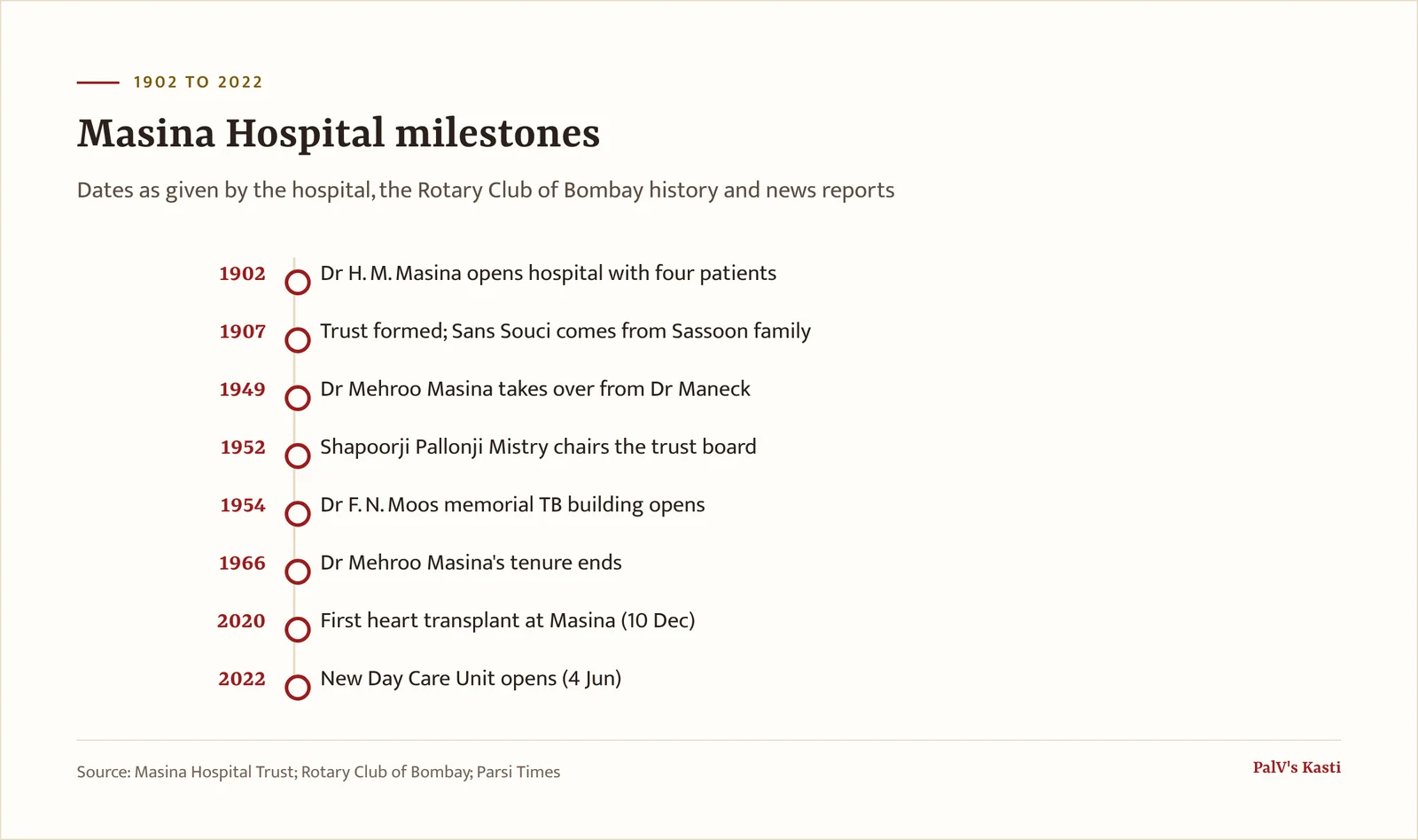
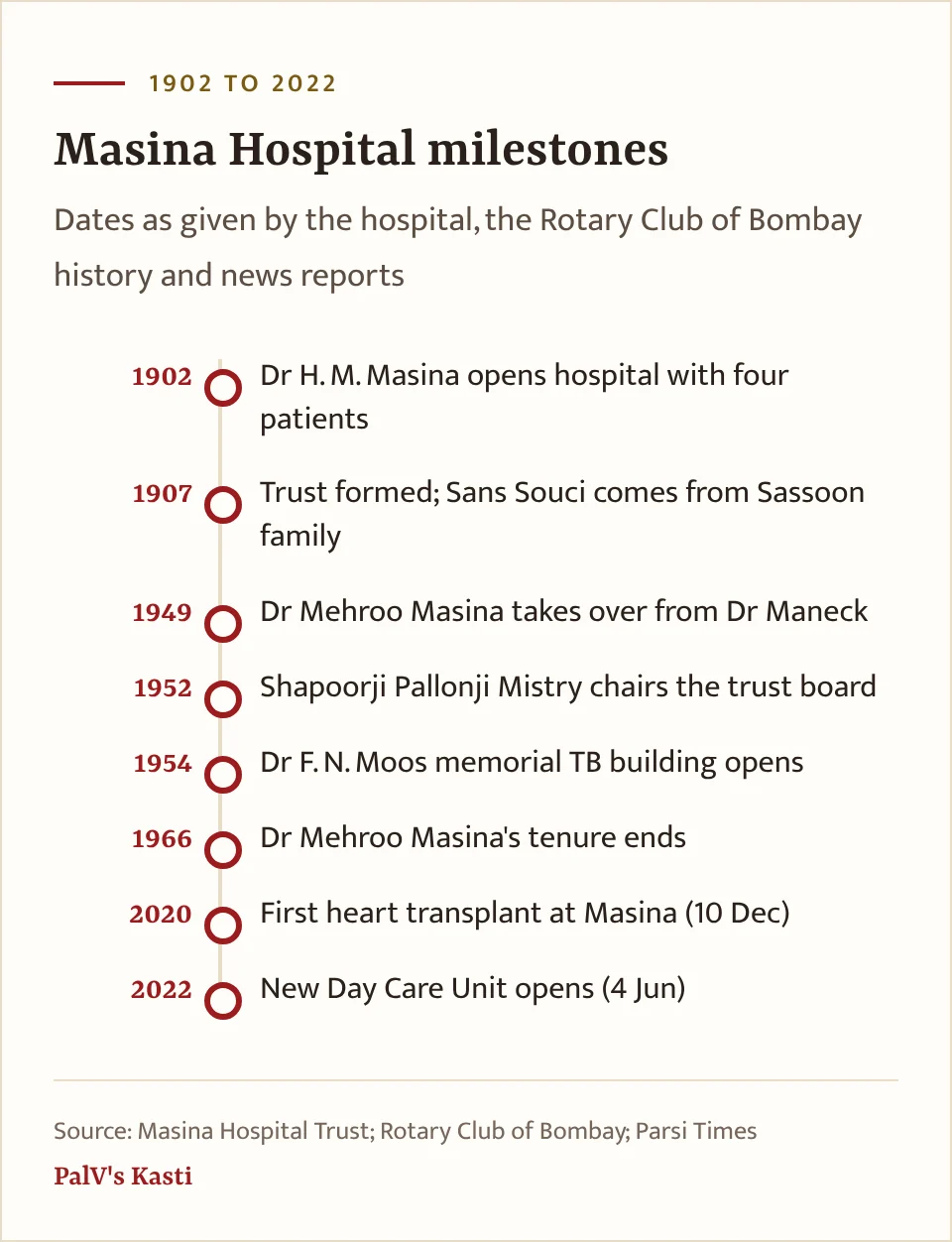
Their children then ran the hospital. The Rotary account says that when the founder died, his son Dr Ardeshir H. Masina took charge and built up the cardiothoracic department that Dr B. R. Billimoria had started. Both the hospital and the Rotary account say that Dr Maneck Masina, Ardeshir's elder brother, headed the hospital until 1949. Their sister, Dr Mehroo H. Masina, then led it until 1966. After her, the Rotary account names Lt Col D. R. Bharucha, FRCS, as being in charge until 1973. We could not find a reliable record of the founder's own years of birth and death, so we leave them out.
On the trust side, the same account says Sir Hormusji Cowasjee Dinshaw Adenwalla headed the trust in 1947 and that Shapoorji Pallonji Mistry was one of its trustees. From 1952 Mistry chaired the board. The hospital's trustee page today names Shapoor P. Mistry, chairman of Shapoorji Pallonji and Company, as the trust's Chairman.
What did Masina Hospital add over the twentieth century?
The hospital and Medical Dialogues both say Masina kept working through two pandemics, the Spanish flu of 1918 and COVID-19 a century later. Most of the later milestones below come only from the Rotary account, so we date them as that account does:
- 1924: an X-ray unit. The Rotary account claims Masina was the first hospital in India to have one and says it was then thought fit to train M.D. and M.S. students. We have not seen an independent record that confirms the "first in India" claim.
- 1954: the Dr F. N. Moos memorial building opened for tuberculosis patients.
- 1969: a department for premature babies, along with a separate children's ward.
- 1970: a new, fully equipped laboratory with blood bank services.
- 1972: the Bai Seranbai M. Banajee wing, with 23 private rooms, its own operation theatre, labour room and X-ray department.
- 1974: the N. M. Wadia outpatient department.
Medical Dialogues reported in 2022 that the hospital is credited with Mumbai's first cardiac operation, a surgery for patent ductus arteriosus, and with the first open mitral valvotomy in Bombay. The same report says the first heart transplant at the hospital was performed on 10 December 2020. We did not find the original dates of the first two operations.
Is Masina the oldest hospital in Mumbai?
The sources do not agree. The hospital's website calls the Masina Hospital Trust "the first and oldest healthcare institution in Mumbai". The Rotary account is narrower: it calls Masina the oldest private charitable hospital in the city and says it opened five years before the Parsee General Hospital. Medical Dialogues, in 2022, described it as Mumbai's second oldest healthcare facility. All three give 1902 as the starting year. The other hospital in that comparison has its own story, told in our piece on the Parsi General Hospital.
Is Masina a Parsi hospital, and who can be treated there?
Masina is run by a Parsi trust, but it is not only for Parsis. The Rotary account says its 1907 corpus came from Parsi donors. In 2022 its then chief executive, Dr Vispi Jokhi, told Medical Dialogues that it was "one of the oldest Parsi Trust-owned hospitals" and focused on affordable care. The trust's website says it treats everyone "irrespective of gender, community, caste, or socio-economic status". Its campus page lists a Parsi Ward on the first floor of one of its buildings.
What is Masina Hospital like today?
On its official website the hospital describes itself as "Serving India for 120 years". It speaks of more than 40 departments, and its department list includes cardiac surgery, neonatology, psychiatry and a skin and tissue bank. The address it gives is on Sant Savata Mali Marg, near Mustafa Bazar in Byculla, Mumbai 400027. Its trustee page names Shapoor P. Mistry as Chairman and Homi A. Katgara as Managing Trustee.
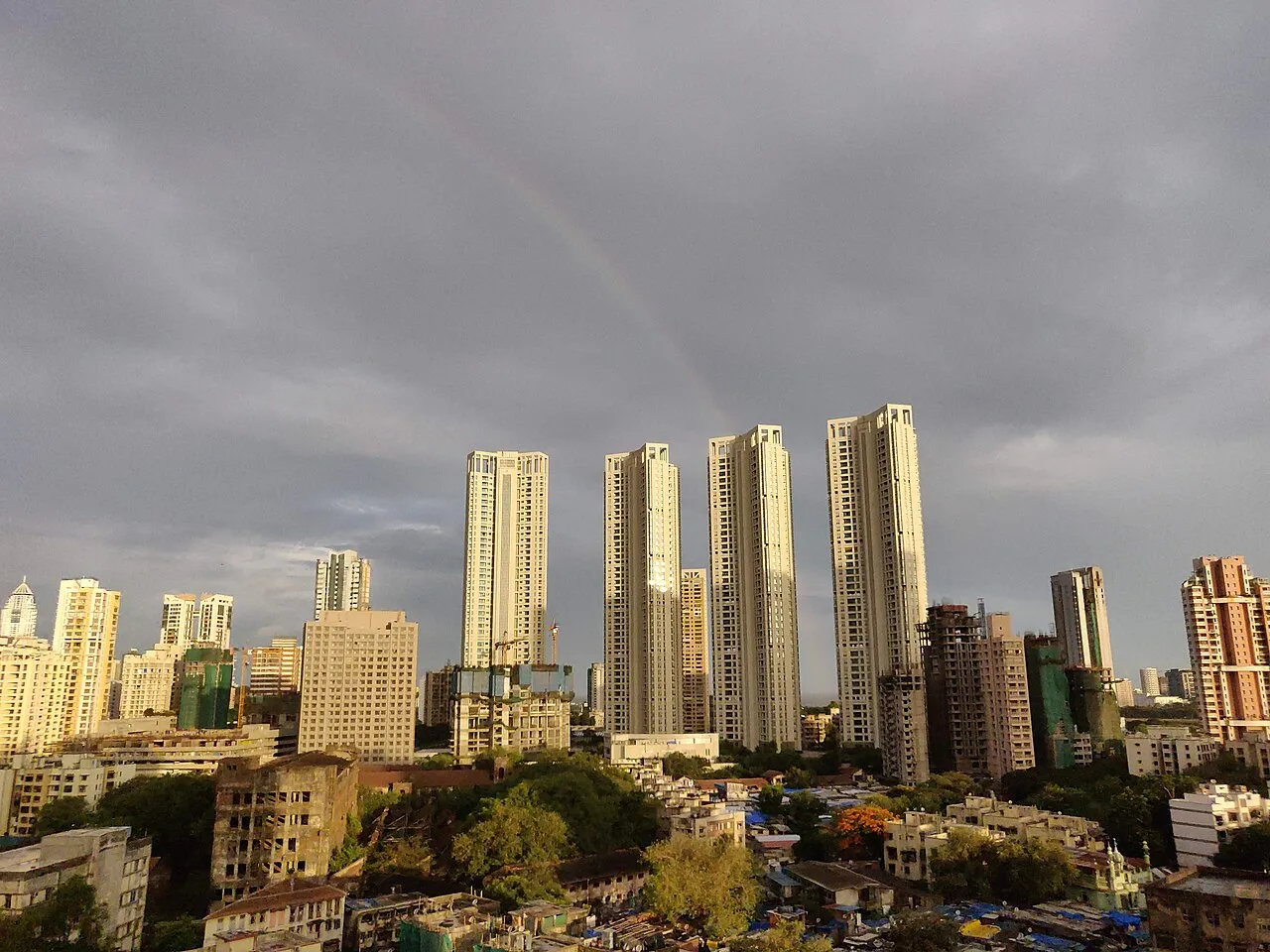
Recent news shows the old campus being upgraded. Parsi Times reported that a new Day Care Unit with operation theatres and endoscopy suites opened on 4 June 2022. The same report says visitors entering the lobby saw a Legacy Wall with a painting of the founder and his daughter. In August 2022 Medical Dialogues, citing the Hindustan Times, described a Rs 22 crore upgrade of patient facilities at what it called a 270-bed hospital. The report added that the hospital's restoration project was on hold at that point.
Frequently asked questions
Who founded Masina Hospital?
Masina Hospital was founded in 1902 by Dr Hormusji Manekji Masina, whom the hospital describes as a Fellow of the Royal College of Surgeons. He and his wife Jerbai grew it into a 150-bed hospital. The hospital and a Rotary Club history say his children Dr Maneck, Dr Ardeshir and Dr Mehroo Masina later ran it, the last until 1966.
When was Masina Hospital founded?
Masina Hospital was founded in 1902. It started with four patients in a building on Clare Road, Byculla, and within five years it had taken two neighbouring buildings to house over a hundred patients. The Masina Hospital Trust was formed later, on 8 September 1907, and the hospital came to its Sans Souci campus that same year.
What is Sans Souci at Masina Hospital?
Sans Souci, meaning "without a care", is the old building at the heart of the Masina campus in Byculla. It came to the hospital from the family of Sir David Sassoon in 1907. The hospital says it was acquired, and a Rotary Club history says it was gifted. The Sassoon coat of arms still decorates its staircase.
Is Masina Hospital only for Parsis?
No. Masina is run by a Parsi trust, but the hospital says it treats every patient irrespective of gender, community, caste or income. Its campus page lists a separate Parsi Ward, and in 2022 its chief executive described it as a Parsi trust-owned hospital focused on affordable care.
Where is Masina Hospital located?
Masina Hospital is in Byculla (East), South Mumbai. Its official website places it on Sant Savata Mali Marg, near Mustafa Bazar in Byculla, Mumbai 400027. The hospital began in 1902 on Clare Road in the same area and came to the Sans Souci campus in 1907.