 PalV's Kasti

On this page
Masoor ma jheebh is goat's or sheep's tongue cooked with masoor, the whole brown lentils that Parsi homes simmer into a sweet, sour and spicy everyday dal. Kurush F. Dalal of Katy's Kitchen, who translates the name simply as "Tongue in Lentils", calls it a classic winter favourite. In his method the tongue is marinated, steamed until soft and cubed. The lentils get a fried vaghaar, a little jaggery and a dash of sugarcane vinegar, then the tongue and its stock go back in. He also writes that the dish has almost totally disappeared from Parsi tables, so this is a heirloom recipe more than a weeknight one.
શહેરેવર રોજ
Shehrevar Roj, Tir Mah · 1396 Y.Z.
What is masoor ma jheebh?
Dalal translates the name as "Tongue in Lentils". Masoor is the lentil, jheebh is the tongue. You will also see it written Masur ma Jib, which is how Niloufer Ichaporia King titles her version, "Lentils and Lamb Tongue", in her 2007 cookbook My Bombay Kitchen.
Two writers agree on the meat. Dalal says the dish is traditionally made with goat or sheep tongue. King recalls that the masur she liked best in her mother's house was usually cooked with goat tongues. Dalal adds that he is sure beef or buffalo tongue would also work, though that is his suggestion, not the tradition.
He describes the finished dish as sweetish lentils cooked the Parsi khatti-mithi-tikhkh way (sour, sweet, spicy), with a meaty stock and soft cubes of tongue folded through.
Which lentil is "masoor" in a Parsi kitchen?
Not the orange split dal most Indian kitchens call masoor dal. King explains that masur is the word for unhusked brown lentils, and that once husked they become the red lentils known as masur dal. Perzen Patel, the cook behind Bawi Bride, makes the same point in her 2024 post on masoor: the Parsi dish uses sabut (whole) brown lentils. She compares it to Punjabi maa ki dal and says she prefers the Parsi version because it often comes without dollops of ghee. The colour words vary: Patel's own subtitle calls them black lentils, and Niloufer Mavalvala lists masoor as both red and black, so the whole lentil may be described as brown or black.
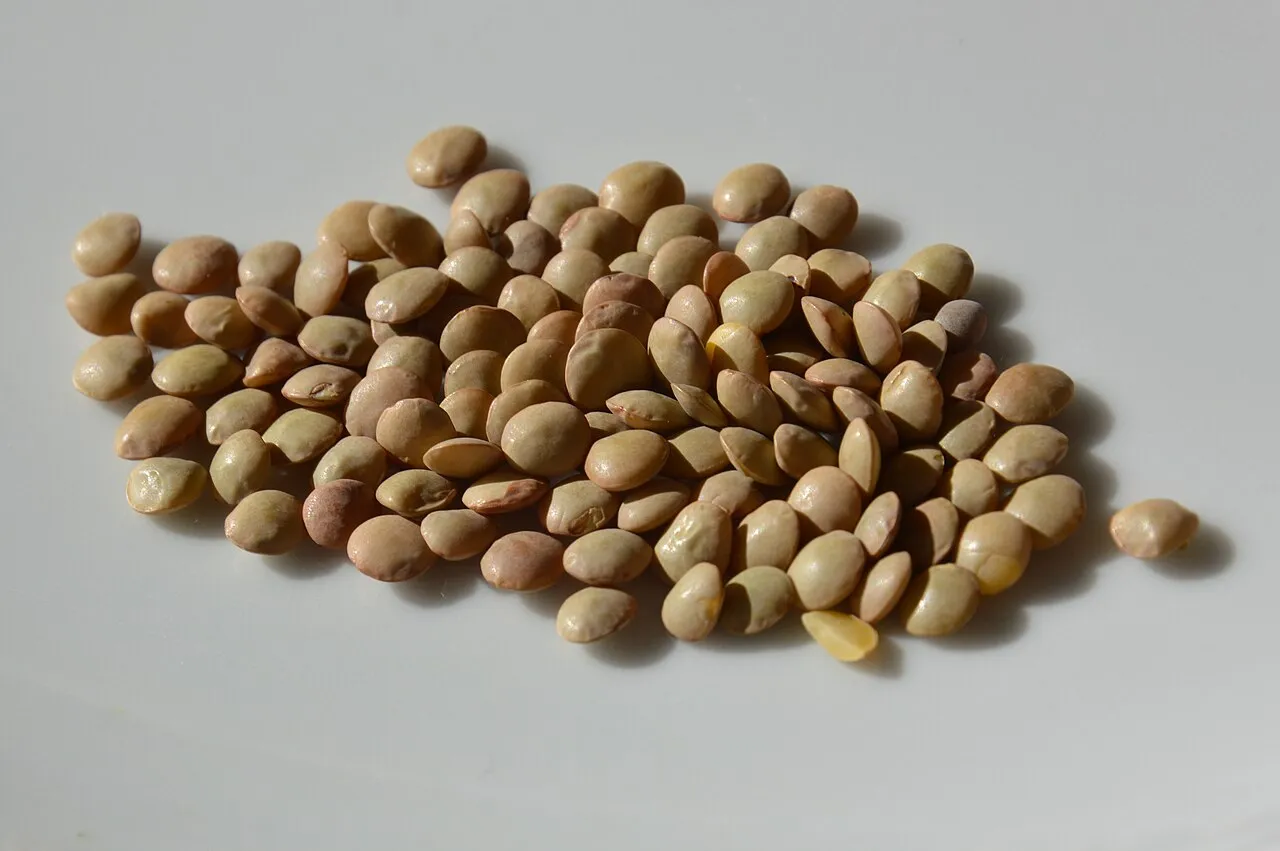
Plain masoor is daily food. King writes that some Parsi households have a family member who insists on masur for dinner every single evening, and she calls the dish the heart and soul of everyday Parsi cooking. Mavalvala, writing on Parsi daar for The Cook's Cook, lists masoor ma gos (lentils with mutton) among the community's favourite dals, next to dhun dar and dhansak.
Why do Parsis cook goat's tongue at all?
Offal was once a staple of Parsi home kitchens, as food writer Meher Mirza puts it in The Juggernaut (2022). Mirza, describing her own Mumbai Parsi childhood, remembers goat kidneys for breakfast, brain cutlets for lunch and trotters with black-eyed peas in winter. She also lists jeeb ni aadimudi, tongue and liver cooked sweet-sour in sugar and vinegar, among the dishes in Parsi food history.
Tongue turns up in more than one form. King's book has a separate recipe for salted tongue: her mother cured a whole beef tongue in coarse salt and jaggery for at least a week, then served it cold at lunch, usually with Russian salad.
Dalal's own reason is simpler. He finds tongue one of the softest and tastiest cuts, mild in flavour, and notes that in villages where nothing is wasted it is often chopped small and mixed in with mutton.
How do Parsis cook goat's tongue in lentils?
This method follows Kurush F. Dalal's recipe on his blog Eats, Feeds & Digs (August 2014). He gives the steps but no quantities, so we have not added any. Dalal notes that the tongue used to be cooked inside the lentils, but he prefers to cook the two separately and combine them at the end.
- Clean the tongue and keep it whole. Skinning is optional. Rub it with salt, pepper, turmeric and ginger-garlic paste.
- Steam the tongue until soft. Set it aside and keep the liquid it gives off, which becomes your stock.
- Wash the whole brown lentils and pressure-cook them with water, salt and turmeric. Dalal lets them simmer for 15 minutes once full pressure is reached.
- Make the vaghaar in vegetable oil. Fry finely chopped onions until pink, then add tomatoes and garlic. Once those are cooked, add green chillies, red chilli powder, garam masala and curry leaves, and keep stirring over moderate heat until the oil separates.
- Pour the hot vaghaar into the lentils, add the reserved tongue stock and bring to a boil. Lower the heat and simmer.
- Scrape in a little jaggery (sugar if you have none). Add a dash of red sugarcane vinegar as you switch off the heat, and let the masoor rest.
- After 10 to 15 minutes, cube the rested tongue, stir it into the lentils and finish with chopped coriander.
Dalal serves it with hot rotli, brun pau or sukki khichri (dry yellow rice). Patel's suggestion for everyday masoor works here too: a fried fish or a kachumber on the side.
Is masoor ma jheebh still made today?
Rarely. Dalal remembers it becoming infrequent even when he was a little boy, and by 2014 he wrote that it had almost totally disappeared from the Parsi dining table. Katy's Kitchen still took orders for it, he said, but almost all of them came from expatriates back in India on short holidays after 20, 30 or 40 years away.
That fits the wider pattern Mirza describes: offal was once routine in Parsi homes and is slowly vanishing from them. She credits cookbooks by Bhicoo Manekshaw, Jeroo Mehta, Katy Dalal and others with keeping these recipes on record.
For the everyday dals and curries that sit around this dish, see our collection of Parsi recipes.
Frequently asked questions
What does masoor ma jheebh mean?
Masoor ma jheebh means "tongue in lentils", the translation Kurush F. Dalal of Katy's Kitchen gives. Masoor is the whole brown lentil, cooked as an everyday Parsi dal, and jheebh is the tongue. Niloufer Ichaporia King spells the same dish Masur ma Jib in her 2007 cookbook My Bombay Kitchen.
Which tongue is used in masoor ma jheebh?
Goat or sheep tongue is the traditional choice, according to Kurush F. Dalal, and Niloufer Ichaporia King remembers her mother's masur usually being cooked with goat tongues. Dalal thinks beef or buffalo tongue would also work. The tongue is kept whole, marinated, steamed until soft, then cubed into the lentils.
Is Parsi masoor made with red or brown lentils?
Parsi masoor uses whole brown lentils, not the orange split masoor dal. Niloufer Ichaporia King explains that masur means unhusked brown lentils, which become red lentils once husked. Perzen Patel of Bawi Bride says the same, calling them sabut (whole) lentils, and compares the dish to Punjabi maa ki dal.
What is masoor ma jheebh served with?
Kurush F. Dalal serves masoor ma jheebh with hot rotli, brun pau (hard bread buns) or sukki khichri, a dry yellow rice. For plain Parsi masoor, Perzen Patel suggests fried fish or a kachumber salad on the side and recommends roti over rice. Any of these suits the tongue version too.
Why is masoor ma jheebh hard to find now?
Kurush F. Dalal wrote in 2014 that masoor ma jheebh had almost totally disappeared from Parsi tables, with most orders at Katy's Kitchen coming from visiting expatriates. Meher Mirza, writing in The Juggernaut in 2022, describes offal in general slowly vanishing from Parsi homes, while older cookbooks keep the recipes on record.


