 PalV's Kasti
On this page
To make orange-spiced Parsi chapat, you whisk a batter of plain flour, a little rava, sugar, cardamom, nutmeg, cinnamon and grated orange peel with milk, one egg and vanilla, then let it rest for 15 to 20 minutes. Each chapat takes about a quarter cup of batter, swirled thin in a lightly buttered pan, scattered with pine nuts or charoli, and folded once the edges start to lift. This method follows Chef Peri's (Perinaz Avari's) recipe on her Peri's Spice Ladle blog for Simply Bhonu. She is clear that the orange and cinnamon are her own additions and are not typical of Parsi chapat. So treat this as a modern take on an old teatime sweet, and read on for how a coconut-milk version is made.
અસપંદામેદ રોજ
Asfandarmad Roj, Tir Mah · 1396 Y.Z.
What is Parsi chapat?
Chapat is a sweet Parsi pancake, eaten with tea. Niloufer Mavalvala, who spells it chaapat, writes in her cookbook The Art of Parsi Cooking that it is said "Cha-putt" and that the word can simply mean "flat". In her telling it is an old favourite from a time when many treats were made with real coconut milk, a few nuts and not much sugar.
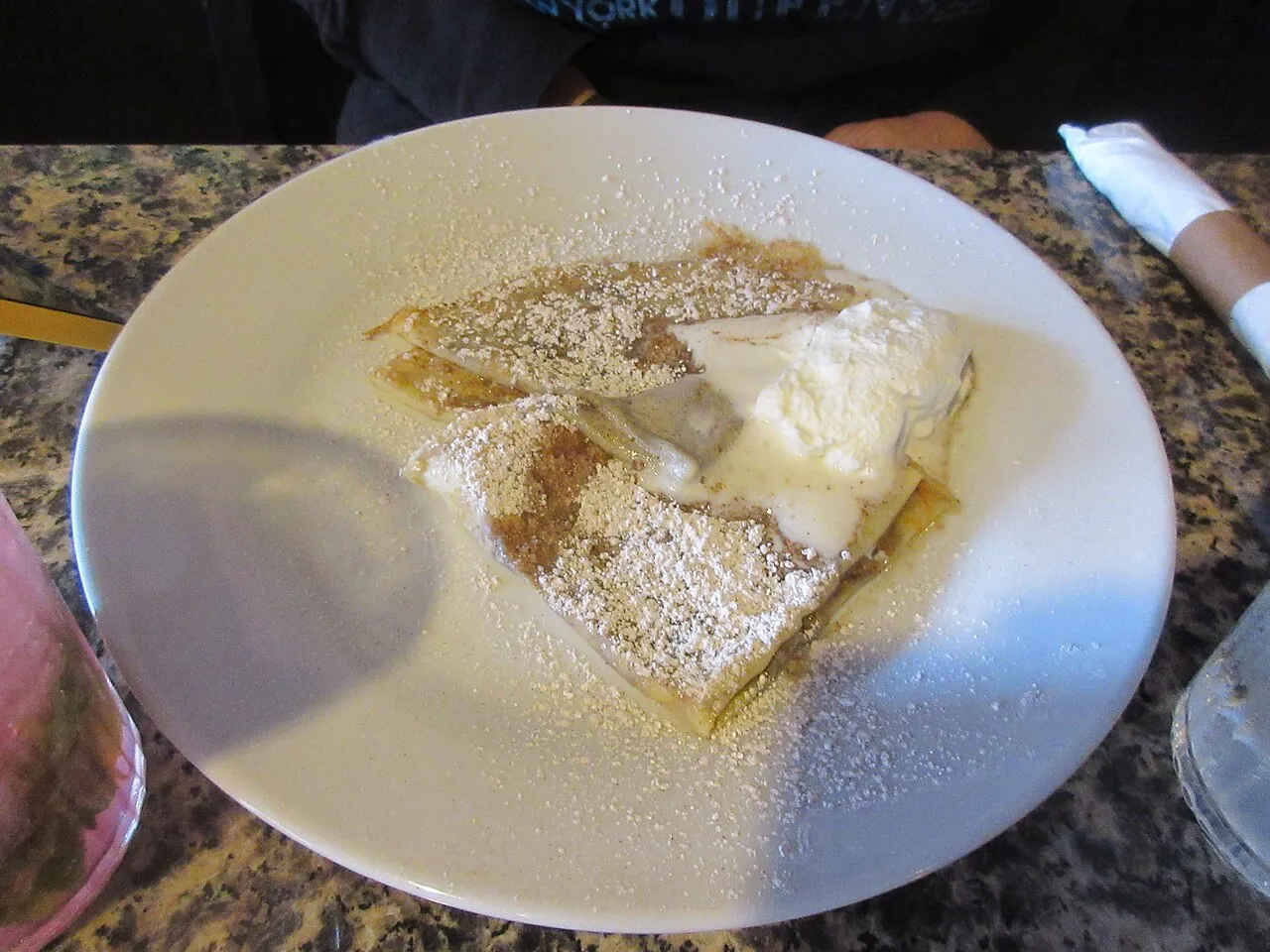
Is it a crepe or a pancake? Chef Peri puts it in between: a little thicker than a crepe, a lot thinner than a pancake. The rava in her batter is what she says gives chapat its hearty texture.
There is no single "correct" chapat. Mavalvala notes that families kept their own recipes, and the one she publishes comes from her mother-in-law's side. If chapat is new to you, our guide to Parsi recipes places it among the other dishes worth cooking first.
Why add orange and cinnamon to chapat?
The orange zest and cinnamon are Chef Peri's idea, and she says so plainly. She traces them to her years in food service, when she handled the Crêpe Suzette cart. Her post opens with a memory of her Mamaiji (maternal grandmother) serving chapat straight off the pan to the grandchildren, and with a newspaper interviewer whose question suggested that dishes like chapat were fading from Parsi kitchens. She calls this recipe her refreshed version of the dish.
If you want a plainer flavour, leave out the zest and cinnamon. You are then left with cardamom, nutmeg and nuts, which Mavalvala's coconut-milk chaapat also uses.
What ingredients do you need for orange-spiced chapat?
Chef Peri's recipe makes 4 servings.

- ½ cup plain (all-purpose) flour
- ¼ cup semolina (rava), which her card notes is also sold as durum or pasta flour
- ¼ cup sugar, or a little more for a sweeter batter
- ¼ tsp each of ground cardamom, ground nutmeg and ground cinnamon
- Salt: the quantity on Chef Peri's published recipe card is missing (the fraction is blank), so we have not given a figure
- ½ tsp finely grated orange zest, only the orange part of the peel
- ¾ cup milk
- 1 egg
- 1 tsp vanilla essence
- 2 tbsp pine nuts, sliced almonds or charoli
- Butter, for the pan
Chef Peri suggests pine nuts or blanched almonds in place of charoli, which she says is hard to buy in western countries. Mavalvala calls charoli a good addition in her own version.
How do you make orange-spiced chapat, step by step?
- Combine the dry ingredients in a bowl: both flours, sugar, the three spices, salt and the orange zest. Grate the zest from a firm orange and stop before the white pith, which turns bitter.
- In a second bowl, mix the milk, egg and vanilla until even.
- Pour the wet mixture into the dry a little at a time, whisking as you go so no flour lumps form. Leave the batter for 15 to 20 minutes. It should pour thickly.
- Warm a medium pan. Its size sets the size of the chapat, so pick one that is neither tiny nor wide. Rub the base with a little butter and wipe off any extra, because pooled butter stops the batter spreading evenly.
- Pour in roughly ¼ cup of batter, tilt and swirl the pan until the base is covered, then dot a little more batter and some nuts on the inner side.
- Cook until the edges begin to come away from the pan.
- Fold the chapat into a triangle or roll it into a log, and serve it hot.
Expect to lose the first one. Chef Peri warns that the opening crepe is often untidy, and suggests the cook simply eats it.
What do you serve with orange-spiced chapat?
Chef Peri keeps the batter only mildly sweet and leaves the rest to the topping. Honey or a dusting of icing sugar is the simplest choice, and orange marmalade picks up the zest. Her other suggestions are fruit preserves or compote, maple syrup, sweetened whipped cream laced with bourbon, and ice cream. For a richer version, she scatters chocolate chips and walnuts over the chapat while it is still in the pan.
For the dishes Parsi families turn to in the cold months, see our piece on Parsi winter foods.
How is the classic coconut-milk chaapat different?
Niloufer Mavalvala's chaapat, published on The Cook's Cook, has no rava or orange. Her batter uses 2 cups of canned coconut milk with 4 eggs, sifted plain flour and sugar, plus a little melted ghee, grated blanched almonds, chopped pistachios, vanilla, cardamom, nutmeg and crushed saffron threads. She cooks each one in a small 13 cm (5-inch) pan with a drop of ghee, about a minute on lowered heat until pale golden, then flips it for another minute and serves it warm. Her recipe page also gives a crème anglaise to go with it.
Her batter notes are handy. The batter keeps, covered, for up to 24 hours in the fridge. If it has thickened, loosen it with milk, and if it's too runny, chill it for an hour or two.
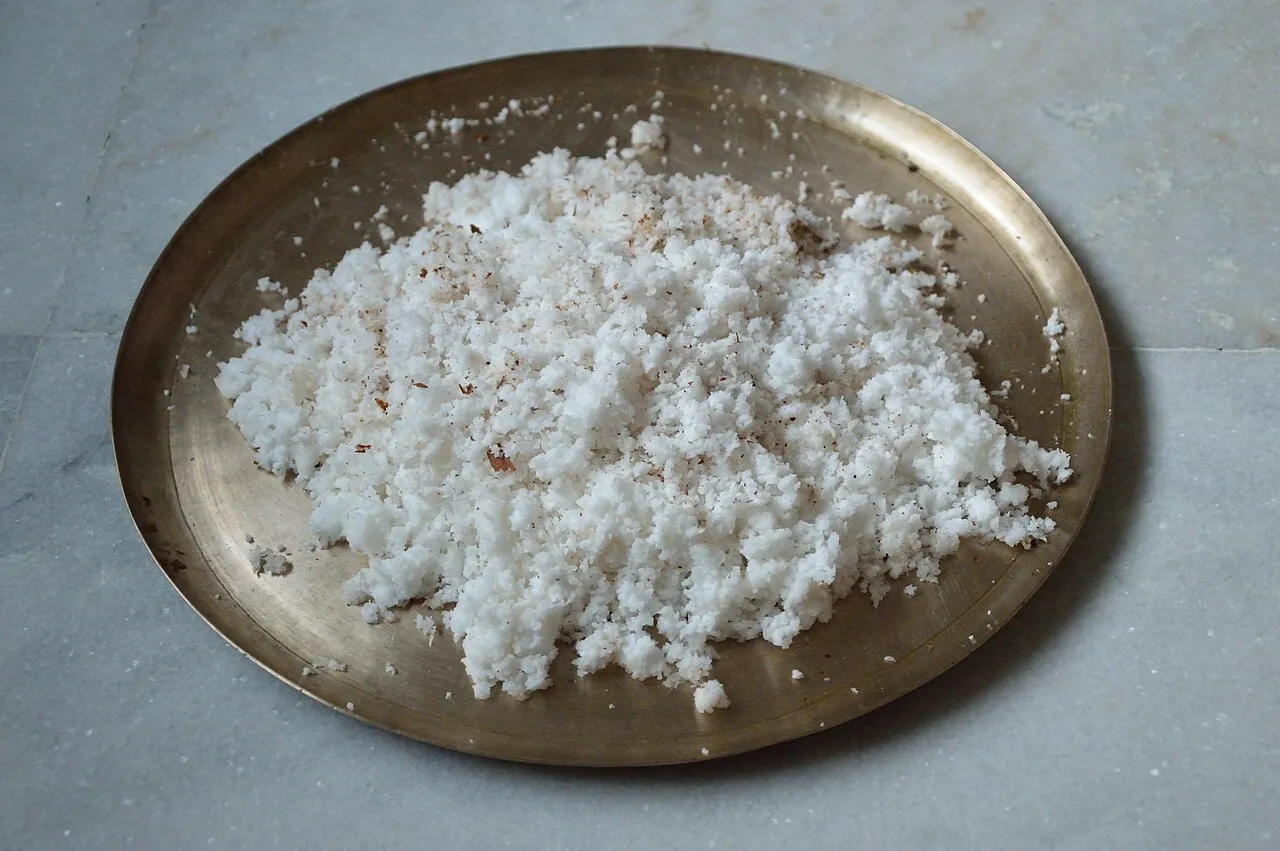
Mavalvala also publishes copra na pancake, a Parsi teatime crepe filled with grated coconut, sugar, dried fruit and nuts, warmed together with rose water, cardamom and nutmeg, then folded into quarters. In 2019, writing in The Asian Age, Meher Mirza listed chapat with a "dense coconut stuffing" among the snacks on the shelves of the RTI café in the grounds of the Parsee General Hospital in Mumbai.
Mavalvala describes chaapat as a teatime treat. For what Parsi families cook on an ordinary weekday, see Everyday Parsi home cooking, and for the wider table, our overview of Parsi food.
Frequently asked questions
What does chapat mean?
Cookbook author Niloufer Mavalvala writes that chapat, which she spells chaapat, is pronounced "Cha-putt" and can simply mean "flat". The name fits the dish, a thin sweet Parsi pancake. In her book she calls these pancakes an easy, quick teatime treat, made from coconut milk, nuts and a little sugar.
Is Parsi chapat a crepe or a pancake?
Parsi chapat sits between the two. Chef Peri describes it as slightly thicker than a crepe and much thinner than a pancake. It is swirled thin in the pan like a crepe, but she adds semolina to the batter, which she says gives chapat its hearty texture.
What can I use instead of charoli in chapat?
Pine nuts or blanched almonds are Chef Peri's suggested stand-ins for charoli, which she says is hard to find in western countries. Sliced almonds also work in her recipe. Niloufer Mavalvala's coconut-milk chaapat uses grated almonds and chopped pistachios, and she recommends roughly chopping charoli before adding it if you do have some.
Is orange a traditional flavour in Parsi chapat?
No. Chef Peri says the orange zest and cinnamon in her chapat are her own additions and are not typical of the Parsi dish. Niloufer Mavalvala's family recipe, by contrast, relies on coconut milk, cardamom, nutmeg, saffron, vanilla and nuts. Leave out the orange and cinnamon if you want a plainer chapat.
Can chapat batter be made ahead?
Yes. Niloufer Mavalvala keeps her chaapat batter covered in the fridge for up to 24 hours. If it thickens, stir in a little milk until it pours again. Chef Peri's orange-spiced batter needs only 15 to 20 minutes of resting before you start cooking, so it is also quick to make fresh.


