 PalV's Kasti
On this page
To make Parsi chai the way Kurush Dalal does, put 1.5 teaspoons of Assam tea, 10 mint leaves and one long lemongrass leaf in a teapot, with 5 spearmint leaves if you have them. Pour in two and a half cups of boiling water, cover the pot with a tea cosy and let it steep for 3 to 5 minutes. Pour into cups, then add a dash of milk and sugar to taste. That makes two cups. Parsis call it choi, and the version with lemongrass and mint is leeli choi. Dalal, a food anthropologist, gave this recipe to the tea writer Aravinda Anantharaman for Mint Lounge in 2020, and the method below follows it.
શહેરેવર રોજ
Shehrevar Roj, Tir Mah · 1396 Y.Z.
What do you need for Parsi chai (choi)?
Very little. Dalal's recipe for two cups calls for:
- 1.5 teaspoons of tea. He says Assam, in whatever form you can get or afford: leaf, CTC or the fine dust sold as restaurant mix.
- 10 mint leaves (phudno).
- 1 long lemongrass leaf (leeli).
- 5 spearmint leaves, optional.
- Two and a half cups of boiling water.
- Milk and sugar, added in the cup.
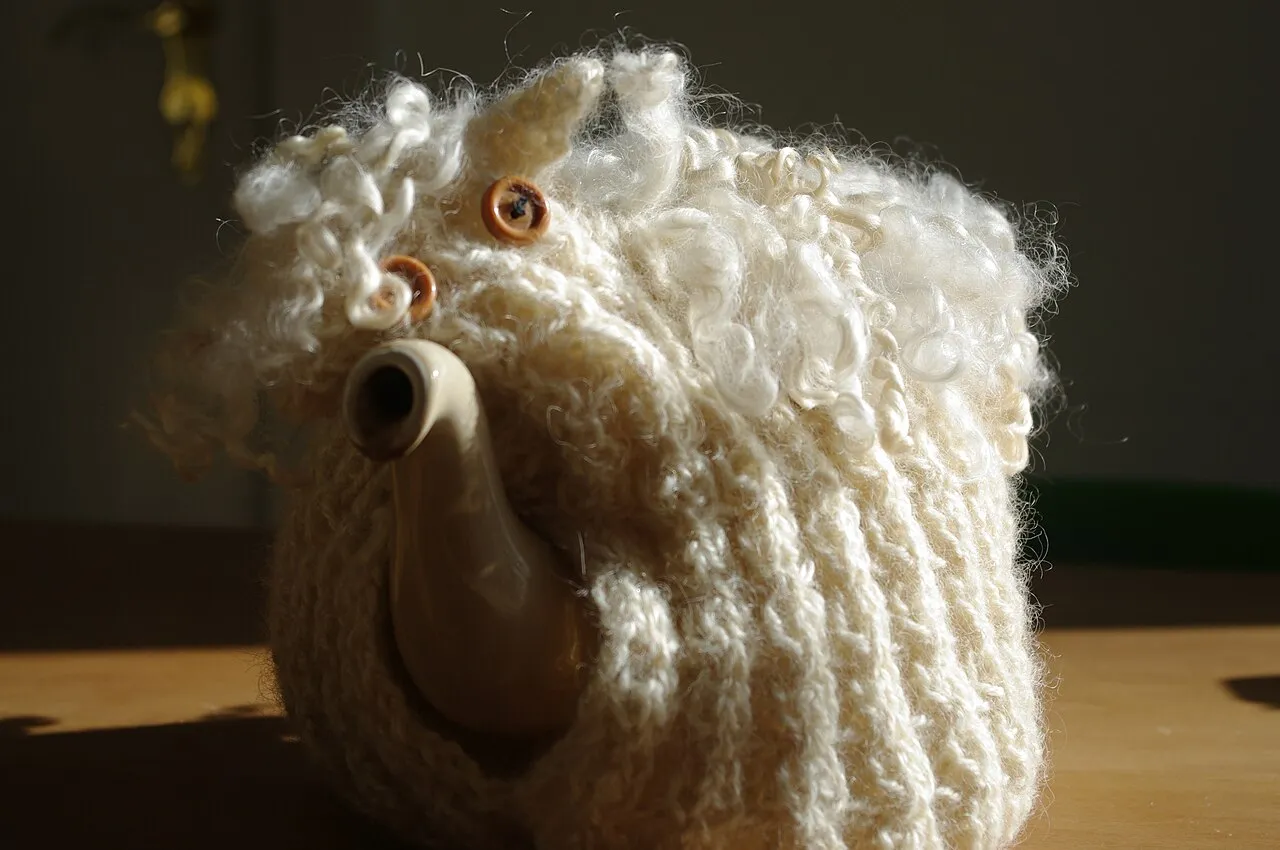
You will also want a teapot and a tea cosy. In his own family, Dalal writes, the pot was bone china and the cosy was one his grandmother had embroidered.
How do you make Parsi chai, step by step?
- Bring the water to a full boil.
- Put the tea, mint, lemongrass and spearmint (if using) straight into the teapot.
- Pour the two and a half cups of boiling water over them.
- Cover the pot with a tea cosy and leave it for 3 to 5 minutes.
- Pour the choi into cups. Dalal asks for good bone china.
- Add a dash of milk and sugar to each cup and stir. His instruction is to stir clockwise, with your little finger sticking out.
The milk is a splash, not a pour. When Dalal describes the tea of his father's family in Fort, he calls it light, with only a small amount of milk and at least a full teaspoon of sugar in each cup. Milk and sugar sat on a tray in their own containers so everyone could add their share.
How much lemongrass and mint should you add?
For two cups, Dalal uses 10 mint leaves and one long blade of lemongrass. He told Mint that a good Parsi choi has to have both. His grandfather's teapot was more generous, with lots of mint and lemongrass cut into segments, so treat the numbers as a starting point and adjust to your taste.
The third herb is a treat rather than a rule. In the Mint piece Dalal calls it spearmint, known locally as "pippermint", and says Parsi friends and relatives coming from Dahanu, where it grows, are usually asked to bring some back. In his 2023 essay for Tea Journey he describes peppermint leaves that arrived when someone returned from Udvada, and says they made an ordinary cup fragrant and special.
Niloufer Mavalvala, in her 2016 cookbook The Art of Parsi Cooking, also notes that many Parsis flavour their tea with mint leaves and lemongrass blades, which she spells "lilly choi".
Is Parsi chai boiled or steeped?
It depends on the house. Dalal writes that Parsis argue about how choi should be made and what goes into it. The recipe above is steeped in a pot. Dalal's maternal grandmother in Bandra did it differently. She boiled milk and water together with the lemongrass and mint, added the tea leaves just as the milk came to the boil, let it simmer briefly and poured it out. Sugar stayed on the dining table for each person to add. Dalal gives no quantities for her version.
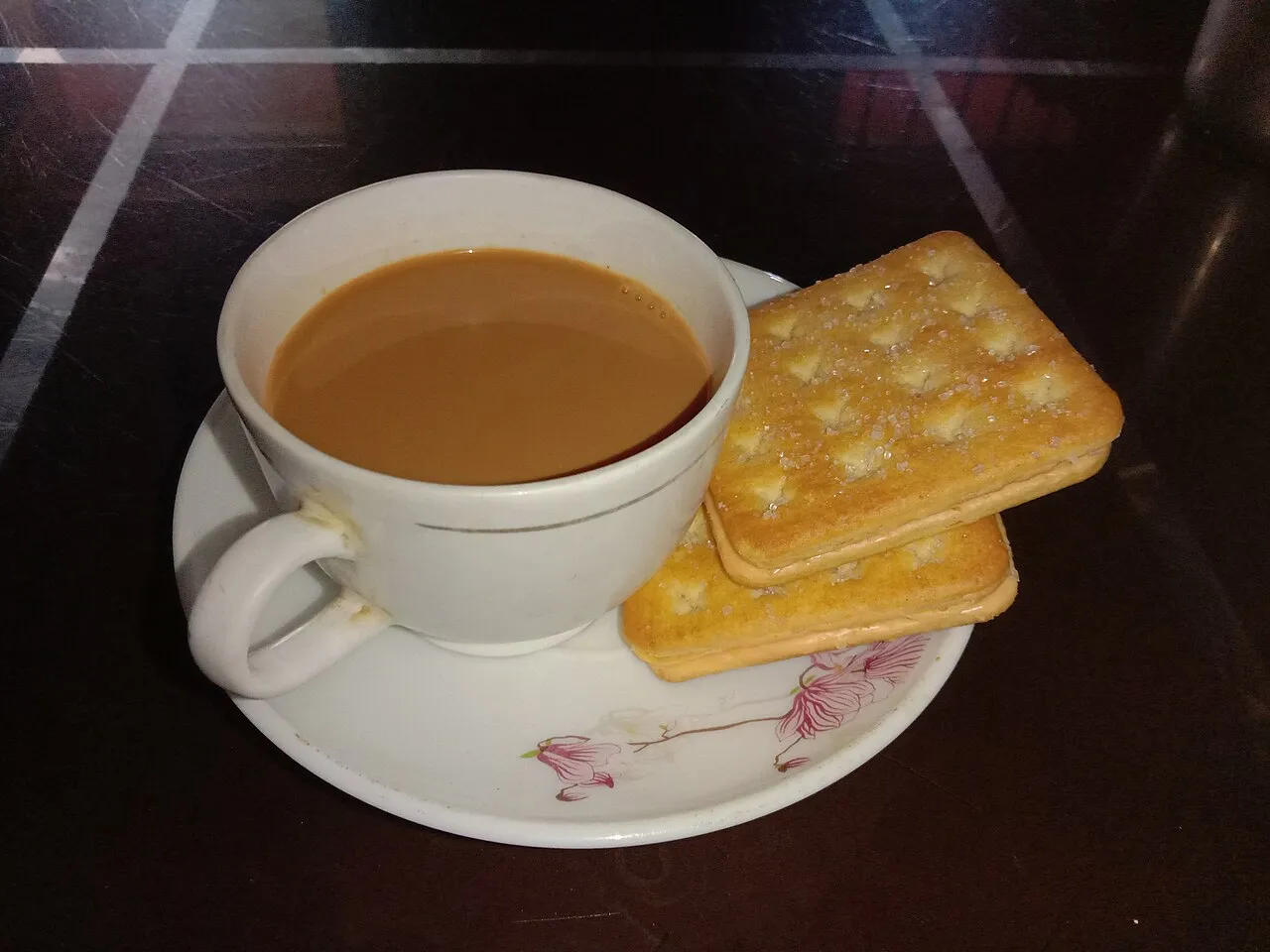
Niloufer Mavalvala, writing for Goya in 2025, describes the same split. She calls karak choi a strong brew with lemongrass and fresh mint, sweetened and then topped up with warm whole milk. When it is boiled together rather than steeped, she says, it goes by the name ukarayli choi, and that is also typical of the tea served in Irani tea houses. For how that cafe tea differs from the home pot, see our piece on Irani chai.
Can you use dried mint and lemongrass?
Yes. Dalal's own family did. Dalal writes that every summer his grandmother sun-dried bunches of mint and chopped lemongrass and stored them in bottles for the monsoon. She had no fridge, so drying the herbs kept them from going to waste. Any peppermint that came her way was dried too and saved for special occasions.
What should you serve with Parsi chai?
Something, always. Dalal writes that choi was never drunk on its own, and that even now a slice of buttered bread or a couple of biscuits is the minimum. His own list for the tea table runs from home-made bhakra, chaapat and karkaria to bakery batasa, and our guide to Parsi tea-time snacks covers each of them. For why the afternoon cup matters so much in Parsi homes, and where the habit came from, read our explainer on Parsi choi.
Frequently asked questions
How do you make Parsi chai?
Put 1.5 teaspoons of Assam tea, 10 mint leaves and one long lemongrass leaf in a teapot. Pour over two and a half cups of boiling water, cover with a tea cosy and steep for 3 to 5 minutes. Pour, then add a dash of milk and sugar. This is Kurush Dalal's recipe and makes two cups.
How much lemongrass and mint go into Parsi chai?
Kurush Dalal uses 10 mint leaves and one long lemongrass leaf for two cups, plus 5 spearmint leaves if available. He says a good Parsi choi must have both mint and lemongrass. Families differ, and his own grandfather used plenty of mint, so adjust the herbs once you know how strong you like the flavour.
Is Parsi chai boiled or steeped?
Either. Kurush Dalal's recipe steeps tea and herbs in a covered teapot, with milk added in the cup. His Bandra grandmother boiled milk, water and herbs and added the tea as it came to the boil. Niloufer Mavalvala calls the boiled-together style ukarayli choi and links it to the tea served in Irani tea houses.
Which tea is best for Parsi chai?
Kurush Dalal names Assam tea, using leaf, CTC or the fine dust sold as restaurant mix, depending on what is available or affordable. In his father's family in Fort the tea was Assam, and his grandfather preferred the Brooke Bond brand, brewed with plenty of mint and lemongrass.
What is leeli choi?
Leeli choi is the Parsi name for tea flavoured with lemongrass, which Kurush Dalal pairs with fresh mint, or phudno. He uses the phrase for his grandfather's tea and for the recipe he shared with Mint. Niloufer Mavalvala writes the same name as "lilly choi" in her cookbook The Art of Parsi Cooking.


