 PalV's Kasti
On this page
Parsi choi is the Parsi word for tea and the Parsi way of making it: black tea flavoured with fresh mint and lemongrass, sweetened, and drunk with milk. Archaeologist and food writer Kurush Dalal puts it plainly. Parsis call tea "not chai, cha, or tea but choi." Tea time became a daily ritual because it was never just a drink. Cookbook author Niloufer Mavalvala describes Parsi tea time as a mealtime that also carries social weight, when large families greeted the earning members home from work and neighbours dropped by. In Dalal's family it was the longest, chattiest meal of the day, and his rule still holds: choi is never drunk on its own.
શહેરેવર રોજ
Shehrevar Roj, Tir Mah · 1396 Y.Z.
What is Parsi choi?
At its heart, Parsi choi (often written Parsi chai) is black tea with herbs. Dalal, writing about his own family for Tea Journey in 2023, says the tea was Assam, and his grandfather liked Brooke Bond with a generous handful of mint leaves (fudno) and cut pieces of lemongrass, which Parsis call leeli choi. Mavalvala's cookbook The Art of Parsi Cooking (2016) notes that plenty of Parsis like mint in their tea, and lemongrass too, which she spells "lilly choi". Her karak choi, described in a 2025 piece for Goya, carries both herbs.

Some families go further. Dalal remembers that when someone came back from a trip to Udvada with peppermint leaves, the everyday pot turned into something fragrant and special. His grandmother had no fridge, so in summer she sun-dried mint and lemongrass and bottled them to last through the monsoon.
Where did the Parsi way of taking tea come from?
Dalal's answer is the British. In his Tea Journey essay he says the tea Parsis took up was not the Iranian small glass of tea liquor with a piece of sugar alongside. It was the British cup with a splash of milk. Parsis then added their own aromatic herbs, and after more than a thousand years in Gujarat, they sweetened it well.
FEZANA's 2012 cookbook Eat, Live, Pray places this inside a wider story. During British rule, it says, Parsis largely aligned themselves with the British and adopted Raj customs such as "high tea" as their own. We could not find a dated record of when tea first became a household habit in Parsi homes, so we have not given one.
How is Parsi choi made: steeped or boiled?
Both, depending on whose house you are in. Dalal describes the two methods side by side in his own family.
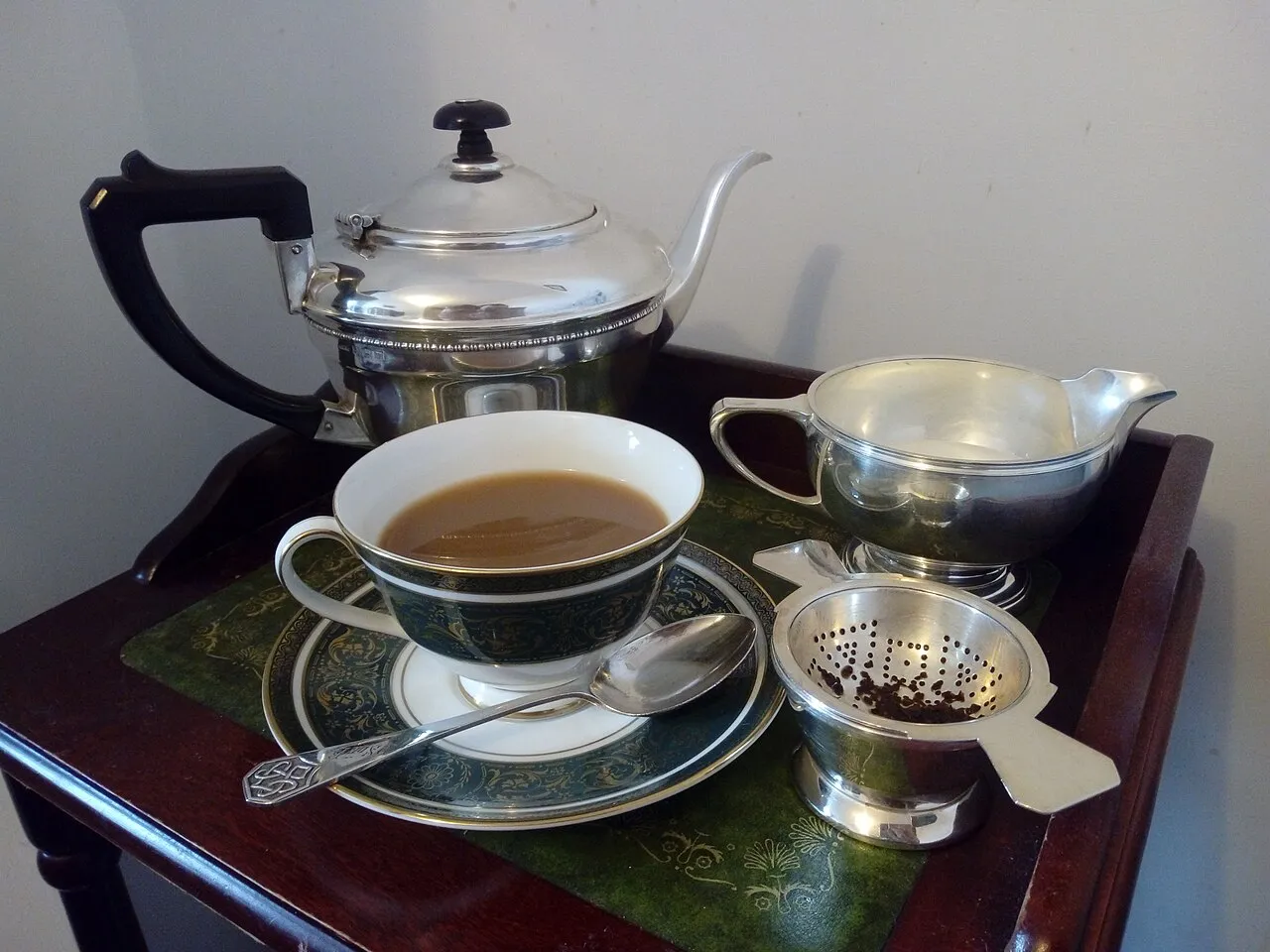
- Steeped, at his father's family home in Fort: leaves, mint and lemongrass went into a bone china teapot, boiling water went over them, and the pot sat under a tea cosy his grandmother had embroidered. Milk and sugar came separately on the tray. The tea was light.
- Boiled, at his grandmother's in Bandra: milk and water came to the boil with the herbs, the leaves went in at that point, and after a short simmer everyone was poured a cup. Sugar lived on the table.
Mavalvala draws the same line with different words. Her karak choi is strong, sweet and finished with warm whole milk, and when everything is boiled together instead of steeped, she says, it goes by the name ukarayli choi. The two writers don't quite agree on strength: Dalal's steeped family tea was light, Mavalvala's is strong and milky. That's family taste, not a rule. For quantities and the method step by step, see our Parsi chai recipe.
Why is tea time a daily ritual in Parsi homes?
Because it was a meal, and a social one. Mavalvala, writing for Goya, explains that in large households the people who went out to work were welcomed home with a pot of choi and a different tea-time dish every day. Neighbours and relatives would drop in at that hour. For many, she adds, an afternoon siesta came first and tea followed.
It was also one snack, not a spread. Mavalvala says the table was not loaded with choices: there was a single dish, made in enough quantity to see the family through to dinner. Dalal's list of what that dish might be, from bhakras to chaapat, overlaps closely with hers. We go through them one by one in Parsi tea-time snacks, and the bakery side has its own page on Parsi biskoot.
The setting mattered. In Dalal's Fort household the cups and saucers were always bone china. Mavalvala remembers a tea trolley laid out with food and gleaming crockery at her favourite uncle and aunt's Sunday tea, and family members who drank from the saucer or dunked batasa biscuits in their cup.
There's a gentler reason too. Mavalvala writes that a great many Parsis sincerely believe tea makes everything better, a headache or a hard day at the office included. Dalal sums up his childhood tea time as an intense bonding exercise. Evening tea, he says, could run longer than any other meal, with the family talking, squabbling or simply sitting together.
What is a Parsi "high tea"?
Beyond the daily pot, tea became a way to entertain. FEZANA's Eat, Live, Pray notes that Parsis often hold "high teas" in the late afternoon or early evening at functions that are mostly for women, and it names children's birthday parties, agarnis and sari-wearing ceremonies. Dalal writes that his mother loved hosting teas and that her chicken, egg and chutney sandwiches were famous in the family. The tea habit also went on holiday with families, and we cover that side in Parsi hill-station tea parties.
How is Parsi choi different from Irani chai?
The difference is mostly in how the tea is brewed and served. In the Irani cafes of Mumbai, Dalal writes, tea was brewed ahead into a strong liquor kept in a samovar, and a measure of it went into a cup with milk. Some cafes poured the liquor into a small glass with mint leaves and set a sugar cube beside it, the way tea shops in Iran do. Mavalvala ties the boiled ukarayli choi to Irani tea houses too, where it came with bun maska or brun and butter.
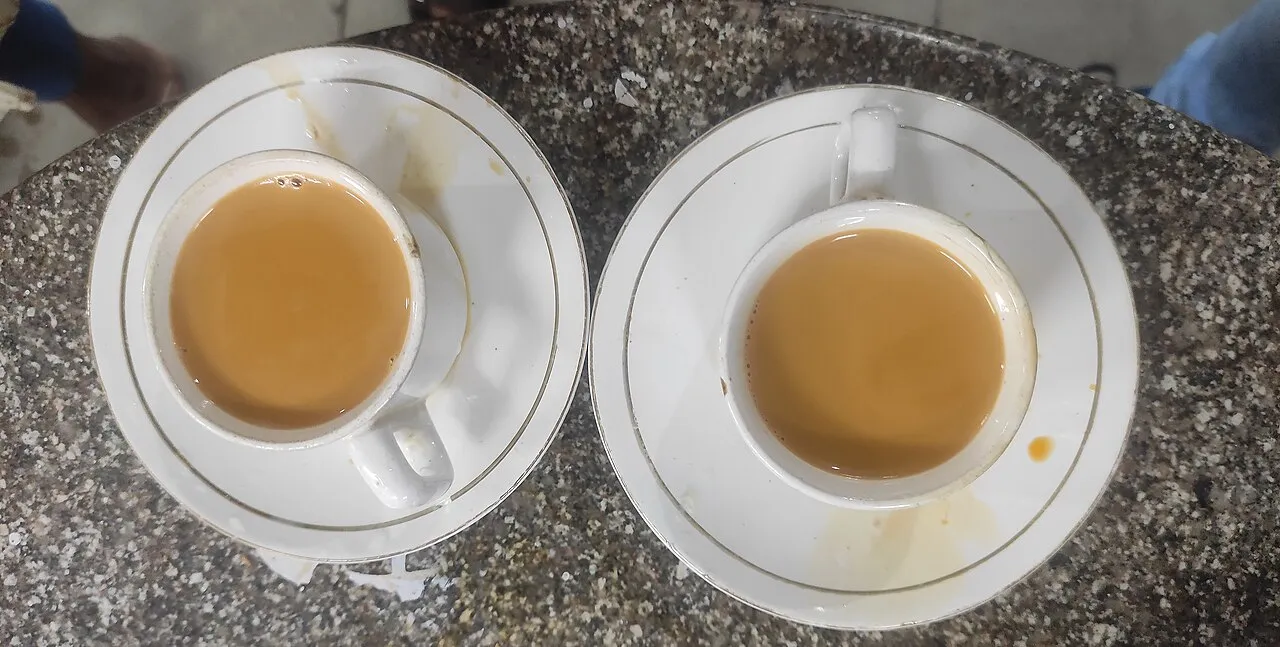
Parsi choi at home, by contrast, is a pot of tea with fresh herbs, milk and sugar, poured for the family at the table. For the cafe version in detail, read our page on Irani chai.
Is Parsi tea time changing?
Yes. Dalal writes that city life and nuclear families leave little room for long, unhurried teas. Tea is now often a quick cup in the morning or after office, and the snacks come from bakeries such as Paris Bakery, PAC or RTI. Mavalvala worries that families who have moved to the West may not carry the habit forward. One rule has survived, though. Even now, Dalal says, at least a slice of buttered bread or a biscuit or two goes with the cup, so the choi is never alone.
Frequently asked questions
What is Parsi choi?
Parsi choi is the Parsi name for tea and the Parsi way of making it. It is black tea flavoured with fresh mint and lemongrass, sweetened with sugar and drunk with milk. Some families steep it in a teapot under a tea cosy, while others boil the milk, water, herbs and tea leaves together on the stove.
Why do Parsis say choi and not chai?
Choi is simply the word Parsis use for tea, and Kurush Dalal writes that it is "not chai, cha, or tea but choi". None of the sources we read explains where this pronunciation comes from, so we will not guess. You will still see "Parsi chai" in recipes and menus, and both names mean the same drink.
What is leeli choi?
Leeli choi is what Parsis call lemongrass, the herb that goes into the pot with mint. Kurush Dalal remembers his grandfather's tea brewed with mint leaves, called fudno, and cut pieces of leeli choi. Niloufer Mavalvala spells the word "lilly choi" in her cookbook. In Dalal's family, peppermint from Udvada made the pot special.
What is the difference between Parsi choi and Irani chai?
Parsi choi is usually made fresh at home in a pot with mint and lemongrass. Irani cafe chai, as Kurush Dalal describes it, was a strong tea liquor kept ready in a samovar and poured into a cup with milk. Some cafes served it the Iranian way, in a small glass with mint and a sugar cube on the side.
Is Parsi choi ever drunk on its own?
Not in the homes Kurush Dalal describes. He writes that choi always came with something, and that even today at least a slice of buttered bread or a biscuit or two goes alongside. Niloufer Mavalvala recalls one tea-time snack each day, made in enough quantity to last the family until dinner.


