 PalV's Kasti
On this page
We went looking for a written account of how Parsi families hosted tea parties at the hill stations, and we have to be honest: we could not find one. No published menu, guest list or dated description of a Parsi tea party at Matheran, Mahabaleshwar or Panchgani turned up in the sources we could open and check. What the record does show is smaller but solid. Wealthy Parsi families followed the British up to Matheran, Parsi-run hotels in Panchgani still put high tea on the day's menu, and one Parsi writer's family memories place a weekly tea-time cake in Lonavala. This post sets out those pieces, says who reported each one, and lists what is still missing.
શહેરેવર રોજ
Shehrevar Roj, Tir Mah · 1396 Y.Z.
Why did Parsis go to hill stations?
The hill stations were built for the British first. Live History India's history of Matheran says Hugh Malet, the Collector of Thane, came across the hill in May 1850. A public notice then offered plots on lease, and about 70 had been taken before the monsoon of 1853. Its writer, Aditi Shah, notes that Mahabaleshwar served East India Company officials, while Matheran became a retreat for merchants and businessmen.
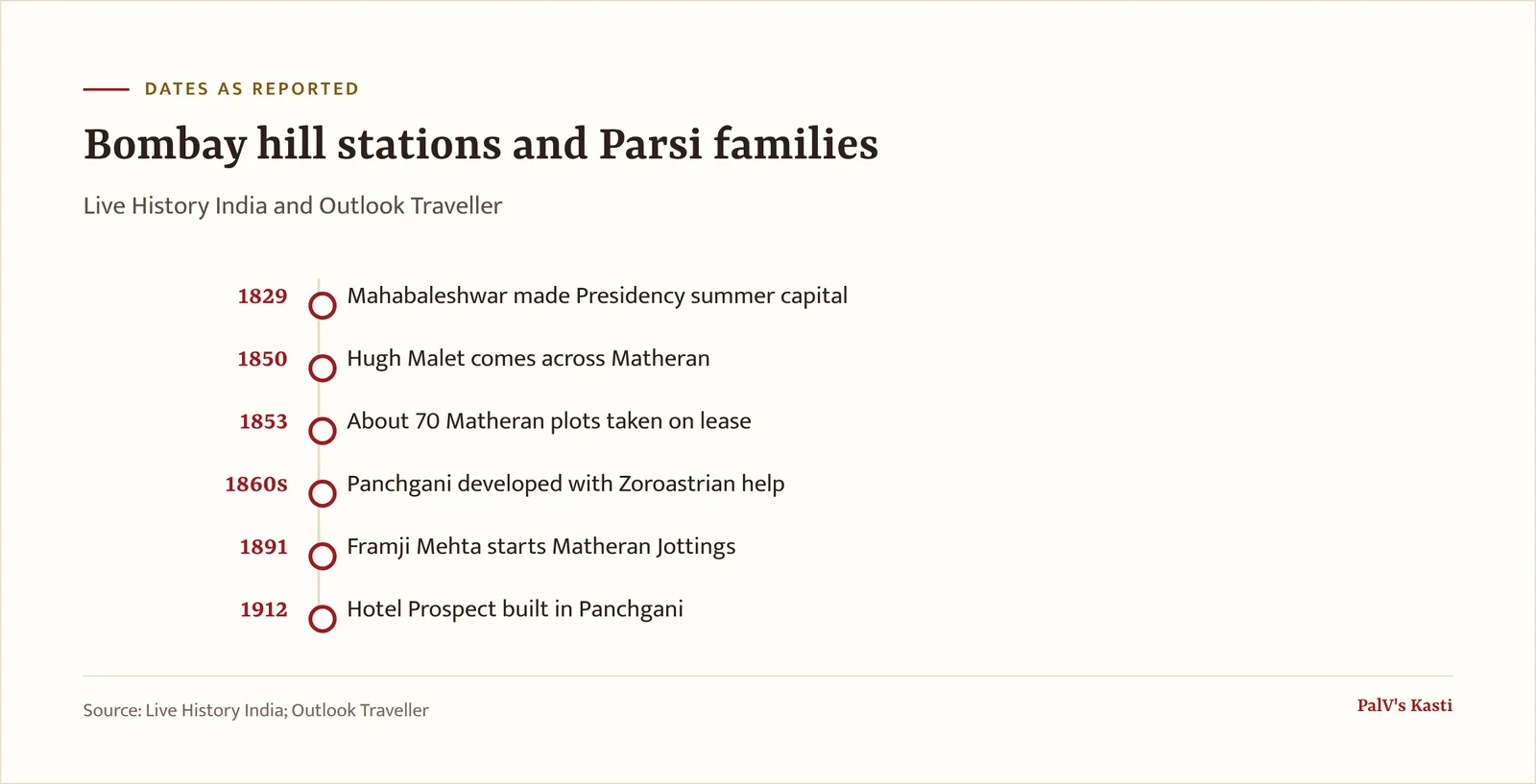
Parsi families enter the story here. The same article says the British presence drew wealthy Bombay families to Matheran, and it names the Parsi community in particular, describing them as people who followed British ways of living. It credits these families with paying for the town's upkeep and civic buildings, the Byramjee Jeejeebhoy Hospital among them. A cottage first built by a Captain Walker later passed to the Sassoons and then to the Petits. And a local resident, Framji Mehta, started a gossip paper called Matheran Jottings in 1891, which by the article's account ran for 24 years.
Which hill stations did Parsis visit?
Four places come up in the sources we checked. Each rests on a single report, so we give the name of whoever said it.
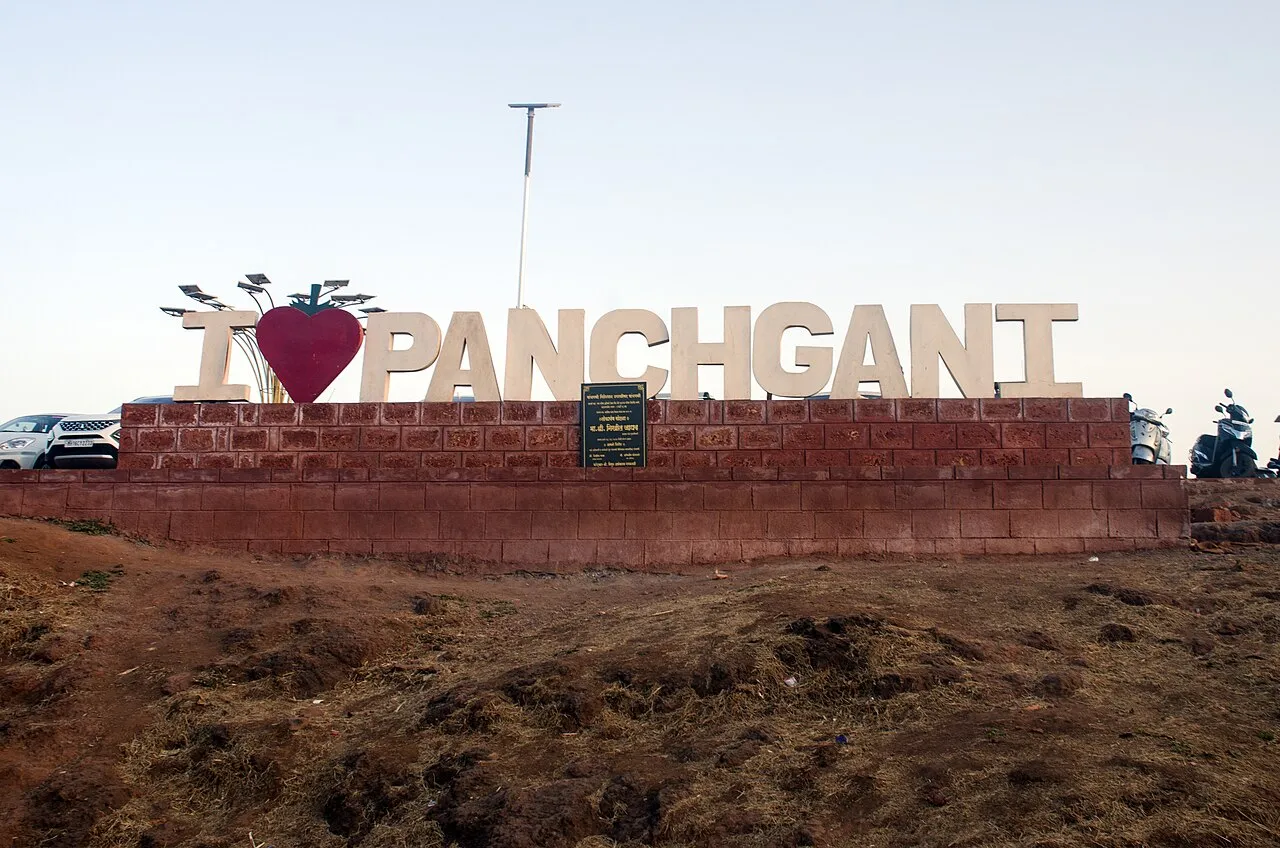
- Matheran: wealthy Parsi families as visitors and donors, according to Live History India.
- Mahabaleshwar: declared the Bombay Presidency's summer capital in 1829, the same article says. Outlook Traveller reports that only a handful of Parsi families now remain there and in Panchgani.
- Panchgani: Outlook Traveller writes that John Chesson, a British superintendent, developed it as a summer retreat in the 1860s with help from the Zoroastrian community, and that Hotel Prospect, which it calls the town's first hotel, was built in 1912 by a Mr Satarawala.
- Lonavala: family homes in a memoir by Kurush Dalal, below.
What do the sources say about tea at the hill stations?
In a Lonavala family
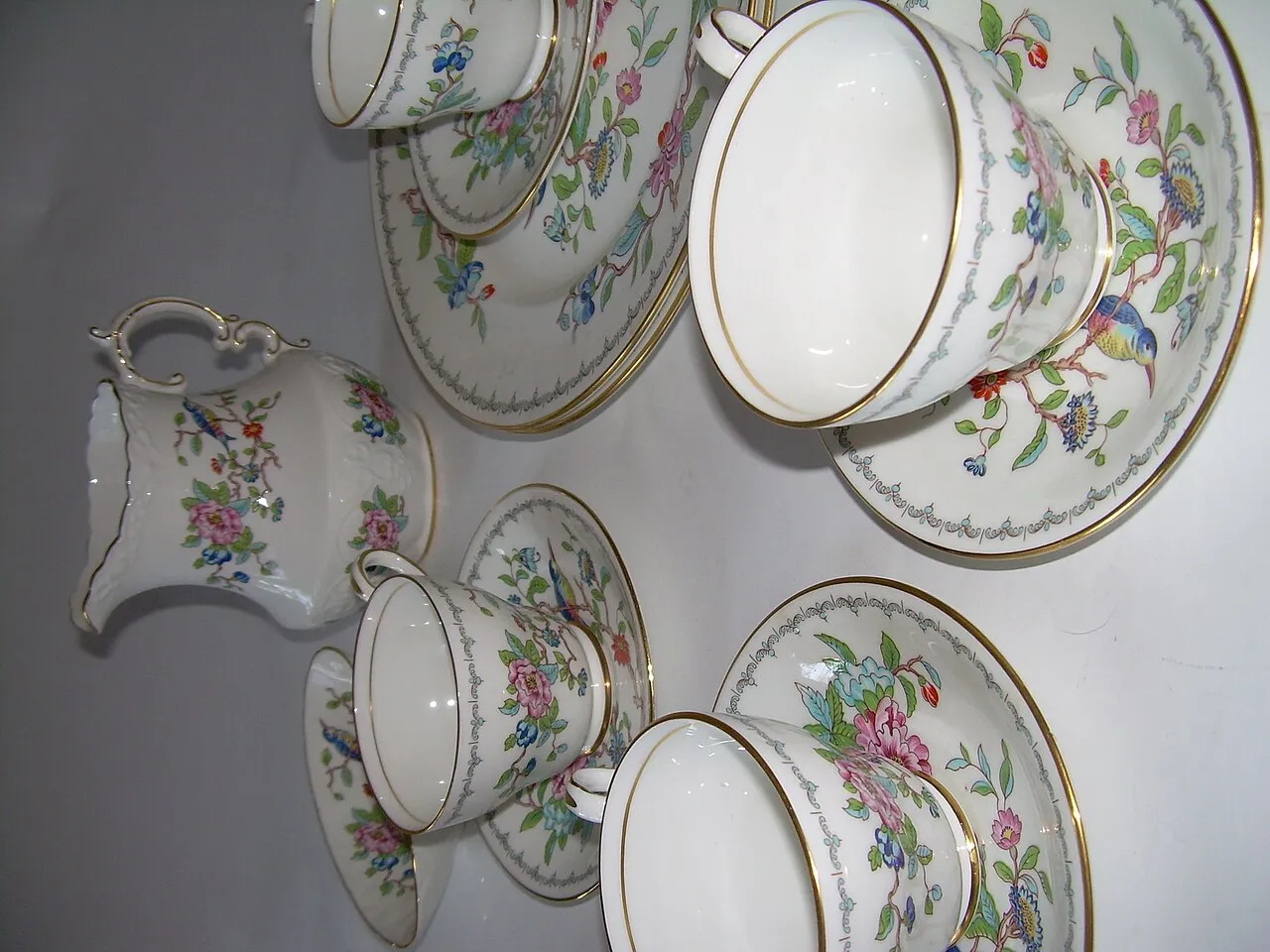
The closest thing to a first-hand account is Kurush Dalal's 2023 essay on Parsi choi in Tea Journey. He writes that at his paternal grandmother's sister's house in Lonavala, a date and walnut cake was the tea-time special at least once a week, often without the walnuts. His mother loved hosting teas and was known for her chicken, egg and chutney sandwiches. She later retired to Lonavala with his father, and when he took stock of the house he found 19 tea sets and about a dozen more teapots. Dalal does not describe a formal party at the hill station itself. But the picture of a hill-town house with a weekly tea cake is his.
In the Parsi hotels of Panchgani
Outlook Traveller's Manasi Mathkar stayed at Parsi-run homestays in Panchgani and profiles three of them. She reports that, as with all the Parsi homestays there, a package includes set meals, with high tea listed between lunch and dinner. At Hotel Prospect, the dining area was once a ballroom where snacks were served, and staff will happily bring guests a cup of tea on the swing. The writer also dates Hotel Mount View's lease by Dhanjishah Khambata to 1923, and gives Il Palazzo's building date as 1925, with the Davierwallas in charge from 1933. These are present-day hotel customs in an old setting, not a record of how families entertained a century ago.
What was served at a Parsi tea party?
We found nothing that lists a hill-station tea table, so the best we can do is say what Parsi sources report about high tea in general. FEZANA's 2012 book Eat, Live, Pray says Parsis took up the Raj custom of high tea as their own. It describes the British version as an early-evening meal that mixed cakes, scones and buns with savouries such as cheese on toast and cold meat. It adds that Parsis often hold high teas in the late afternoon or early evening for functions attended mostly by women: children's birthdays, agarnis and sari-wearing ceremonies.
For the daily habit at home, see our guide to Parsi choi. The cakes, biscuits and savouries themselves are covered in Parsi tea-time snacks, the brew in our Parsi chai recipe, and the cafe tradition in Irani chai.
What we could not source
- Any dated description of a Parsi tea party at Matheran, Mahabaleshwar or Panchgani: who hosted, who came, what was on the table.
- A Nilgiris tea memoir that circulates only as a repost. We could not find the original publication, so we have left its details out.
- Back issues of Matheran Jottings, which might record such gatherings. We found no copy we could read.
Frequently asked questions
Why did Parsis go to hill stations?
Live History India says wealthy Bombay families, the Parsi community in particular, followed the British up to Matheran after it opened in the 1850s. These families paid towards the town's upkeep and its civic buildings, including the Byramjee Jeejeebhoy Hospital. Matheran was a retreat for merchants and businessmen, while Mahabaleshwar served East India Company officials.
Which hill stations did Parsis visit?
The sources we checked name Matheran, Mahabaleshwar, Panchgani and Lonavala. Outlook Traveller credits the Zoroastrian community with helping develop Panchgani in the 1860s and says a handful of Parsi families still live there and in Mahabaleshwar. Kurush Dalal's family memoir places relatives' homes in Lonavala.
What was served at a Parsi tea party?
No source we found lists a hill-station tea menu. FEZANA says Parsis adopted British high tea, which mixed cakes and buns with savouries. Kurush Dalal recalls a weekly date and walnut cake at a Lonavala relative's house, and his mother's chicken, egg and chutney sandwiches at the teas she hosted.
Do Parsi hotels in Panchgani still serve high tea?
According to Outlook Traveller, the Parsi-run homestays of Panchgani sell packages with set meals that include high tea, alongside breakfast, lunch and dinner. It names Hotel Prospect, Hotel Mount View and Il Palazzo. Check with each hotel for its current menu and timings, since these details can change.


