 PalV's Kasti
On this page
Parsi biskoot are the baked biscuits that come out of Parsi and Irani bakeries and go straight into a cup of tea: the butter batasa, the semolina nankhatai, the flaky khari and the plain, dry Irani or sada biscuit. How they became a household staple is a fairly practical story. According to Dotivala Bakers of Surat, bread baked for the Dutch and other colonial customers went unsold and dried out, people bought the cheap, crisp leftovers, and the bakers began drying bread on purpose, later adding fat to make butter biscuits. A 2021 Deccan Herald feature by Monalisa Kar says cookies came with colonial settlers, but gives the Parsis the credit for turning them into biskoot.
શહેરેવર રોજ
Shehrevar Roj, Tir Mah · 1396 Y.Z.
What do Parsis mean by biskoot?
Biskoot simply means biscuit. Niloufer Mavalvala, author of The Art of Parsi Cooking, lists the tea-time things Parsis dunk into a strong cup: batasa, which she calls a savoury butter biscuit; nankhatai, a sweet baked semolina biscuit; the fried semolina-and-saffron bhakra; and kumas, the saffron cake.
Only the first two are biscuits in the bakery sense. Each has its own post here: our Batasa biscuit guide covers the Surti butter biscuit in detail, and Nan khatai covers the sweet one and how to bake it. This page is about the whole family and how bakeries put it on every table.
How did Parsi bakeries start making biscuits?
The story starts with ships. Writing for G5A's Imprint, food writer Meher Mirza links Gujarat's early bakeries to the Dutch, Portuguese and English trading communities of the 17th century. She quotes B. G. Gokhale, writing on Surat: European ships needed bread, and that demand grew a bakery trade in Broach, today's Bharuch.
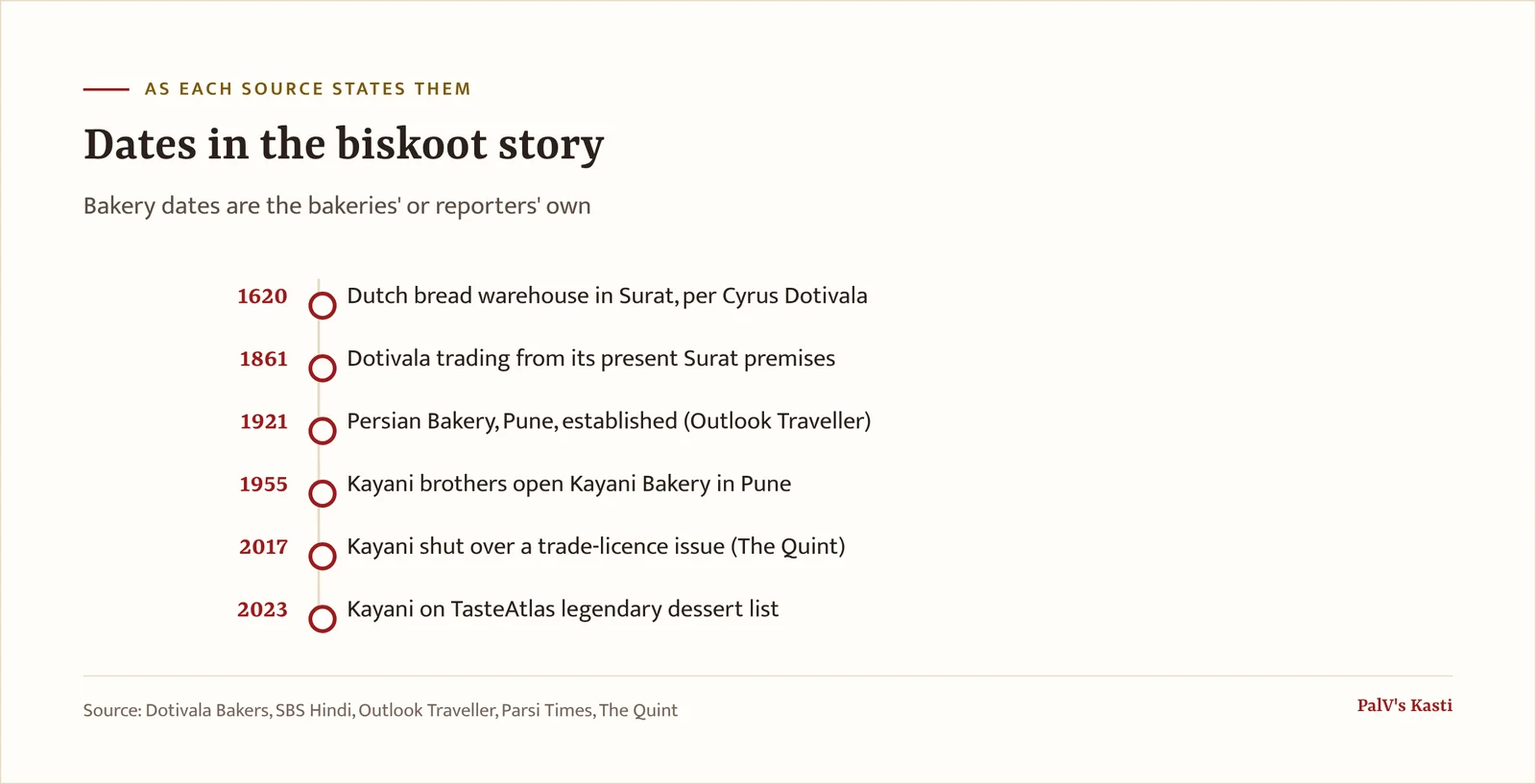
The best-known Parsi account comes from Dotivala Bakers in Surat. According to the bakery's own website, the Dutch ran a bread warehouse on Dutch Road in Surat with five Parsi men as bakers, and when the Dutch left they gave their ovens to Faramji Pestonji Dotivala. Cyrus Dotivala, sixth generation, told SBS Hindi in 2019 that a Dutch merchant set up that warehouse in 1620. The family is open about what it does not know. Its website says the exact year the business began is unknown, and that it has traded from its present premises since 1861.
Mavalvala, writing about her cookbook for ckbk, also credits the Dutch with bringing Parsis the biscuits they call batasas. The Deccan Herald feature traces the same line to the Dutch koekje. We keep the Dotivala story short here. Its nankhatai chapter belongs to the biscuit's own page.
What are Irani biscuits, or sada biscuits?
Irani biscuits are oven-dried bread, and in the Dotivala telling they were the first Parsi biskoot. Their bread dough was raised with toddy, the fermented sap of the palm, which kept loaves from spoiling but let them dry out. When trade went slack, unsold loaves went hard. The bakery sold this dried bread cheaply, people liked how light and crisp it was, and soon the bakers were drying bread in the oven on purpose and shaping it differently. Today, the website says, these are known as Irani biscuits.
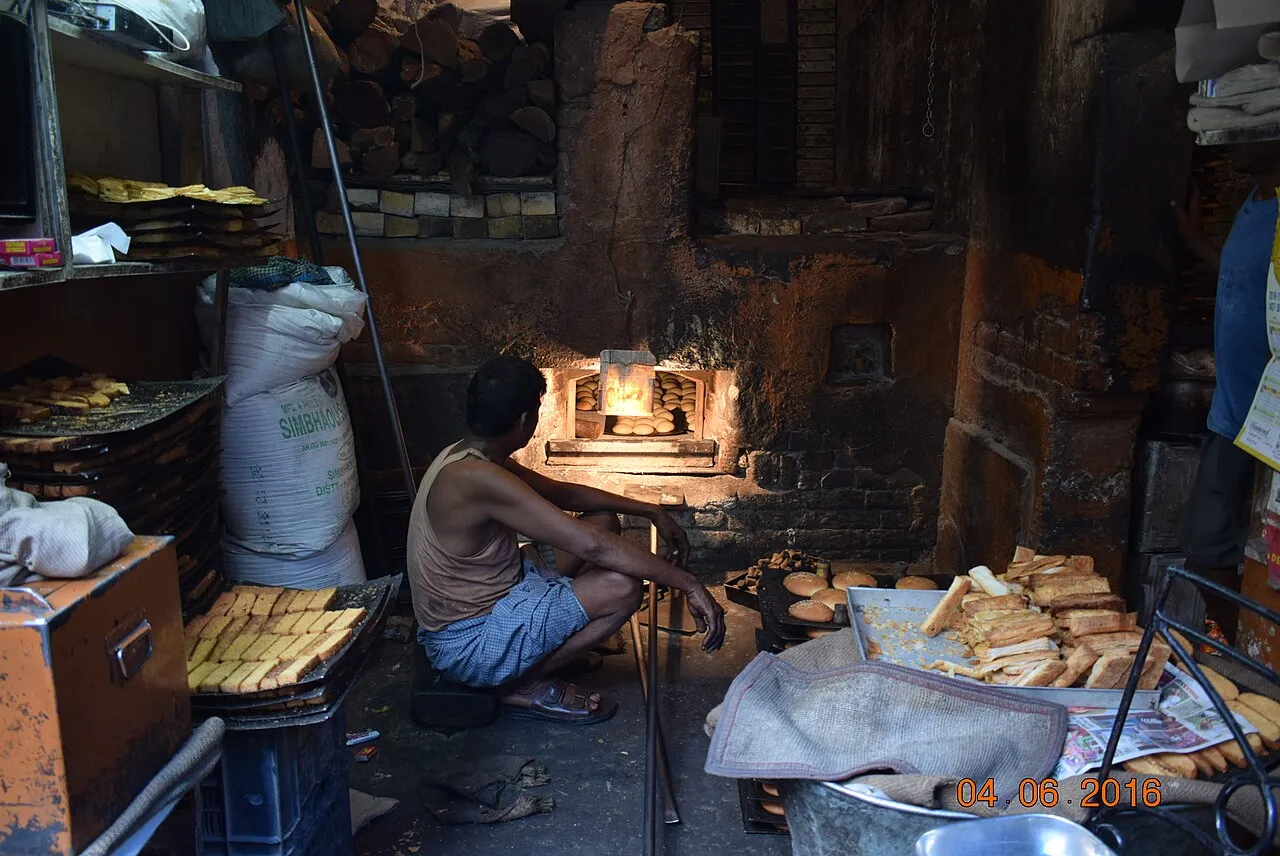
Cyrus Dotivala gave SBS Hindi the other name, sada biscuit, and said his family added cumin seeds to theirs. The website adds that doctors once recommended these biscuits to patients because they were easy to digest. When patients recovered, the story goes on, the bakers made a richer version with plenty of shortening, and that became the Farmasu Surti batasa.
After Independence, the Dotivala website says, prohibition in Gujarat banned toddy as alcoholic, so the bakery switched to a ferment of hops and potatoes, and lost something of the old taste and texture.
Where did khari biscuit come from?
Khari is the flaky, layered biscuit, and the Dotivala family does not claim it as its own. Cyrus Dotivala told SBS Hindi that khari comes from the French: thin sheets of puff pastry are rolled and folded again and again (lamination), and his bakery then added its own flavours. We could not find an older or independent source on how khari reached Surat or Bombay, so we leave its history at his account. In Pune, Outlook Traveller lists "flaky Bombay khari" at Persian Bakery in Pune, and The Quint lists kharis among Kayani Bakery's staples.
Why are Shrewsbury biscuits famous in Pune?
Pune's Shrewsbury biscuits are famous because of one bakery: Kayani Bakery in the Camp area. Parsi Times, The Quint and The Better India all give the same founding story. Brothers Khodayar and Hormazdiar Kayani, who had come from Iran, opened it in 1955. Paurushasp Kayani, Khodayar's great-grandson, told The Quint in 2017 that the family migrated before 1947, and that the items on sale "have actually been here since inception".
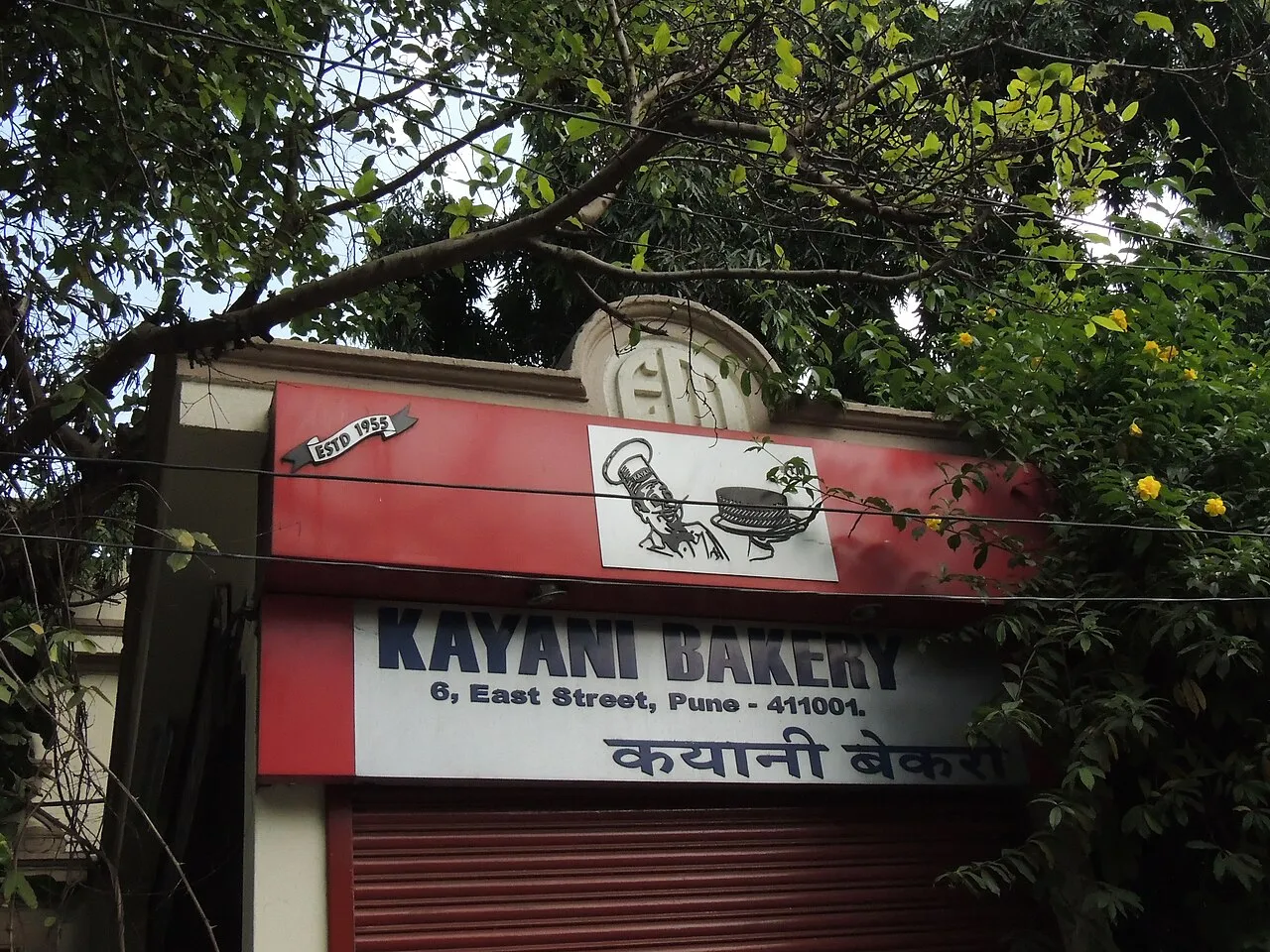
Parsi Times notes that the biscuit is named after a town in England, Shrewsbury. It reported in September 2023 that Kayani bakes more than 200 kilos of biscuits a day and still sells out most days, and that the food guide TasteAtlas had put the bakery on its list of the world's 150 most legendary dessert places. It has not always been smooth. In October 2017 The Quint reported the bakery shut while it sorted out a trade-licence problem, and found a few disappointed visitors who had come for the biscuits.
Parsi Times and The Quint both say the founders came from Iran, which makes Kayani an Irani bakery, though The Better India calls it a Parsi one. Pune has an older bakery in Camp too: Outlook Traveller says Persian Bakery was established in 1921, and in 2022 it listed khari, butter cookies and nankhatai among its bakes.
How did biscuits become an everyday staple?
Two things, by the accounts we found: cheap sugar and the tea habit. Culinary researcher Chef Sharad Dewan told the Deccan Herald that sugar had become affordable, which made biscuits a cheap treat, and that the British used them to promote tea, including on the Railways, where tea and biscuits were sold together. The feature's author adds that chai stalls made chai with biskoot the norm. Chef Sabyasachi Gorai, in the same feature, adds Arab and Armenian settlers to the Parsis as early bakery owners who knew both bread and baked sweets.
Bakeries also multiplied. The Dotivala website says that when prohibition came in after Independence, Surat had three Parsi-owned bakeries. Others then opened by offering bigger incentives to men the Parsi bakers had trained, and the old monopoly ended. In Mumbai, the Irani café keeps them in view. Outlook Traveller's OT Eats, writing in 2025, describes Kyani & Co. with wooden shelves holding big glass jars of cookies and biscuits.
Frequently asked questions
What are Irani biscuits?
Irani biscuits, also called sada biscuits, are bread that has been dried in the oven until light and crisp. Dotivala Bakers of Surat says the idea came from unsold toddy-raised bread that dried out and still sold well, so bakers began drying loaves on purpose. Cyrus Dotivala says his family flavours theirs with cumin.
Why are Shrewsbury biscuits famous in Pune?
Pune's Shrewsbury biscuits are tied to Kayani Bakery in the Camp area, opened in 1955 by brothers Khodayar and Hormazdiar Kayani, who came from Iran. Parsi Times reported in 2023 that the bakery makes over 200 kilos of biscuits a day and usually sells out, and that TasteAtlas named it among the world's legendary dessert places.
Where did khari biscuit come from?
Cyrus Dotivala of Surat's Dotivala Bakers told SBS Hindi in 2019 that khari comes from the French technique of laminating puff pastry: rolling and folding thin layers again and again. His bakery then added its own flavours. We did not find an independent historical source on when khari first reached Gujarat or Bombay.
Which biscuits do Parsis eat with tea?
Cookbook author Niloufer Mavalvala names batasa, a savoury butter biscuit, and nankhatai, a sweet baked semolina biscuit, among the Parsi tea-time treats to dunk in a strong cup, alongside the fried bhakra and the saffron cake kumas. Bakeries add more: The Quint lists khari among Kayani's staples in Pune, and Dotivala in Surat makes the dry Irani or sada biscuit.
Is Dotivala the oldest Parsi bakery?
Dotivala Bakers says it is Surat's oldest bakery and has worked from its current premises since 1861. The family also says the exact year the business began is not known. Its account traces the ovens back to a Dutch bread warehouse in Surat, which Cyrus Dotivala dates to 1620. We have not found a record that settles it.


