PalV's Kasti
On this page
- Who planted the first chikoo orchards around Gholvad and Dahanu?
- How did the chikoo (sapota) reach Dahanu?
- Where exactly are the chikoo farms of Gholvad, Bordi and Dahanu?
- How did Dahanu residents fight the thermal power plant?
- Does Dahanu Gholvad chikoo have a GI tag?
- When did the Chikoo Festival at Bordi begin?
- Who looks after the Irani chikoo wadis today?
- Frequently asked questions
The chikoo farms of Gholvad and Dahanu were cleared and planted mainly by Irani Zoroastrian settlers, working the land alongside Warli labourers. Writing in Outlook, Bachi Karkaria says the Iranis arrived about a hundred years before her visit and cleared the grassy tracts by hand. Lathika George, in her book Mother Earth, Sister Seed, calls the work "a joint endeavour of the Irani landlords and Warli labourers". How the first chikoo plant got there is still argued over. The orchards now run along the coast from Bordi past Gholvad and Dahanu, and the fruit carries the GI name "Dahanu Gholvad Sapota". Below we set out what the published record says, and where it goes quiet.
અસપંદામેદ રોજ
Asfandarmad Roj, Tir Mah · 1396 Y.Z.
Who planted the first chikoo orchards around Gholvad and Dahanu?
Both of the accounts we could check name the Iranis. Karkaria, in her Outlook travel piece (online since July 2022 and marked as an archive story), writes that the orchards "had been planted by the Iranis". She describes them as Zoroastrians impoverished by discrimination in Iran, who made the journey their fellow Zoroastrians, the Parsis, had made nearly a thousand years earlier. In her telling, some opened tea shops in Mumbai. Others went inland to farm.
Quartz published an excerpt of George's book with Penguin's permission, and in it she names the people who did the labour. Warli workers broke the sandy black cotton soil alongside the Irani landowners.
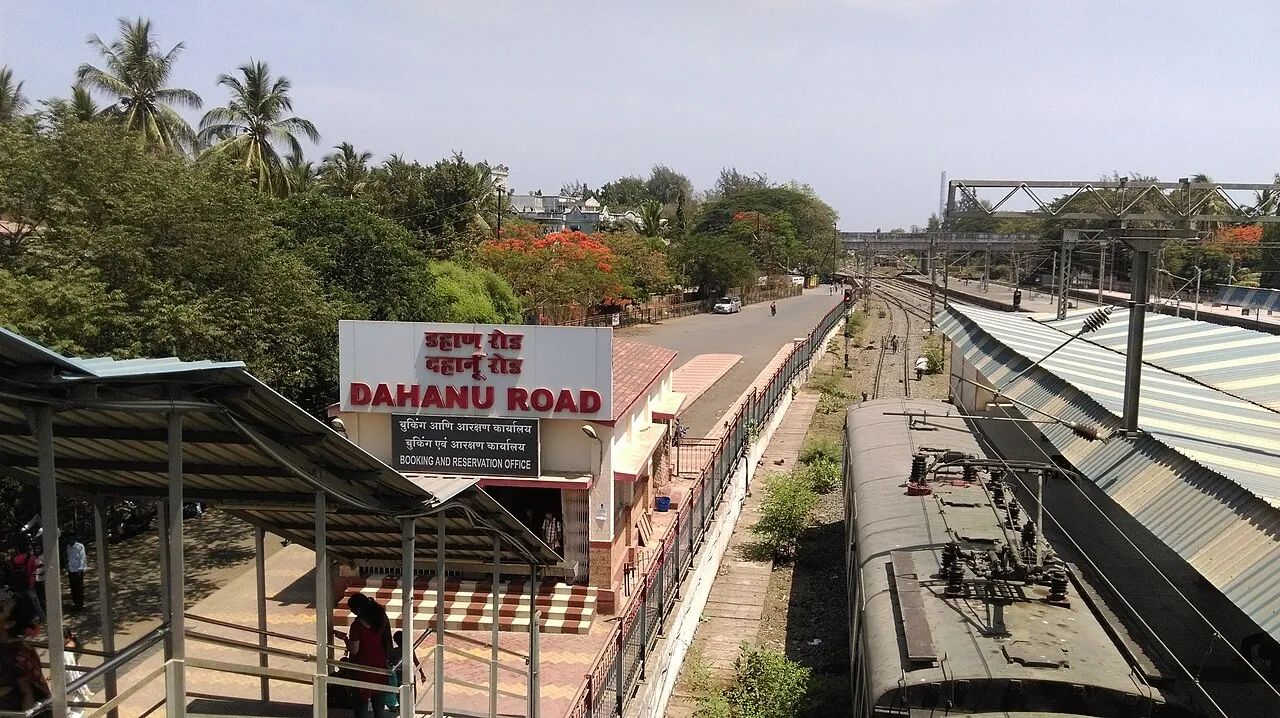
Here the trail goes thin. Neither writer names the first planter or gives a year. Karkaria says only that the house of the man who first brought chikoos to the area still stands near Dahanu Railway Station, with his grandsons looking after the land. We could not find any record that gives a name and date, so we leave both out.
How did the chikoo (sapota) reach Dahanu?
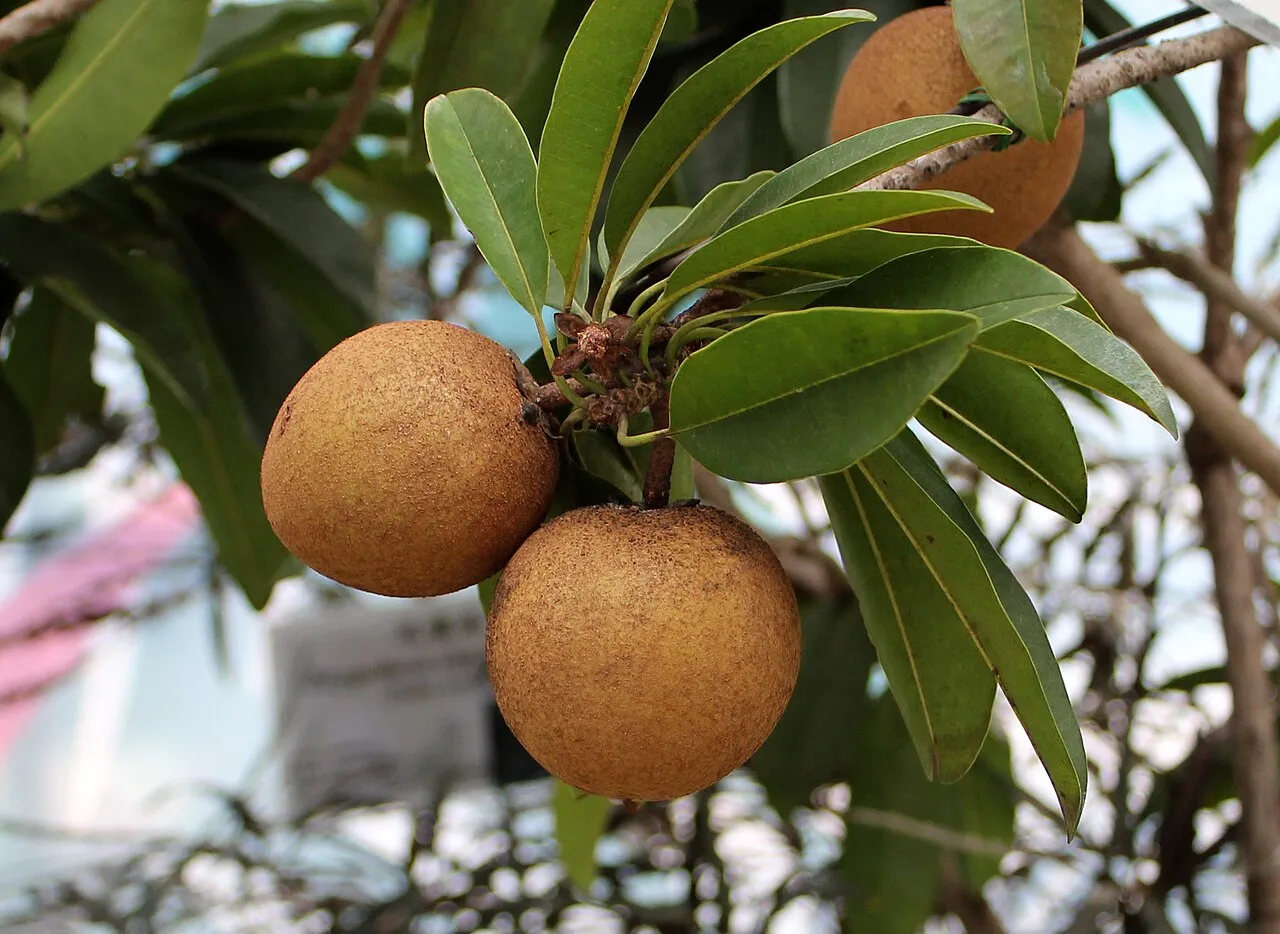
George puts it plainly: nobody agrees. She records two versions. In one, the Irani foreman of the thermal plant brought the plants from Guatemala. In the other, Cawasji Patel carried saplings from the nursery of Bombay's Hanging Gardens. We give both because she gives both. Neither has a second source we could open, so treat each as a story told in the area rather than settled fact.
Where exactly are the chikoo farms of Gholvad, Bordi and Dahanu?
In George's description the farms started at Bordi and stretched past Dahanu and Gholvad as far as Udvada in Gujarat. Karkaria says Gholvad has no clear centre. It rises above Bordi and runs on into Dahanu and the villages around it, and is really just orchards and the homesteads of the families who grew them. All of this falls in today's Palghar district of Maharashtra, close to the Gujarat border.
Bordi has its own Parsi past. Outlook Traveller (January 2024) calls it historically a Parsi settlement, where Parsi families have lived beside local Maharashtrians for more than a century. Some of the old houses are falling down and some are carefully kept. For the wider story of Zoroastrian farming families further north, see our piece on Parsis in rural Gujarat.
How did Dahanu residents fight the thermal power plant?
The orchard belt was also at the centre of a landmark case in Indian environmental law. The Free Press Journal (September 2024) says that in 1988 Bombay Suburban Electric Supply (BSES) proposed a 500 MW coal-fired plant in Dahanu taluka. From 1989 a local group led by Nergis Irani and Kitayun Rustom, with environmentalists from Mumbai, fought it in court. Outlook's profile of Irani says she grew up largely in Dahanu, which it calls a land of "chickoo orchards". It says she set up the Dahanu Taluka Environment Protection Group, later renamed the Dahanu Taluka Environment Welfare Association, and filed a writ petition in the Bombay High Court in 1989.
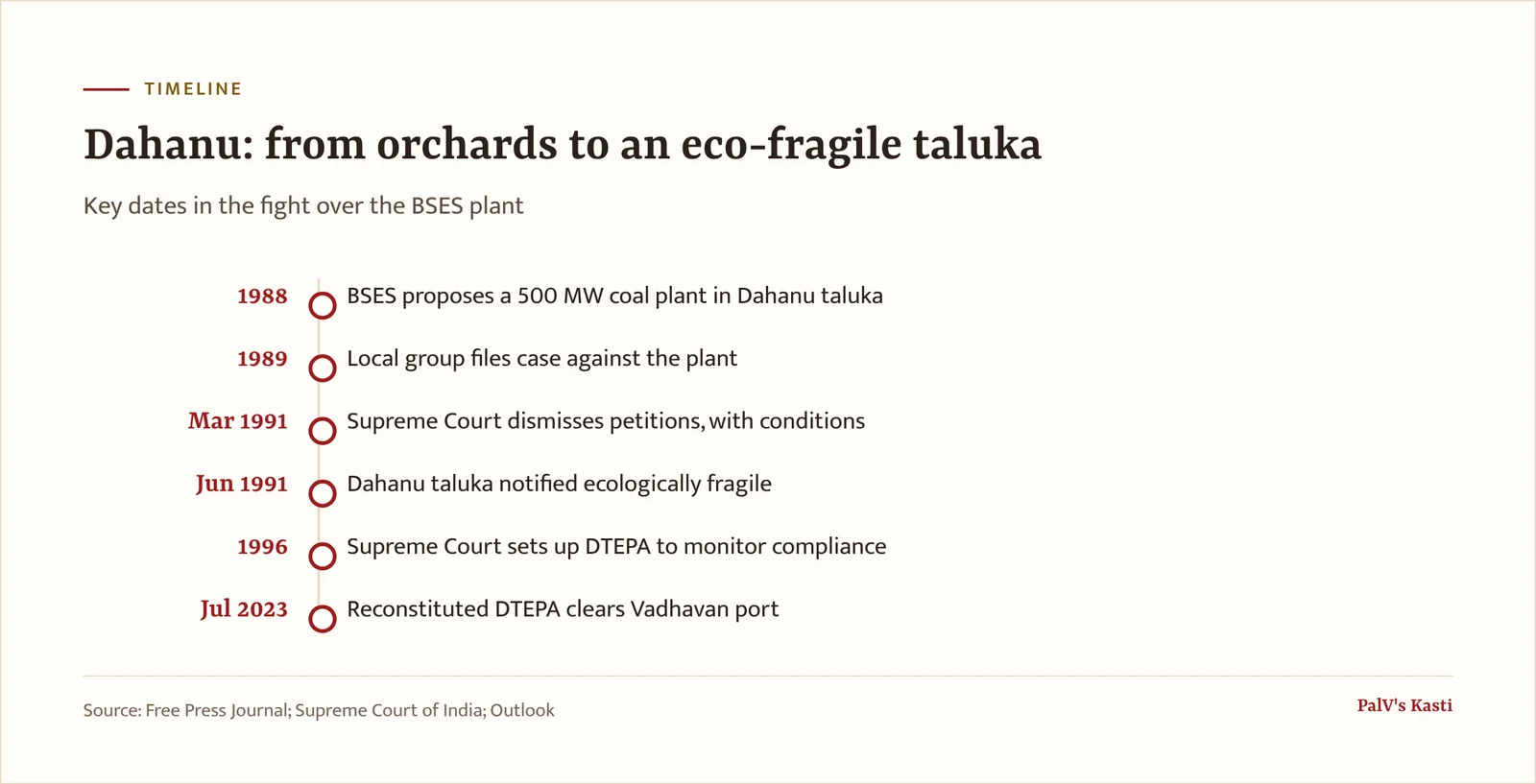
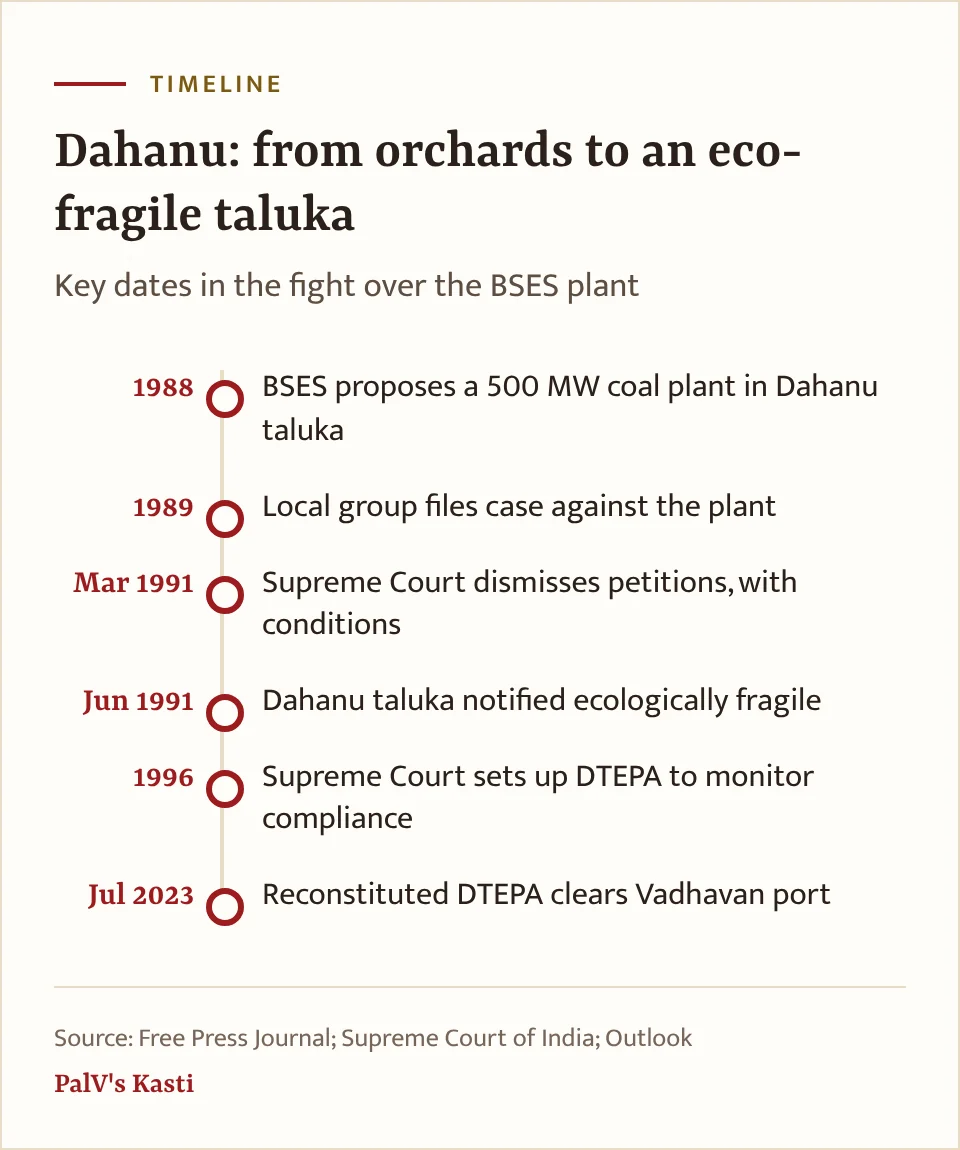
The case did not stop the plant. On 19 March 1991 the Supreme Court, in Dahanu Taluka Environment Protection Group v. Bombay Suburban Electricity Supply Co., (1991) 2 SCC 539, upheld the High Court and dismissed the special leave petitions. It did add conditions, including that the flue gas desulphurisation requirement could not be relaxed without hearing the petitioners. The same judgment mentions a draft notification of February 1991 proposing to declare Dahanu taluka "an ecologically fragile area".
That notification is what lasted. In Outlook's profile, Irani dates it to 20 June 1991, and the Free Press Journal says India had never used the label "Ecologically Fragile Area" before it. Five years later, in 1996, the Supreme Court set up the Dahanu Taluka Environment Protection Authority to monitor compliance. The Free Press Journal also reports that a reconstituted authority cleared the Vadhavan port project in the same taluka in July 2023, and that the port's foundation-stone ceremony was held on 30 August 2024, away from the site because of protests.
Does Dahanu Gholvad chikoo have a GI tag?
Yes. A Press Information Bureau release of 19 May 2021 says the GI certification for Dahanu Gholvad Sapota is held by the Maharashtra Rajya Chikoo Utpadak Sangh. That day the first consignment of the GI fruit was shipped to the United Kingdom. According to the release, about 5,000 hectares of Palghar district were under sapota, and 147 of the 5,000 farmers growing it were authorised GI users. The release says the fruit's taste is believed to come from the calcium-rich soil of Gholvad village and notes that Karnataka grows the most sapota in India, with Maharashtra second.
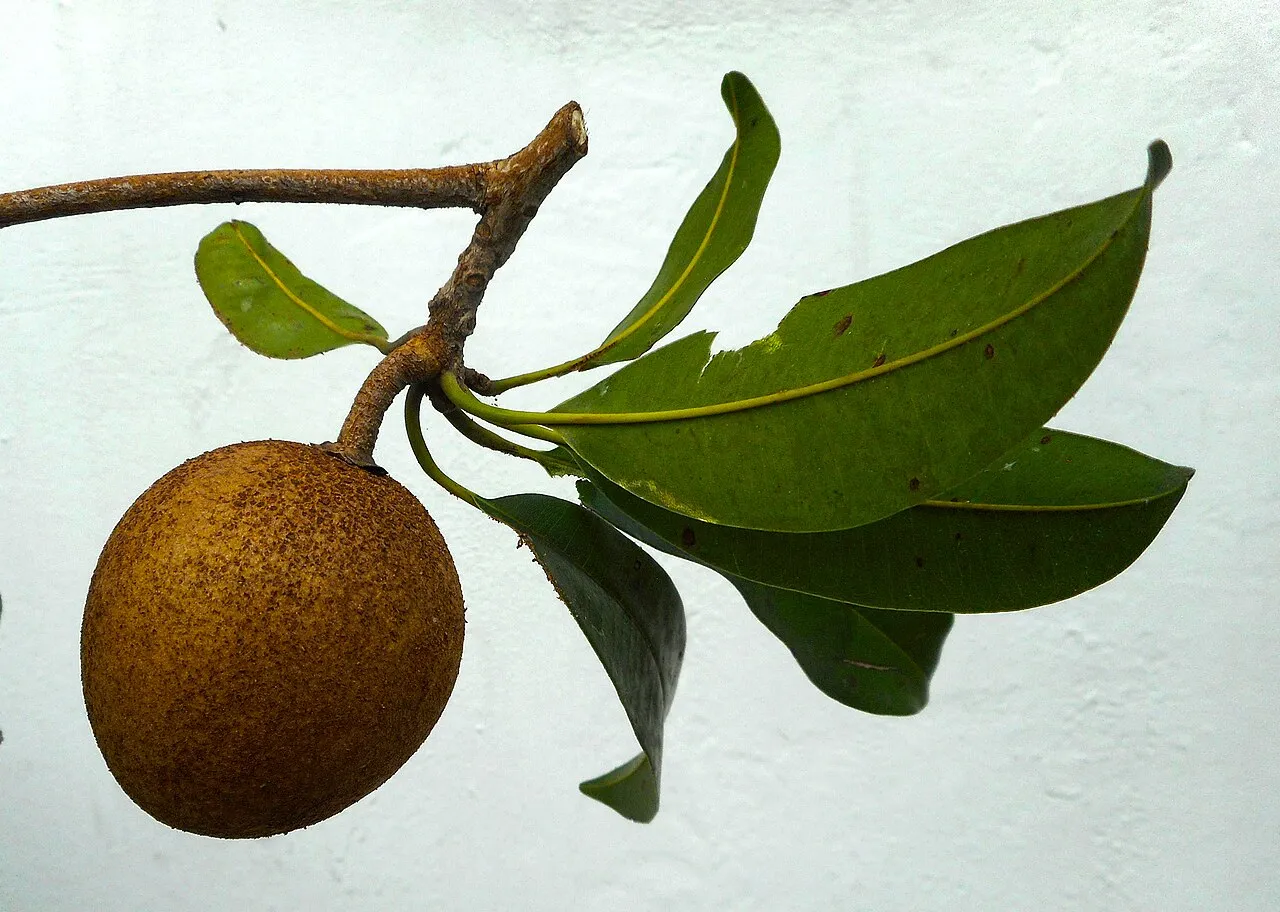
When did the Chikoo Festival at Bordi begin?
The festival grew out of heritage work. In an Outlook Traveller interview, Dahanu environmental activist Phiroza Tafti, who took over as convenor of INTACH's Dahanu chapter from Nergis Irani, says the chapter began with a "Discover Dahanu" festival. In 2013 that became a two-day "Chikoo Festival" run with MTDC, and she says 2,500 visitors came. In 2014 it was renamed "Chikoo Utsav".
Outlook Traveller's January 2024 listing names a different organiser. It says the Rural Entrepreneurship Welfare Foundation had run the two-day festival at Bordi Beach for the previous eight years, and the 2024 edition fell on 10 and 11 February. Stalls sell chikoo ice cream, kulfi, dried chikoo chips and chikoo powder. The magazine adds that local women now dry chikoo all year to meet orders. Check the current year's dates with the organisers before you travel.
Who looks after the Irani chikoo wadis today?
Both writers raise the same worry. George met owners who feared their children were leaving for jobs in the cities or abroad, and that land their ancestors had worked so hard for would be sold off. She also met city families who still came out every month to their chikoo wadis. Karkaria's account is a little brighter. Grandchildren did go away, she writes, but many came back.
Tafti describes the "belni", a bamboo pole with a metal net used to pull the soft fruit off the tree, and auctions where the crop is bid for, graded, packed and put on trucks. For another fruit with Parsi ties, see our piece on Parsis and mangoes.
Frequently asked questions
Why is Gholvad famous for chikoo?
Gholvad, in Palghar district near the Gujarat border, sits in a long belt of chikoo orchards that runs from Bordi through Dahanu. Its fruit holds the GI name Dahanu Gholvad Sapota. A 2021 Press Information Bureau release says its sweet taste is believed to come from the calcium-rich soil of Gholvad village.
Who brought chikoo to Dahanu?
No one knows for sure. Lathika George's book records two local versions: the Irani foreman of the thermal plant brought plants from Guatemala, or Cawasji Patel brought saplings from Bombay's Hanging Gardens nursery. Writer Bachi Karkaria says the first grower's house still stands near Dahanu Railway Station, but she does not name him.
Were the Gholvad chikoo farmers Parsis or Iranis?
The sources we checked mostly say Iranis, meaning Zoroastrians who came from Iran much later than the Parsis did. Bachi Karkaria and Lathika George both describe Irani landowners clearing and planting the orchards with Warli labour. Bordi nearby is described by Outlook Traveller as a Parsi settlement more than a century old.
Does Dahanu Gholvad chikoo have a GI tag?
Yes. According to the Press Information Bureau, the GI for Dahanu Gholvad Sapota is held by the Maharashtra Rajya Chikoo Utpadak Sangh. The first GI consignment went to the United Kingdom on 19 May 2021. At that time 147 of the 5,000 sapota farmers in Palghar district were authorised GI users.
When is the Chikoo Festival at Bordi?
It is a two-day event at Bordi Beach near Dahanu. Outlook Traveller listed the 2024 edition for 10 and 11 February, run by the Rural Entrepreneurship Welfare Foundation. Phiroza Tafti dates the first Chikoo Festival to 2013, with MTDC. Confirm each year's dates with the organisers before travelling.
What is the Dahanu notification?
It is a 1991 notification that declared Dahanu taluka ecologically fragile and placed restrictions on industries harmful to its environment. Nergis Irani, quoted in Outlook, dates it to 20 June 1991, and the Free Press Journal says it was the first use of the term in India. The Supreme Court set up an authority in 1996 to monitor compliance.