 PalV's Kasti
On this page
- What is Parsi curry masala made of?
- Is Parsi curry masala a dry powder or a wet paste?
- How do you make Parsi curry masala at home?
- What makes the masala taste right?
- Can I use curry powder for Parsi curry?
- Is there a green Parsi curry masala?
- How is curry masala different from dhansak masala?
- Frequently asked questions
Parsi curry masala is not a powder in a jar. It is a wet paste, ground fresh on the day, built on coconut, dried red chillies (Kashmiri ones for colour), plenty of garlic and whole or ground coriander and cumin. Published family recipes thicken it with roasted peanuts, cashews, poppy seeds or sesame, and add a sour note from tomato, tamarind, kokum, vinegar or lemon. At home you grind the coconut and chillies first, then the garlic and spices, until the paste is thick and smooth, and fry it in oil before any water goes in. Below we explain what goes into it, why every family's version differs, and give one named recipe, Niloufer Mavalvala's, step by step.
શહેરેવર રોજ
Shehrevar Roj, Tir Mah · 1396 Y.Z.
What is Parsi curry masala made of?
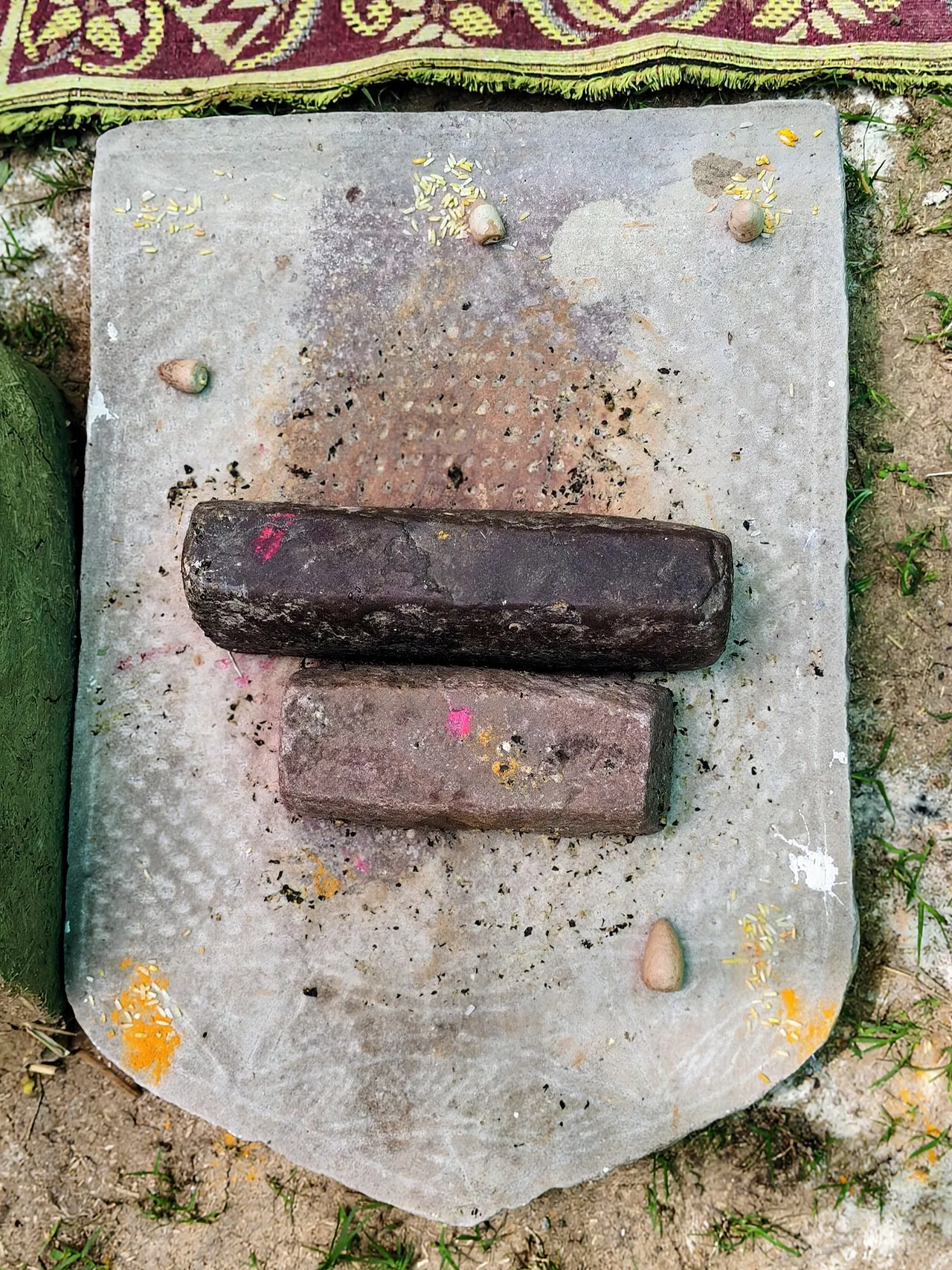
The base is coconut. Cookbook author Niloufer Mavalvala, writing in her column for The Cook's Cook, says Parsi curries stand apart from other cuisines' curries because they are made with fresh coconut and a masala ground on the masala no pathar, the household grinding stone. Food writer Meher Mirza says much the same in Saveur: coconut, which reached Parsi kitchens from the coast, powers most of the community's curries.
Around that coconut, the recipes we read share a core and differ on the rest.
- Dried red chillies. Mavalvala recommends Kashmiri chillies and says whole ones ground into the paste give more colour than chilli powder. Perzen Patel's family recipe asks for 15 of them and tells you not to skip them.
- Garlic, and lots of it: a whole head in Mavalvala's paste, ten cloves in Patel's.
- Coriander and cumin, ground or as whole seeds that are roasted first.
- Something to thicken. Patel uses raw peanuts and cashews with poppy and sesame seeds. Mirza describes her mother's red curry as held together by khuskhus (poppy seeds) and besan, with pounded cashews for creaminess.
- Something sour, which is where families split most clearly (see the table).
Mavalvala sums up the aim as a balance of spicy, sour and sweet (tikhu, khatu, mithu).
Three published family versions side by side
| Cook (where published) | Coconut | Other paste and thickening ingredients | Sour note |
|---|---|---|---|
| Niloufer Mavalvala, macchi ni curry (The Cook's Cook) | 80 g desiccated or fresh | Onion; peanut butter optional, added later | Fruit vinegar in the paste; tamarind or kokum paste, or lemon/lime juice, in the pot |
| Perzen Patel, her grandmother's prawn curry (Substack, also The Spinoff) | 150 g fresh/frozen or 200 g desiccated | Peanuts, cashews, poppy and sesame seeds; wheat flour fried before the paste | Tomatoes in the paste, lemon at the end; she says the family uses no tamarind |
| Meher Mirza, her mother's red curry (Saveur) | Not given in the essay | Poppy seeds, gram flour, cashews | Tomatoes and tamarind, which she notes is chosen over the more common kokum |
Parsi Times printed yet another variation in September 2017: its prawn curry paste adds 10 g of Parsi sambar masala to the peanuts, sesame, khus khus, cashews and coconut. None of these is the one "correct" masala. Mavalvala writes that every family cook plays with the flavours, and each household is known for its own version.
Is Parsi curry masala a dry powder or a wet paste?
A wet paste. In both of the named home recipes we followed, "curry masala" is the name for what comes out of the grinder: coconut, chillies, garlic and spices blended with liquid (vinegar in Mavalvala's, water and tinned tomatoes in Patel's) into something thick and smooth. Patel warns that a coarse paste gives a curry that is not smooth, so keep grinding.
Parsi kitchens do keep dry spice blends. Mirza's Saveur guide to Parsi spice mixes gives four: dhana jeera, garam masala, dhansak masala and sambhar masala. A curry masala is not on her list. Niloufer Ichaporia King, in My Bombay Kitchen (2007), calls her dry blends "the big three" and notes that not many urban Parsi homes make their own dry mixtures any more.
How do you make Parsi curry masala at home?
This method follows Niloufer Mavalvala's recipe for macchi ni curry (coconut fish curry) in her Niloufer's Parsi Kitchen column for The Cook's Cook. Mavalvala, born in Karachi, has written four Parsi cookbooks. Her recipe serves four to six. We have kept her quantities and put the steps in our own words.
For the curry masala paste
- 80 g (1 cup) desiccated or freshly scraped coconut
- 6 large flat dried red chillies, or 2 teaspoons chilli powder
- 1 whole head of garlic, peeled
- 1 small onion, roughly chopped
- ½ teaspoon sugar
- Fine salt to taste (she starts at 1 teaspoon)
- 1 tablespoon cumin powder
- 2 tablespoons coriander powder
- 2 tablespoons fruit vinegar
For the curry
- 1 teaspoon neutral oil and ½ teaspoon turmeric
- 12 curry leaves and 2 slit green chillies
- 240 ml (1 cup) water, or coconut water for a sweeter curry
- 120 g (½ cup) fresh tomato purée
- 1 teaspoon tamarind or kokum paste (or the juice of one lemon or lime)
- 1 kg fish (fillets, steaks, or a whole fish with skin and bone)
- Peanut butter, 1 tablespoon, if you like
- Hot cooked rice to serve
- Put the coconut and dried chillies in the grinder and blend to a smooth paste. A splash of the vinegar helps if the blades stall.
- Add the garlic, onion, sugar, salt, coriander, cumin and the rest of the vinegar. Grind again until you have a thick, smooth curry masala.
- Warm the oil in a wide pan on medium heat. Stir in the turmeric, curry leaves and green chillies for about a minute, without letting them brown.
- Add the masala and fry it, stirring often, for 3 to 5 minutes, until it darkens a little and smells fragrant.
- Pour in the water (or coconut water), bring to the boil, then cover and cook on low for 20 minutes.
- Stir in the tomato purée and the tamarind or kokum. Cover and cook on very low heat for about 30 minutes, until thick.
- If you like, stir in the peanut butter and simmer 2 to 3 minutes. Taste for salt.
- Slide in the fish so it sits mostly under the sauce, bring to a gentle boil and cook about 5 minutes. Switch off the heat, cover, and let it rest 10 minutes before serving with rice.
Her method also mentions stirring in coconut milk with the peanut butter, though coconut milk is not in her ingredient list. Treat it as optional. In the traditional version, Mavalvala adds, the fish goes in whole, bones and all, which gives more flavour and wastes less.
What makes the masala taste right?
Perzen Patel tells a useful story here. After her family left Mumbai, her mother's prawn curry never tasted like her grandmother's. After her grandmother's death, a handwritten recipe the grandmother had left for Patel showed them three things they had been doing wrong. They had not roasted the peanuts and cashews on their own before toasting the other spices. They had ground everything together instead of grinding the dry ingredients first and the wet ones after. And they had not fried the chickpea flour in oil before adding the paste, which is why the texture was off.
Patel's own steps follow the same order: roast the seeds and nuts until fragrant, blend them with coconut, garlic, chillies and tomatoes into a fine paste, fry wheat flour in oil without lumps, then sauté the paste for about five minutes until it stops sticking to the pot. Mavalvala's recipe also fries the paste in oil, for 3 to 5 minutes, though without flour.
Can I use curry powder for Parsi curry?
Our two named cooks disagree. Mavalvala says she can recall only two Parsi recipes that use curry powder: fish biryani, which her mother-in-law perfected, and mulligatawny soup. She traces curry powder itself to a blend devised for British colonial officers, which she says the East India Company packaged and sold in the 1700s. Patel, on the other hand, adds 1 teaspoon of curry powder to her grandmother's red prawn curry and 1.5 teaspoons to her green curry, alongside the fresh paste.
Neither of them uses curry powder in place of the paste, though. If you only have a jar of curry powder, you'll get a curry, but not one built on fresh coconut.
Is there a green Parsi curry masala?
Yes. Patel calls green curry the overlooked sibling of Parsi curries. In her family it was the fallback, and it is still her answer when she doesn't know what else to make. Her green paste is fresh coriander, cumin, raw garlic, green chillies and grated coconut, with a little sesame and tomato, ground smooth with water. She fries it the same way: flour in oil first, until it looks like breadcrumbs, then the paste, until the oil comes away from the sides of the pan.
How is curry masala different from dhansak masala?
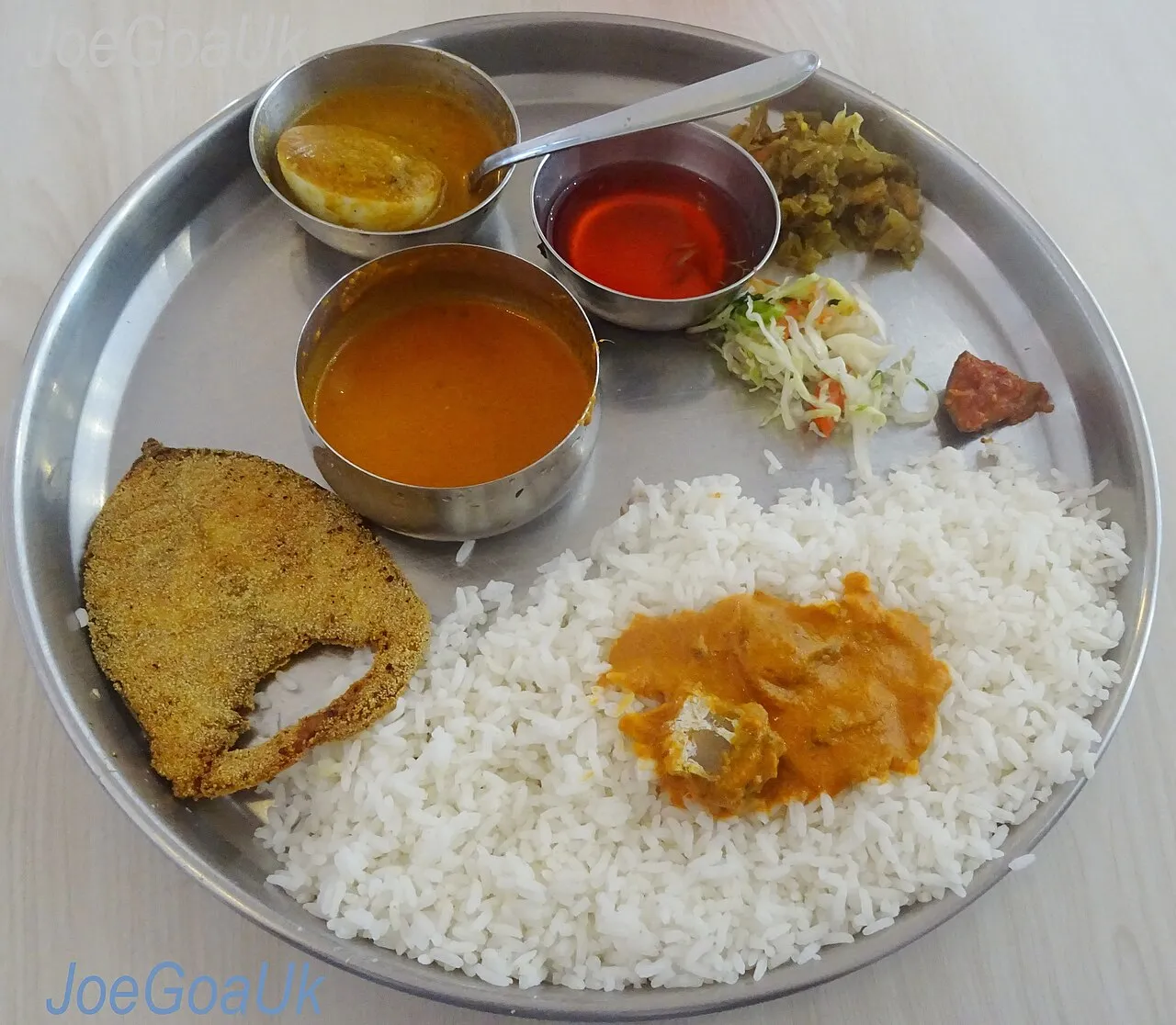
Dhansak masala is a dry, ground spice blend you can store, and Mirza lists it among four Parsi blends. It takes its name from Dhansak, though she notes it is more versatile than that and goes into dishes such as Bombay duck cutlets. Curry masala is a fresh, coconut-based wet paste made for one pot of curry. The red version ends up spooned over rice as Parsi curry chawal, with a kachumber dressed in salt and vinegar on the side, as Mavalvala describes it.
Frequently asked questions
What is Parsi curry masala made of?
It is a fresh paste of coconut, dried red chillies, garlic, coriander and cumin. Cooks add their own thickeners, such as roasted peanuts, cashews, poppy seeds, sesame or gram flour, and a sour element like tomato, tamarind, kokum, vinegar or lemon. Niloufer Mavalvala's version also grinds in a small onion and a little sugar.
Is Parsi curry masala a dry powder or a paste?
It is a wet paste ground fresh just before cooking. Published Parsi home recipes by Niloufer Mavalvala and Perzen Patel both use "curry masala" for the coconut, chilli and garlic paste. The dry Parsi blends Meher Mirza lists in Saveur are dhana jeera, garam masala, dhansak masala and sambhar masala, not curry masala.
Can I use curry powder instead of making the paste?
Not as a replacement. Niloufer Mavalvala remembers curry powder in only two Parsi recipes, fish biryani and mulligatawny soup. Perzen Patel adds a teaspoon of it to her family's red prawn curry, but only on top of a freshly ground coconut paste. Neither cook uses curry powder in place of the fresh coconut paste, so treat it as an extra.
What is the difference between dhansak masala and curry masala?
Dhansak masala is a dry, storable spice blend, listed by food writer Meher Mirza among four Parsi mixes, named for dhansak but also used in other dishes. Curry masala is a wet paste of coconut, chillies, garlic and spices, ground fresh for a single pot of curry and fried in oil before liquid is added.
Which chillies should I use for Parsi curry masala?
Kashmiri dried red chillies. Niloufer Mavalvala recommends them and says six large flat dried chillies roughly equal two teaspoons of chilli powder, though whole chillies give more colour and flavour. Perzen Patel's family recipe uses fifteen Kashmiri chillies and tells cooks not to leave them out.


