 PalV's Kasti
On this page
European cooking added a handful of lasting things to Parsi food. From the Portuguese came vinegar, which took over some of the sour work once done by tamarind and kokum, and the potato. From the British came baked custard, white sauces and stews, which Parsi cooks turned into lagan nu custard and saas ni machhi. The French thread is thin: it runs mainly through béchamel, a sauce that writers describe reaching Parsi kitchens through the British. The Dutch get a smaller mention, through a pan and a biscuit. Chef Anahita Dhondy has described Parsi food as Persian flavours brought together with the cooking of Gujarat, Maharashtra and Goa, and these European additions came on top of that.
શહેરેવર રોજ
Shehrevar Roj, Tir Mah · 1396 Y.Z.
What did the Portuguese add to Parsi food?
Vinegar is the clearest Portuguese gift. India Today's 2017 feature on the community's food says Parsi cooks took vinegar from the Portuguese and let it stand in for tamarind and kokum as a souring agent. The cookbook author Niloufer Mavalvala says the same in a 2024 piece for ckbk: the Portuguese gave the Parsis vinegar. Sourness is one leg of Tikhu-khatu-mithu, the hot, sour and sweet balance of Parsi cooking.
New World ingredients arrived the same way. India Today credits the Portuguese with bringing potatoes and chillies to India. The News Minute's 2016 report on Chennai's Parsis says the community adopted the potato, which the Portuguese first brought to Indians, and names sali, deep-fried potato straws, as an important ingredient in the Parsi kitchen. We could not open a source that describes how chillies in particular entered Parsi cooking, so we leave that question open.
Some claims rest on one voice. Urvaksh Hoyvoy, who runs the restaurant Parsi da Dhabha, told the Press Trust of India in 2017 that the Parsi tomato gravy came from the Portuguese. He also said he is not a historian, so we treat that as a cook's view.
How did British cooking change Parsi kitchens?
In the sources we read, the British left the deepest mark. India Today says that when Parsis met the British they took to British ways readily and were soon making custards, both sweet and savoury. Shabnam Minwalla, writing in Outlook Traveller, describes Parsi housewives taking the stews, custards and sauces that came to India with the British and giving them colour and taste. Onmanorama makes the same point about the British liking for sauces and puddings finding its way into Parsi homes. Anahita Dhondy, then chef manager at SodaBottleOpenerWala, told PTI that Parsi cookery uses techniques from British cookery.
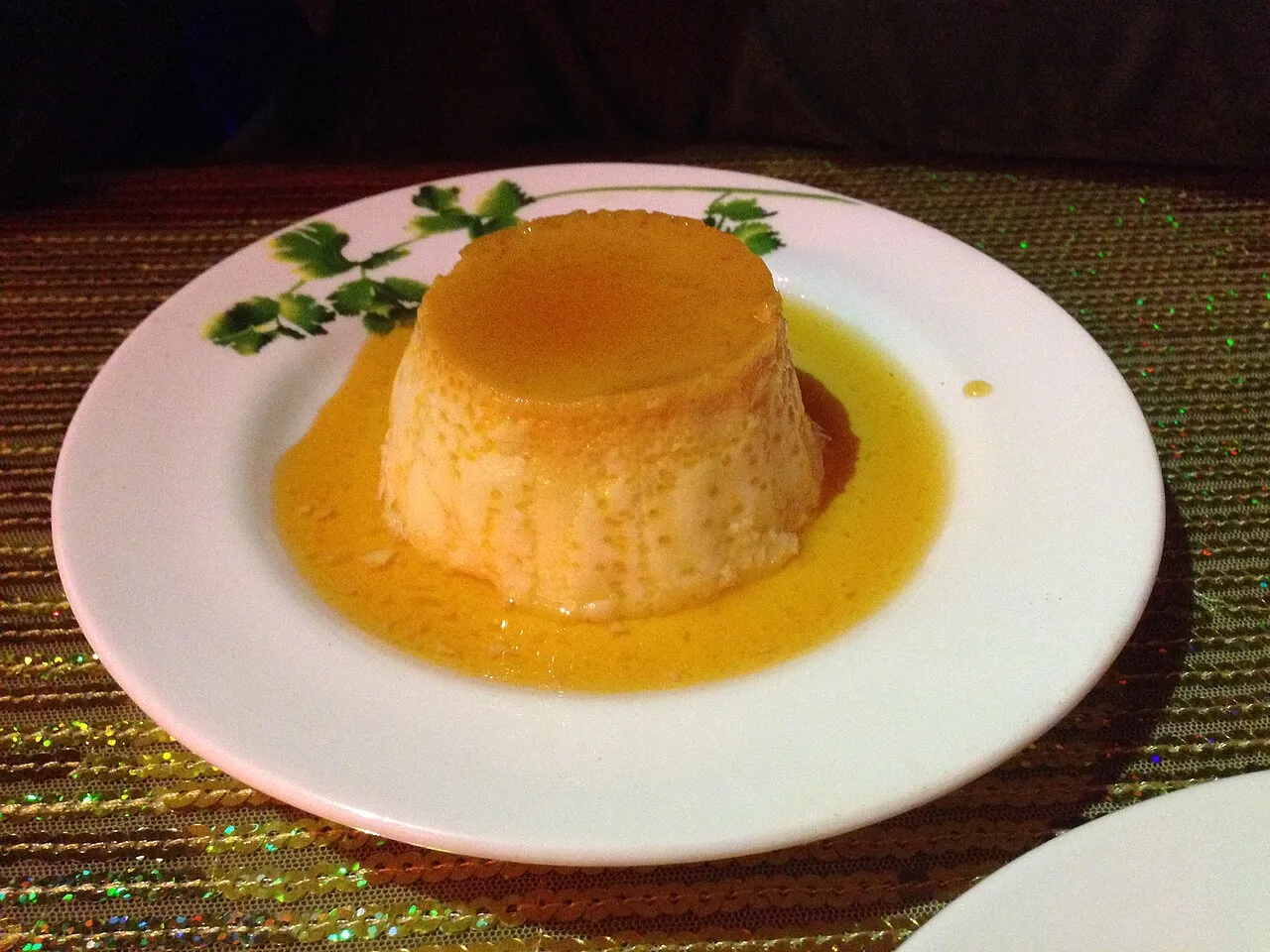
Lagan nu custard: a British pudding made Parsi
Lagan nu custard, the wedding custard, is the best-documented case. Mavalvala's recipe calls it a pudding adopted from the British custard, which Parsis call "custer", and says it earned its place at the Parsi wedding feast, hence the name. Perzen Patel, writing for India Food Network in 2016, calls it a twist on baked English custard, made Parsi with charoli, cashews, nutmeg and cardamom. India Today names it the community's most iconic dessert, flavoured with nutmeg and cardamom and finished with raisins and nuts.
Chops and pancakes
Hoyvoy credits the British with chops and mash. Patel reads the Parsi chapat as a take on the pancake. Each of these comes from a single source, so read them as informed opinion rather than settled history.
Is there really a French influence in Parsi food?
Only at one remove. The French link usually named is saas ni machhi, fish in a thickened, tangy white sauce. Minwalla writes that in Parsi hands the bland béchamel became the piquant saas ni machhi. India Today reads the dish as British béchamel, Portuguese vinegar and Persian fried onions and garlic, cooked with pomfret. Hoyvoy told PTI the dish has a French touch because of its delicate rice flour sauce.
So béchamel is French in origin, but the sources we read place it among the sauces the British brought. None of them points to a direct French presence in Parsi cooking.
Did the Dutch leave anything behind?
A little, and each claim comes from one source. India Today says Parsis adapted the Dutch ebelskiver pan to make popatjees, a tea-time snack. Mavalvala writes that the Dutch introduced the biscuits Parsis call batasas.
Was the Goan touch Portuguese or Indian?
Both writers who mention it describe Goan cooks working in Parsi homes. Minwalla links them to coconut and kokum, and Hoyvoy traces the Parsi-style curry to Goan cooks on Princess Street. Goan cooking is an Indian regional cuisine, so we cover it in Indian influences on Parsi food.
Which Parsi dishes show European influence?
| Dish or habit | European element | Who says so |
|---|---|---|
| Lagan nu custard | British baked custard | Mavalvala, Patel, India Today |
| Saas ni machhi | Béchamel-style white sauce, vinegar | Minwalla, India Today, Hoyvoy |
| Sour notes in many dishes | Portuguese vinegar | India Today, Mavalvala |
| Sali and potato dishes | Potato, via the Portuguese | The News Minute, India Today |
| Tomato gravy | Portuguese | Hoyvoy only |
| Chops and mash | British | Hoyvoy only |
| Chapat | Pancake | Patel only |
| Popatjees | Dutch ebelskiver pan | India Today only |
| Batasas | Dutch biscuits | Mavalvala only |
If you want to cook any of these at home, our Parsi recipes page is the place to start.
Frequently asked questions
Is lagan nu custard a British dish?
It began as one. Cookbook author Niloufer Mavalvala calls it a pudding adopted from the British custard, and Perzen Patel calls it a twist on baked English custard. Parsi cooks made it their own with nutmeg, cardamom, charoli and cashews. Mavalvala says it earned a place at the Parsi wedding feast, hence the name lagan nu custard.
Why do Parsis cook with so much vinegar?
Vinegar came into Parsi cooking from the Portuguese. India Today's 2017 feature says Parsi cooks used it in place of tamarind and kokum as a souring agent, and cookbook author Niloufer Mavalvala also names the Portuguese as the source. India Today also counts Portuguese vinegar as one of the elements in saas ni machhi.
Is saas ni machhi French?
Not directly. Saas ni machhi is fish in a thickened, tangy white sauce that writers compare to béchamel, a French sauce. India Today calls it British béchamel, and Outlook Traveller places it among the sauces that came with the British. Parsi cooks sharpened it with vinegar and cooked it with pomfret, turning a mild sauce into a piquant Parsi dish.
Did the Portuguese bring potatoes to Parsi food?
They brought potatoes to India, and Parsi cooks took them up. India Today credits the Portuguese with bringing potatoes and chillies to India. The News Minute's 2016 report says Parsis adopted the potato, first introduced to Indians by the Portuguese, and names sali, the deep-fried potato straws, as an important ingredient in the Parsi kitchen.
Which European influence on Parsi food is strongest?
In the sources we read, the British influence is the strongest and best recorded. Writers in Outlook Traveller, Onmanorama and India Today all describe British stews, sauces, puddings and custards entering Parsi homes. Portuguese vinegar and potatoes come next, with two sources each. French and Dutch traces are much smaller and rest on one or two writers.


