PalV's Kasti
On this page
- When and how was the Parsee Gymkhana founded?
- Who founded the Parsi Gymkhana?
- How did the club move from the Oval Maidan to Marine Lines?
- What part did the Parsi Gymkhana play in Indian cricket?
- Which other sports have been played at the Gymkhana?
- What happened to the Gymkhana during the Second World War and after?
- Can non-Parsis become members of the Parsi Gymkhana?
- How did the Parsee Gymkhana mark 140 years?
- Where is the Parsi Gymkhana: Marine Drive or Marine Lines?
- Frequently asked questions
The Parsi Gymkhana, which spells its own name Parsee Gymkhana, is a members' sports club on Mumbai's Marine Drive, set on a ground just north of Marine Lines station. It was formed on 25 February 1885 by a group of leading Parsis who first met at the Ripon Club in the Fort, with Sir Jamsetji Jeejeebhoy as its first President and Jamsetji Tata as chairman of the managing committee. It began with cricket, lawn tennis and badminton, moved to its permanent Marine Lines plot in 1887, and became the base of Parsi cricket. The Times of India reported in 2025 that it has admitted members from other communities since 1963, and the club marked its 140th year in February 2025.
અસપંદામેદ રોજ
Asfandarmad Roj, Tir Mah · 1396 Y.Z.
When and how was the Parsee Gymkhana founded?
The club was formed on Wednesday, 25 February 1885. Both the club's own history page and a January 2025 Times of India report by Nauzer Bharucha give that date, and both place the founding meeting at the Ripon Club in Bombay's Fort district.
According to the Gymkhana, the Ripon Club had itself been started only a year before, in 1884, by Sir Pherozeshah Mehta, as a club for Parsi liberals with a Western education. The plan agreed in its rooms was modest. The new club would, at first, simply give its members a place to play cricket, lawn tennis and badminton. The Times of India quotes the founding prospectus to the same effect.
Who founded the Parsi Gymkhana?
The first managing committee had 15 members, all well-known Parsis of the city. Sir Jamsetji Jeejeebhoy was the founder President and Jamsetji Tata was the chairman. Dorab Tata, Jamsetji's son, was one of the two joint honorary secretaries, and the Gymkhana names Nowroji Wadia as the other. The club says it still keeps the handwritten list of that first committee, written on Ripon Club letterhead.
The Tata family stayed close to the club for decades. The Times of India notes that Jamsetji and both his sons, Dorab and Ratan, were active in it. It also quotes JRD Tata's tribute in the centenary souvenir, which put the club's leading role in Western Indian sport down to support from generations of Parsi sportsmen and, in the early years, from the community's business leaders, Jamsetji Tata among them.
How did the club move from the Oval Maidan to Marine Lines?
For its first two years the club had no ground of its own. The Gymkhana's history says members made do with a tent pitched on the Oval Maidan. Then, on 12 January 1887, the committee went out to look at a large open plot near Marine Lines station. Within a week they had chosen a ground of 160 by 140 yards, running beside the railway line between two level crossings north of the station. That is still where the club stands.
Four tennis courts went up first, two of concrete and two of turf, and the ground was levelled for cricket. The Times of India reports that the pavilion building was completed in 1888 and that Jamsetji Tata gave Rs 2,000 towards it.
What part did the Parsi Gymkhana play in Indian cricket?
A big one. The Gymkhana calls itself the world headquarters of Parsee cricket, and its story runs through our wider history of Parsi cricket. It was not the first Parsi club, though. The Gymkhana's own account says older Parsi clubs were already playing on the Azad and Cross Maidans, the oldest being the Esplanade Liberal Club, started by Behramji Surti.
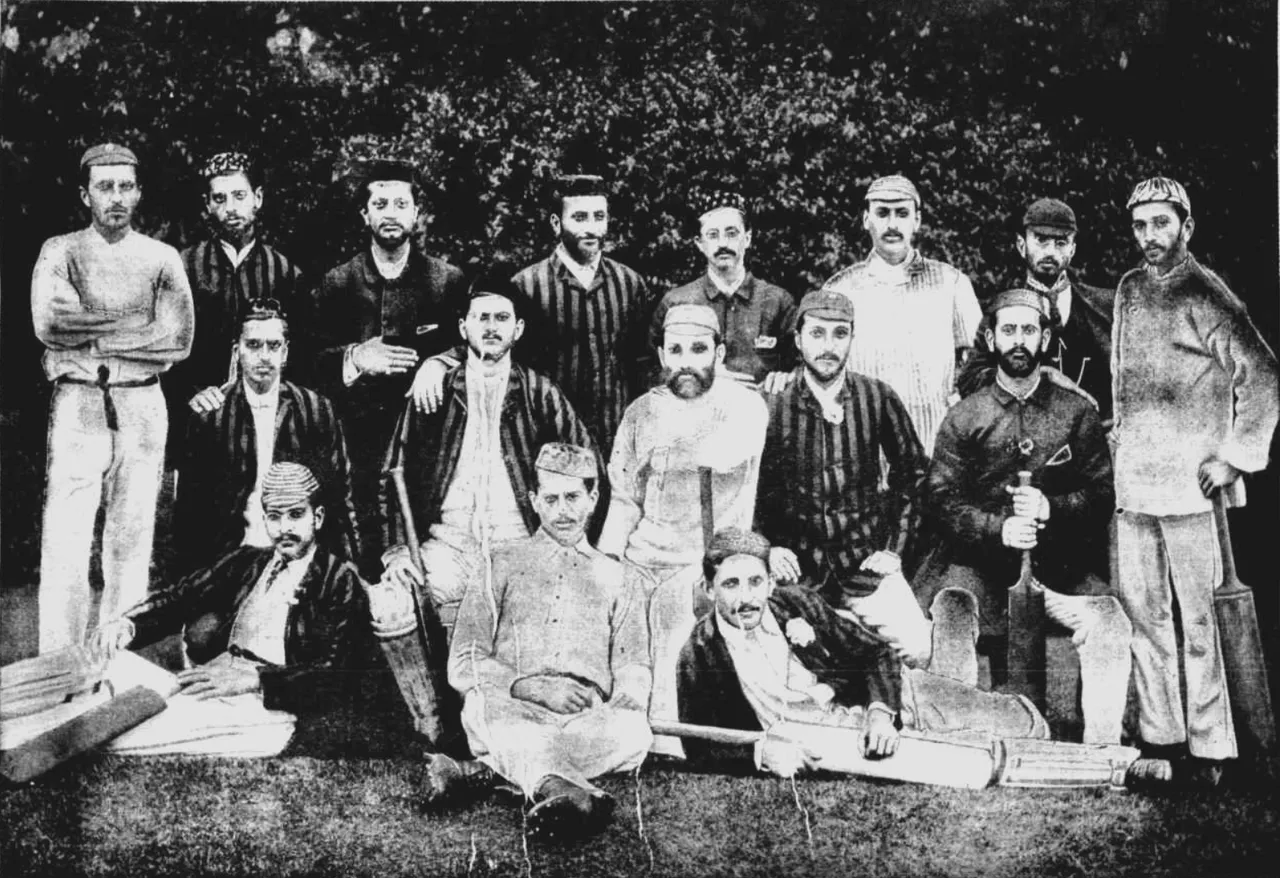
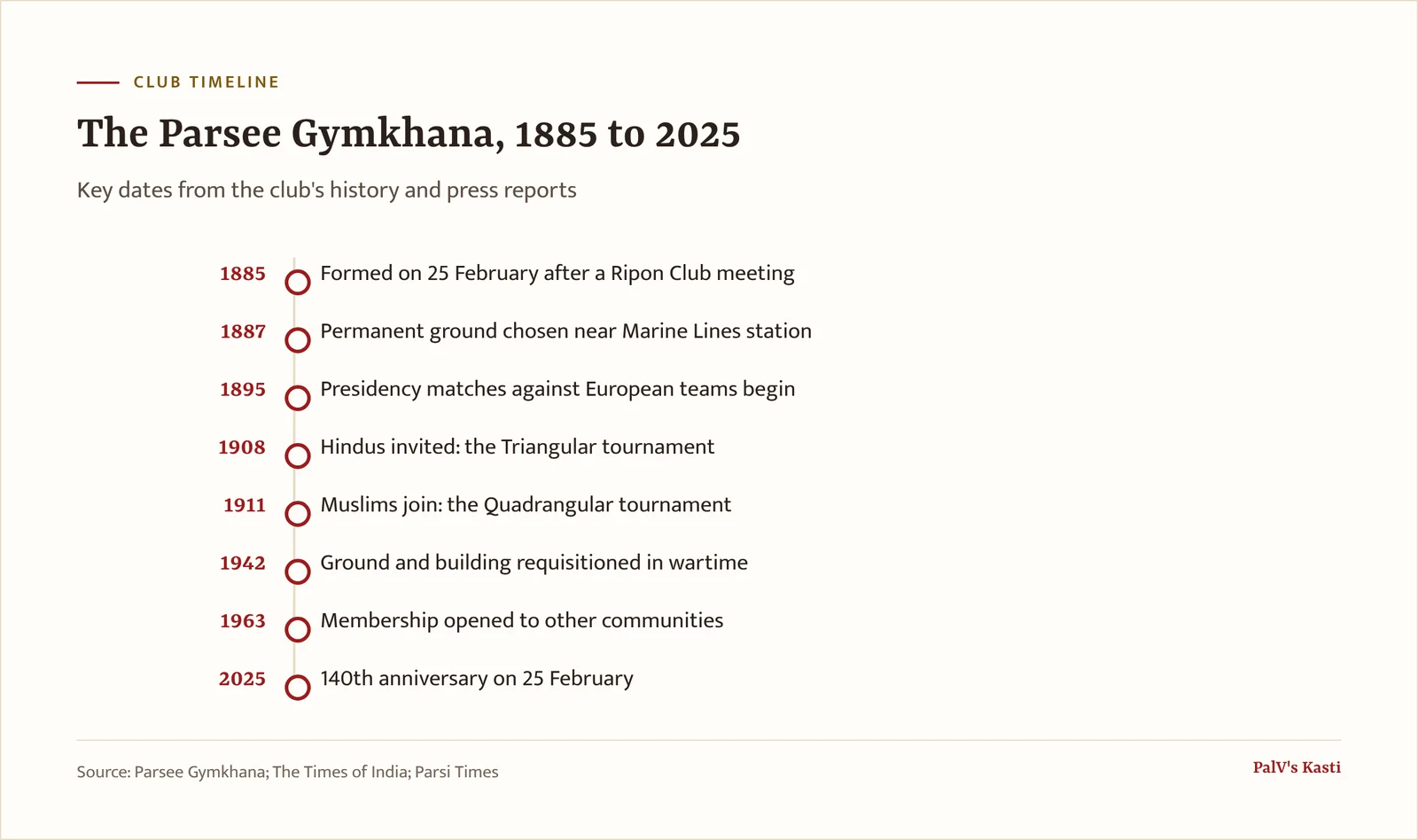
From 1895, the Gymkhana fielded the Parsi side in the yearly Presidency matches against European teams, one against Bombay Gymkhana and one against Poona Gymkhana. It drew in the best Parsi players from other clubs to make the team strong enough. Both the club and the Times of India record what came next:
- 1895: Presidency matches begin, Parsis against Europeans.
- 1908: a Hindu team is invited and the event becomes the Triangular tournament.
- 1911: a Muslim team joins, and from then it is known as the Quadrangular.
The club's history also records that the first all-Parsi cricket team to visit England went in 1886, and that another followed in 1888.
Which other sports have been played at the Gymkhana?
Cricket always came first, but tennis was close behind from the very start. Close enough to worry the committee. At the annual general meeting of 31 January 1891, the chairman told members he was sorry that tennis had lured several cricketers away from "the more manly game" in the off season. That line is preserved in the club's own history.
The Gymkhana gives these dates for its other sports and fittings:
| Year | What the club records |
|---|---|
| 1889 | Athletics; Dorab Tata wins a silver trophy for middle-distance running, still on show at the entrance |
| 1894 | Football |
| 1902 | Billiards introduced |
| 1912 | Electric lights and a telephone |
| 1918 | Hockey |
| 1927 | A radio |
| Late 1920s | The Dinshaw Kanga Pavilion extension, after which the club became known for some of the best badminton courts in Bombay |
Today the club's website lists cricket, turf cricket, lawn tennis, badminton, billiards, table tennis, football and volleyball as its sports, with a cards room among its facilities. Parsi Times names Farokh Engineer and Polly Umrigar among the cricketers whose careers took shape on this ground, part of a long line of Parsi sportsmen linked to the club.
What happened to the Gymkhana during the Second World War and after?
The government took over the Gymkhana's ground and building during the Second World War. The club dates the requisition to 1942, as the war drew closer to Bombay. For four years members played on courts and ground lent to them at the Brabourne Stadium, and the club ran from temporary rooms at Currimbhoy House on Waudby Road. The Times of India gives the same account, without naming the year.
The ground has also shrunk. Rusi Bhumgara, secretary of the club's 140th-year celebration committee, told the Times of India in January 2025 that in 1960 the Gymkhana had to give up land holding three tennis courts so the railways could extend their tracks. He added that the Hindu and Islam gymkhanas further along Marine Drive lost much more, buildings included.
Can non-Parsis become members of the Parsi Gymkhana?
Yes, though it was not founded that way. The Times of India describes the 1885 founders' aim as an exclusive gymkhana for Parsi men. In January 2025 the Times of India reported, quoting Rusi Bhumgara, that the Gymkhana opened its membership to other communities in 1963 after a government directive. Bhumgara put members from other communities at about 12% of a total of roughly 1,700.
Membership categories and rules change, so we don't list them here. The Gymkhana's official website, parseegymkhana.in, has a memberships page and the club's office contact details.
How did the Parsee Gymkhana mark 140 years?
The club held a celebration at the ground on 25 February 2025, its 140th founding day. Parsi Times reported that Vada Dasturji Dr Jamasp K. JamaspAsa performed a Jashan and led a short Humbandagi, and that Justice Shahrukh Kathawalla was chief guest. Community sportspeople across cricket, badminton, tennis, swimming and weightlifting were honoured, among them Nari Contractor and Diana Edulji. The club had marked its centenary with ten days of events in February 1985 and its 125th year with four days in February 2010.
The mood was not only celebratory. President Mehli Golwalla told Parsi Times that the club's camps for children draw too few takers, and named heavy studies, travel and "a demographic decline" among the reasons. Diana Edulji, speaking to the same paper, said Parsis have become rare in sport, especially cricket.
Where is the Parsi Gymkhana: Marine Drive or Marine Lines?
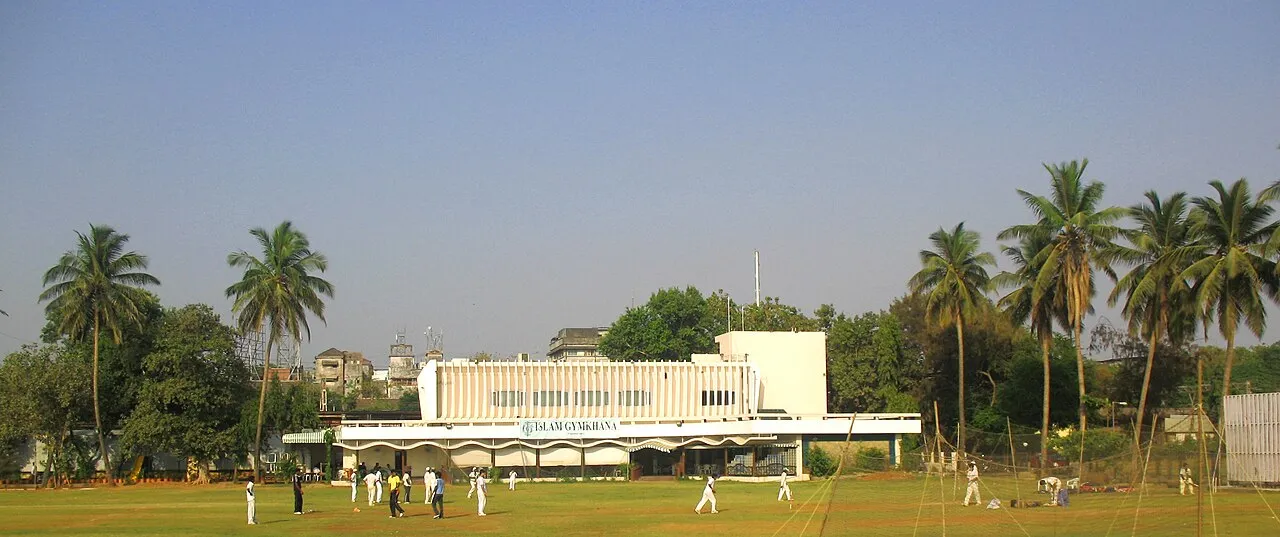
Both names are right. The club's website gives its address as Marine Drive, Mumbai 400002. Its ground sits beside the railway line just north of Marine Lines station, which is why Parsi Times, for one, places it at Marine Lines. It shares that stretch of Marine Drive with the Hindu Gymkhana and the Islam Gymkhana.
Frequently asked questions
When was the Parsi Gymkhana founded?
The Parsee Gymkhana was formed on 25 February 1885, after a meeting of prominent Parsis at the Ripon Club in Bombay's Fort. The club and the Times of India both give this date. It moved to its permanent ground near Marine Lines station in 1887 and celebrated its 140th anniversary on 25 February 2025.
Who founded the Parsee Gymkhana?
A first managing committee of 15 leading Parsis founded the club in 1885, according to the club's history. Sir Jamsetji Jeejeebhoy was its founder President and Jamsetji Tata its chairman. Dorab Tata, Jamsetji's son, served as a joint honorary secretary. The Times of India reports that Jamsetji and both his sons, Dorab and Ratan, were active in the club.
Can non-Parsis join the Parsi Gymkhana?
Yes. The Gymkhana opened its membership to other communities in 1963, following a government directive, the Times of India reported in January 2025. At that time members from other communities made up about 12% of roughly 1,700 members. Current membership rules are on the club's official website, parseegymkhana.in.
What sports can you play at the Parsi Gymkhana?
The club's website lists cricket, turf cricket, lawn tennis, badminton, billiards, table tennis, football and volleyball, plus a cards room. The club's history calls cricket its main sport from the start. The Gymkhana's history also records athletics from 1889, football from 1894, billiards from 1902 and hockey from 1918.
What is the official website of the Parsi Gymkhana?
The club's official website is parseegymkhana.in, under its own spelling, Parsee Gymkhana. The site carries the club's history, membership and management pages, a list of sports and facilities, and contact details for the office. It gives the address as Marine Drive, Mumbai 400002, near Marine Lines station.