 PalV's Kasti
On this page
In Persian cooking, a kebab is meat roasted on skewers: poultry or red meat, minced or cut into chunks, marinated for hours before it is cooked. The everyday Parsi kebab, the kavab, is a different thing. It's a small round ball of minced mutton, chicken or prawn, shaped, chilled and fried. So the Persian link in Parsi kebabs is real but indirect. Cookery writer Niloufer Mavalvala traces it through the fried patty family, saying the Persian kotlet became the Parsi cutlace. The Iranian kebab came to Bombay later, with migrants from Iran whose restaurants and cafes list dishes like chelo kebab.
અદીબેહેસત રોજ
Ardibehesht Roj, Tir Mah · 1396 Y.Z.
What is a kebab in Persian cooking?
The Encyclopaedia Iranica entry on modern Persian cooking, by Mohammad R. Ghanoonparvar, describes kebabs as small pieces of meat roasted on skewers. Poultry or red meat is either ground or cut into chunks, then left in a marinade for several hours before it meets the fire.
Nancy Hatch Dupree's section on Afghanistan in the same encyclopaedia adds the charcoal and the skewer, called a sikh, holding either small lamb cubes or minced meat pressed into oblong patties.
Persian cooking has a second family too. Ghanoonparvar lists shamis and kotlets, fried patties of meat and vegetables, and notes that most are fried slowly in ghee or oil. No skewer, no charcoal.
What is a Parsi kavab?
The kebab Parsi cooks write about is fried, not grilled. Anahita N. Dhondy, writing in the Deccan Chronicle in 2015, describes the kababs always eaten with dhansak as small, round and fried, made with chicken, mutton or sometimes prawn.
Mavalvala, in her Parsi kitchen column for The Cook's Cook, sorts the family by shape. Small balls are kavab, oval ones are cutlets, and there are flat discs too. Meat kavab is gos na kavab, prawn is jhinga na kavab, and fish cakes are machhi na cutlace. Vegetable or akuri versions with a potato mash filling go by the name patties.
Her method is the same for all of them. Shape the mixture, chill it until firm, then fry it. She says the whole tradition grew out of using up leftover meat, fish or vegetables. When cutlets are egg-dipped and deep-fried, she writes, Parsis serve them with a tomato sauce, and hers is tomato ketchup cooked down with jaggery and spices, finished with ginger and mint.
How did Persian traditions shape Parsi kebabs and cutlets?
The clearest line runs through the cutlet, not the skewer. Mavalvala writes that the Persian kotlet became the Parsi cutlace while keeping the same basic idea, and she ties her own mother's oval cutlets to Persian kotlets. She also mentions kotlet-e-mahi, a fish cutlet popular in Persian cooking.
Our reading, from the two descriptions above: a fried ball of minced meat sits much closer to the Persian shami and kotlet than to the charcoal kebab on a sikh. That's why the word "kebab" can mislead. A Parsi kavab and a skewered Iranian kebab share a name and, sometimes, minced meat. Not much else.
Mavalvala has said that Persian influence in Parsi food shows in "our love for rice, meat, and eggs". Meher Mirza, writing in Saveur, says Parsis are still tied to Iran through food, which explains their liking for meat and offal. What the sources do not give us is a date or a documented route by which a particular kebab travelled from Iran to Gujarat. We haven't found one, so we won't invent one. For the bigger story of how Persian and Indian cooking met, start with our guide to Parsi food.
How are kebabs served at a Parsi meal?
Kavab rarely stands alone. With dhansak, usually a Sunday meal, Dhondy says the kababs go around the rice along with plenty of kachumbar. A Saveur writer remembers the same family Sunday plate as caramelised rice walled in by mutton kebabs. In Sona Bahadur's book An Invitation to Feast, excerpted in Scroll, a Sunday dhansak lunch in a Mumbai home arrives with golden prawn kavabs.
At a wedding feast, Shabnam Minwalla wrote in Outlook Traveller, the meal ends on a saffron-and-white mutton pulao that is often studded with kababs and eaten with thick dal. If you want to cook these at home, our collection of Parsi recipes is the place to look.
How did Iranian kebabs reach Bombay's Irani cafes and restaurants?
On Bombay menus, the Iranian kebab belongs to a later wave of migrants. Encyclopaedia Iranica records growing numbers of Irani Zoroastrians travelling to India once life in Iran became easier late in the Qajar era, and more so under the Pahlavis, and says that after 1947 migrants mainly from Yazd ran restaurants, bakeries and groceries. Sifra Lentin of Gateway House writes that the later migrants came from the drought-hit provinces of Yazd and Kerman, driven out by droughts that began with Iran's Great Famine of 1870 to 1872.
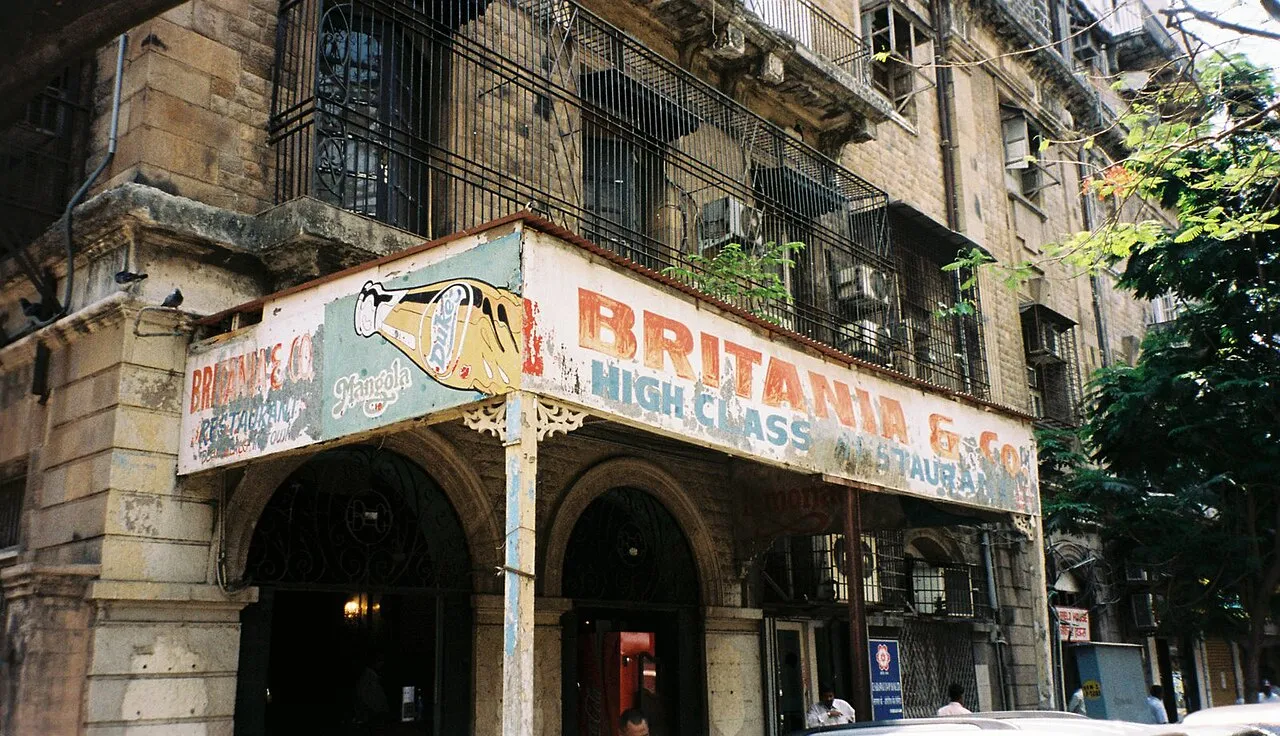
Writing in 2019, Lentin named Sarvi at Nagpada, an Iranian Shia restaurant, as popular for its Iranian naan and kebabs. She also cites Sayed Safar Ali Husaini of Lucky Restaurant in Bandra, who says chelo kebab only arrived in Iran itself about a century ago.
Some cafes added kebabs only recently. In 2018, DNA reported that Kyani & Co. owner Farokh Shokriye had added lunch dishes after a Parsi customer warned that, with McDonald's and KFC opening, Kyani's would close down. "Authentic" Iranian chicken and mutton kebabs were among the latest additions. The South China Morning Post, profiling Mansoor Showghi Yezdi, who opened Cafe Irani Chaii in 2015, describes chelo kebab as Iran's national dish: steamed saffron rice with skewers of kebab meat. In Karachi, Dawn's Asif Noorani remembered Cafe Subhani's chullu kabab on buttered rice and Cafe Victoria's mahi (fish) kabab. His 2016 article was titled "The vanishing Irani restaurants", a worry that runs through the decline of Parsi food too, while cafes refreshing their menus are part of the Parsi food revival.
Frequently asked questions
Are Parsi kebabs grilled or fried?
Parsi home kebabs, called kavab, are fried. Anahita N. Dhondy describes them as small, round, fried kebabs of chicken, mutton or prawn. Niloufer Mavalvala's method is to shape the mince, chill it until firm and then fry it. In the Mumbai reports we read, skewered kebabs turn up on Irani restaurant and cafe menus instead.
What is the difference between a Parsi kavab and a cutlet?
Shape is the main difference. Niloufer Mavalvala writes that small balls are called kavab, oval shapes are cutlets, and flat discs also appear. Mutton kavab is gos na kavab and prawn is jhinga na kavab. Versions filled with potato mash are called patties. All are shaped, chilled and fried, usually as a side dish.
Did Parsi cutlets come from Persia?
Cookery writer Niloufer Mavalvala says the Persian kotlet became the Parsi cutlace, keeping the same core idea. Encyclopaedia Iranica lists kotlets, fried patties of meat and vegetables, as part of modern Persian cooking. No source we found gives a date for when the dish entered Parsi kitchens in India, so we don't give one.
What do Parsis eat with kebabs?
Kavab are served with dhansak, arranged around the rice with plenty of kachumbar, as Anahita N. Dhondy describes. At weddings, Outlook Traveller reported that the mutton pulao is often studded with kababs and eaten with thick dal. Niloufer Mavalvala serves egg-dipped, fried cutlets with a tomato sauce sweetened with jaggery.
Where can you eat Iranian kebabs in Mumbai?
Gateway House wrote in 2019 that Sarvi at Nagpada, an Iranian Shia restaurant, was popular for Iranian naan and kebabs. DNA reported in 2018 that Kyani & Co. had added Iranian chicken and mutton kebabs to its menu. Both reports are a few years old, so check current menus and opening hours before you go.


