 PalV's Kasti
On this page
- What is ras chawal?
- What is the difference between ras chawal and curry chawal?
- What is soup chawal?
- How is the ras (gravy) made?
- How is the brown rice for ras chawal made?
- Which rice and sides are served with ras chawal?
- Can ras chawal be made with chicken?
- Is ras chawal related to railway mutton curry?
- Frequently asked questions
Parsi ras chawal, written gos na rus chawal in full, is bone-in mutton and potatoes simmered in a spiced, tomato-and-onion gravy (the "ras" or "rus"), ladled over rice and eaten with kachumbar. The gravy is built by browning the meat with ginger, garlic, ground spices, whole spices and fried onions, then cooking it slowly in water with tomatoes until the meat and potatoes are very tender. The rice is usually Parsi brown rice, white rice turned brown by cooking it with caramelised jaggery and whole spices. Rita Jamshed Kapadia of ParsiCuisine.com serves hers on plain steamed white rice instead. This method follows Niloufer Mavalvala's recipe in The World of Parsi Cooking: Food Across Borders, as published by The Cook's Cook.
શહેરેવર રોજ
Shehrevar Roj, Tir Mah · 1396 Y.Z.
What is ras chawal?
The full name describes the plate. Mavalvala's cookbook gives gos na rus chawal the English title "Meat in Gravy with Rice", and "rus" is her name for the gravy itself. Mavalvala calls it a family favourite for over a century and writes that it is commonly described as the most comforting of comfort foods. She also calls it a simple one-pot dish, which is a fair description: the meat, potatoes and gravy all cook together in one pan, and only the rice is made separately.
The thickness of the gravy is not fixed. Mavalvala notes that it can be light and nearly soup-like or rich and thick, and that the thin version is sometimes called soup chawal. Her own view of what matters most is blunt. She says the meat gives about 90% of the flavour, and that swapping out the bone-in lamb, goat or mutton is "less than ideal".
What is the difference between ras chawal and curry chawal?
The difference is coconut. Mavalvala explains that Parsis keep the word "curry" for coconut-based dishes, which is why a meat gravy like rus is never called a curry at home. In a separate column on Parsi curry she describes the Parsi version as made with fresh coconut, its masala ground on a grinding stone. Mavalvala's rus is built on fried onions, tomatoes and potatoes, and coconut appears in her recipe only as an optional extra. For the coconut dish, read our guide to Parsi curry chawal.
What is soup chawal?
Soup chawal is ras chawal made thin. Mavalvala uses the name for the light, almost soup-like end of the dish, and she adds one more detail from Parsi homes: when someone is ill, the dish becomes soup chawal and is cooked without the tomato and chilli. So it is the same meat-and-potato broth over rice, just gentler.
How is the ras (gravy) made?
The steps below are our own wording of Mavalvala's recipe, which serves six. Her ingredient list for the rus:
- 1.5 lb (about 680 g) bone-in lamb, mutton or goat, and 1 tbsp oil
- 1½ tsp crushed garlic, 1 tsp crushed ginger
- ¼ tsp turmeric, 1¼ tsp cumin powder, 1½ tsp red chilli powder, 1 tsp salt
- 2 slit green chillies
- Whole spices: 6 cloves, 1 cinnamon stick, 1 green cardamom pod cracked open, and black peppercorn (the published list says one)
- 1 cup fried onions, crushed
- 2 fresh tomatoes, crushed, and 4 cups water
- 2 potatoes, peeled and cut into pieces
- Heat the oil and brown the meat on every side. Stir in the garlic, ginger, turmeric, cumin and salt.
- Add the chilli powder, green chillies, whole spices and fried onions. Give it about a minute, until the spices smell fragrant.
- Pour in the tomatoes and water, bring to the boil, then cover and simmer on low heat for 45 minutes.
- Add the potatoes. If the pan looks dry, top it up with hot water only, so the simmer doesn't stop.
- Cook another 30 to 45 minutes. The meat and potatoes should both be very tender before you take it off the heat.
Mavalvala lists a few optional additions to the gravy: a diced raw mango, half a cup of desiccated coconut, chopped fresh coriander, a teaspoon of mint and some curry leaves. In her railway curry column she recalls that her grandmother-in-law put a handful of shredded coconut, coriander and curry leaves into hers, while her mother and grandmother kept to the plain version.
How is the brown rice for ras chawal made?
In Mavalvala's recipe, Parsi brown rice is basmati coloured with caramelised jaggery. She calls it vugharela chawal, caramelised brown rice. For 2 cups of basmati she uses 2 tsp jaggery, 1 tbsp oil, 2 tbsp crisp fried onions, a cinnamon stick, 6 cloves, 6 black peppercorns, 2 green cardamoms, 2 tsp salt and 4 cups water. Bay leaf, star anise and black cardamom are optional.
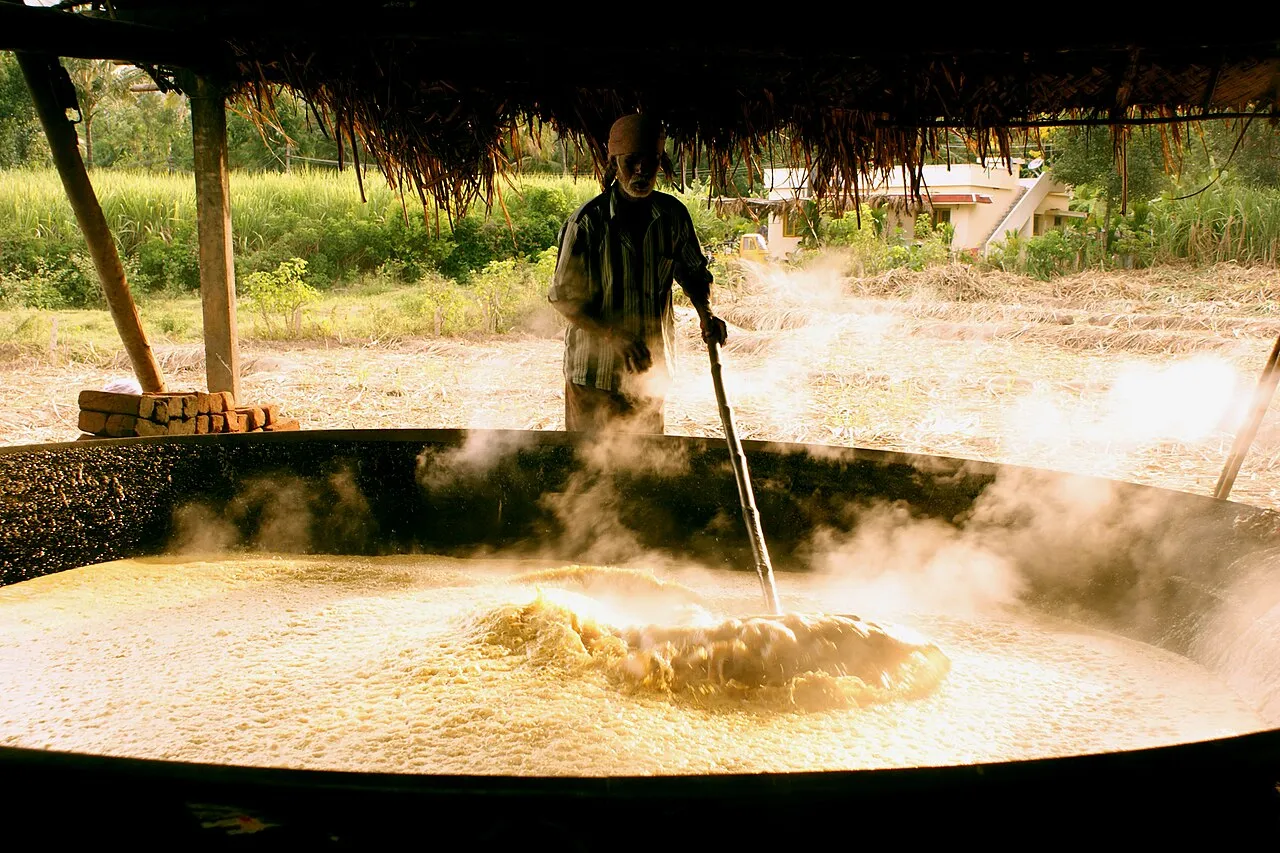
- Melt the jaggery in a pan and let it caramelise until dark. Have everything else measured and ready, because the next step has to happen at once.
- Add the oil, fried onions, whole spices and salt straight into the caramel.
- Pour in one cup of water, then the washed rice and the remaining water. Boil on high heat.
- When the water has mostly gone and small holes appear on the surface of the rice, turn the flame low, cover tightly and steam for 22 minutes.
- Fluff gently with a fork so the grains stay separate.
The colour is in your hands. Mavalvala's note is that the darker you take the caramel, the darker the finished rice.
Which rice and sides are served with ras chawal?
Two published Parsi cooks serve it differently, and both are worth knowing. Mavalvala spoons the rus over brown rice and sets kachumbar on the side, made from finely diced red onion, tomato and cucumber with fruit vinegar and salt. She adds that a lemon wedge, beetroot and spring onions can go alongside.
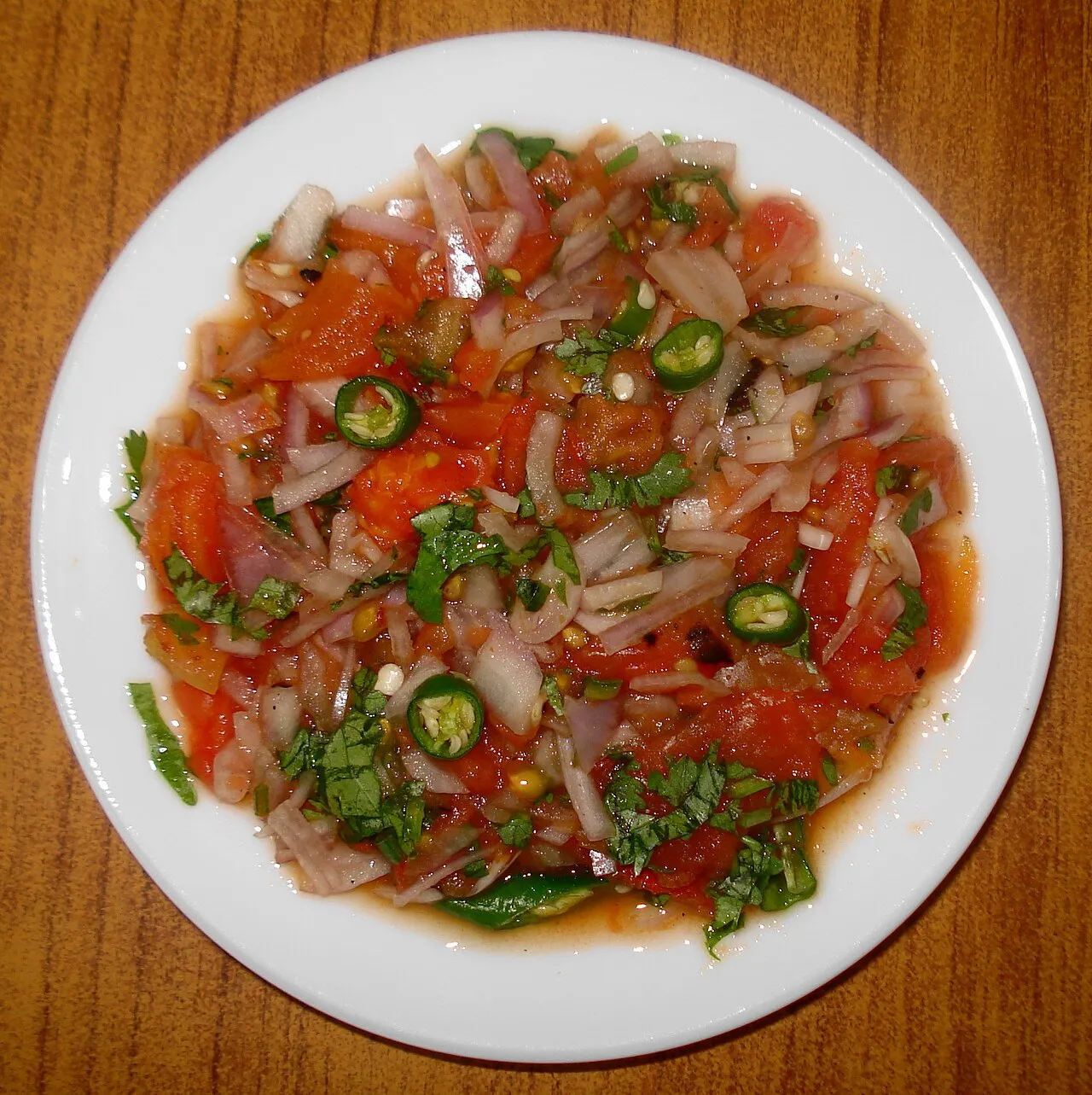
Rita Jamshed Kapadia of ParsiCuisine.com, in her recipe for gos-no-kharo ras chaval, serves it on steamed white rice with plenty of lime squeezed over and a khatti mithi kachumbar. Choose the rice your family grew up with.
Can ras chawal be made with chicken?
Yes. Mavalvala writes that Parsi homes now cook rus chawal with either meat or chicken, and that the potatoes are never left out. Kapadia's recipe also lists goat mutton, chicken or lamb. Mavalvala's own recipe still prefers bone-in mutton, lamb or goat, since in her view the meat carries most of the taste.
Kapadia's method is worth a look if you cook in a pressure cooker. She marinates the meat in crushed ginger, garlic and salt for half an hour, fries finely chopped onions with a little besan for about 30 seconds, roasts the meat and powdered spices until oil bubbles up, then adds halved potatoes and hot water and cooks to three whistles. The finely chopped tomatoes go in only after the cooker has cooled and been opened, for a further 10 to 15 minutes of open simmering. Her recipe uses ghee and oil in equal parts and finishes with a generous amount of fresh coriander.
Is ras chawal related to railway mutton curry?
Mavalvala draws the link herself. She traces mutton railway curry to the late 1800s, when cooks in railway kitchens toned down the heat of a meat curry for British passengers, with potatoes added to stretch it and thicken the gravy. She writes that the Parsi gos na rus chawal is almost identical to it in look and texture, and suggests the resemblance is unsurprising given how closely many Parsis worked and travelled with the British. That is her reading, not a documented origin. She also notes that leftovers are sometimes eaten with bread once the gravy has thickened.
If you are cooking your way through the table, our collection of Parsi recipes is a good place to find the next dish.
Frequently asked questions
What does "ras" mean in ras chawal?
Ras, often spelt rus, is the name Parsi cooks give to the gravy in this dish. Niloufer Mavalvala describes it as a flavourful gravy in which bone-in meat and potatoes are cooked. Her cookbook gives the full name, gos na rus chawal, the English title Meat in Gravy with Rice, which is exactly what comes to the table.
Is ras chawal the same as curry chawal?
No. Niloufer Mavalvala explains that Parsis use the word curry only for coconut-based dishes, such as a coconut fish curry. Ras chawal is a meat and potato gravy built on onions, tomatoes and spices, with coconut only an optional extra in her recipe, so she calls it rus rather than curry, even though both are eaten over rice.
Why is ras chawal called soup chawal sometimes?
The gravy can be cooked thin and almost soup-like, and in that form Parsis sometimes call the dish soup chawal. Niloufer Mavalvala also writes that when someone is unwell, the dish is made as soup chawal with the tomato and chilli left out, which makes it a lighter, milder bowl of meat broth over rice.
Which rice goes with Parsi ras chawal?
Niloufer Mavalvala serves it over Parsi brown rice, which is basmati cooked with dark caramelised jaggery, fried onions and whole spices. Rita Kapadia of ParsiCuisine.com serves her version on plain steamed white rice with lime. Both published cooks pair it with kachumbar, so either rice is a recognised way to eat it.
Can I make ras chawal in a pressure cooker?
Yes. Rita Kapadia's recipe on ParsiCuisine.com cooks the meat, potatoes and hot water to three whistles, lets the cooker cool, then adds finely chopped tomatoes and simmers with the lid loose for 10 to 15 minutes. Niloufer Mavalvala's recipe uses a covered pan instead, with about 75 to 90 minutes of slow simmering.


