 PalV's Kasti
On this page
Parsis remember departed family members in two ways. On fixed days, such as the death anniversary, Roj Farvardin each month, the Parab of Farvardin and the Muktad days at the year's end, families have prayers such as the Stum and Farokhshi recited for them. And on happy occasions, the departed are remembered before the celebration begins. Before a wedding, one or two Varadh-patra days are set aside for ceremonies in honour of the dead. Ervad Marzban Hathiram describes the same custom at Navjotes, births, Navars and betrothals, where the family first remembers its "Hama Asho Farohar". J.J. Modi also records charity given in memory of the departed on set days after a death and on anniversaries.
અસપંદામેદ રોજ
Asfandarmad Roj, Tir Mah · 1396 Y.Z.
Why do Parsis remember the departed on happy occasions?
The reason given in our sources is that the bond with the departed continues after death. J.J. Modi, in The Religious Ceremonies and Customs of the Parsees (1922), writes that the spirit of a pious person keeps an interest in the family it left behind. If the living remember the departed with gratitude and live piously, he says, those spirits may help them "with an invisible helping hand". Firoze Jungalwala and Farhad Panthaki, writing for families planning last rites, put it more simply: the souls of the departed are believed to be able to bless the living.
Ervad Marzban Hathiram, writing on the Frashogard website, applies this to milestones. He calls the Navjote and the wedding the two most vital days of a person's life, and says it is fitting to seek the blessings of those who cared for us most, our parents and grandparents who have passed on.
Practice varies between families and Agiaries; your family priest's guidance comes first.
What is the Varadh-patra before a Parsi wedding?
The Varadh-patra is the day, or days, before a wedding kept for prayers in memory of the family's departed. FEZANA's Zoroastrian Global Glossary translates the name literally as a letter seeking the blessings of the ancestors.
Sources differ slightly on the count. Modi describes wedding festivities that usually last four days, with the Mandav Saro on the first day and the second and third days known as Varadh-patra days. FEZANA's glossary places a Stum and a Baj in memory of the ancestors on the third day, the day before the wedding. Jamsheed Choksy and Dastur Firoze Kotwal, in Encyclopaedia Iranica (2000), mention the Varadh-patra offering and note that traditionalist Parsis still pay priests to perform the Stum on the day before their marriage.
Hathiram gives more detail. On that day, he writes, the Baj, Afringan, Farokhshi and Stum are recited in the morning for the departed, along with a special Varadh nu Stum that asks for the blessings of Mino Ram for the couple, and a Mino Ram ni Baj. He also urges that the bride and groom attend in person, rather than sending one elder to the Agiary on the family's behalf.
Practice varies between families and Agiaries; your family priest's guidance comes first.
How are the departed remembered at a Navjote?
We found only one published account of Navjote-specific customs for the departed, so what follows is Hathiram's guidance as he gives it, not a fixed rule. He suggests:
- A Jashan a couple of days before the Navjote, in which the family's departed are remembered.
- Machis booked at the family's Agiary in all five Gehs on the Navjote day. The Aiwisruthrem Geh Machi, in his account, is offered with the Ruvan ni Patet in the name of the relative who died most recently, and the other four with Tandorasti prayers.
- Or, instead, the priest recites the Stum no Kardo after the Machi, taking the names of all the family's departed.
- Where the family can afford it, the Baj, Afringan, Farokhshi and Stum performed by the priests after the morning ceremony.
He also writes that it is appropriate to hold the Navjote itself on the Baj day, the death anniversary, of a close relative.
Practice varies between families and Agiaries; your family priest's guidance comes first.
Which days in the Parsi calendar are kept for the departed?
Outside weddings and Navjotes, remembrance follows the calendar. Four kinds of day come up again and again in our sources.

Death anniversaries and monthly days
Modi quotes the Pahlavi text Shayest ne-Shayest, which sets ceremonies for the fourth day and the tenth day after death, then monthly, then annually. Choksy and Kotwal also list monthly and annual death anniversaries as occasions for a Stum. Hathiram calls the death anniversary the Baj day.
Roj Farvardin every month
The 19th day of every month, Roj Farvardin, belongs to the Fravashis. The Farokhshi text by Ervad Ratanshah Motafram, published on avesta.org, names it, with anniversaries and the Farvardegan days, as a time to recite the Farokhshi for the departed. Choksy and Kotwal call it the day of the immortal spirits.
The Parab of Farvardin
When Roj Farvardin falls in Mah Farvardin, the day and month coincide. Mary Boyce notes in Iranica that a day and a month of the calendar are dedicated to the Fravashis, and that on this Jashan the devout, especially families bereaved during the year, go to the Dakhmas. Noshir Dadrawala, writing in Parsi Times on 3 September 2022, describes families gathering at the Doongerwadi, an Aramgah, their Agiary or at home. Our page on the Farvardin Roj Parab covers the day in full.
The Muktad days
The Muktad (Farvardegan) days at the end of the year are, in the words of FEZANA's glossary, the days when the departed are believed to visit the living. Mary Boyce records in Iranica the popular belief that all fravashis return to their former homes at Hamaspathmaedaya, the feast she cross-refers to the Farvardegan. FEZANA's lesson plan on Muktad notes that families once kept a table at home and now mostly keep vases for each departed relative at the fire temple. The ten days have their own guide: see Muktad.
The prayer that runs through these days is the Stum. Choksy and Kotwal list monthly and annual death anniversaries, Roj Farvardin and the six Gahambars, especially the all-souls days, as occasions for it. FEZANA's glossary defines it as the prayer recited over meals in honour of the dead, and Choksy and Kotwal describe it as an outer ritual that a priest can perform in a fire temple's outer precinct or a clean area of a home.
Practice varies between families and Agiaries; your family priest's guidance comes first.
Why give charity in memory of the departed?
Modi records that on the third, fourth, tenth and thirtieth days and on anniversaries, Parsis give food and clothing to the poor and sometimes money to charity. He calls this naiyat, giving in memory of the deceased, and notes that a large part of the community's public charity was announced at the Uthamna gathering on the third day. Ervad Dr Ramiyar Karanjia describes the same pledges at the Uthamna and says the soul receives the benefit of the charity at its judgement on the fourth dawn.
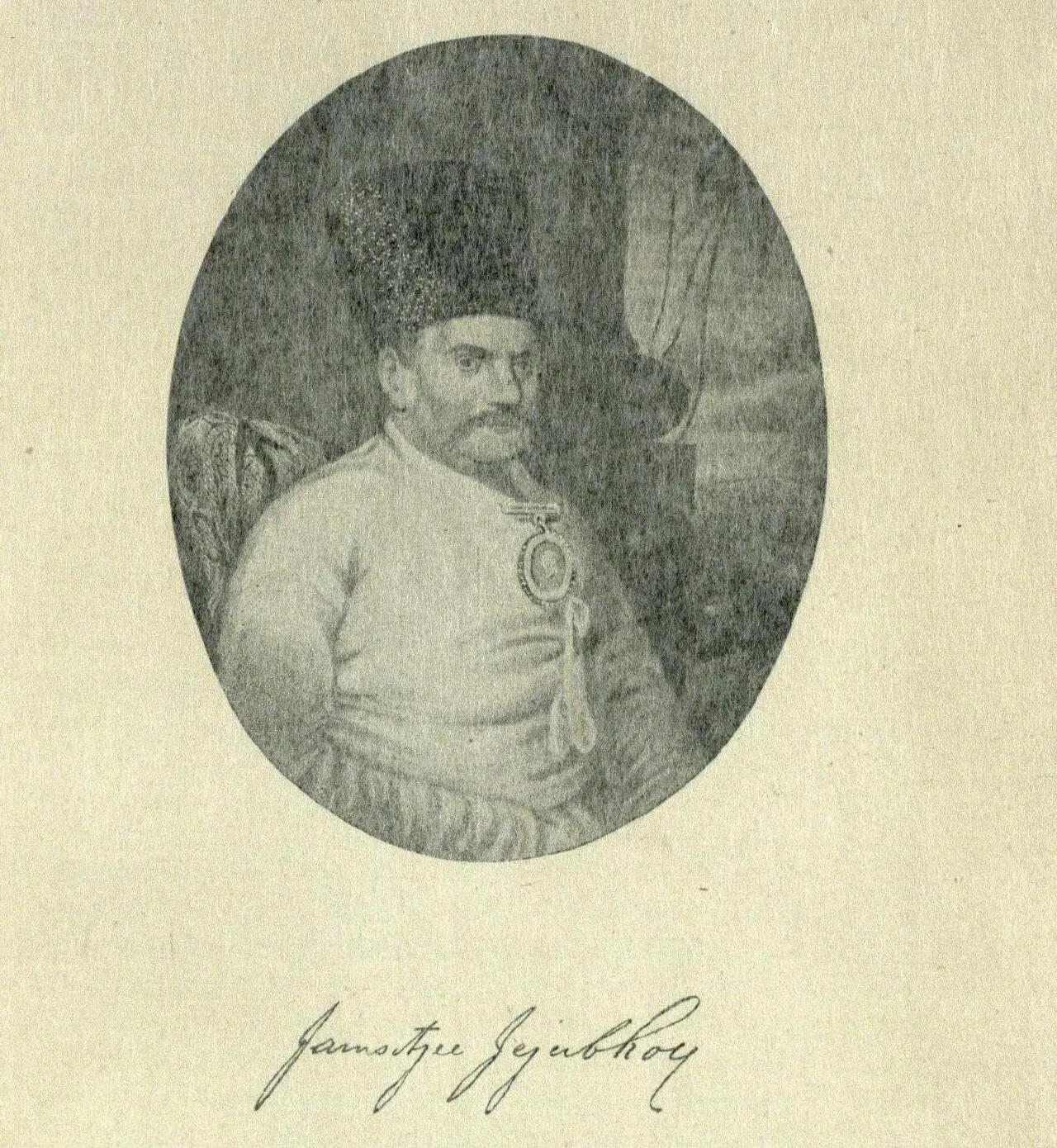
For great benefactors, Modi describes a community form of remembrance. At the end of the Uthamna, he writes, the head priest or a community leader generally proposes that the benefactor's name be recited in all public religious ceremonies. His example is Sir Jamsetjee Jejeebhoy, the first Parsi baronet, whom the whole Parsi community of India remembered this way in Modi's day.
Practice varies between families and Agiaries; your family priest's guidance comes first.
Frequently asked questions
What does Hama Asho Farohar mean in practice?
Ervad Marzban Hathiram uses "Hama Asho Farohar" for the custom of remembering the souls and Fravashis of a family's departed relatives before any happy occasion begins. He lists Navjotes, weddings, births, Navars and betrothals. His suggested steps all centre on prayers that the family's priest recites in the names of the departed.
On which day before a wedding is the Varadh-patra held?
J.J. Modi describes a four-day wedding with the second and third days as Varadh-patra days. FEZANA's glossary places the Stum and Baj for the ancestors on the third day, the day before the wedding, and Encyclopaedia Iranica says traditionalist Parsis have the Stum performed on the day before the marriage. Your priest will fix the day.
Can a Navjote be held on a relative's death anniversary?
Ervad Marzban Hathiram writes that it is appropriate to hold the Navjote on the Baj day, or death anniversary, of a close relative. This is one priest's published guidance, and we found no second source on it. Families who want to do this should discuss the date with their own priest first.
Why is the 19th of every Parsi month special for the departed?
The 19th day of each month is Roj Farvardin, named for the Fravashis. Ervad Ratanshah Motafram names it, with death anniversaries and the Farvardegan days, as a time to recite the Farokhshi for the departed. Encyclopaedia Iranica lists it among the occasions for commissioning a Stum.
Which prayer is usually recited in memory of the departed?
Our sources link the Stum to the most occasions. FEZANA defines it as the prayer recited over meals in honour of the dead, and Encyclopaedia Iranica lists anniversaries, Roj Farvardin, the Gahambars and the day before a wedding among its occasions. Ervad Marzban Hathiram also names the Baj, Afringan and Farokhshi, recited with it before a wedding.


