 PalV's Kasti
On this page
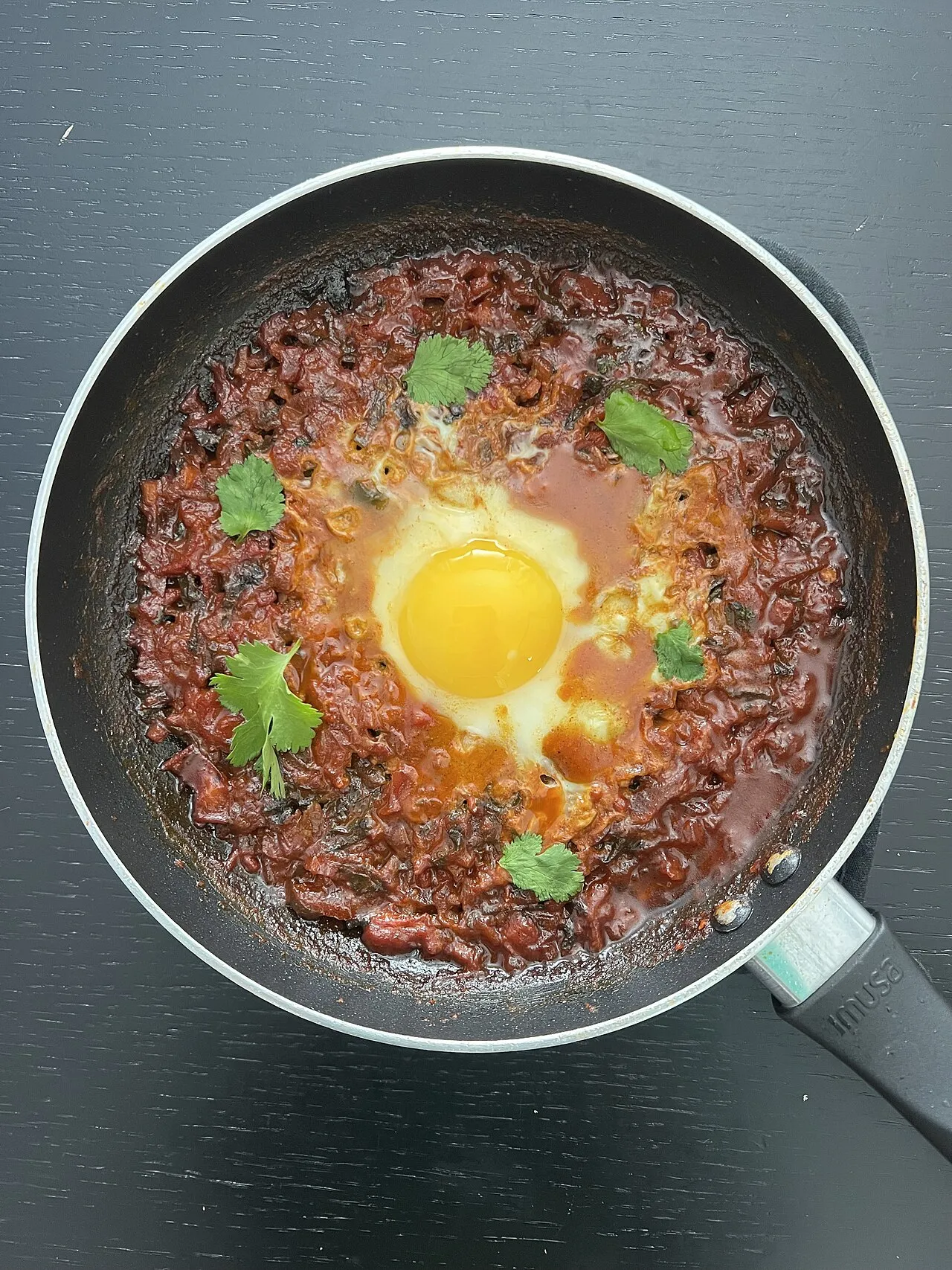
Tamota par eedu is a Parsi dish of eggs cooked on a bed of spiced tomatoes. Onions, ginger, garlic and chilli go into the pan first, the tomatoes cook down until thick and jammy, and whole eggs are cracked into hollows on top and left to set under a lid or in the oven. Cookbook author Niloufer Mavalvala likens the tomato base to a thick chutney with the Parsi balance of spicy, sour and sweet. The recipes we follow serve it with bread, and Mavalvala places it as one course of a bigger Parsi meal. Sanjeev Kapoor publishes a baked spin over potato straws. Below we cover what the dish is, how it is made and how it is served.
શહેરેવર રોજ
Shehrevar Roj, Tir Mah · 1396 Y.Z.
What is tamota par eedu?
Tamota means tomatoes and eedu means egg. Blogger turned caterer Perzen Patel translates the phrase "per eedu" as "egg on top", and she glosses this particular dish as eggs on masala tomato. The eggs are not stirred through the tomatoes, as they would be in an akoori. They sit on the surface and cook gently from the heat underneath.
It belongs to a whole family. In her Cook's Cook column, Mavalvala lists tomatoes among the bases Parsi cooks top with eggs, next to potatoes, spinach, zucchini, okra, and coriander with onion. Our guide to Eggs in Parsi cuisine explains why eggs turn up on so many Parsi plates, and the potato version has its own page, Papeta per eedu.
Other names and spellings
The dish has collected several spellings in print. Mavalvala's 2016 book, The Art of Parsi Cooking, calls it tamota per edu. Patel and the British grocer Waitrose write tomato per eedu. Journalist Shabnam Minwalla, in Outlook Traveller, uses tamater par eedu. Chef Sanjeev Kapoor publishes one recipe as tamatar per edo and another as tameta par eedu. All of them mean the same thing: eggs on tomatoes.
What does it taste like?
Mavalvala's headnote puts it in the tikhu-khatu-mithu style, the spicy, sour and sweet balance that runs through so much Parsi cooking. In Mallika Basu's recipe for Waitrose, cider vinegar and tomato bring the sour note, chilli powder brings the heat and a teaspoon of sugar rounds it off. Her tomatoes cook down until thick and jammy before the eggs go in.
How do you make tamota par eedu?
This method follows Mallika Basu's tomato per eedu, published by Waitrose. It serves two and is finished in a hot oven. Have an oven-safe frying pan or sauté pan ready.
Ingredients
- 2 tbsp vegetable oil or ghee
- 1 large onion, sliced
- ½ tsp cumin seeds (optional)
- 2 garlic cloves, finely grated
- 2 cm piece of ginger, finely grated
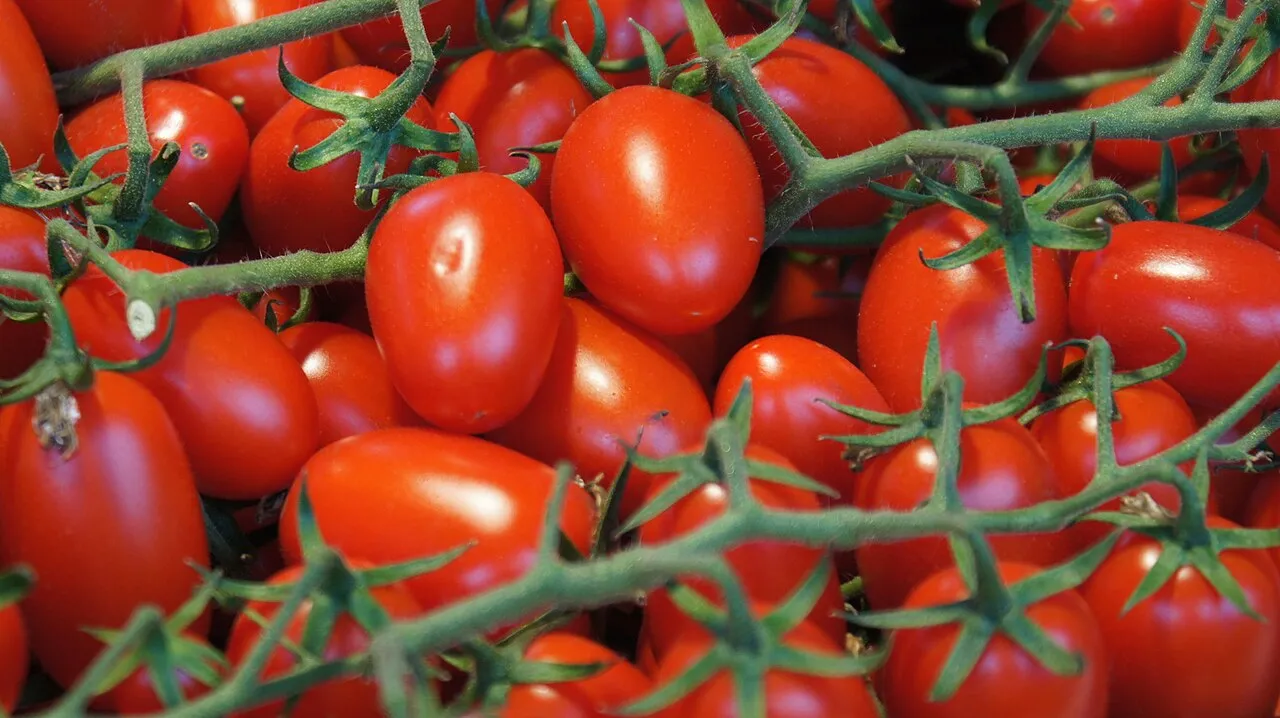
- 450 g vine tomatoes
- ½ tsp turmeric
- ½ tsp hot chilli powder
- 1 tsp sea salt flakes, plus a pinch for the onion and to finish
- 1 tsp cider vinegar
- 1 tsp caster or granulated sugar
- A small handful of coriander leaves, chopped (about a quarter of a 25 g pack)
- 4 medium eggs
- 2 bread rolls or some sourdough, to serve
Method
- Heat the oil or ghee in the pan over medium-high heat. Add the onion and a pinch of salt and fry for around 10 minutes, until golden. While it cooks, chop the tomatoes finely, by knife or in a blender.
- Add the cumin, if you are using it, along with the garlic and ginger. Give it 2 more minutes.
- Stir in the turmeric and chilli powder, then tip in the tomatoes. Cook for about 10 minutes, until the mixture has reduced and turned thick and jammy.
- Stir in the salt, vinegar, sugar and half the coriander. Switch the oven on to 200°C (gas mark 6).
- Turn the hob down to medium. Press four dents into the tomato and break an egg into each.
- Leave the eggs for about a minute, until the whites begin to turn opaque underneath, then move the pan to the oven for about 5 minutes. The whites should be set and the yolks still soft.
- Finish with a little salt and the rest of the coriander. Serve hot with buttered rolls or warm sourdough.
Basu's tip notes that the eggs can stay in the oven until fully cooked if you prefer them that way.
Can you make it without an oven?
Yes. Sanjeev Kapoor's tamatar per edo uses ghee, onion, ginger-garlic paste, green chillies, chilli powder, turmeric, garam masala and vinegar. The tomatoes cook covered on low heat until the ghee rises to the surface. He then flattens the masala, makes four hollows, slips an egg into each, covers the pan and keeps it on low heat for two to three minutes, until the eggs are done. Minwalla describes the dish the same way in Outlook Traveller: the tomato blanketed with egg and cooked on a low heat.
What variations are there?
Between the two recipes we follow, the differences go beyond oven or hob. Basu's version adds sugar and cider vinegar for the sweet-sour finish. Kapoor's stovetop one leaves out the sugar and adds garam masala.
Kapoor also publishes a looser take he calls tameta par eedu, which he describes as a Parsi favourite made with a slight twist. Each oven-proof bowl is filled about a quarter full with potato straws, then gets two tablespoons of tomato masala, a sprinkling of grated processed cheese and one egg. The bowls bake for five to seven minutes and are finished with chilli powder and coriander.
How is tamota par eedu served?
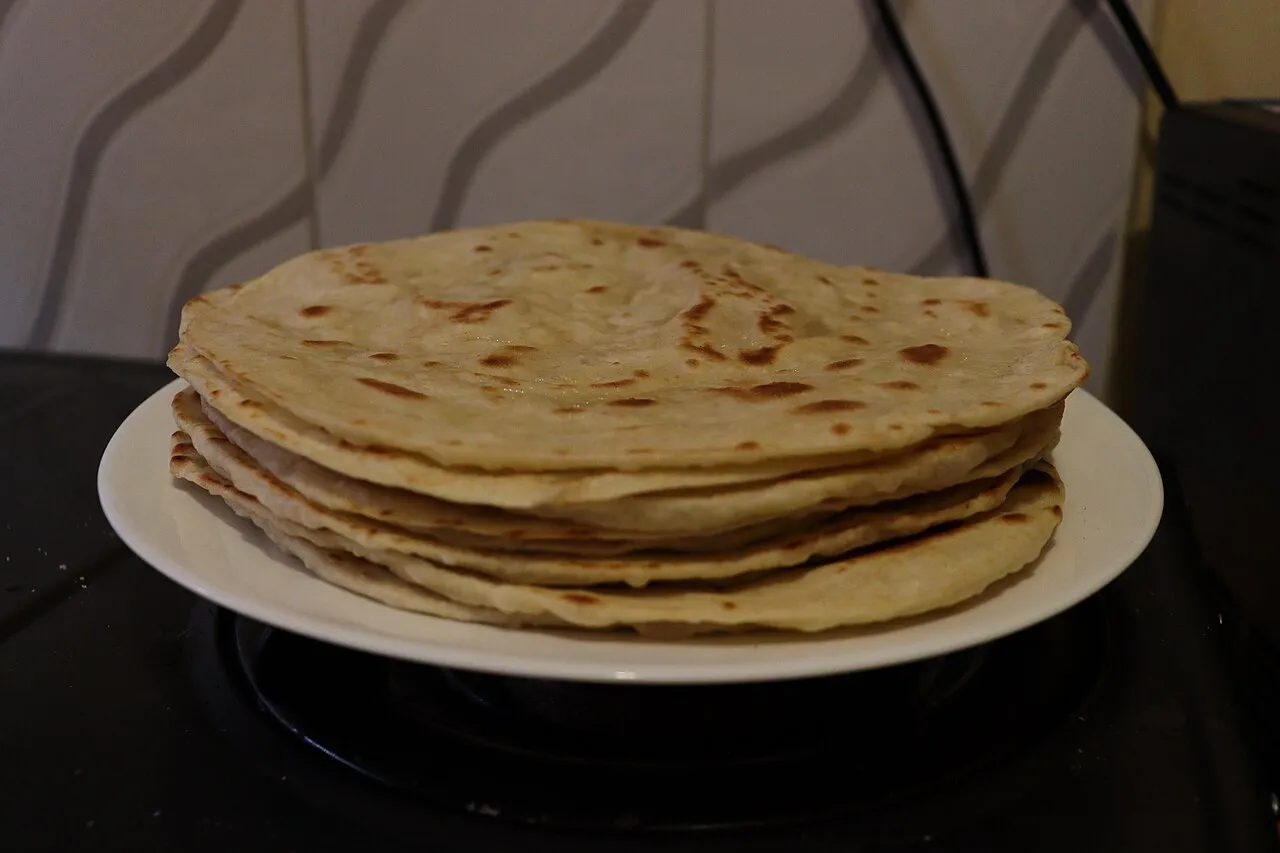
Our sources place it at more than one meal. Mavalvala writes that it is generally served as the second course, followed by marghi na curry chawal, the Parsi chicken curry with vegetable pulao. Basu suggests it as a brunch centrepiece with hot buttered rolls or sourdough. Our own suggestion for an Indian kitchen: a soft pav or a fresh rotli does the same job.
It also shows up at celebrations. Writing about Parsi wedding food in Mumbai for Outlook Traveller, Minwalla noted that many hosts add an extra egg dish to an already full menu, usually fried eggs on a thin layer of potato or tomato.
Frequently asked questions
What is tamota par eedu?
Tamota par eedu is a Parsi dish of eggs cooked on top of a thick, spiced tomato and onion masala. Whole eggs are cracked into hollows and set under a lid or in the oven. The name translates as eggs on tomatoes. You will also see it spelt tomato per eedu, tamota per edu or tamater par eedu.
Is tamota par eedu like shakshuka?
They look alike, since both set whole eggs in a cooked tomato base. Waitrose introduces Mallika Basu's recipe as being like a shakshuka. The Parsi dish has its own seasoning, though. Basu uses ginger, garlic, turmeric and chilli, with vinegar and a little sugar, and Niloufer Mavalvala ties the dish to the Parsi spicy, sour and sweet balance.
What is served with tamota par eedu?
Bread is the easy partner. Mallika Basu serves it with hot buttered rolls or warm sourdough, and we find pav or rotli works just as well. In a fuller Parsi meal, Niloufer Mavalvala says it usually comes as the second course, followed by marghi na curry chawal, the chicken curry served with vegetable pulao.
Can tamota par eedu be cooked fully on the stove?
Yes. Sanjeev Kapoor's stovetop version cooks the tomato masala in ghee until the fat rises, then slips four eggs into hollows in the masala. The pan is covered and kept on low heat for two to three minutes, until the eggs are done. No oven is needed, which suits a kitchen with only a hob and a lidded pan.
How is it different from akoori?
In akoori, the Parsi scrambled eggs, the eggs are stirred together with onion, tomato, chilli and coriander into one soft mixture. In tamota par eedu the tomato is cooked first into a thick masala, and the eggs stay whole on top of it. Same ingredients in places, very different dish on the plate.


