 PalV's Kasti
On this page
Topli na paneer is a small, very soft Parsi cheese set with rennet and drained in little baskets. That is where the name comes from: topli is Gujarati for basket. Warm milk is set with rennet, the curd goes into the baskets, the whey drips away, and the cheeses are turned out and kept in that same salty whey. Each one carries the ring marks of the wicker. It isn't cooked. You eat it cold, straight from the whey. Bhicoo Manekshaw traced the cheese to Surat, Niloufer Mavalvala calls it a Mumbai speciality, and Parsi families serve it at weddings and navjotes.
શહેરેવર રોજ
Shehrevar Roj, Tir Mah · 1396 Y.Z.
What is topli na paneer?
It's a fresh cheese with several names. You'll also see it written topli nu paneer, topli paneer or Parsi basket cheese, and Mumbai maker Delna Tamboly notes that it is also known as Surti paneer.
Mavalvala, in The World of Parsi Cooking, says the phrase has no literal translation and the nearest description is a cottage cheese made in a basket. Food52's essay on the cheese pictures palm-sized pieces floating in salty whey, and finds them tangy as well as salty. Roxanne Bamboat, who runs a home catering business serving Parsi food, told The Cheese Professor in 2023 that the texture is close to buffalo mozzarella or a slightly bigger bocconcini.
Why is it called topli paneer, and where did it come from?
The name is the mould. Rita Jamshed Kapadia writes on her site ParsiCuisine.com that topli or tokri means basket, and The Cheese Professor gives the same meaning. The baskets print their weave on every piece.
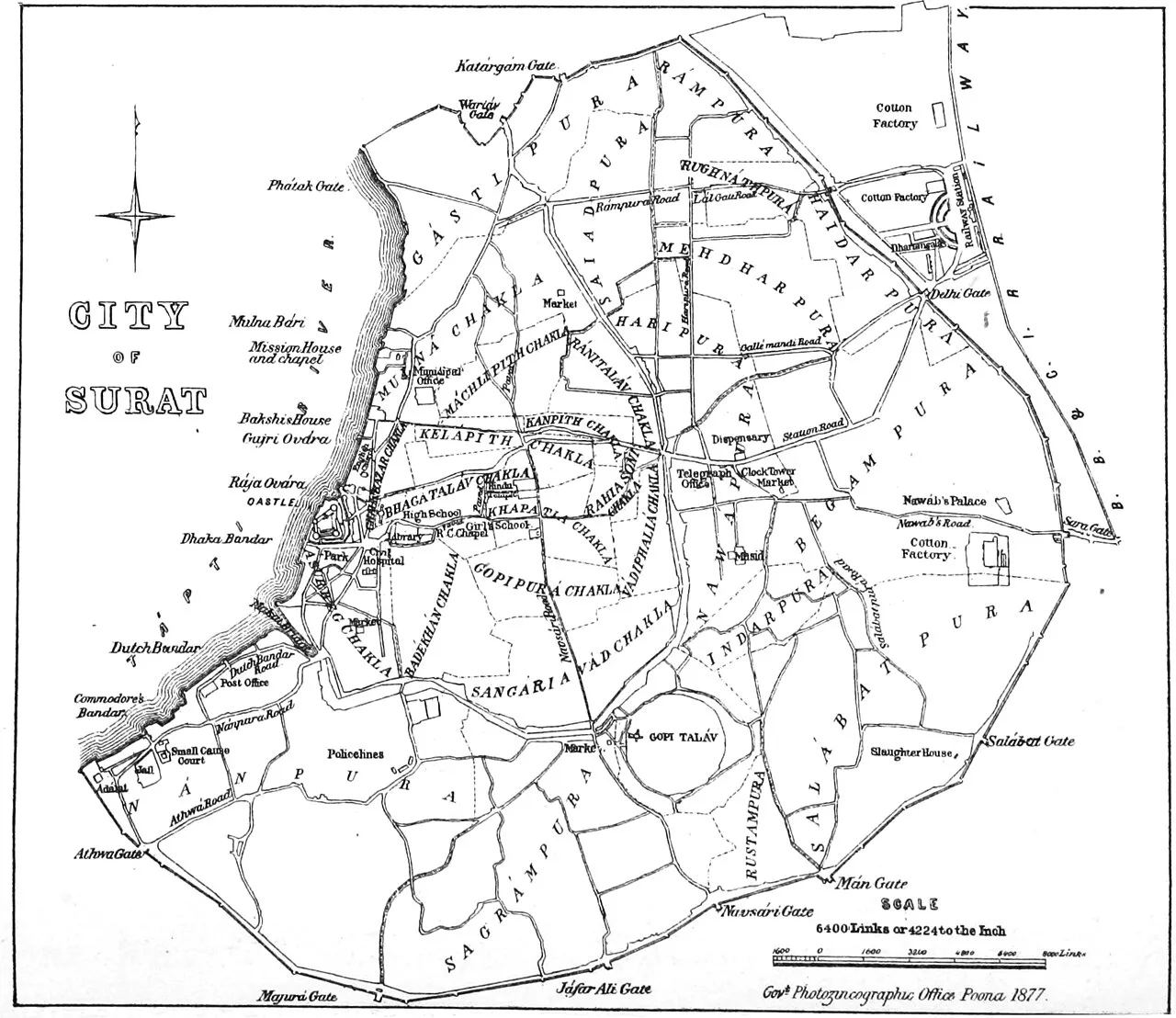
The trail leads back to Surat. Writing in DNA in 2014, Meher Mirza reported that Bhicoo Manekshaw's Parsi Food and Customs traces the cheese to that city. Tamboly told The Cheese Professor it began in the villages around Surat. Food52 adds that Bohri men once hawked it through Surat's mohallas, and that Fakirji E. Paneerwala, the most famous large-scale vendor, had his stock sent from Surat by train in big milk cans.
Mumbai remembers the street trade too. In the same DNA piece, Noshir Mistry, who grew up in Dadar Parsi Colony, recalled a paneerwallo who sold salted and unsalted pieces fished out of an earthen matka, and Mirza recalled the vendor's cry of "Surti paneer!"
Parsi home cooks took it seriously. Food52 quotes the 1926 edition of Vividh Vani, Meherbai Jamshedji Wadia's compendium of Parsi recipes, which gives nine dense pages to making this one cheese.
How is the Parsi basket cheese made?
The accounts we read share the same outline. Milk is warmed gently and set with rennet into a soft curd. The curd drains in small baskets, and the cheeses are turned out and stored in their own whey. The Cheese Professor's 2023 description adds two steps: straining the curd through muslin, and flipping the cheeses at intervals while they drain, before a night in the fridge.

What rennet is used for topli na paneer?
The older method used animal rennet. Niloufer Ichaporia King, in FEZANA's cookbook Eat, Live, Pray as quoted by DNA, describes milk set with rennet from dried chicken gizzard and dripped through flower-pot-shaped baskets. Food52 names calf intestines or chicken gizzards as the usual coagulants.
That has changed. Food52 reports that most Parsi home caterers now use synthetic vegetarian rennet. Not everyone thinks it tastes the same: Diana Mistry of Tardeo told DNA that "the slightly tart flavour is lost", and The Cheese Professor heard the same complaint about plant rennet in 2023.
A home method with rennet tablets
This method uses shop-bought rennet tablets. It follows Rita Jamshed Kapadia's "Topli na Panir" recipe on her site ParsiCuisine.com, rewritten in our own words. Her quantities make four or five small cheeses from 4 cups of milk, with 2 to 5 junket rennet tablets and, if you like, 2 teaspoons of salt. Kapadia says the salt is there only for taste and does nothing to help the cheese form.
- Warm the milk until it feels warm to a dipped finger, but not hot. Add the rennet.
- Wash and dry your small paneer baskets. Tea strainers will do if you have none.
- If salting, sprinkle some salt into the bottom of each basket, then fill each one to the top with the milk.
- Stand every basket on a glass so the whey runs into it, and leave overnight, or about 8 hours.
- When the cheese is firm and drained, turn it out carefully.
- Pour the whey from all the glasses into one large bowl and keep the cheeses in it.
In replies on her recipe page, Kapadia suggests 2 tablets for a litre of milk, says ordinary milk is fine, and advises more rennet next time if the curd does not set.
How is topli paneer different from regular paneer?
The big difference is how you eat it. Delna Tamboly, who lives in Dadar Parsi Colony, told The Cheese Professor that topli paneer can't be treated like the typical Indian paneer, because it is stored in its own whey and eaten directly. Add the rennet set and the basket shaping, and you have a cheese that stays soft enough to fall apart, which Mavalvala also notes.
When is topli na paneer served, and how do you eat it?
Weddings and navjotes are its big occasions. Mavalvala writes that Parsis serve it at both feasts, and Bamboat says the same. Food52 describes it as a starter offered before the wedding meal on banana leaves, the spread we cover in our guide to the Lagan nu bhonu.
At home it's eaten cold, from the whey. Tamboly suggests a sprinkle of roasted cumin powder, or crumbling it over a watermelon salad. Bamboat's grandmother had her own party piece: a slice of Monaco biscuit, a piece of the paneer, and a glazed cherry on top.
Where can you buy topli na paneer in Mumbai?
Mostly from home makers, and usually only if you order ahead. In 2014 DNA named two known makers, Aban Pardiwalla on Peddar Road and Dinaz Wadia in Dadar Parsi Colony, and said the cheese had even turned up at Palladium's Foodhall. Nine years later The Cheese Professor found a thinner market. Irani cafes did not have it on their menus, and it was not sold over the counter in local shops or supermarkets. The same piece profiled Delna Tamboly, who had been making and selling it for 18 years, in small batches against advance orders. Food52 says a few vendors still walk through Mumbai's Parsi colonies.
We could not confirm who is selling it in 2026, or at what price. Ask in your own baug or colony before you go looking. And because it spoils quickly, Tamboly's advice is to eat it as soon as you can.
Mumbai isn't the only city with a basket-cheese story. Our post on Kolkata Parsi cheese follows the makers there, and our wider piece on the Parsis of Kolkata gives the community's background.
Frequently asked questions
What is topli na paneer?
Topli na paneer is a soft Parsi cheese made by setting warm milk with rennet and draining the curd in small baskets. The pieces are palm-sized, salty and slightly tangy, marked with rings from the wicker, and kept in their own whey. Parsi families serve it at weddings and navjotes, and Niloufer Mavalvala calls it a Mumbai speciality.
Why is it called topli paneer?
Topli means basket in Gujarati, and the cheese is drained and shaped in small baskets that print their weave on its surface. It is also called Surti paneer. Bhicoo Manekshaw traced it to Surat, and Food52 says the most famous large-scale vendor, Fakirji E. Paneerwala, had it sent from Surat by train.
What rennet is used for topli na paneer?
The older method used animal rennet. Niloufer Ichaporia King describes rennet from dried chicken gizzard, and Food52 also names calf intestines. Food52 reports that synthetic vegetarian rennet is now the choice of most Parsi home caterers, and Rita Jamshed Kapadia's home recipe uses junket rennet tablets. Some quoted in DNA and The Cheese Professor say it loses the tartness.
How is topli paneer different from regular paneer?
Topli paneer is set with rennet, shaped in small baskets and stored in its own whey, then eaten cold as it is. Mumbai maker Delna Tamboly told The Cheese Professor in 2023 that it can't be enjoyed like the typical Indian paneer for that reason. Caterer Roxanne Bamboat compares its texture to buffalo mozzarella.
When is topli na paneer served?
Topli na paneer is best known as a wedding and navjote food. Food52 describes it as a starter served before the Parsi wedding meal on banana leaves. At home it is eaten cold from its whey, sometimes with a pinch of roasted cumin, and one family served it on a Monaco biscuit with a glazed cherry.
Where can you buy topli na paneer in Mumbai?
In 2023 The Cheese Professor found it was not on Irani cafe menus or sold in shops and supermarkets, and was best ordered in advance from home makers such as Delna Tamboly of Dadar Parsi Colony. Food52 says a few vendors still visit Parsi colonies. Ask in your colony, and eat it quickly, because it spoils fast.


