 PalV's Kasti
On this page
The Uthamna matters because of when it falls. J.J. Modi (1922) and Ervad Dr. Ramiyar Karanjia (2018) both record the teaching that the soul stays in this world for three days under the protection of Sarosh Yazad. The third day is its last here, and it departs at dawn of the fourth. So the Uthamna is the last gathering held for the soul while it is still near its family. Its prayers ask for Sarosh's protection, and the charity pledged at its close is offered for the soul's good. Karanjia also writes that the soul's place in the next world rests on its own deeds in life, not on the rites done for it.
How the ceremony is performed, step by step, is in our guide to the Uthamna ceremony. This post is about why it is done.
શહેરેવર રોજ
Shehrevar Roj, Tir Mah · 1396 Y.Z.
Why is the third day after death so important?
Modi writes that, according to the Parsi books, the soul stays near the place where the person died, or where the body last rested, for three days. At the dawn after the third night it rises, as it were, and leaves for the world above. The name refers to that departure: Modi derives Uthamna from the verb uthvun, "to get up, to depart", and the FEZANA glossary gives the same meaning. Karanjia puts it in nearly the same terms. For him the third day is the soul's last in the material world, and its heavenly journey begins at dawn of the fourth day, the Chahrum ni Bamdad.
Modi also ties the soul's journey to the three precepts of good thoughts, good words and good deeds. Three days after death, he writes, the righteous soul moves towards paradise in three steps, Humata, Hukhta and Hvarshta, and he cites the Hadokht Nask for this.
Practice varies between families and Agiaries; your family priest's guidance comes first.
Why are the Uthamna prayers addressed to Sarosh?
Because Sarosh (Sraosha) guards the soul during those three days. Modi quotes the Pahlavi text Shayest Ne-Shayest: the ceremonies of Srosh are needed through all three days, because for that time Srosh can save the soul from the demons. Mary Boyce, writing in Encyclopaedia Iranica, cites the same teaching. Modi adds that the rites of the first three days are all performed in Sarosh's name. At the Uthamna, Karanjia writes, the Dhoop sarana is recited with the invocation of Sarosh Yazad and the standing priest says the name of the deceased. Modi and Boyce both describe a Pazand prayer that asks for Sarosh's protection for the departed soul.
Practice varies between families and Agiaries; your family priest's guidance comes first.
Do the Uthamna prayers change the soul's judgment?
Karanjia's answer has two parts, and we give both in his words. In his question-and-answer pages on death, he writes that the rites after death "in no way alter" the balance of what a soul did in life, and that its place in the next world depends only on its deeds. Noshir Dadrawala made a similar point in Parsi Times (18 July 2020): the soul is judged on its deeds while on earth.
On charity, Karanjia's Jame Jamshed column of 2 September 2018 says that in the past, friends and family announced charities at the Uthamna, and the benefit went to the soul because its judgment had not yet happened. His question-and-answer page describes the Uthamna as a last visit to the soul on its last day in this world, when one gives it the benefit of whatever charity one can. That charity, he writes, adds to the soul's good deeds. Boyce records the wider custom: those present undertake meritorious acts on the soul's behalf, which among Parsis take the form of gifts to charities or pious foundations.
Practice varies between families and Agiaries; your family priest's guidance comes first.
What do the flowers, rose water and fragrance stand for?
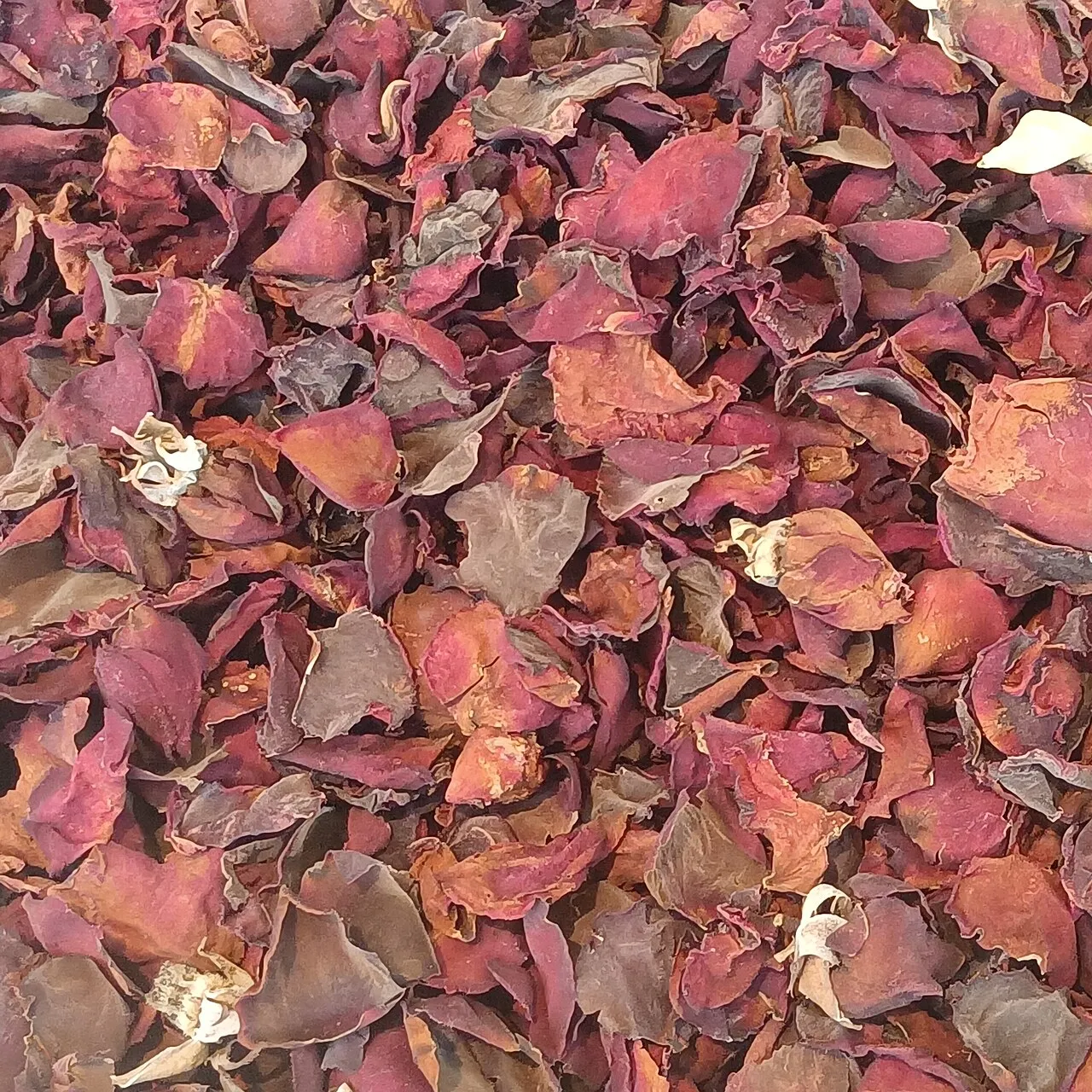
Modi explains the Dhup ceremony, part of the Uthamna. The priest stands before the fire with trays of flowers and vessels of rose water, sandalwood and frankincense are burned, and the flowers and rose water are later shared among those present. In Modi's reading, the perfumes stand for the path of the righteous soul in the next world, which is full of fragrance and joy. They also remind the gathering to live so that their own path will one day be the same. He points to the Arda Viraf Nameh (4.15), in which the righteous soul, at dawn of the third day, walks among fragrant plants. This is Modi's interpretation, and we give it as his.
Practice varies between families and Agiaries; your family priest's guidance comes first.
What does the Uthamna mean for the family?
It is also a meeting for the living. Karanjia calls it a sort of condolence meeting, where friends and relatives come to console the family. Modi records a second explanation of the name: after the Uthamna, family members get up from their deep mourning and go back to their usual work. The end of the three days also ends the mourning diet. Modi writes that meat is not eaten for the first three days after death and is allowed from the fourth. Boyce describes the same three-day abstinence, which ended when those present shared the meat after the fourth-day service.
Modi and Karanjia both describe the Khorshed and Meher Nyaesh being said twice at the afternoon Uthamna, first as one's own prayer and then for the deceased. Karanjia writes that a widow or widower can opt for a Jora nu Uthamnu, in which the living spouse's name is also taken. For the funeral and the days around it, see Parsi death rituals.
Practice varies between families and Agiaries; your family priest's guidance comes first.
Frequently asked questions
Why is the Uthamna held on the third day?
J.J. Modi and Ervad Dr. Ramiyar Karanjia both record the teaching that the soul stays in this world for three days under Sarosh Yazad's protection and leaves at dawn of the fourth. The third day is therefore the soul's last day here, and the Uthamna is the last gathering held for it before it departs.
Does the Uthamna help the departed soul?
Karanjia writes that the rites do not alter the balance of a soul's deeds, which alone decide its place. He also writes that charity given at the Uthamna adds to the soul's good deeds, since its judgment has not yet happened. Boyce records that mourners undertake meritorious acts on the soul's behalf. We give both points as stated.
Who is Sarosh, and why is he prayed to at the Uthamna?
Sarosh, or Sraosha, is the Yazad who guards the soul. Modi quotes the Shayest Ne-Shayest, which says the rites of Srosh are needed for all three days because Srosh can save the soul from the demons during that time. At the Uthamna, a prayer recited in his name names the deceased and asks for his protection.
Why don't Parsi families eat meat until the fourth day?
Modi, writing in 1922, records that meat is not eaten for the first three days after a death and is allowed again from the fourth day. Mary Boyce, in Encyclopaedia Iranica, describes the same three-day abstinence, which ended after the fourth-day service. Your family priest can advise on your own family's practice.


