 PalV's Kasti
On this page
- What is ambakalyo, and what does the name mean?
- What ingredients do you need for ambakalyo?
- How do you make ambakalyo, step by step?
- How do other Parsi cooks change the recipe?
- Which mangoes work best for ambakalyo?
- Is ambakalyo a chutney or a pickle?
- What is ambakalyo served with?
- Frequently asked questions
Ambakalyo is a cooked Parsi relish of mango slices simmered with jaggery and whole spices until the fruit turns soft. To make it, you fry cinnamon, cardamom and cloves in butter, add sliced small green mangoes, jaggery, salt and a splash of water, and let it all simmer until the mangoes give way. This method follows Freny J. Deboo's recipe for ambakaliyu in Eat, Live, Pray, the cookbook FEZANA published in 2012. Her version needs eight ingredients and serves six to eight people. Below are her quantities and steps, how two other Parsi cooks change the recipe, and what ambakalyo is eaten with.
શહેરેવર રોજ
Shehrevar Roj, Tir Mah · 1396 Y.Z.
What is ambakalyo, and what does the name mean?
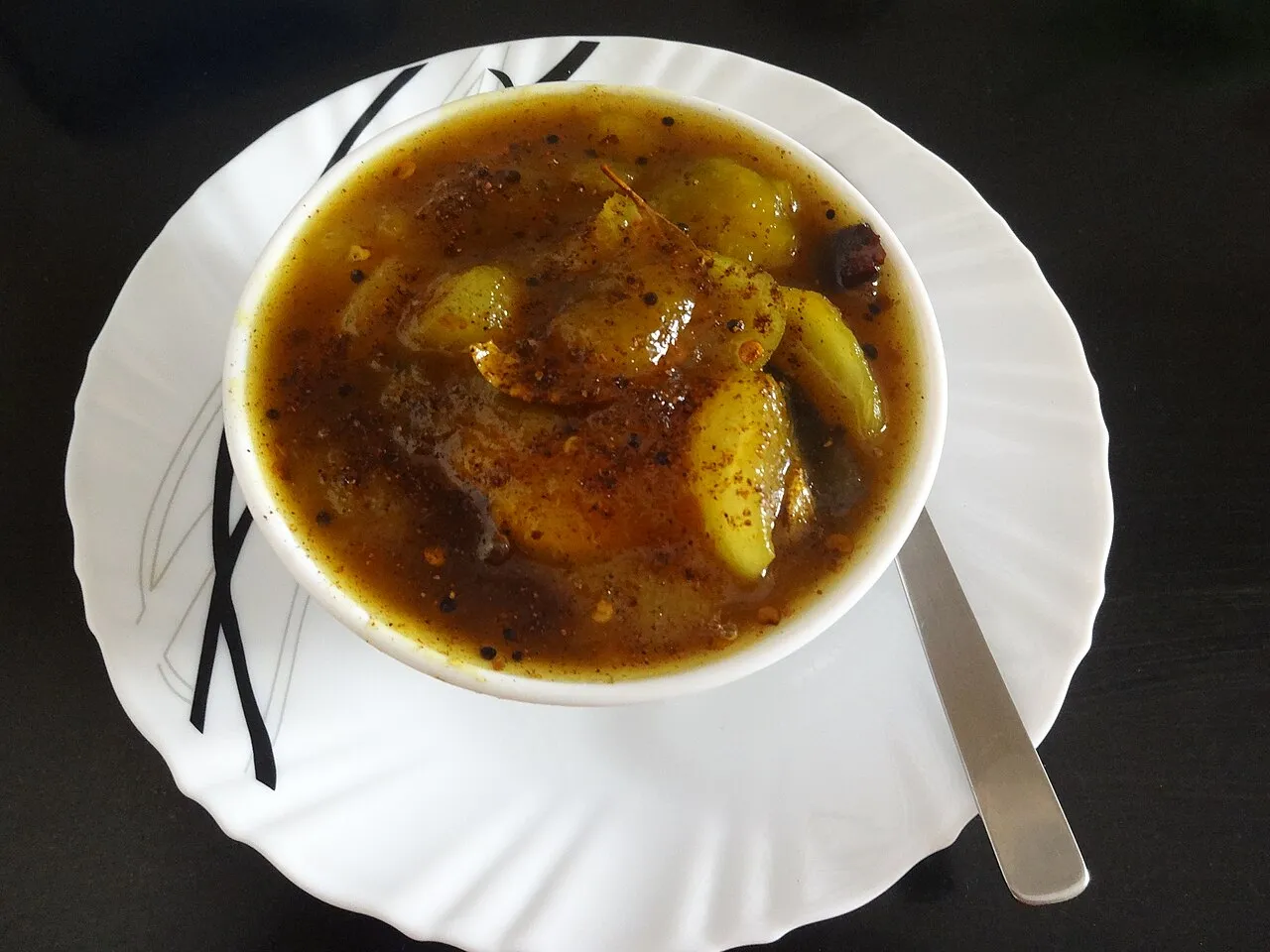
Ambakalyo is a sweet-sour mango condiment from Parsi home cooking. The spelling wanders. FEZANA's book prints it as ambakaliyu in one recipe and ambakalio in another, and calls it a mango chutney in the first and a "Parsi mango preserve" in the second. Niloufer Mavalvala's 2024 book, The Route to Parsi Cooking, titles it Keri no Ambakalyo and describes it as a spiced mango compote.
Sources disagree on where the name comes from, so here are both versions we found. Pari, the cook behind the blog A Dollop of That, reads it as amba (mango) joined to murumbo (relish). Mavalvala's introduction says amba is a Sanskrit word for mother, and can also be read as aam, the everyday word for mango. She adds that kalyo is an old Filipino word for cutting and shredding. We haven't found a third source that settles it.
What ingredients do you need for ambakalyo?
Freny J. Deboo's ambakaliyu in Eat, Live, Pray uses this list, with her metric equivalents:
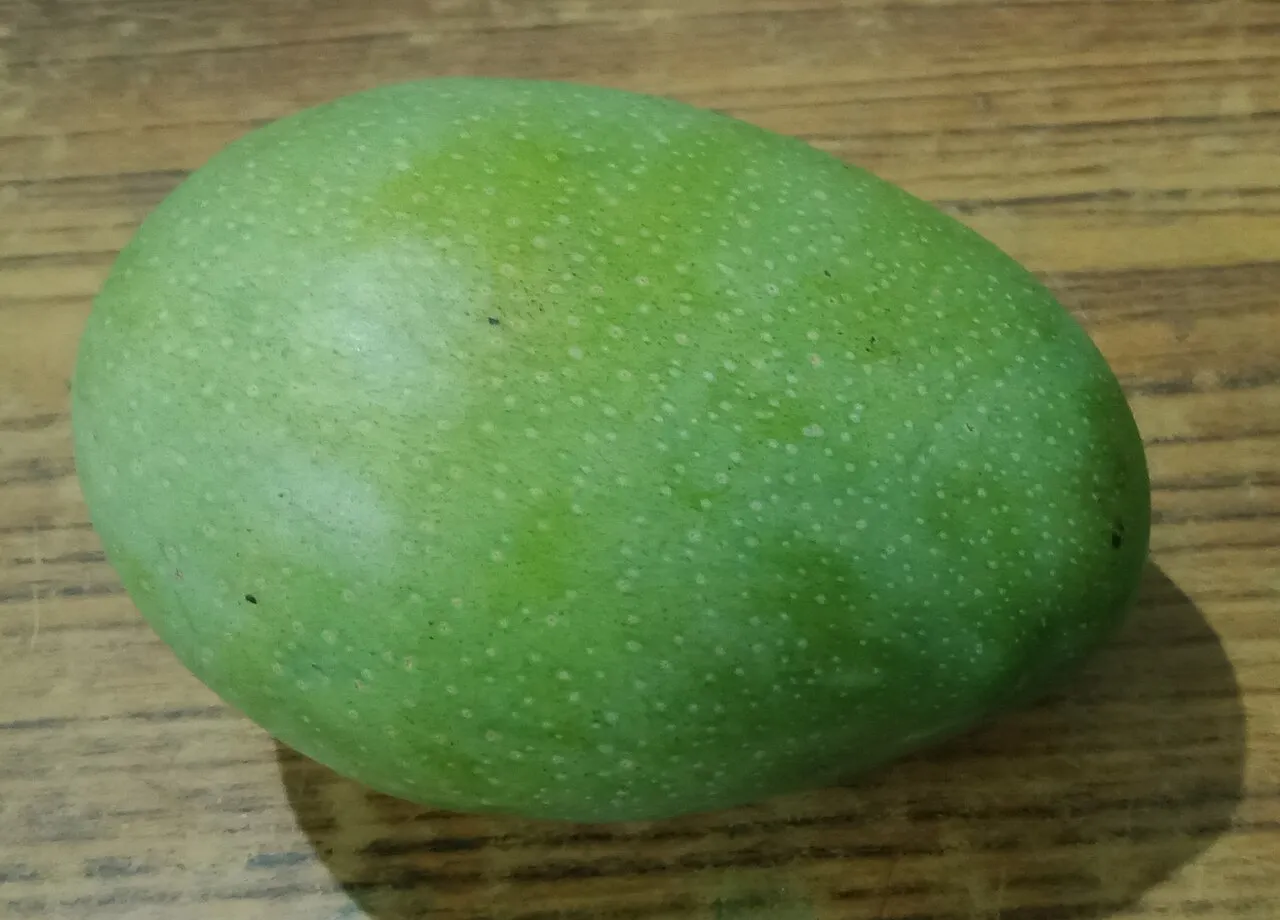
- 500 g (1 lb) small green mangoes. She is firm that they should not be squishy or soft.
- 250 g (½ lb) jaggery, broken into medium chunks
- 30 g (2 tbsp) butter
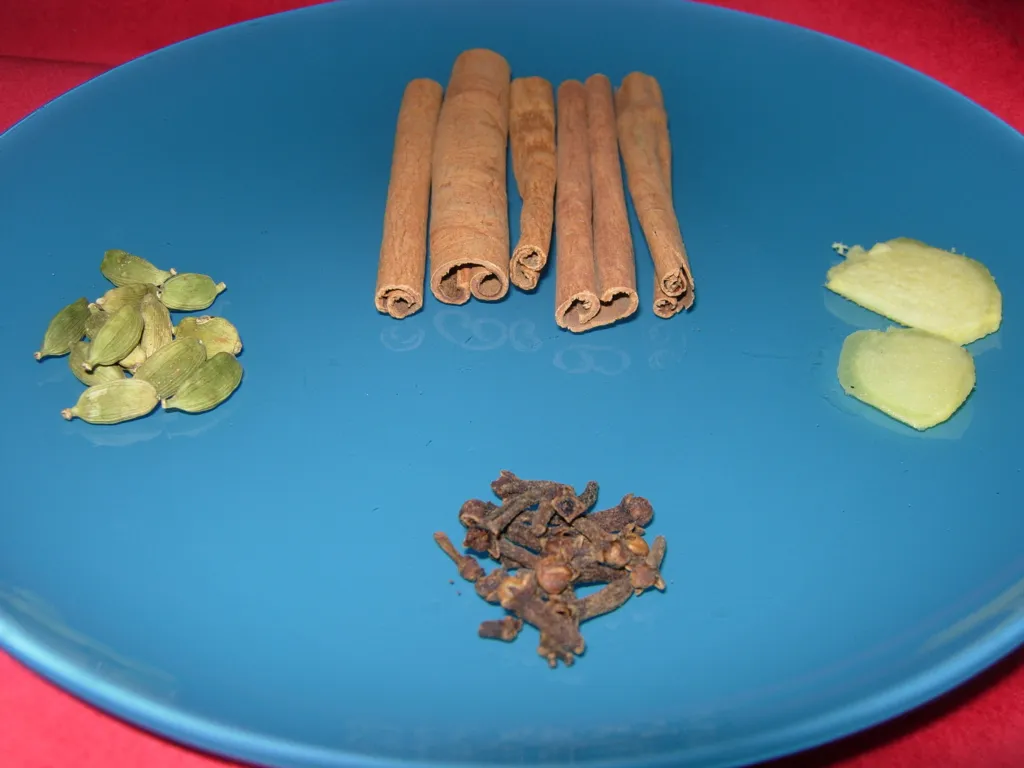
- 2 cinnamon sticks, each about 2.5 cm long
- 4 small green cardamom
- 4 cloves
- 60 g (4 tbsp) water
- ½ tsp salt
That's a 2:1 ratio of mango to jaggery by weight. Pari's recipe on A Dollop of That keeps the same ratio (200 g mango to 100 g jaggery), which is a useful rule if you want to scale up.
How do you make ambakalyo, step by step?
- Peel the mangoes and cut them into slices.
- Melt the butter in a pan. Add the cinnamon, cardamom and cloves and fry them until they turn a light brown.
- Put in the jaggery, the mango slices, the salt and the water.
- Simmer until the mangoes are soft. Stir gently so the slices stay whole. Deboo specifically warns against breaking them.
- Let the ambakalyo come to room temperature and serve it as a relish.
Deboo gives no cooking time. The cue is the fruit: stop when the slices are tender but still hold their shape. Rita Jamshed Kapadia, who runs the site ParsiCuisine.com, cooks her version covered for about 15 minutes and then uncovered for another 10 to 15, until the liquid becomes a medium-thick syrup.
How do other Parsi cooks change the recipe?
Onions are the big difference. Deboo's FEZANA recipe has none. Pari, working from her grandmother's handwritten Gujarati recipe book, adds half a cup of pearl onions or shallots along with a bay leaf and a few black peppercorns. She melts the jaggery in water first, then adds the mango, spices and onions and cooks everything on a low flame until it turns sticky. She also prefers grated mango to the traditional large slices.
Kapadia says she took her recipe from Vividh Vani, the old Gujarati cookbook by Meherbai Jamshedji Wadia. She lists small onions or shallots as optional and, following that book, fries them in pure ghee until golden before they go in. Her quantities are larger: 2 to 3 lb of mangoes to 18 oz of jaggery, with a single 2-inch stick of cinnamon.
Old family books sit behind more than one of these recipes. In the same FEZANA book, Deboo says her baffena comes from a very old collection of family books and handwritten Gujarati cookbooks. For another family's recipes and kitchen stories, read our piece on Kermin's Parsi kitchen.
Which mangoes work best for ambakalyo?
Use small mangoes that are still firm. Deboo asks for small green mangoes and rules out soft ones. Kapadia also wants small green mangoes, slightly soft and ripe. Pari uses semi-ripe mangoes. None of the three recipes we read names a variety such as Alphonso or Rajapuri, so we won't either. Our reading of the three: a firm, half-ripe mango gives you slices that survive the simmer, which is exactly what Deboo's instruction to stir gently is protecting.
Is ambakalyo a chutney or a pickle?
Ambakalyo is closer to a chutney or a preserve than a pickle. FEZANA's Eat, Live, Pray keeps the two apart: ambakaliyu appears as a mango chutney on page 79, and baffena appears as a separate mango pickle on page 91. The methods show why. Deboo's baffena uses 25 whole semi-ripe mangoes, sesame oil, vinegar and a large quantity of mustard powder, and the jars rest for ten days before anyone eats from them. Ambakalyo is simmered in butter and jaggery in one go and served once it cools to room temperature.
What is ambakalyo served with?
Ambakalyo is served as a relish beside the main dishes. In Eat, Live, Pray, Armin Wandrewala's recipe for vaal (dry split beans) suggests serving them with freshly made wheat chapattis and ambakalio. Pari eats hers by the spoonful, spread on a warm rotli, with Parsi-style kathorr (lentils), or over dal and rice. Kapadia serves it with vaal ni dar and papeta nu gosht.
Why is ambakalyo part of the gahambar menu?
FEZANA's book places ambakaliyu in its Gahambar chapter. A note beside Deboo's recipe says that in India the traditional gahambar menu would include ambakaliyu with dhansak, kevab, kachumbar and meat with potatoes, rounded off with mango ice cream or kulfi. Kapadia also ties ambakalyo to the gahambar, but she describes it differently: as a feast given in honour of someone who has died, served free to residents of old towns such as Ahmedabad, Navsari, Surat and Bharuch. FEZANA's chapter instead presents gahambars as seasonal congregational feasts. Neither source gives a ritual reason for the dish. It is part of the feast.
Practice varies between families and Agiaries; your family priest's guidance comes first.
The same FEZANA book also carries Niloufer Ichaporia King's long essay on topli nu paneer, which we cover in our Parsi paneer recipe. For the wider picture, start with our guide to Parsi recipes or our overview of Parsi food.
Frequently asked questions
What is ambakalyo?
Ambakalyo, also spelt ambakaliyu or ambakalio, is a Parsi sweet-sour relish of mango slices cooked with jaggery and whole spices such as cinnamon, cardamom and cloves. FEZANA's 2012 cookbook Eat, Live, Pray calls it a mango chutney and serves it at room temperature beside the main meal.
Is ambakalyo the same as baffena?
No. Baffena is a Parsi mango pickle made with whole semi-ripe mangoes, sesame oil, vinegar and mustard powder, and Freny J. Deboo's recipe rests it for ten days before use. Ambakalyo is a quick cooked relish of sliced mangoes in jaggery and butter, eaten once it has cooled.
How long does ambakalyo keep?
The two cooks who give a figure don't agree. Pari of A Dollop of That says to refrigerate her ambakalyo in an airtight container and eat it within two weeks. Rita Jamshed Kapadia of ParsiCuisine.com says hers will last only a week. Freny J. Deboo's FEZANA recipe gives no storage time at all.
Can you add onions to ambakalyo?
Yes, some families do. Pari's recipe on A Dollop of That, from her grandmother's book, adds pearl onions or shallots, and Rita Jamshed Kapadia lists small onions fried golden in ghee as optional, following the Gujarati cookbook Vividh Vani. Freny J. Deboo's recipe in FEZANA's Eat, Live, Pray leaves them out.
Which mangoes should I use for ambakalyo?
Pick small, firm mangoes that are green or only half ripe. Freny J. Deboo asks for small green mangoes and warns against soft ones, while Pari of A Dollop of That uses semi-ripe fruit. Firm mangoes keep their slices whole while they simmer in the jaggery, which is what Deboo's recipe asks for.


