 PalV's Kasti
On this page
Parsi paneer, or topli nu paneer, is a soft rennet-set cheese drained in small wicker baskets and then kept in its own salted whey. To make it at home you need milk (raw milk did best in the one documented home test), a rennet made from dried chicken gizzard linings soaked in vinegar, a few small baskets, and glasses to stand them on. The method below follows Niloufer Ichaporia King's account, "Project Basket Case", in FEZANA's 2012 cookbook Eat, Live, Pray. It is her own kitchen experiment, written up honestly, and not a polished recipe card.
A note for vegetarian readers: the traditional rennet for this cheese, as King's aunt taught it and as DNA describes it, comes from dried chicken gizzards, and an old Parsi cookbook also lists young goats' stomachs. So paneer made the old way is not vegetarian. Vegetarian rennet can be used instead, and we cover what changes further down.
અસપંદામેદ રોજ
Asfandarmad Roj, Tir Mah · 1396 Y.Z.
What is topli nu paneer?
Topli is Gujarati for basket. The cheese takes its name from the wicker baskets it sets in, and each round carries the print of the weave on its surface. King, writing for FEZANA, separates this "floating" paneer, stored in whey in an earthenware pot, from the creamier "sitting" kind that Parsi homes also know.
You will also hear it called Surti paneer. Scroll used that name in 2018, and Meher Mirza, writing in DNA in 2014, remembered the vendor who came by on Sundays near her aunt's house on Slater Road, calling out "Surti paneer!" The name points to Surat. King says Surat is reputed to make the finest, Bhicoo Manekshaw's Parsi Food and Customs traces the cheese there (as DNA reports), and Scroll says the city still makes some of the best.
Texture is the whole attraction. A Food52 essay on the cheese compares it to blancmange crossed with mozzarella. Scroll calls it velvety and almost creamy, and the Mumbai home chef it interviewed, Delna Tamboly, says its salty taste comes from the whey it is kept in.
Why does Parsi paneer need rennet instead of lemon or vinegar?
King's aunt Roda gave her the rule. The more common paneer is made from milk curdled with acid, but topli nu paneer is set with animal rennet, specifically dried chicken gizzard linings. What you get is a custard-like curd that drips through individual baskets, one paneer to a basket.
King went back to Vividh Vani, which she calls a classic compendium of Parsi recipes, and had a Gujarati speaker take her through every nuance of it. She reports that it names chusda (the stomachs of young goats) as the first-choice coagulant and teti (chicken gizzards) as the alternative, both macerated in vinegar. The Food52 essay describes one gizzard version: the gizzards are sun-dried and steeped in vinegar for three days, and on the fourth day that vinegar goes into the milk. King cites the book as Vividh Vani (1915). The Food52 essay quotes from a 1926 edition by Meherbai Jamshedji Wadia that gives the cheese nine pages. We have not seen either edition ourselves.
Can you use shop-bought or vegetarian rennet?
Yes, and it is the route to take if your household is vegetarian. According to the Food52 essay, most Parsi home caterers now use synthetic vegetarian rennet because it cuts the making time, though the flavour is less intense than the original. In DNA, Tardeo resident Diana Mistry put it plainly: "the slightly tart flavour is lost." King made several failed attempts with liquid and tablet rennet before she went back to gizzards, and she suspects the gizzard linings account for the subtle tang she remembers from childhood. We could not find a full recipe from a named Parsi cookbook author that uses commercial rennet, so we don't give quantities for that route.
How do you make Parsi paneer at home, step by step?
This is King's test batch as she describes it in Eat, Live, Pray, rewritten in our words. It made four small, thin paneers from two cups of milk. Her husband David suggested the tincture: gizzard linings ground up and left to macerate in a jar of mild Japanese rice wine vinegar. She does not say how many gizzards she used, how long they soaked or how hot the milk was, so neither do we.
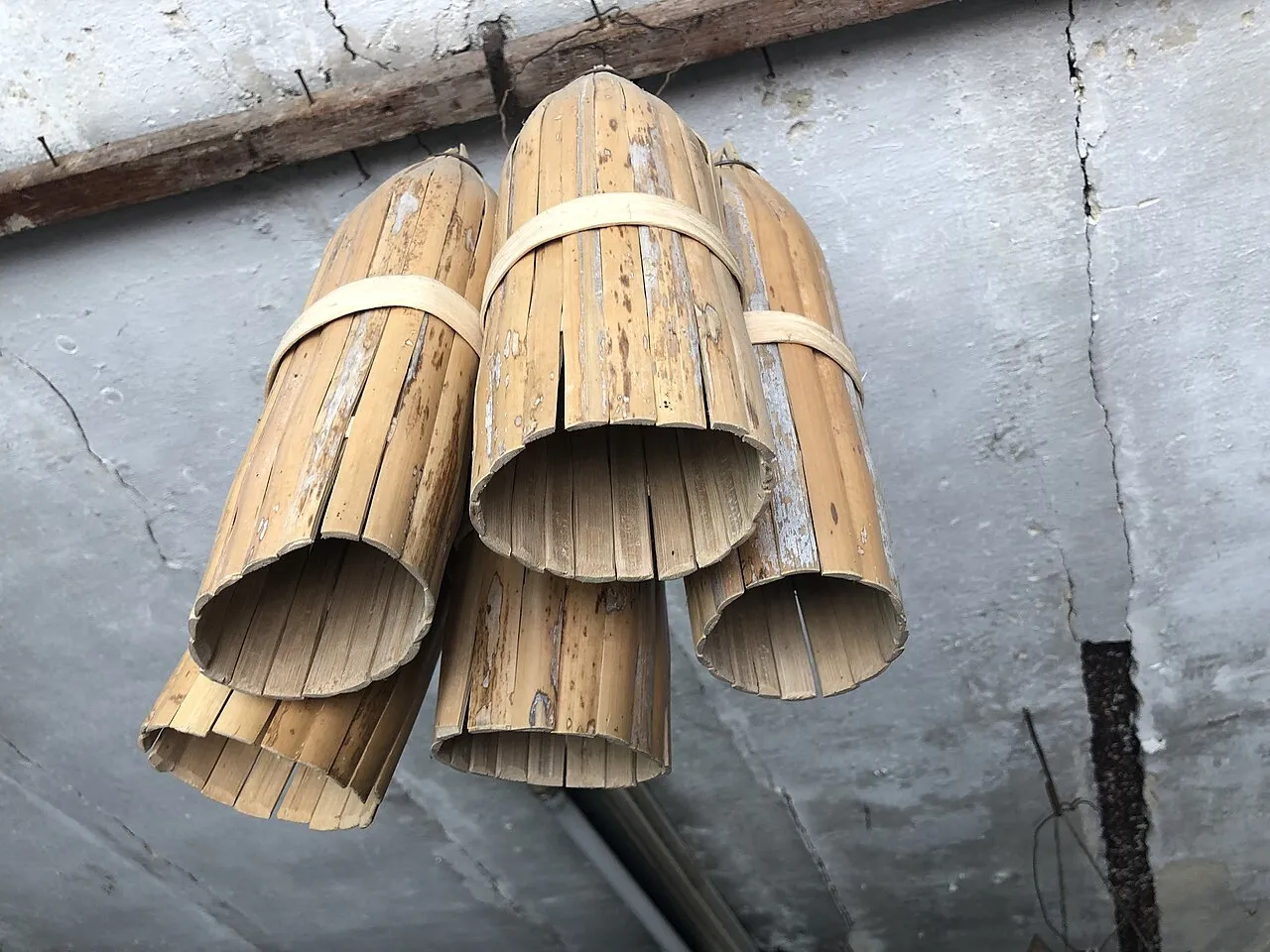
- Make the gizzard tincture by pulverising dried chicken gizzard linings and macerating them in mild rice wine vinegar.
- Soak four small baskets and cut four squares of cheesecloth to line them.
- Heat 1 cup of raw cow's milk and 1 cup of pasteurised cow's milk separately, and stir 1½ teaspoons of the tincture into each.
- Leave the milk to set. King's took about four hours, and the raw milk gave a denser, creamier curd.
- Line the baskets with the cheesecloth, stand each one on a glass, and divide the set milk between them.
- After about two hours, turn each paneer over so both sides drip and take the basket pattern.
- After roughly another two hours, pour off the whey collected in the glasses and slip the paneers into it.
- Add a little salt to the whey. Without it, King found the cheese bland even with the gizzard rennet.
Her verdict was candid. Raw milk won on looks, taste and texture, and the result still fell short of the paneer she remembered. But she called the summit "within sight." If you try this, expect a first batch that teaches you more than it impresses anyone.
How is topli nu paneer eaten?
Mostly just as it is. Scroll's piece says the only way to eat it is straight from a bowl with a spoon, and Delna Tamboly told the site it is too delicate to cook in any sauce or gravy. King's idea of the perfect breakfast was a pile of fresh paneers with naram or gotli pao and gooseberry jam from the Women's India Trust. The Food52 writer remembers an aunt buying a dozen, one for each of them, served in little bowls.
It also had a place at weddings. Scroll calls it a once-essential part of Parsi wedding menus, and the Food52 essay says it was, and still is, offered before a Parsi wedding feast served on banana leaves. In 2018 Scroll reported that Bombay Canteen in Mumbai served a dollop of it on its maa ki daal. We have not checked whether that dish is still on the menu.
For the rest of the table, our Parsi recipes guide is the place to start. From there you can go on to Parsi mutton kebabs or a jar of sweet-sour mango with our Ambakalyo recipe, and our wider look at Parsi food puts these dishes in context.
Where can you still buy topli paneer in Mumbai?
It has become hard to find. Writing in 2012, King said a few Parsi women made it to order but were "few and far between." Mirza named two Mumbai makers in DNA in 2014, Aban Pardiwalla of Peddar Road and Dinaz Wadia of Dadar Parsi Colony, and Scroll profiled Delna Tamboly in 2018, who learned it from her mother-in-law. The Food52 essay describes Abdul Paneerwalo as Mumbai's only remaining wholesale seller, making an adapted version for Parsi wedding caterers that archaeologist and caterer Kurush Dalal, quoted in the same piece, found "very jelly-like."
The older trade was bigger. Dalal names Fakirji E. Paneerwala as the most famous large-scale vendor, and the essay says Mumbai's best-known seller brought his paneer from Surat by train in milk cans capped with crushed ice. We could not confirm who sells it today or at what price, so ask in your own colony or Agiary circle before you assume it is gone.
Where did basket paneer come from?
Nobody has settled this, and the writers disagree. King notes that Bakhtiari tribespeople make a cheese called khiki set with goats' stomach linings, and she speculates that Zoroastrians leaving Iran may have carried the technique for both kinds of paneer to India. The Food52 essay goes further and says it almost certainly has Persian origins, while admitting the route to India is poorly known. Scroll, on the other hand, reports a belief that the Dutch introduced cheese-making to the Parsis of Surat. None of them points to a document that proves the case, so we leave it open.

Frequently asked questions
What is topli nu paneer?
Topli nu paneer is the Parsi basket cheese: small, soft rounds of milk set with rennet, drained in wicker baskets that leave a woven pattern, then kept floating in salted whey. It is also called Surti paneer, and Niloufer Ichaporia King writes that Surat is reputed to make the finest. Food52 describes it as salty and tangy.
Is Parsi paneer vegetarian?
Not when it is made the traditional way. The rennet King describes is dried chicken gizzard linings soaked in vinegar, and she reports that Vividh Vani prefers young goats' stomachs. According to Food52, most Parsi home caterers now use synthetic vegetarian rennet, which is quicker, though a Tardeo resident told DNA the slightly tart flavour is lost.
Why is it called basket paneer?
Topli is the Gujarati word for basket. In King's method the set milk goes into small cheesecloth-lined baskets standing on glasses, and each paneer is turned once after about two hours so both sides drain. Every finished round keeps the marks of the basket weave, which is what gives the cheese its Gujarati name.
Where can you buy topli paneer in Mumbai?
It is scarce. Press reports from 2014 to 2018 named a handful of Parsi home makers who take orders, and Food52 described one remaining wholesale seller supplying wedding caterers. We could not confirm current sellers or prices, so asking within your colony, your Agiary circle or a Parsi caterer is the best place to start.
How do you eat Parsi paneer?
Plain, from a small bowl with a spoon. Mumbai home chef Delna Tamboly told Scroll it is too delicate for any sauce or gravy. Niloufer Ichaporia King ate it for breakfast with soft or crusty pao and gooseberry jam, and Food52 says it is still offered before Parsi wedding feasts served on banana leaves.


