 PalV's Kasti

On this page
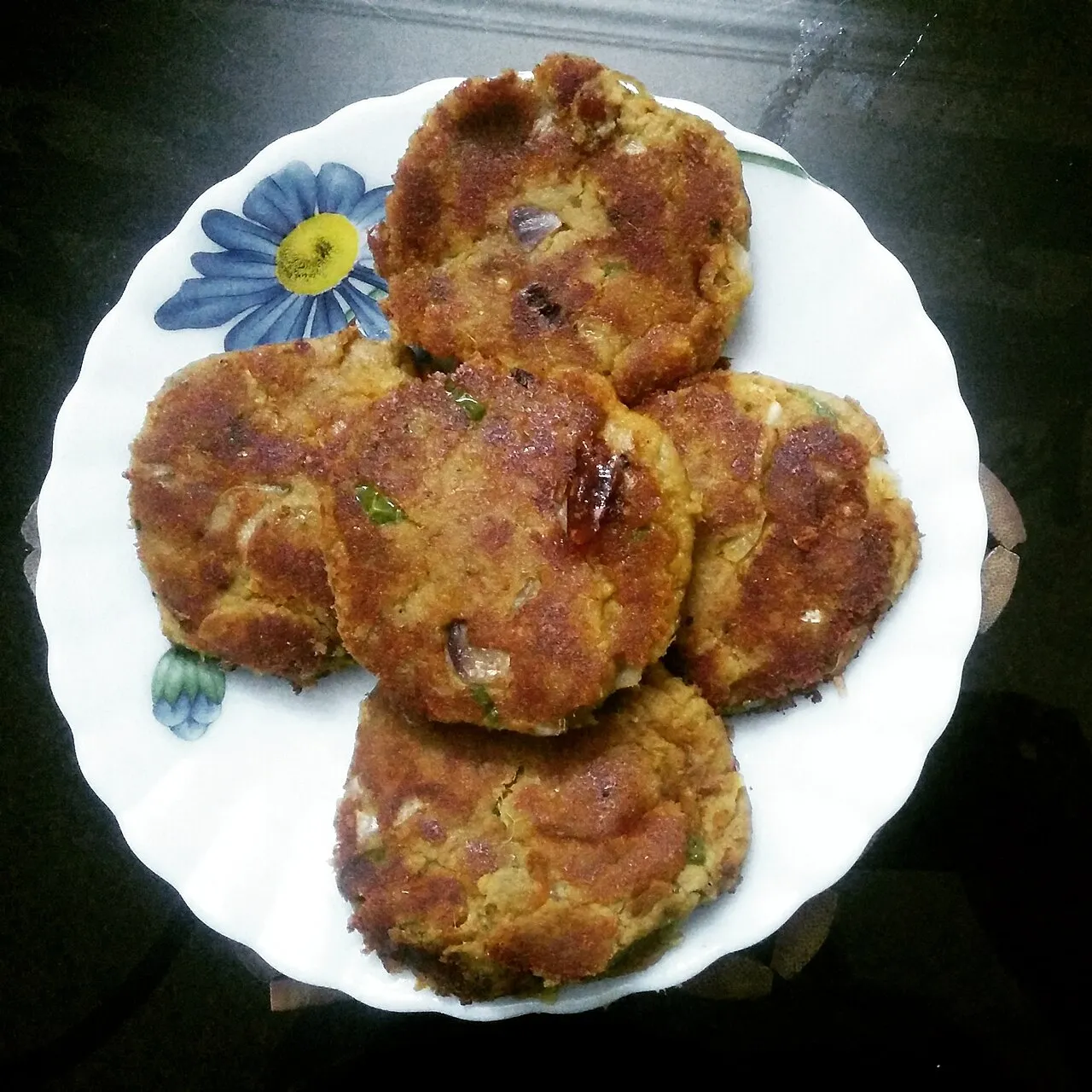
Parsi mutton kebabs are small balls of spiced mince, bound with soaked bread, flavoured with browned onions, mint and coriander, then deep-fried until the outside is crisp. To make them, you season the keema, crumble in the squeezed bread and herbs, rest the mix in the fridge for half an hour, roll it into balls and fry them in hot oil over a medium flame. They're eaten hot with lemon. The recipe below follows Sanjeev Kapoor's "Parsi Style Mutton Kababs", published on his website in March 2019, retold in our own words. It serves four. Further down we set it beside two family versions that add potato and egg.
અદીબેહેસત રોજ
Ardibehesht Roj, Tir Mah · 1396 Y.Z.
What makes a kebab Parsi?
Niloufer Mavalvala, writing in her Parsi kitchen column for The Cook's Cook, calls kebabs more of a method than one fixed recipe. In Parsi cooking, she says, they can be little round balls (kavab), oval cutlets or flat discs, and meat ones are called gos na kavab while prawn ones are jhinga na kavab. In her telling, this family of dishes grew out of using up leftover meat, fish and vegetables, which were shaped, chilled and then fried.
Anahita Dhondy, writing in the Deccan Chronicle in 2015, described the kebabs that go with dhansak as small, round and fried, made with chicken, mutton or now and then prawns.
What do you need for Parsi mutton kebabs?
Sanjeev Kapoor's list, for four people:
- 250 g mutton mince (keema)
- 1 tsp red chilli powder
- ½ tsp cumin powder
- ½ tsp garam masala
- 1-2 green chillies, chopped fine
- 1 tbsp ginger-garlic paste
- Salt as needed
- ¼ cup browned onions
- 2 slices white bread
- 4-6 sprigs fresh mint, plus a few for garnish
- 4 sprigs fresh coriander
- Oil for deep-frying
- Lemon wedges, to serve
How do you make Parsi mutton kebabs, step by step?
- Put the mince in a large bowl. Add the salt, chilli powder, cumin, garam masala, ginger-garlic paste, green chillies and browned onions.
- Cut the crusts off the bread. Dip the slices in water briefly, then press out the excess.
- Crumble the damp bread over the mince.
- Chop the mint and coriander roughly, add them and mix well.
- Leave the bowl in the fridge for about 30 minutes.
- Heat enough oil for deep-frying in a kadai.
- Divide the mince into equal portions and roll each into a ball.
- Deep-fry over medium heat until golden and crisp. Lift them out onto absorbent paper.
- Serve hot with lemon wedges and a few mint sprigs.
Kapoor's page lists the dish as easy and spicy, and notes that most of its flavour comes from the meat itself.
Do Parsi kebabs use potato and egg?
Kapoor's don't. Both family recipes we found do, and they show how the mix changes.
Perzen Patel's grandfather's kebabs
In her newsletter Beyond Butter Chicken (February 2022), Perzen Patel remembers her grandfather's rule that Sunday breakfast was always kebabs, with lemon squeezed on top at the table. The recipe she gives uses 500 g of goat, lamb or beef mince (he used goat; she prefers beef) with four boiled potatoes, two large eggs, bread or breadcrumbs, turmeric, chilli powder, garam masala, coriander-cumin powder, ginger-garlic paste and fresh coriander. The balls are rolled in coarse semolina and deep-fried. Fine semolina works too, she says, but the kebabs don't get as crisp. Her quantities make 24 to 30. The full method is for paid subscribers, so we haven't reproduced it.
FEZANA's Gos na Kevab
The 2012 FEZANA cookbook Eat, Live, Pray prints a Gos na Kevab from Mehernosh Bomanji of Canada, made with ground beef, crustless soaked bread, one mashed boiled potato, onion, ginger, garlic, coriander leaves and green chillies, spiced with turmeric, chilli and cumin. Some of four beaten eggs bind the mince. The balls are then dipped in the rest of the egg and rolled in breadcrumbs before frying. The book says they look much like large meatballs, and the recipe serves six to eight.
Kapoor's version holds together with bread alone, while these two add potato, egg and a coating. Pick one recipe and follow it through rather than mixing quantities from two.
Are Parsi kebabs fried or grilled?
Every recipe we read fries them. Kapoor deep-fries in a kadai, Patel lists oil for deep-frying the semolina-coated balls, and the FEZANA recipe fries egg-and-crumb-coated ones. Dhondy's description of the kebabs beside dhansak also calls them fried. We found no Parsi source that grills this kind of mince ball, so we haven't suggested it here.
What are Parsi kebabs served with?
Dhansak is the classic partner. The FEZANA recipe's first serving note is simply to serve the kevabs with dhansak. Beyniaz Edulji, describing a Sunday dhansak lunch in a Parsi home for NewsMeter in April 2025, serves the dal with kebabs and brown rice, plus kachumbar, an onion-based salad. Dhondy names the same trio. When there's no dhansak, the FEZANA book suggests naan with lemon, green or mango chutney and slivered onions or tomato.
On their own, they make a Sunday breakfast with a squeeze of lemon, the way Patel's grandfather ate them.
How is a Parsi kebab different from a Parsi cutlet?
Mostly shape. In Mavalvala's description, kavab are little round balls and cutlets are oval. Patel groups both under Ramakra, a Parsi-Gujarati word for toys, and writes that households that don't make kebabs make cutlets instead, which she compares to a burger patty rather than a lamb cutlet.
If you're cooking your way through our Parsi recipes, two other dishes to try are the Navsari ghee khichri and the Parsi paneer recipe. For the wider story of the community's table, start with our guide to Parsi food.
Frequently asked questions
What is gos na kavab?
Gos na kavab is the Parsi name for meat kebabs: small balls of spiced minced meat, mixed with soaked bread and sometimes potato and egg, then fried. Niloufer Mavalvala gives the name in The Cook's Cook, and FEZANA's 2012 cookbook spells it Gos na Kevab. The prawn version, she writes, is called jhinga na kavab.
What does Ramakra mean?
Perzen Patel, in her newsletter Beyond Butter Chicken, explains Ramakra as a Parsi-Gujarati term for toys. She uses it for the group of dishes that kebabs and cutlets belong to. In her account, a Parsi household that doesn't make kebabs will usually make cutlets, which she likens to a burger patty.
Can I make Parsi kebabs with chicken or beef?
Yes. Anahita Dhondy describes the kebabs eaten with dhansak as chicken, mutton or sometimes prawn. Perzen Patel's recipe accepts goat, lamb or beef mince, and FEZANA's Gos na Kevab uses ground beef. We haven't seen a chicken version of Kapoor's recipe, so treat a swap there as your own variation.
How do you stop kebabs breaking in the oil?
None of our sources tackles this head-on, but their methods share some habits. The soaked bread is squeezed before it goes in. Sanjeev Kapoor rests his mince in the fridge for about 30 minutes. FEZANA's recipe uses some beaten egg to bind the mince, then coats each ball in egg and breadcrumbs. Kapoor fries over medium heat.
What do Parsis eat kebabs with?
Most often with dhansak, brown rice and kachumbar, the onion-based salad, as NewsMeter and the Deccan Chronicle both describe. FEZANA's cookbook also suggests naan, lemon, green or mango chutney and slivered onions or tomatoes. Perzen Patel's grandfather made them his Sunday breakfast, with lemon squeezed on top.


