 PalV's Kasti
On this page
The Besna ceremony is a small Parsi family custom for a baby who has begun to sit up. A 2019 page of INTACH's Young INTACH magazine describes the child seated on a stool, surrounded by besan ladoos and given gifts. The oldest account we found, in the Bombay government's Gazetteer of 1899, places it as the baby enters the seventh month. That account dresses the baby in a new silk frock and cap, marks the brow red, sets the stool over lucky chalk marks and has the child touch a coconut before it is broken. None of the priestly or scholarly accounts of Parsi birth customs we read mentions Besna or sets out a prayer for it.
અસપંદામેદ રોજ
Asfandarmad Roj, Tir Mah · 1396 Y.Z.
What is the Besna ceremony?
Besna marks a baby sitting up for the first time. The Gazetteer of the Bombay Presidency (Volume IX, Part II, 1899), in its chapter on Parsi customs, calls it "the sitting or Besná ceremony".
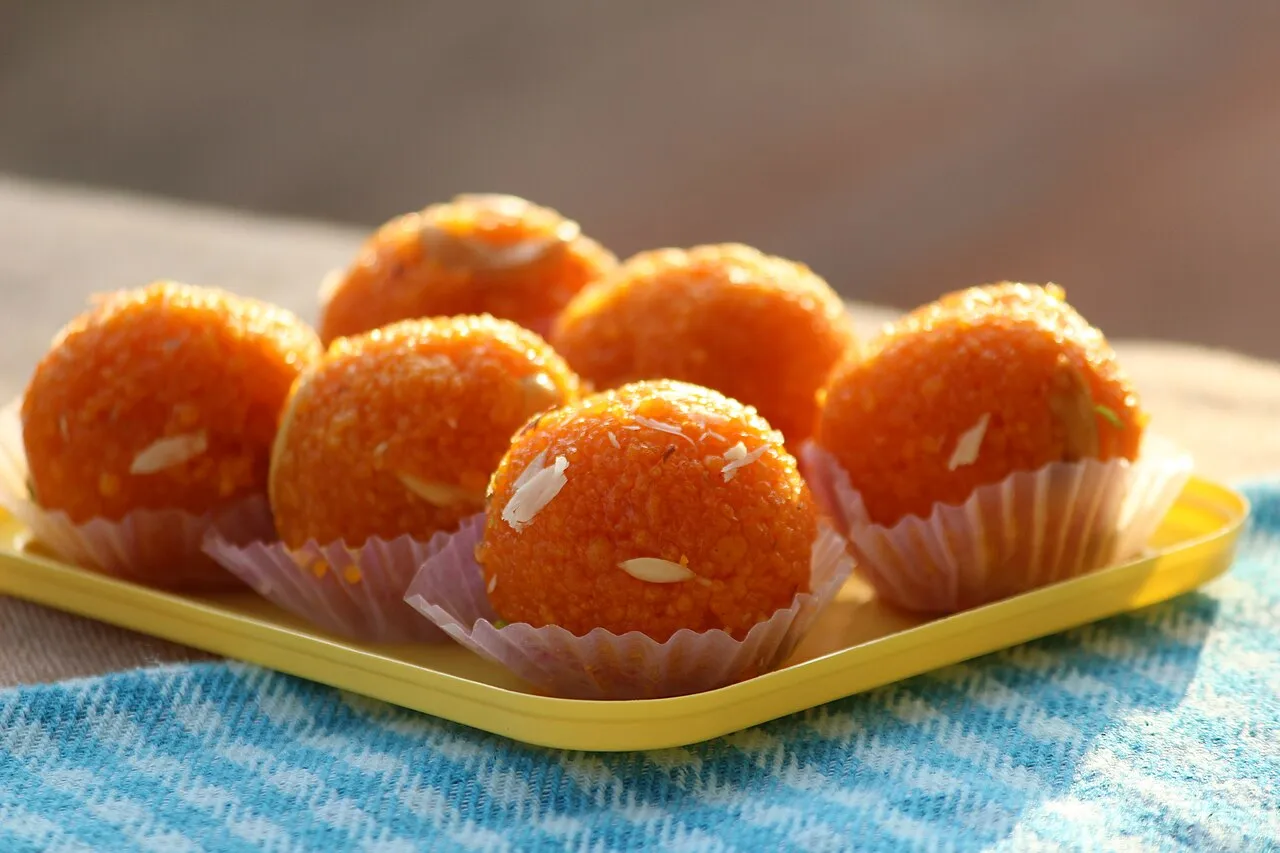
A much later description agrees on the basics. The 2019 Young INTACH page says that when a Parsi child first sits up straight, the child is placed on a stool with besan ladoos all around and receives gifts. It ends: "This ceremony is called Besna."
At what age is Besna done?
The two sources use different markers. The 1899 Gazetteer ties Besna to the calendar: it is held when the child enters the seventh month. Young INTACH ties it to the baby, saying it is done when the child first sits up straight, and gives no age. The published record does not settle on one age.
How is the Besna ceremony performed?
The Gazetteer's 1899 description has four parts:
- The baby is dressed in a new silk frock and a cap.
- The baby's brow is marked with red powder.
- The baby is seated on a stool placed over lucky chalk marks.
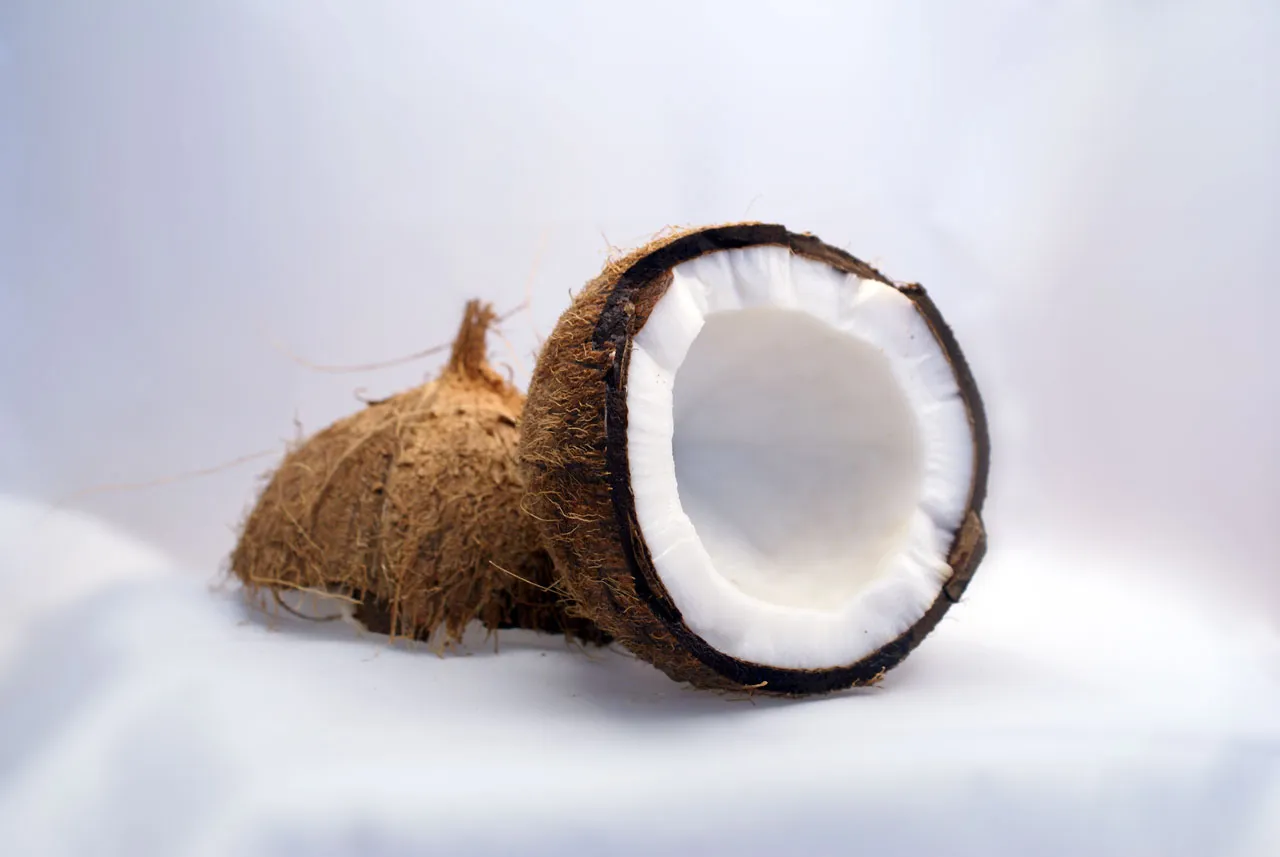
- While seated, the baby touches a coconut, and the coconut is then broken.
Young INTACH adds the sweets: besan ladoos placed around the seated child, and gifts for the baby. We found no published source that gives a set order of steps, names who must attend, or prescribes words to be said, so we have not added any.
Practice varies between families and Agiaries; your family priest's guidance comes first.
Is Besna a religious ceremony?
No source we read treats Besna as a religious rite. Jivanji Jamshedji Modi's The Religious Ceremonies and Customs of the Parsees (1922) does not mention Besna at all, and neither does Dosabhai Framji Karaka's History of the Parsis (1884) or the Encyclopaedia Iranica entry on childbirth in Zoroastrianism. Writing about the Parsi days kept during a first pregnancy, Modi says they are observed without any religious injunction or rites, and that some customs on these occasions are "more Indian in their origin" than Persian or Zoroastrian. He was not writing about Besna itself.
Practice varies between families and Agiaries; your family priest's guidance comes first.
What comes after Besna?
In the 1899 account, the next milestone is the first birthday. The Gazetteer says the first birthday, and every later one to a lesser degree, is a day of feasting, when friends and relatives send the child presents. Young INTACH describes a separate ladoo custom for a baby's first steps, covered in our guide to Pug laroo. For the earlier customs, from the fifth month of a first pregnancy to the days after birth, see our overview of Parsi pregnancy and birth ceremonies.
Frequently asked questions
What is the Besna ceremony?
Besna is a Parsi family custom for a baby who has started to sit up. The 1899 Bombay Gazetteer calls it the sitting ceremony and describes a new silk frock and cap and a stool over chalk marks. A 2019 Young INTACH page describes besan ladoos placed around the seated child, who is given gifts.
At what age is Besna done?
The Gazetteer of the Bombay Presidency (1899) records Besna when a baby enters its seventh month. Young INTACH (2019) gives no age and links it to the day the child first sits up straight. The two sources use different markers, and neither gives a rule for choosing the exact day.
What happens at a Besna?
In the 1899 Gazetteer account, the baby is dressed in a new silk frock and cap, marked with red powder on the brow, and seated on a stool over lucky chalk marks. The baby touches a coconut, which is then broken. Young INTACH adds besan ladoos around the child and gifts.
What sweets are made for Besna?
Besan ladoos. A 2019 Young INTACH magazine page, the only published source we found that names a sweet, says the seated child is surrounded by them. The 1899 Gazetteer mentions a coconut that the child touches and that is then broken, but names no sweets. Neither source lists what else should be served.
Is Besna a religious ceremony?
Not in the published record we found. J.J. Modi's 1922 book, Karaka's 1884 history and Encyclopaedia Iranica do not mention Besna, and no source we read names a prayer for it. If you would like prayers said on the day, ask your family priest.


