 PalV's Kasti

On this page
The dakhmas of Iran and India rest on the same Zoroastrian rule, that the body is exposed on high ground, but they were not built the same way. Ervad Dr Ramiyar Karanjia, writing in Jame Jamshed in May 2017, explains that the earliest Iranian dakhmas were simple stone structures with a platform and a central pit, and that in Iran the site was shifted every few decades. India's more elaborate, ritually prepared dakhmas came about, he writes, because moving them regularly was not possible here. Later, Parsi help and the Parsi design travelled back to Iran. The biggest difference today is use: according to Encyclopaedia Iranica, Iran's Zoroastrians moved to cemeteries between 1937 and the 1970s, while in India the towers at Doongerwadi in Mumbai were still in use as of February 2025, when the Bombay Parsi Punchayet's chairman told the Free Press Journal that the system was functioning.
શહેરેવર રોજ
Shehrevar Roj, Tir Mah · 1396 Y.Z.
What were the early Zoroastrian dakhmas of Iran like?
Karanjia describes the ancient Iranian dakhma as unlike the ones we know now. In pre-Zoroastrian times, he says, there was no surrounding wall at all, and a wall came gradually. Mary Boyce, in her 1993 Encyclopaedia Iranica entry on the disposal of the dead, reads the word dakhma in the Avesta as most likely an open structure, possibly enclosed by a wall. Dastur Firoze Kotwal and James Boyd note in their 1982 commentary that the meaning of the word itself is debated, and that it may first have meant "grave".
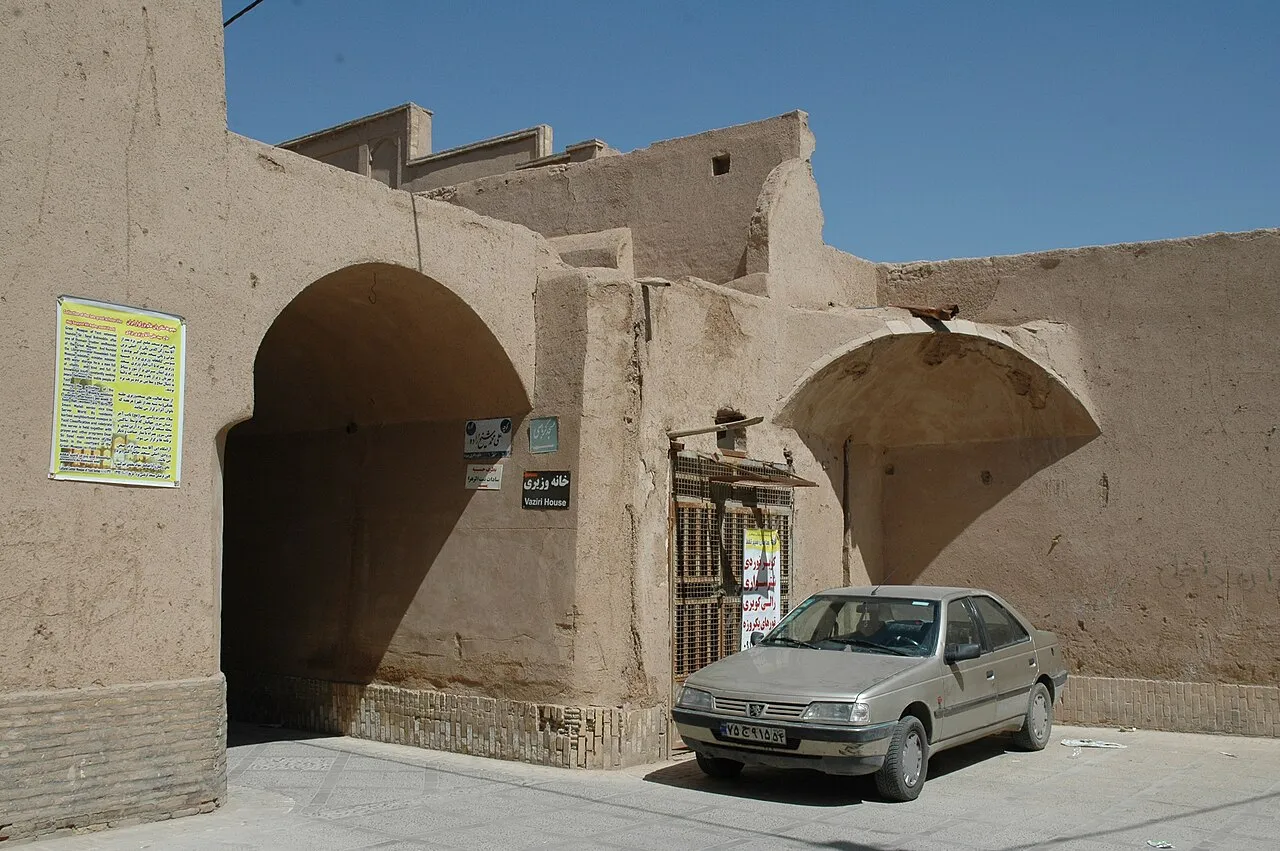
Building material was flexible from the start. The 19th-century catechism that Kotwal and Boyd translated says a dakhma should be of stone and lime, or of brick and mud where stone is not possible, provided the body's fluids cannot reach the ground. Their commentary adds that Parsis in India have built dakhmas in all three materials, as means allowed.
Why were Iranian dakhmas moved, while Indian ones were built to last?
The scriptures treat a dakhma's ground as polluted for a long time. In Vendidad 7.49 to 7.50, the ground under a dakhma is clean again only when the dust of the dead has mingled with the dust of the earth, and the faithful are urged to pull dakhmas down. The Pahlavi commentary, in Darmesteter's notes, estimates that period at fifty years.
Sources give different lengths of use, so we name each. Karanjia says Iranian sites moved "after every few decades". Boyce, in A Persian Stronghold of Zoroastrianism (1977), reports that the people of Sharifabad near Yazd held a hundred years to be the proper limit for one tower, so that the pollution in one place does not grow too great. Their 1863 tower was used for about that long.
India took the other road. A Bombay description quoted by J.J. Modi in 1922 says the Parsis built their towers of the hardest and best materials so that they might last for centuries. Karanjia links this to the same practical limit: the elaborate, ritually prepared dakhmas of India came about once it was clear that moving them regularly could not be done.
Did Parsis help build dakhmas in Iran?
Yes. Both Karanjia and Boyce say Manekji Limji Hataria helped build dakhmas in Iran. Karanjia writes that he was sent there in 1854 by the Persian Zoroastrian Amelioration Fund, founded in Bombay. Boyce records that one of the two towers at Sharifabad was built in 1863 with his "energetic help", and that his memory was still alive in the village when she stayed there in 1964.
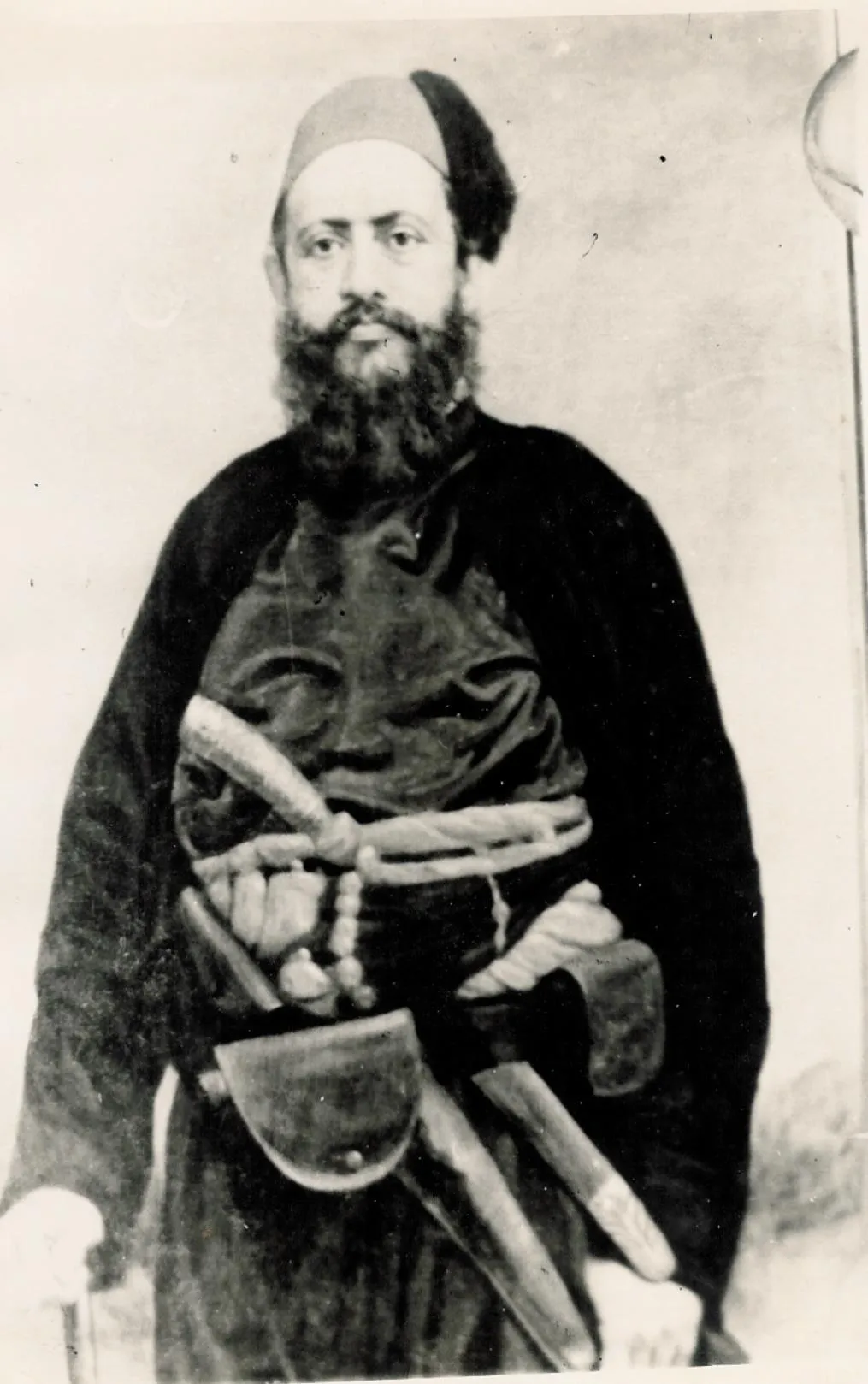
The influence went further in the 20th century. When Sharifabad raised a new dakhma beside Manekji's, brought into use in 1963 with some help from Parsis, Boyce writes that inside it was designed according to the evolved Parsi plan, with a central well about six feet below the desert floor, filled with fine and then coarse sand. She expected it to be the last dakhma ever built in Iran. By her account, then, at least one late Iranian tower followed the Parsi plan inside. What that plan looks like is described in our Tower of Silence post.
Are the funeral rites the same in Iran and India?
Broadly, yes. Boyce writes in Encyclopaedia Iranica that the rites of the two communities are essentially the same, with the Irani rites a little more elaborate. She notes one visible difference: in India the legs of the deceased were kept straight, while in Iran they were bent, a difference that caused sharp controversy among Parsis in the 18th century.
The place where the body waits also differed. Dosabhai Framji Karaka wrote in 1884 that Zoroastrians in Persia did not keep the body at home after death but moved it to a separate building, from where it went to the dakhma. Boyce names this building the zādmarg and says it stood at the edge of the town or village nearest the dakhma. Parsi towns had their own corpse-houses, nasā-khānas, into the 19th century, she adds.
One custom is shared. Boyce writes that keeping a fire always burning outside a dakhma, to comfort the souls of those carried there, is common to Iranis and Parsis. Kotwal and Boyd describe the same thing in India: the sagri, a room at the dakhma site where a fire burns, which today usually has a permanent fire. At Sharifabad, Boyce adds, the doors of both towers faced east, "in orthodox fashion".
Practice varies between families and Agiaries; your family priest's guidance comes first.
Do Iranian Zoroastrians still use dakhmas?
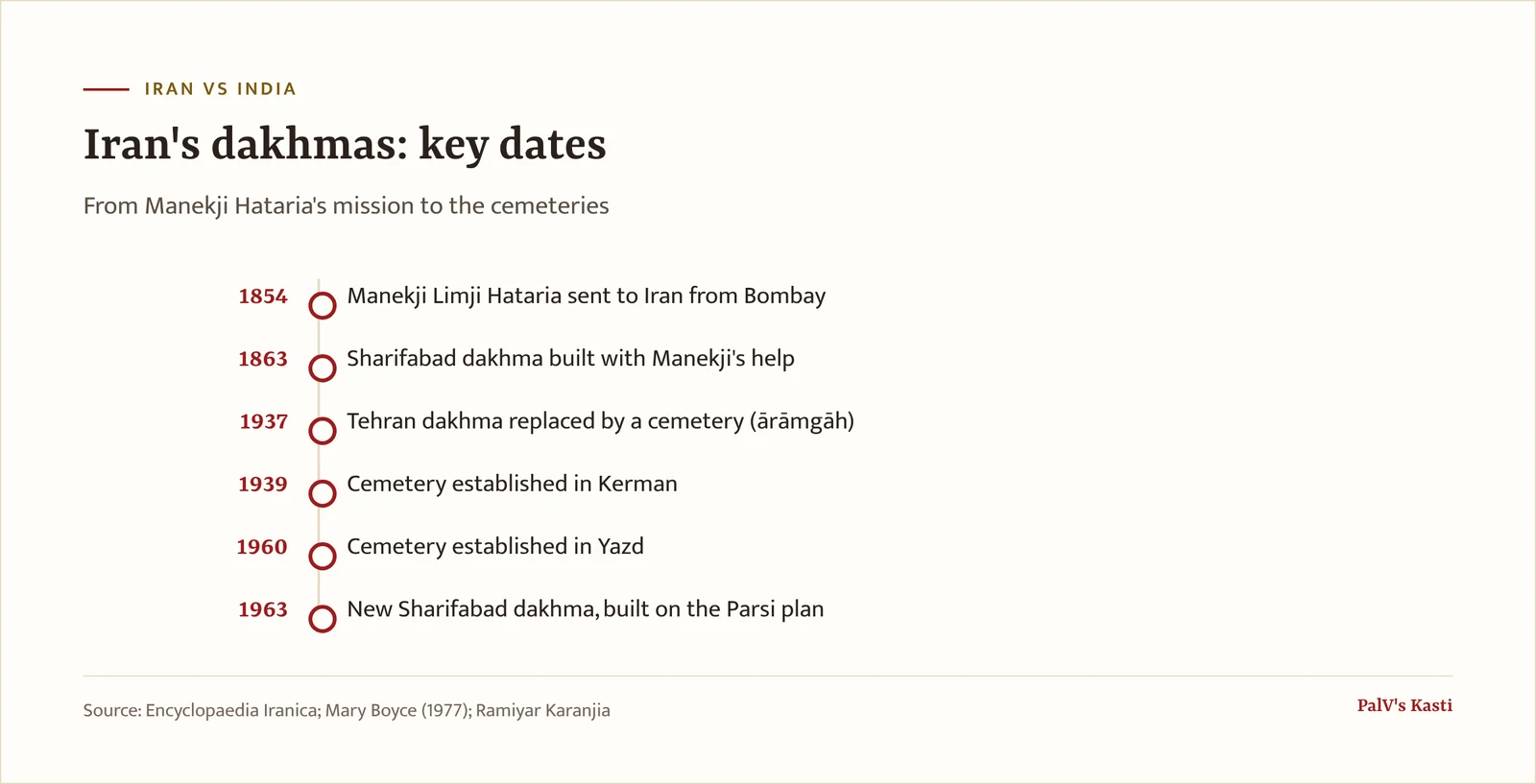
No. According to Boyce in Encyclopaedia Iranica, the Tehran dakhma was replaced in 1937 by a cemetery called ārāmgāh, "place of rest". Cemeteries followed in Kerman in 1939 and in Yazd in 1960, though the dakhmas there stayed in alternative use until the 1970s, and the Sharifabad dakhma too was later abandoned. Journalist Coomi Kapoor, in her 2021 history of the Parsis excerpted by Scroll, gives a different account: that Reza Shah banned the practice in the 1940s. The sources differ on this, and we have not found a decree to settle it.

Boyce also preserves how Sharifabad's villagers felt in the 1960s. They preferred, she writes, to think of the body quickly reduced to bones that lay in sun and moonlight, rather than decaying in a coffin or in the ground. The theology behind that preference is set out in Why Parsis don't burn or bury.
Down To Earth noted in November 2025 that the tower in Yazd is no longer in use. In India, dokhmenashini was still carried out at Doongerwadi as of February 2025, though how it works without vultures is a separate story, told in Vultures and the Tower of Silence. For an older, reflective view of the Indian towers, see our post on the Tower of Silence poem.
Frequently asked questions
Is the Yazd Tower of Silence still used?
No. Encyclopaedia Iranica records that Yazd's Zoroastrians set up a cemetery in 1960, and Down To Earth reported in November 2025 that the Yazd tower is no longer in use. Iran's Zoroastrians moved to community cemeteries, the first in Tehran in 1937.
Is a Zoroastrian dakhma in Iran built like one in Mumbai?
Not originally. Ervad Ramiyar Karanjia writes that early Iranian dakhmas were simple stone platforms with a central pit, moved every few decades, while India developed permanent, elaborate towers. Mary Boyce records that Sharifabad's 1963 dakhma, which she expected to be the last built in Iran, followed the evolved Parsi plan inside.
Who was Manekji Limji Hataria?
Ervad Ramiyar Karanjia writes that Manekji Limji Hataria, a Parsi born near Surat, was sent to Iran in 1854 by a Bombay fund to help Iran's Zoroastrians. He opened schools and helped build dharamshalas and dakhmas, working there until his death in 1890. Mary Boyce records his help with Sharifabad's 1863 tower.
Why did Iranian Zoroastrians move their dakhmas?
The Vendidad treats the ground under a dakhma as unclean until the remains have turned to dust, and urges that dakhmas be pulled down. Karanjia says Iranian sites moved every few decades. Mary Boyce reports that Sharifabad villagers held a hundred years to be the proper limit for one tower.


