 PalV's Kasti
On this page
Divo and Adarni are two old Parsi pre-wedding customs, recorded separately in 1922 and joined as one, the Divo Ādarni, in a 2019 account by Ervad Dr Ramiyar Karanjia. Divo means "a light". In the account J.J. Modi published in 1922, each family lights an oil lamp in its home early on the chosen morning, and the women of each side visit the other house and drop a silver coin into that lamp. Clothes and the first wedding rings were given that day. In Modi's and Karanjia's accounts, Adarni is the day the bride's family carries its gifts to the groom's family, though other records describe the gifts differently. Karanjia calls these gifts rit, a kind of voluntary dowry. On why the lamp is lit, the sources we read describe the act but give no religious reason for it.
અસપંદામેદ રોજ
Asfandarmad Roj, Tir Mah · 1396 Y.Z.
What happens on the Divo day?
Modi explains the name simply in The Religious Ceremonies and Customs of the Parsees. The day is called Divo because an oil lamp is lit in each family's house in the early morning. The women of the two families then go in turn to each other's homes and place a silver coin in the burning lamp.
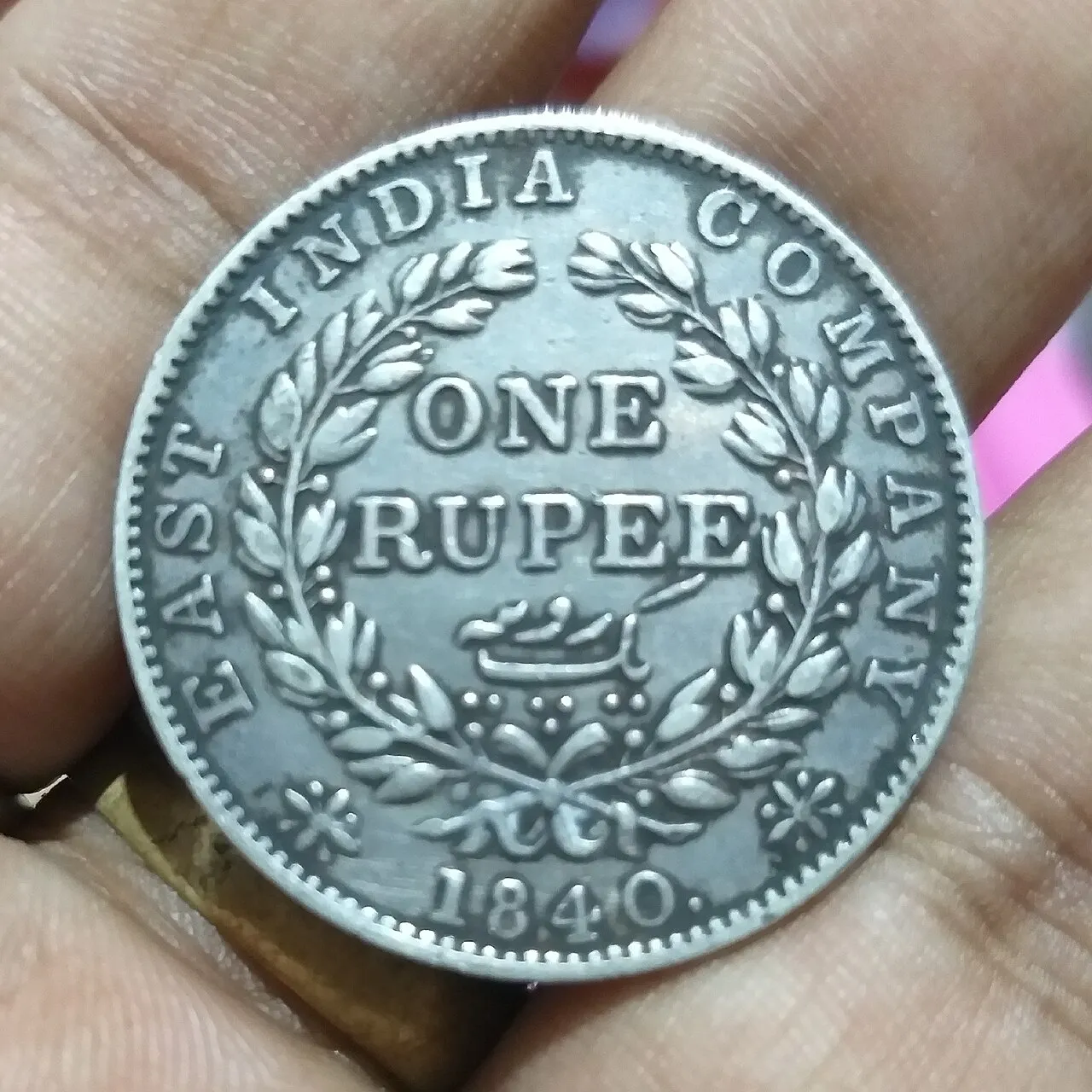
He also says the Divo mattered more than the betrothal itself. Once a match was arranged, the betrothal was fixed in haste to give it a formal stamp, so nobody had time to prepare gifts. The Divo date was chosen at leisure. So the formal presents of clothes, and generally the first wedding rings, were exchanged on that day.
Not every account puts the rings there. Karanjia, writing in 2019, has the boy and girl exchange rings at the Adravvu, the engagement, which we cover in our guide to the Parsi engagement ceremony.
Practice varies between families and Agiaries; your family priest's guidance comes first.
Why is a lamp lit for a Parsi wedding?
Here we have to be plain: none of the priestly or historical sources we checked states a religious reason for the Divo-day lamp. Modi tells us the day is named after the lamp. In a footnote he compares it with the bridal torches carried by the mother of the bride in ancient Greece.
A lamp with a coin dropped into it also appears in an older record. The Gazetteer of the Bombay Presidency of 1899 describes the women of the boy's family giving the girl her dress in front of a lit ghee lamp with a rupee dropped in. In that record it happens at the betrothal visit, not on a separate Divo day.
Light returns on the wedding day too. Modi describes two burning candles on stands, one beside the groom and one beside the bride, with a censer of fire held nearby. Of fire in general he writes that Parsis treat it as a sacred symbol of purity and plenty, which is why it appears in most of their rituals. Karanjia records a present-day custom: just before the marriage prayers begin, the couple light a divo together to signify their union. For more on the lamp itself, see our page on the Parsi divo.
Practice varies between families and Agiaries; your family priest's guidance comes first.
What is Adarni, and who gives the gifts?
Modi treats Adarni as its own occasion after the Divo. On that day, he says, the dowry from the bride's father is presented to the groom's family. Between the betrothal and the wedding, gifts kept moving on holidays as well, and he notes they went mostly from the bride's side. He adds that at the wedding the mothers of the bride and groom each expected clothes from their own parents, or from their brothers if the parents had died, and that a wedding song was usually sung.
Karanjia joins the two names as "Divo Ādarni" and describes the bride's family taking gifts to the groom's house. He calls the gifts rit in Gujarati and says they may be regarded as a voluntary dowry.
Do all accounts agree on the direction of the gifts?
No. The 1899 Gazetteer, recording Parsi custom in Gujarat, calls Adarni "the inviting ceremony". There the boy's mother arrives with her kinswomen and music and dresses the girl in clothes and ornaments. A party from the girl's house then takes clothes to the boy. The next day the girl's mother sends the dress the boy gave her back to the boy's mother, with a few rupees, because it was considered wrong for the girl's parents to accept presents from the boy's side.
Recent writing differs again. In a 2023 Parsi Times article, Noshir H. Dadrawala calls Adarni the more formal engagement, a day when both families exchange gifts. A 2016 Parsi Times guide describes it as a bridal shower where the groom's family gives the bride jewellery and clothes and the bride's side returns the gesture.
Practice varies between families and Agiaries; your family priest's guidance comes first.
When is the Divo Adarni done?
There is no single fixed day. Karanjia says it may be done at any time before the wedding, and if it hasn't happened by then, during the four days of festivities just before the marriage. The 1899 Gazetteer places Adarni before or after the turmeric-pounding, and sometimes on the wedding day itself. Modi's order runs from betrothal to Divo to Adarni and then to the wedding days.
The turmeric rites that sit near Adarni in the calendar are described in our page on Supra ni reet and Haldi. For the full sequence of customs before the wedding, see Parsi pre-wedding ceremonies.
What food is served at an Adarni?
Dadrawala names sweet sev with sweet curd and boiled eggs, and says the dishes stand for sweetness and fertility. The 2016 Parsi Times guide lists sev-dahi, bananas and boiled eggs. The older records we read, Modi and the Gazetteer, don't name an Adarni menu.
Frequently asked questions
What is Adarni in a Parsi wedding?
Adarni is a pre-wedding occasion for gifts between the two families. J.J. Modi (1922) describes it as the day the bride's father's dowry is presented to the groom's family. Ervad Ramiyar Karanjia calls the gifts rit, a sort of voluntary dowry. Some recent writers describe gifts going both ways, and the 1899 Gazetteer calls it the inviting ceremony.
Why is a divo lit before a Parsi wedding?
The sources we checked describe the lamp but don't give a religious reason for it. Modi says the Divo day is named after the oil lamp lit in each family's home, where the other family's women drop in a silver coin. Karanjia writes that the couple light a divo together before the wedding prayers to signify their union.
What is given at Adarni?
Accounts differ. Modi and Karanjia describe gifts carried from the bride's family to the groom's. The 1899 Gazetteer records the boy's mother dressing the girl in clothes and ornaments, with clothes sent back for the boy. Modi says the Divo day, not Adarni, was when formal presents of clothes and the first rings were exchanged.
Is Adarni a dowry?
Both Modi and Karanjia use the word. Modi calls the Adarni gift the dowry given by the bride's father. Karanjia says the gifts, called rit, may be considered a sort of voluntary dowry. Other accounts describe Adarni as an exchange of gifts by both families, closer to a formal engagement or a bridal shower.
Are Divo and Adarni the same ceremony?
Modi, writing in 1922, describes them as two separate occasions: the Divo, with its lamp, coins, clothes and rings, and then the Adarni, when the bride's family presents its gifts. Ervad Ramiyar Karanjia's 2019 account treats them as one custom, Divo Ādarni, which may be held any time before the wedding.


