 PalV's Kasti
On this page
- What does Zoroastrianism say about marriage?
- Is Zoroastrian marriage a sacrament or a contract?
- What is Yasna 53, the Gatha read as a wedding hymn?
- What do the Parsi wedding prayers ask of the couple?
- What do the words for bride and groom mean?
- How have writers explained this meaning over the past century?
- Frequently asked questions
Priests who write on Zoroastrian teaching describe marriage as a religious duty and a sacred bond, more than a social or legal arrangement. The scriptures recommend the married life over the single one, and the Gathas give the couple one instruction above all: each should clothe the other with righteousness, and happiness follows. The wedding prayers, known in India as the Ashirwad, put that idea into words. They ask the couple to think, speak and act truthfully, to earn honestly and to honour their parents, and they call down on them the virtues of the divine beings and the heroes of ancient Iran. Below we set out what the texts say and what the Lagan prayers ask of a Zoroastrian couple, using the translations of J.J. Modi and Noshir Dadrawala.
અસપંદામેદ રોજ
Asfandarmad Roj, Tir Mah · 1396 Y.Z.
What does Zoroastrianism say about marriage?
Both of the writers we lean on start with the Vendidad. In Modi's 1922 book on Parsi ceremonies and in Dadrawala's 2021 essay for Parsi Times, the same verse (Vendidad 4.47) is quoted: Ahura Mazda tells Zarathushtra that he recommends a man with a wife above one without, a man with a family above one without a family, and a man with children above the childless. Vendidad 3.1 adds that a place on earth is happy where a household is set up with its fire, its cattle, a wife, children and faithful followers.
Ervad Dr Ramiyar Karanjia, a priest and scholar, sums it up on his website: marriage is a pious duty and a sacrament, a holy union of two people. He adds that the Gathas, the Videvdad and the Dadistan i Menog i Khrad all show a preference for married life. Dadrawala goes a step further and says the scriptures "enjoin" marriage, and that this holds for the clergy too.
Why do the texts favour the married life?
Modi gives the reason he reads in Vendidad 4.48-49: a married person is more likely than an unmarried one to withstand physical and mental hardship and to lead a religious, virtuous life. He also notes that, going by Vendidad 4.44, a Parsi treats it as a meritorious act to help a fellow Zoroastrian marry. In 1922 he recorded that Parsis often left money by will or trust to help poor brides marry, that the Sir Jamsetjee Jejeebhoy Parsee Benevolent Institution still did so, and that the Parsee Punchayet funds had a similar provision, with about Rs. 75 then given towards each bride's wedding.
Practice varies between families and Agiaries; your family priest's guidance comes first.
Is Zoroastrian marriage a sacrament or a contract?
The priests who write on this are clear that it is more than a contract. Karanjia says marriage "is not just a social, legal or contractual bond". A 2012 article on Frashogard, the site of Ervad Marzban Hathiram, calls it "a sacrament, not a legal contract" and describes two souls promising to help each other towards salvation. Dadrawala closes his essay in plain words: for a Zoroastrian, marriage is a path to happiness through righteousness, and it is about good companionship and friendship.
The vows themselves do use the word. In Modi's translation, the priest asks the couple whether they have chosen to enter "this contract of marriage" for life with a righteous mind, and the question is repeated three times. Both Modi and Karanjia describe this consent being given before witnesses, so the prayers include a binding promise as well as a blessing.
Practice varies between families and Agiaries; your family priest's guidance comes first.
What is Yasna 53, the Gatha read as a wedding hymn?
Yasna 53 belongs to the Vahishtoishti Gatha. Karanjia writes that the Zoroastrian ideal of marriage is set out in this chapter, which is regarded as a wedding hymn. Its fifth verse speaks straight to the couple. In Modi's translation it opens: "I say (these) words to you, marrying brides and bridegrooms!"
The line Parsis quote most comes next. Modi and Dadrawala both render it as "Let each one of you clothe the other with righteousness". The verse ends with a promise that a happy life will then surely follow.
Translations differ in their wording. Karanjia's version asks the couple to keep on loving each other "with righteousness", so that both may have a happy family life. In each version righteousness comes first, and the happy life follows from it.
Practice varies between families and Agiaries; your family priest's guidance comes first.
What do the Parsi wedding prayers ask of the couple?
The Ashirwad (Ashirvad, "blessing") is the prayer two priests recite over the couple at the Lagan. The full order of the ceremony is in our guide to Parsi wedding rituals, and the prayer itself has its own page on the Parsi wedding Ashirwad. Here we look only at what the words say about marriage.
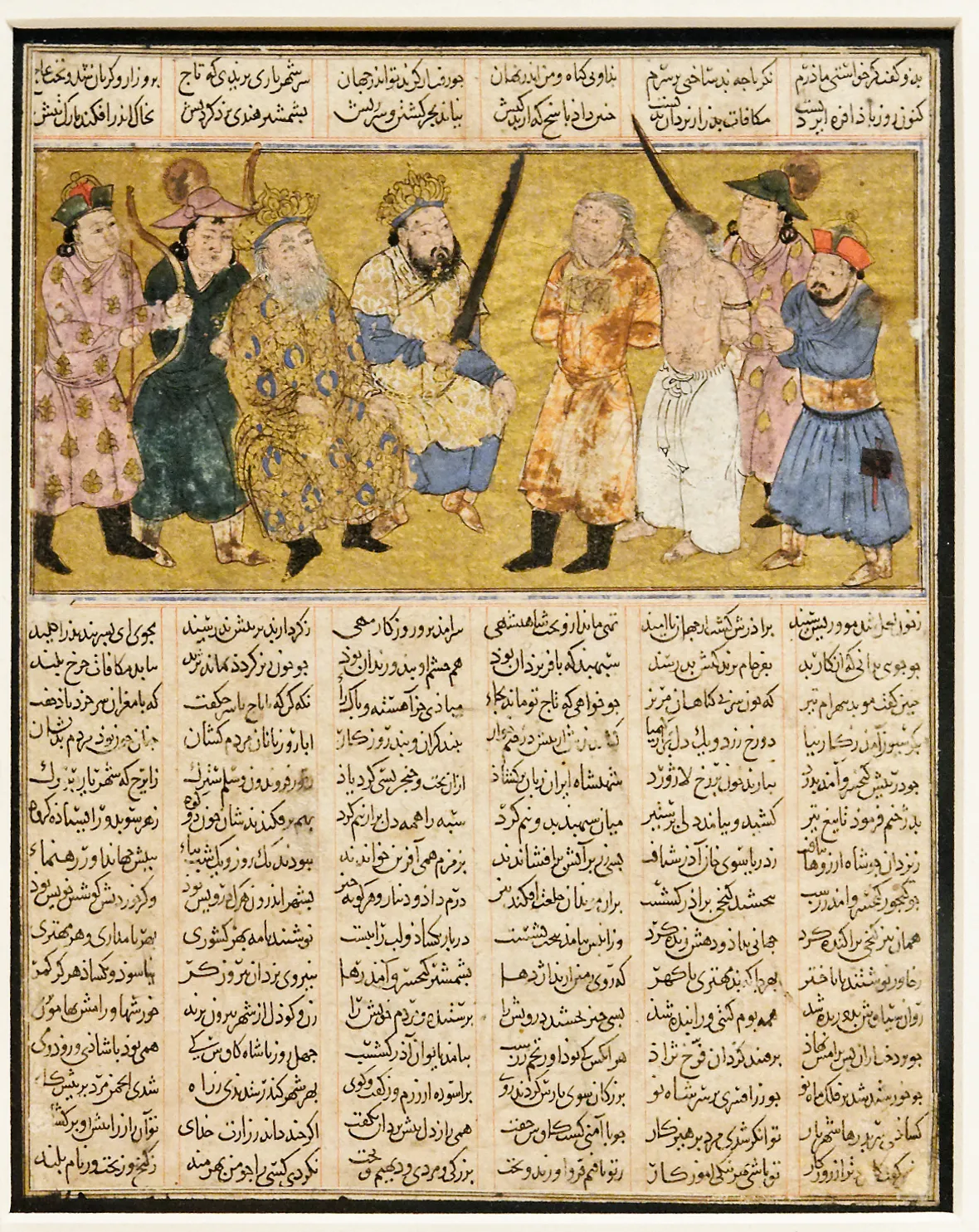
The first part is a string of admonitions. Modi notes that he supplied much of his translation of this address to Dosabhai Framji Karaka's History of the Parsees. It includes these:
- "Think of nothing but the truth." Then the same for speech, and for deeds.
- "Acquire wealth by good means." Dadrawala's version reads "by righteous means".
- "Do nothing without mature consideration."
- Fight your enemies only by fair means, and speak in an assembly only after thought.
- "Be more glorious than your father," and never annoy your mother.
- Recognise Ahura Mazda as God and Zarathushtra as spiritual guide, and treat Ahriman, the evil spirit, with contempt.
Which blessings are called down on the couple?
Next come the blessings. Modi explains that the priests ask God to grant the couple the virtues linked with the Yazatas who give their names to the thirty days of the month. In his translation Bahman brings good thoughts and Ardibehesht good words. Dadrawala's 2021 rendering gives "Good thoughts and wisdom through Bahman" and "Truth and good health through Ardibehesht". The two translators choose different English words for the same lines.
The prayer then turns to the kings and heroes of ancient Iran. Both Modi and Dadrawala give the couple wishes to be as great in dignity as King Kaikhosru, as pious as Gushtasp (Vistasp) and as powerful as Rustam. Modi's fuller translation goes on to the natural world, wishing them to be "as fertile as the Earth" and "as united as a river united with a sea".
Karanjia notes that the prayers also invoke Airyaman Yazad, who in his words presides over "marriage, joy, peace, friendship and nobility". Modi's translation has the line "May the much desired Airyaman come for joy". Before the wedding, Karanjia adds, a baj is performed for Ram Yazad, who presides over marriage union and joy. The Frashogard article likewise names Mino Ram as the divine being looking after marriages and happiness.
Practice varies between families and Agiaries; your family priest's guidance comes first.
What do the words for bride and groom mean?
Modi, in a note to his 1921 paper The Marriage Ceremony of the Parsis, traces both words to love. He derives var, husband, from an Avesta root var, which he links to the Latin velle, meaning "to love". He derives kanya, bride, from the Avesta root kan, also meaning to love. This is Modi's own etymology, and we have not found a second scholar who repeats it, so we give it here as his reading.
How have writers explained this meaning over the past century?
Modi published his accounts in Bombay in 1921 and 1922. Karanjia, writing in 2019, describes the two officiating priests reciting the Ashirwad's Pazand prayers in unison. The Parsi Times introduction to Dadrawala's 2021 essay puts the need plainly: most of us have to turn to translations to understand our prayers. How the rites themselves have changed since Modi recorded them is the subject of our piece on the history of Parsi wedding rites. For the whole celebration, from the pre-wedding days to the reception, start with our Parsi wedding guide.
Frequently asked questions
What does Zoroastrianism say about marriage?
The scriptures favour married life. Vendidad 4.47, quoted by both J.J. Modi and Noshir Dadrawala, recommends a man with a wife and family above one without. Ervad Ramiyar Karanjia describes marriage as a pious duty and a religious sacrament, and the Gathas tell the couple to clothe each other with righteousness so that a happy life follows.
Is marriage compulsory in Zoroastrianism?
The texts treat it as a religious duty and strongly encourage it. Ervad Ramiyar Karanjia writes that it is incumbent on able-bodied Zoroastrians to marry and raise a family, and Noshir Dadrawala says the scriptures not only encourage marriage but enjoin it, including for the clergy. Your family priest can explain how your own family's tradition reads these passages.
What is Yasna 53?
Yasna 53 is part of the Vahishtoishti Gatha, one of the Gathas of Zarathushtra. Ervad Ramiyar Karanjia calls it a wedding hymn. Its fifth verse addresses brides and bridegrooms directly and, in J.J. Modi's translation, asks each of them to clothe the other with righteousness, promising that a happy life will follow.
What do the Parsi wedding prayers mean?
The Ashirwad has admonitions and blessings. The admonitions ask the couple to think, speak and act truthfully, earn by good means and honour their parents. The blessings, in Modi's and Dadrawala's translations, call down the virtues linked with the Yazatas of the thirty days and the qualities of ancient Iranian heroes such as Kaikhosru and Rustam.
Is a Zoroastrian marriage just a contract?
Priests who write on it say no. Ervad Ramiyar Karanjia says it is not just a social, legal or contractual bond, and a 2012 Frashogard article calls it a sacrament. Modi's translation of the vows does speak of a contract of marriage for life, so the prayers also include a binding promise given before witnesses.


