 PalV's Kasti
On this page
Irani cafe chai in Mumbai is a sweet, milky tea, and the published accounts we checked agree on the broad method. Black tea is brewed on its own. The milk is boiled down for a long time, made richer with either mawa (khoya) or condensed milk, sweetened, and then added to the tea. What none of those accounts records is the animal the milk comes from. We found no writer or cafe owner saying whether it is cow, buffalo or goat milk, so if that matters to you, ask at the counter. Below we set out what each source says, where they disagree, and the Bombay variations such as pani kam chai.
અદીબેહેસત રોજ
Ardibehesht Roj, Tir Mah · 1396 Y.Z.
How do Mumbai's Irani cafes make their chai?
At Irani cafes the tea and the milk are prepared separately and meet only at the end.
Writing for Taste magazine in 2018 after a visit to Kyani & Co., food writer Nik Sharma said the tea is made by boiling water with black tea powder, not whole leaves, and that mawa is then added to the pot. He found the result richer and a good deal creamier than everyday Indian chai, and his cup carried a hint of cinnamon. Madras Courier gives a similar outline: the milk is boiled for several hours, sweetened with condensed milk or mawa, and then added to the tea decoction.
A Guardian report on Cafe Irani Chaii in Mahim says the same thing in fewer words. The milk is reduced first, then poured into the boiling tea.
Which milk does an Irani cafe use?
On the milk itself, the sources split.
- Mawa (khoya). Taste describes mawa as milk evaporated slowly in large pans until it becomes a solid, and says it gives the chai extra milkiness. Madras Courier also names mawa.
- Condensed milk. The South China Morning Post says Irani chai is made with condensed milk and Assam tea. TRT World says the earliest cafes sold a very sweet chai made with condensed milk and lightly flavoured with cardamom. Madras Courier lists condensed milk alongside mawa.
- Whole milk, reduced. Nik Sharma's home recipe for Taste boils 4 cups of whole milk down to 1½ cups before the mawa is whisked in.
So the fair answer is that Mumbai's Irani cafes have been reported using long-boiled milk plus either mawa or condensed milk, and the reports do not agree on which. No source we found names a brand or a dairy.
Does an Irani cafe use goat milk?
We could not find any evidence that it does. Not one of the newspaper, magazine or oral-history accounts we opened mentions goat milk in Irani cafe chai. They also don't say whether the milk is from cows or buffaloes. That gap is real, and we are not going to fill it with a guess. If you need to know for dietary or personal reasons, the cafe itself is the only reliable answer.
What is pani kam chai?
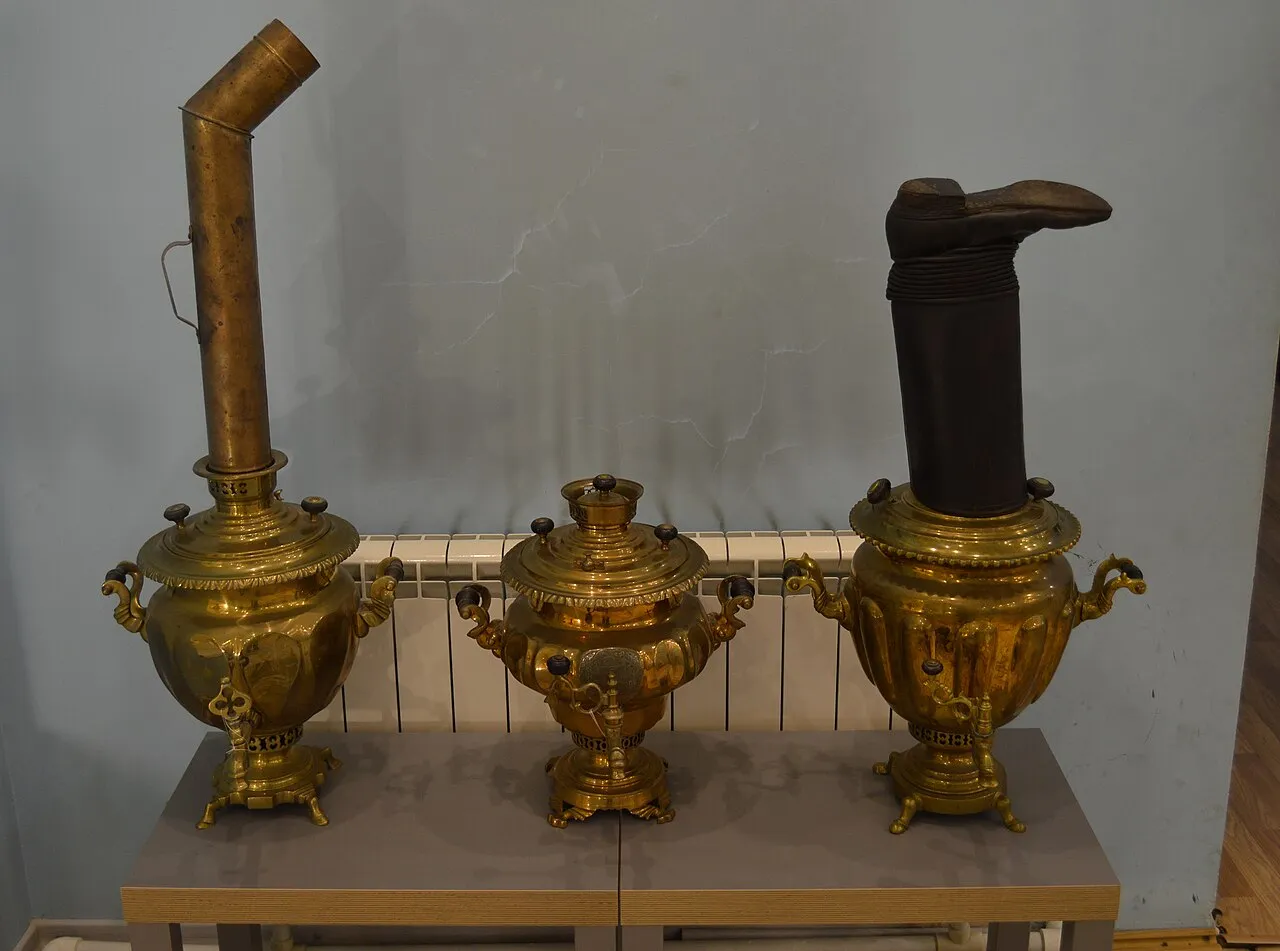
Pani kam (also written pani kum) means "less water". The Guardian describes it as the signature tea at Cafe Irani Chaii: thick and milky, brewed in a samovar, and sweetened with nabaat, which are large flavoured sugar crystals. The same report mentions khade chammach ki chai, a glass of tea with so much sugar at the bottom that a spoon stands upright in it, and gives the price of a cup as ₹20. These details come from one report about one cafe, so read them as a description of Cafe Irani Chaii rather than of every Irani cafe in the city.
The cafe's owner, filmmaker Mansoor Showghi Yezdi, comes from a chai-selling family. Open magazine reported in 2015 that his grandfather sat at Apollo Bunder selling Irani chai, keeping it hot in a sigdi, a tumbler with burning coals at the bottom. "I am a true Irani chaiwaala," Yezdi told the magazine. "Tea runs in my blood."
Why is Irani chai milky when tea in Iran is not?
Because the milk was added in India. Atlas Obscura describes a cup of tea in Iran as a spartan thing, served black with neither milk nor sugar, and calls the milky version a fixture of the teahouses Iranian immigrants set up in India. Madras Courier says Irani chai was first made without milk, and that milk came later to suit Indian tastes. For the story of those migrants, see our piece on who started Irani cafes.
Did Irani cafes ever add anything else to the tea?
One old account says yes. In a 2007 interview for the Irani Chai, Mumbai oral-history project, Aflatoon Shokriye of Kyani & Co. recalled that around 1952 an unnamed Irani cafe owner began putting kus-kus (poppy) in his tea. Taxi drivers made a habit of drinking it there, other cafes copied it, and Kyani served it too, until the Municipality found out and stopped it. This is a single first-hand recollection, and we report it as his account.
What do people have with their Irani chai?
Sifra Lentin of Gateway House names the classic partner as bread, whether crusty brun, sweet buns or soft pao, buttered and served with the milky, sweet tea. The full menu is covered in what to eat at an Irani cafe. For the wider history, start with our guide to Irani cafes of Mumbai, and if you want to try the drink at home, our Irani chai post has more.
Frequently asked questions
Is Irani chai made with condensed milk?
Some reports say so. The South China Morning Post and TRT World both describe Irani chai made with condensed milk, and Madras Courier lists condensed milk or mawa. Taste magazine, writing after a visit to Kyani & Co., credits mawa instead. The published accounts do not agree, so the honest answer is that both methods have been reported.
What is mawa in Irani chai?
Mawa, also called khoya, is milk cooked slowly in large pans until the water evaporates and a solid is left. Taste magazine says mawa is added to the pot of tea at Irani cafes and gives it extra milkiness. Its writer found the chai richer and creamier than ordinary Indian chai made with black tea and milk.
Does Irani cafe chai use buffalo milk or cow milk?
We could not find a published source that says. The newspaper and magazine accounts we read describe long-boiled milk, mawa or condensed milk, but none names the animal. Goat milk is not mentioned anywhere either. If the type of milk matters to you, ask the cafe directly before ordering, because no published account settles it.
How much does a cup of Irani chai cost in Mumbai?
The Guardian, reporting on Cafe Irani Chaii in Mahim, gave the price of a cup as ₹20. That is one cafe in one report, and the report carries no clear date, so treat it as a rough guide. Prices change and differ from cafe to cafe, so check the board when you sit down.
Why is it called Irani chai if Iranians drink black tea?
The name comes from the cafes, not from how tea is drunk in Iran. Atlas Obscura says tea in Iran is served black, without milk or sugar, and links the milky drink to teahouses Iranian immigrants opened in India. Madras Courier says Irani chai was first made without milk, which was added later for Indian tastes.


