 PalV's Kasti
On this page
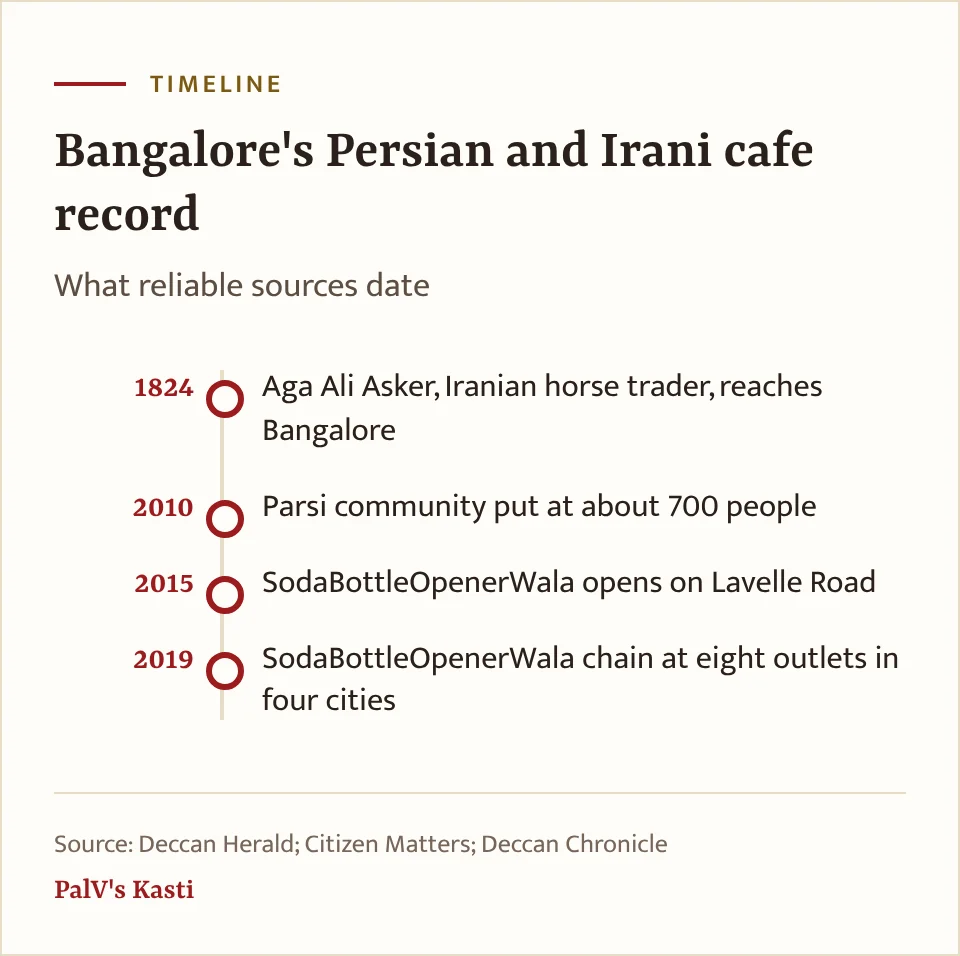
Bangalore's Irani cafe history is mostly a gap. We could not find a single dated Irani cafe or Irani hotel in the city, with a founder and a founding year, in any newspaper, archive or community record we checked, and FEZANA's account of the Irani cafe trail from Bombay to Pune and Hyderabad doesn't name Bangalore. The city's best documented Persian link is older and different: Aga Ali Asker, a horse trader who, according to the Deccan Herald, reached Bangalore from Iran in 1824. The Irani cafe most Bangaloreans know today is a revival. SodaBottleOpenerWala opened on Lavelle Road in 2015 as a tribute to the Bombay Irani cafe. This page sets out what is on record and says plainly where the record runs out.
શહેરેવર રોજ
Shehrevar Roj, Tir Mah · 1396 Y.Z.
Did Bangalore ever have Irani cafes like Mumbai's?
Not on any scale that the written record shows. FEZANA's 2012 book Eat, Live, Pray explains that the Irani cafes were set up mostly by Zoroastrians from the Iranian provinces of Yazd and Kerman, who fled persecution under the Qajar dynasty. Many first lived in the Parsi housing colonies of Bombay's Fort district. From Bombay, the FEZANA account says, these Irani families moved on to Pune and Hyderabad. Bangalore doesn't appear in that account.
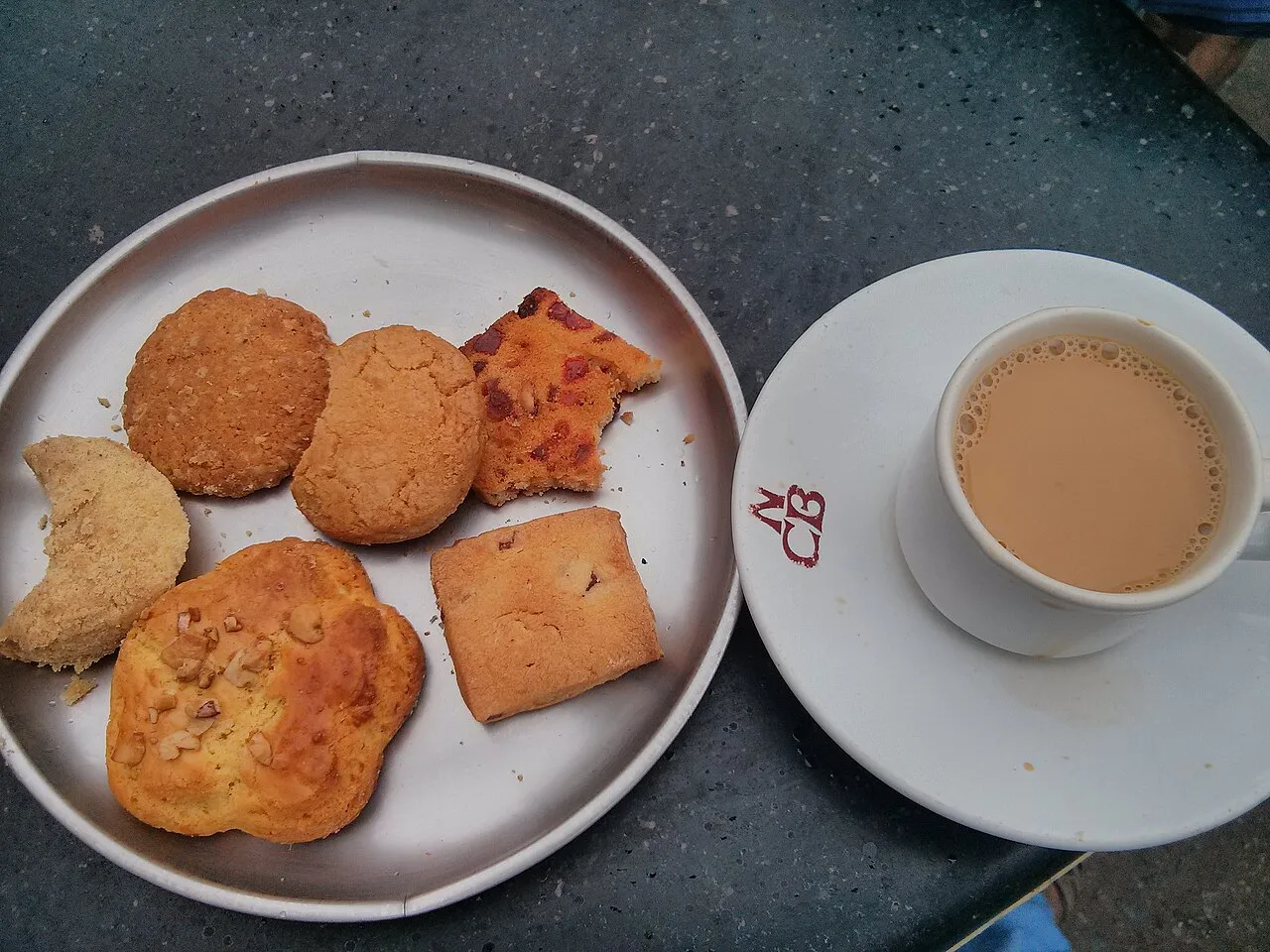
We searched Indian newspapers and community publications for a named Bangalore Irani cafe with an owner and a date, and found none. That's a gap in the record, not proof that no Irani family ever ran a tea shop in the city. For the cities where the tradition is well documented, read our pages on the Irani cafes of Mumbai and the Irani cafes of Pune.
Who were the Persians of Bangalore?
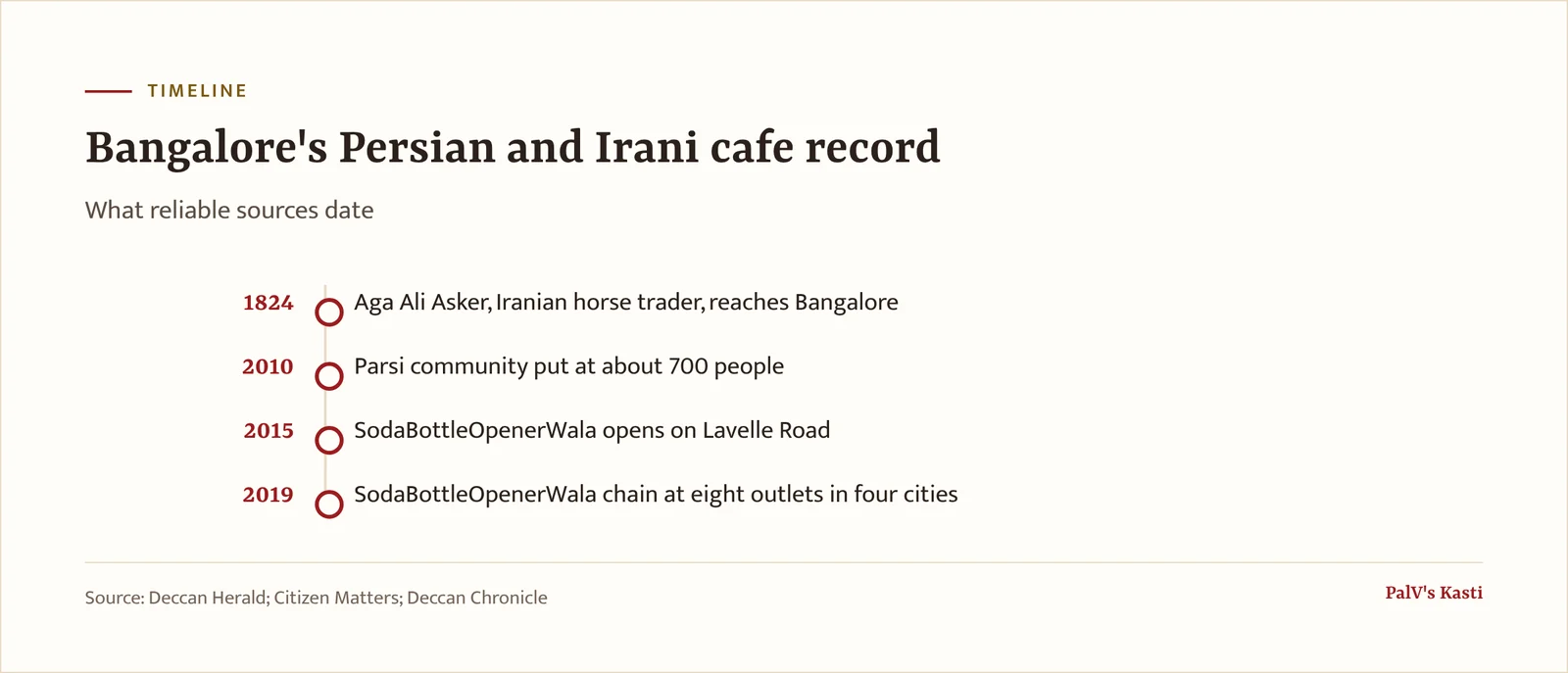
The best known is Aga Ali Asker (also spelt Agha Aly Asker). A Deccan Herald feature drawing on Syeda Mirza's book about him says he left Iran at 16 after hearing, in the teahouses of Shiraz, that India needed horses. The new British cantonment at Bangalore was a buyer, and he arrived in the city in 1824. The same feature says Sir Mark Cubbon asked him to build a hundred houses, and that he did.
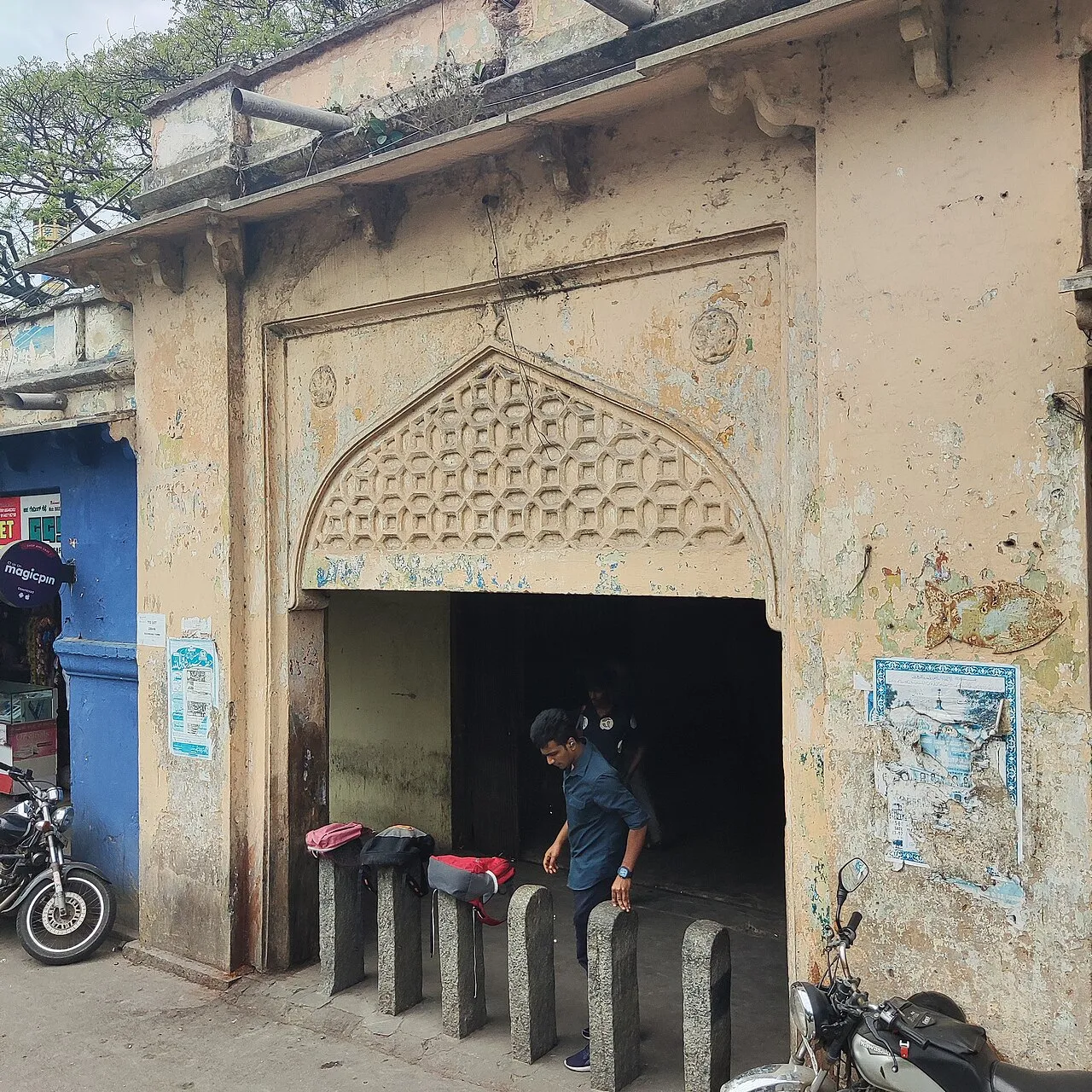
A bequest in his will paid for the mosque near his family home by Johnson Market, which the Deccan Herald describes as Bangalore's first Shia mosque, and for a long time its only one. The feature doesn't state his own faith. Our reading, from that Shia mosque, is that his family's story belongs to the city's Shia Muslim history rather than to the Zoroastrian Irani migration that produced the Bombay cafes, and we have kept the two threads apart.
How large is Bangalore's Parsi community?
Small. In a 2010 Citizen Matters interview, Dinshaw Cawasji, then President of the Bangalore Parsee Zoroastrian Anjuman, put the community at around 350 to 400 families, or about 700 people. The Anjuman looks after the city's Agiary, its Tower of Silence and the Lady Jehangir Kothari Memorial Hall.
Parsis and Iranis aren't the same group, and the difference matters here. On this site, Iranis means the Zoroastrians who came from Iran in the 19th and early 20th centuries. FEZANA credits them, not the older Parsi community, with opening most of the Irani cafes.
Where can you find an Irani cafe experience in Bangalore today?
The clearest example on record is SodaBottleOpenerWala on Lavelle Road. In April 2015, shortly after it opened, the Deccan Herald reported that the restaurant was built as a tribute to the Bombay Irani cafe. AD Singh of The Olive Group called it a concept restaurant and described the Bombay Irani cafe as "sadly, a dying legacy".
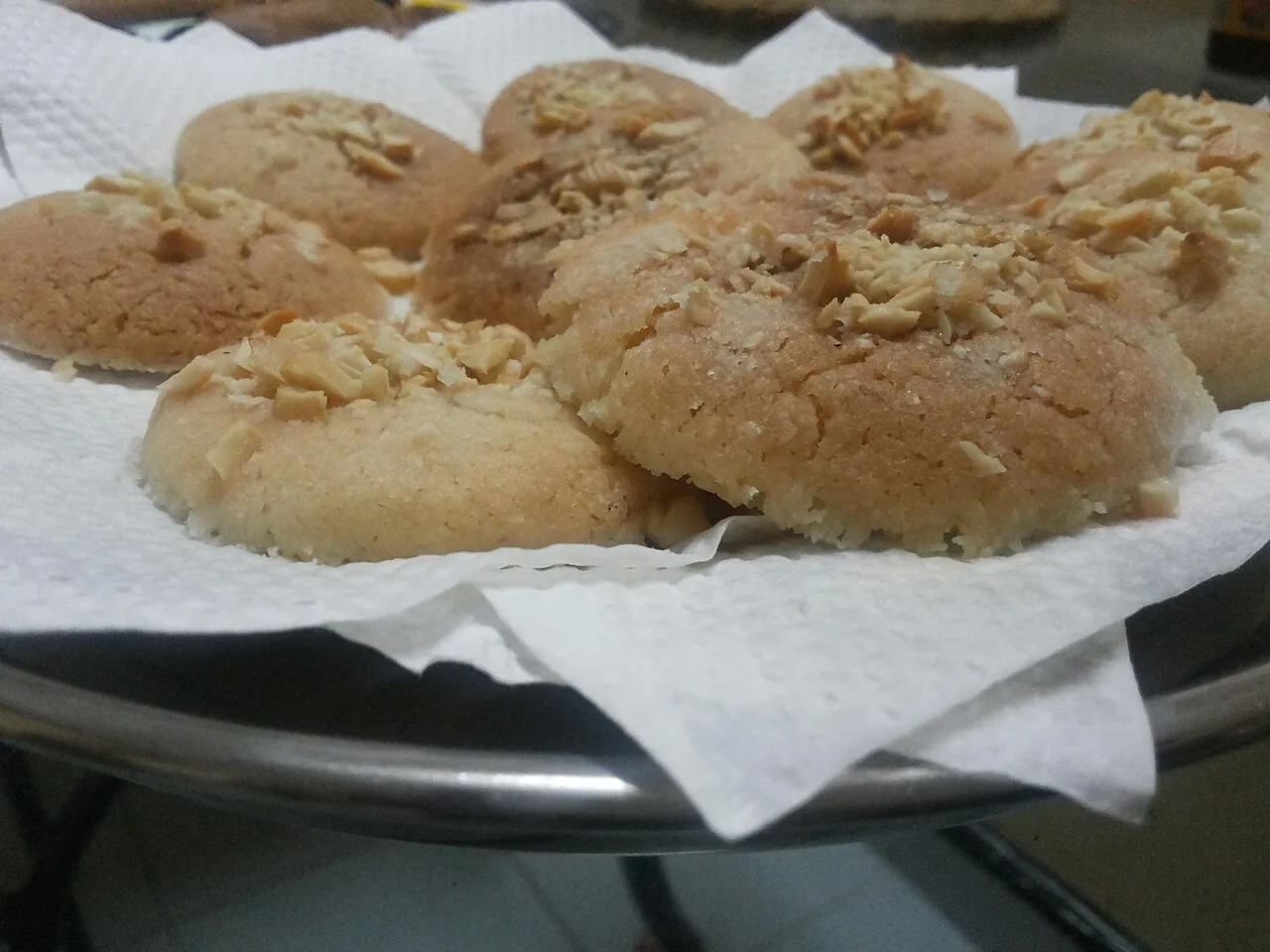
The 2015 report lists the borrowed details: printed floor tiles, Irani chairs, chai glasses, checked and crochet tablecloths, and barni jars of nankhatai sold by the piece at the counter. The menu mixed Parsi dishes such as dhansak, patra ni machhi and berry pulao with Bombay street food. By November 2019, the Deccan Chronicle counted eight outlets across four cities and reported a new menu, with berry pulao, dhansak, salli chicken and chicken farcha kept on.
Treat SodaBottleOpenerWala as a modern homage, not a surviving old cafe. We haven't confirmed its current hours or menu, so check before you go.
What is still missing from Bangalore's Irani cafe history?
A great deal. We found no dated record of an Irani-run tea shop or "Irani hotel" in the old Cantonment, no family name tied to one, and no photograph we could verify. Until a newspaper archive, a family paper or a dated photograph turns up, the honest answer is that Bangalore's Irani cafe history hasn't been written down.
Frequently asked questions
Are there Irani cafes in Bangalore?
We found no documented old Irani cafe in Bangalore with a known founder and founding year. The best known Irani-style place is SodaBottleOpenerWala on Lavelle Road, which opened in 2015 as a tribute to the Bombay Irani cafe. Its owners describe it as a concept restaurant, so it is a modern homage rather than a heritage cafe.
Why does Hyderabad have Irani cafes but Bangalore does not?
FEZANA's account of the Irani cafes says Zoroastrian refugees from Yazd and Kerman settled first in Bombay and then spread to Pune and Hyderabad. Bangalore is not named in that account. We could not find a source explaining why Irani families did not settle in Bangalore in similar numbers, so we will not guess at a reason.
Who was Aga Ali Asker?
According to the Deccan Herald, Aga Ali Asker left Iran at 16 to trade horses and arrived in Bangalore in 1824 to supply the British cantonment. Sir Mark Cubbon asked him to build a hundred houses. His bequest funded Bangalore's first Shia mosque, near Johnson Market. We found nothing linking him to the Zoroastrian Irani cafes.
How many Parsis live in Bangalore?
In 2010, Dinshaw Cawasji of the Bangalore Parsee Zoroastrian Anjuman told Citizen Matters there were around 350 to 400 Parsi families in the city, about 700 people. The Anjuman runs the city's Agiary, its Tower of Silence and a community hall. We have not found a more recent count from a reliable source.
Is SodaBottleOpenerWala a real Irani cafe?
SodaBottleOpenerWala is a restaurant chain that recreates the look and menu of a Bombay Irani cafe, down to the chai glasses and barni jars. AD Singh of The Olive Group called it a concept restaurant when the Lavelle Road branch opened in 2015. It is a modern tribute, not an old cafe that has survived.


